Quick answer
Wash cotton field shirts inside out in cold water on a gentle cycle, then air-dry or tumble on low. Cold water and low heat are the two habits that prevent shrinking and fading. Iron while slightly damp on a medium setting, and store shirts fully dry on a hanger to keep the collar and shoulders in shape.
A cotton field shirt earns its keep through long days of work, travel, and weather. The tradeoff is that cotton responds to heat and agitation, so a rough wash-and-dry cycle will shrink the body, fade the color, and wear out the collar long before the fabric itself gives out.
The routine below is built around what cotton actually needs: cool water, low heat, and a little attention at the collar and cuffs. It takes about the same time as a careless wash, but it keeps the shirt fitting and looking right for years.
Start with the label and a quick sort
Before the first wash, read the care label and follow it over any general advice. Cotton field shirts vary in weave, finish, and trim, and a shirt with leather or metal details may need a different approach than a plain one. Sort lights from darks and keep heavy items like jeans or canvas bags out of the same load, because abrasion is what dulls color and pills cotton.
Check pockets for pens, receipts, and grit, and close every button so the placket does not twist in the wash. If the shirt has a stubborn collar ring, pretreat it now rather than hoping a normal cycle will lift it.
- Common mistake: washing a new dark shirt with light towels, which transfers lint and fades the dye.
- Checkpoint: if the label says dry clean only, stop here and follow that instead.
Wash inside out in cold water
Turn the shirt inside out and wash in cold water on a gentle or normal cycle with a mild detergent. Cold water is the single most effective way to prevent shrinking cotton and slow color loss. Skip chlorine bleach, which weakens cotton fibers and yellows whites over time; use an oxygen-based cleaner for stains if needed.
Use the smallest amount of detergent that gets the job done. Excess soap leaves residue that traps dirt and makes the fabric feel stiff, and it is harder to rinse out of a dense cotton weave.
- Common mistake: overloading the machine, which increases friction and creasing.
- Checkpoint: the shirt should move freely in the drum, not sit in a tight bundle.
Dry low or air-dry to hold the fit
Heat is what shrinks cotton, so choose the lowest heat setting your dryer offers or hang the shirt to air-dry. If you use a dryer, remove the shirt while it is still slightly damp and shape the collar, cuffs, and placket by hand. Air-drying on a hanger or a line in the shade avoids both shrinkage and sun fading.
Avoid drying a field shirt on a hot radiator or in direct sun for hours. Both dry the fabric unevenly and can set wrinkles that are hard to press out later.
- Common mistake: leaving the shirt in the dryer after the cycle ends, which bakes in wrinkles.
- Checkpoint: if the shirt feels stiff and shrunken, it was overheated; lower the heat next time.
Iron while slightly damp, then hang
Ironing a field shirt is easiest when the fabric is slightly damp. Set the iron to medium and work in this order: collar, cuffs, sleeves, then body. Press rather than scrub, and lift the iron at the edges instead of sliding it over buttons or snaps. If the shirt is bone dry, mist it lightly with water first.
Hang the finished shirt on a sturdy hanger with room around it so air can circulate. Button the top button and smooth the shoulders so the shirt dries in its proper shape. Folded storage is fine for travel, but long-term hanging keeps the collar crisp.
- Common mistake: ironing over a dirty shirt, which sets stains into the fabric.
- Checkpoint: if you see shine on the fabric, the iron was too hot or pressed too long in one spot.
Your cotton field shirt care steps
- Read the label and sort: Check the care instructions, empty pockets, close buttons, and separate lights from darks and heavy items. If the label says dry clean only, follow it and skip the wash steps.
- Pretreat and turn inside out: Apply a small amount of detergent or oxygen cleaner to the collar and cuffs, then turn the shirt inside out. Treating stains before washing prevents them from setting in the dryer.
- Wash cold on gentle: Use cold water, a mild detergent, and a gentle or normal cycle without overloading the drum. Cold water is your best defense against shrinking and fading.
- Dry low or air-dry: Tumble on low heat and remove slightly damp, or hang to air-dry in the shade. Reshape the collar and cuffs by hand. If the shirt comes out stiff, you used too much heat; lower it next time.
- Iron damp and hang: Press on medium heat while the shirt is slightly damp, working collar, cuffs, sleeves, then body. Hang on a sturdy hanger. Button the top button and smooth the shoulders so the shirt dries in shape.
Field-ready pieces that pair with the routine
- Men's Goat Suede Kleberg Jacket: Buttery-soft goat suede with a dressier appearance suitable for dinner, inspired by the wardrobes of the Kleberg family. Layers over a cotton field shirt without adding bulk, so the shirt stays smooth and the collar sits clean.
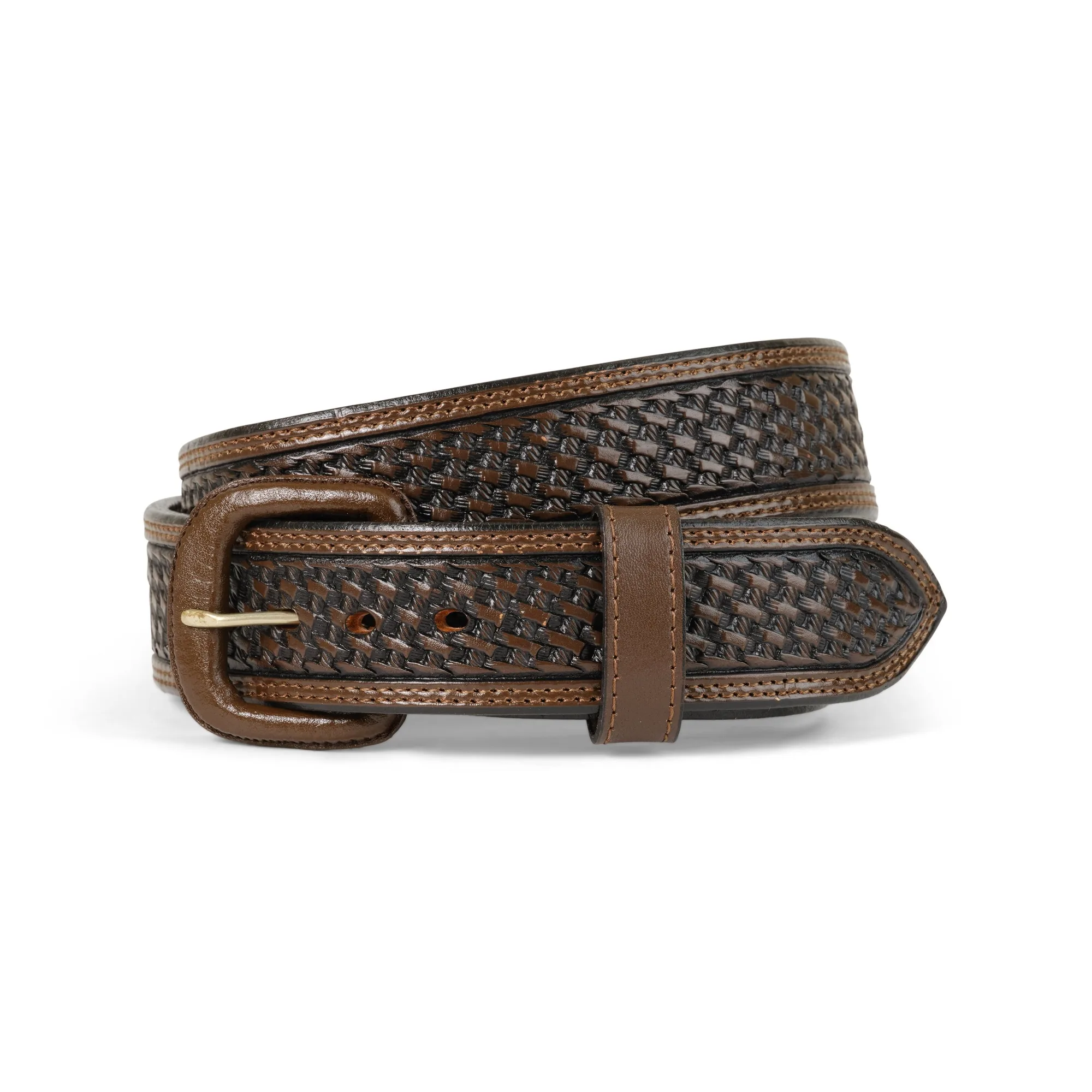
- Basketweave Brown Belt: Crafted with fine-stitched saddle leather and hand-rubbed edges, with a traditional basketweave pattern hand-tooled by Vogt. A durable leather belt that holds its shape, so your tucked field shirt stays neat through a long day.
Cotton field shirts last when you keep heat and agitation low. Wash cold, dry low or air-dry, iron damp, and hang promptly, and the shirt will keep its fit, color, and collar for years of work and wear.