Quick answer
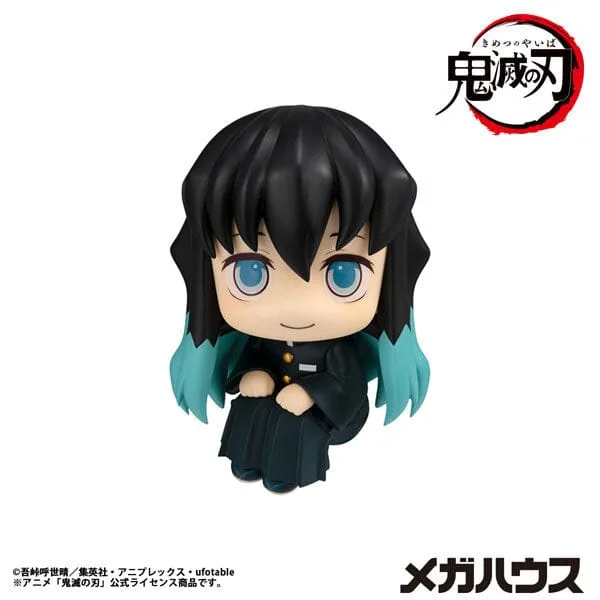
Care for Demon Slayer figures by dusting with a soft brush every two weeks, keeping them out of direct sunlight, handling them only by the base, and storing them padded and upright. Posing should be occasional and gentle so joints and paint stay intact.
Why Demon Slayer figures need a specific routine
Demon Slayer figures often combine matte skin tones, glossy blood effects, and thin sword details. Those finishes age differently: matte areas show dust and fingerprints, while gloss can cloud or craze under heat. A routine that treats every figure the same can dull one part while leaving another untouched.
The bigger risk is not dust itself but how you remove it. Wiping a dry cloth across a painted face drags grit and can leave micro-scratches that catch light. The steps below separate dusting, light control, handling, storage, and posing so each job gets the right tool.
Dusting without scratching paint or clear effects
Use two tools: a soft makeup brush for broad surfaces and a clean, dry microfiber cloth for the base only. Brush downward with light pressure, starting at the head and working toward the feet so dust falls away rather than into crevices. For sword blades and clear effect parts, use a dry brush and never rub; clear plastic scratches easily and cannot be polished back.
Skip canned air on painted faces. The propellant can spit and the force can drive dust into seams. If a figure has been displayed for months, dust it before any deeper cleaning so you are not pushing grit into the paint.
Blocking sunlight and heat damage
Ultraviolet light fades reds and skin tones first, and Demon Slayer figures use a lot of both. Keep shelves out of direct sun and away from windows that receive strong afternoon light. If you cannot move the shelf, use UV-filtering film on the glass or a curtain that stays closed during peak hours.
Heat matters as much as light. A figure near a radiator, space heater, or enclosed glass cabinet in a hot room can soften PVC and cause leaning. Aim for a stable room temperature and leave a gap between the figure and any heat source.
Handling and storage between displays
Handle figures by the base or the most solid part of the body, never by a sword tip, hair strand, or effect piece. Wash and dry your hands first; skin oils dull matte finishes and attract dust. When you store a figure, remove it from the base if the fit is tight, wrap it in acid-free tissue or a soft cloth, and place it upright in a rigid box with padding so parts cannot shift.
Do not store figures in a hot attic, a damp basement, or a sealed bag with no airflow. Humidity can affect paint and metal pins, while heat can warp a stored figure just as easily as a displayed one.
Posing and re-posing without loosening joints
If your figure has swappable parts or articulated joints, change the pose rarely and support the joint while moving it. Push or pull slowly; if a part resists, stop and check for a tab or peg you missed. Repeated force on a stiff joint is what causes looseness, not the act of posing itself.
For non-scale figures with fixed poses, posing means placement, not articulation. Angle the figure so the face catches soft, indirect light and the sword or effect part does not rest against a wall or another figure.
Your Demon Slayer figure care steps
- 1. Set a dusting schedule: Brush every two weeks with a soft makeup brush, working top to bottom. Use a dry microfiber cloth on the base only. Checkpoint: if the brush drags, you are pressing too hard or the figure needs a rinse-free dust first.
- 2. Move the shelf out of direct sun: Relocate figures away from windows or apply UV-filtering film. Keep them clear of radiators and heaters. Checkpoint: if you can feel warmth on the figure after an hour, the spot is too hot.
- 3. Handle by the base: Wash and dry your hands, then lift from the base or a solid body section. Never pull on swords, hair, or clear effects. Checkpoint: if a part flexes while you lift, you are holding the wrong point.
- 4. Store padded and upright: Remove tight bases, wrap in acid-free tissue, and box upright with padding in a stable, dry room. Checkpoint: shake the box gently; if anything moves, add more padding.
- 5. Re-pose rarely and gently: Support the joint, move slowly, and stop if you feel resistance. For fixed figures, adjust placement and lighting instead. Checkpoint: a joint that suddenly feels loose means you forced it; stop and reset.
Product facts that shape care choices
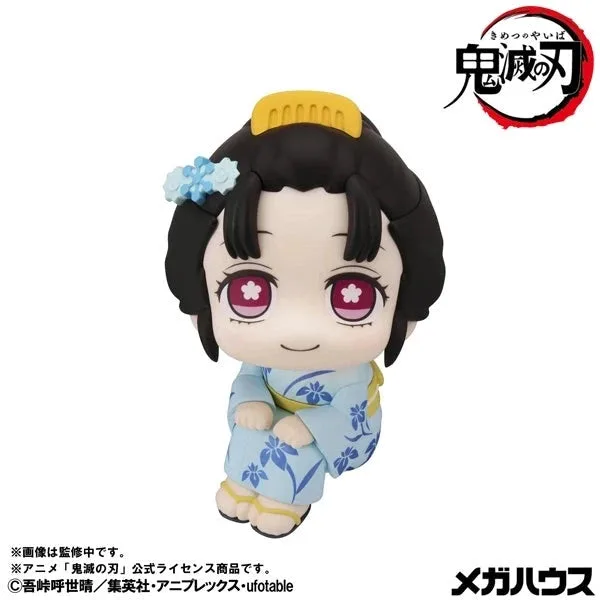
- Shinobu Kocho & Doma Non-scale Figure - Demon Slayer: Kimetsu no Yaiba: Shinobu Kocho & Doma Non-scale Figure - Demon Slayer: Kimetsu no Yaiba is approx. H180mm (non-scale) and includes a display base. The 180mm height and included base mean it can stand safely on a shelf without leaning, but the base is the correct handling point; lifting by the figure itself risks stress on the connection.
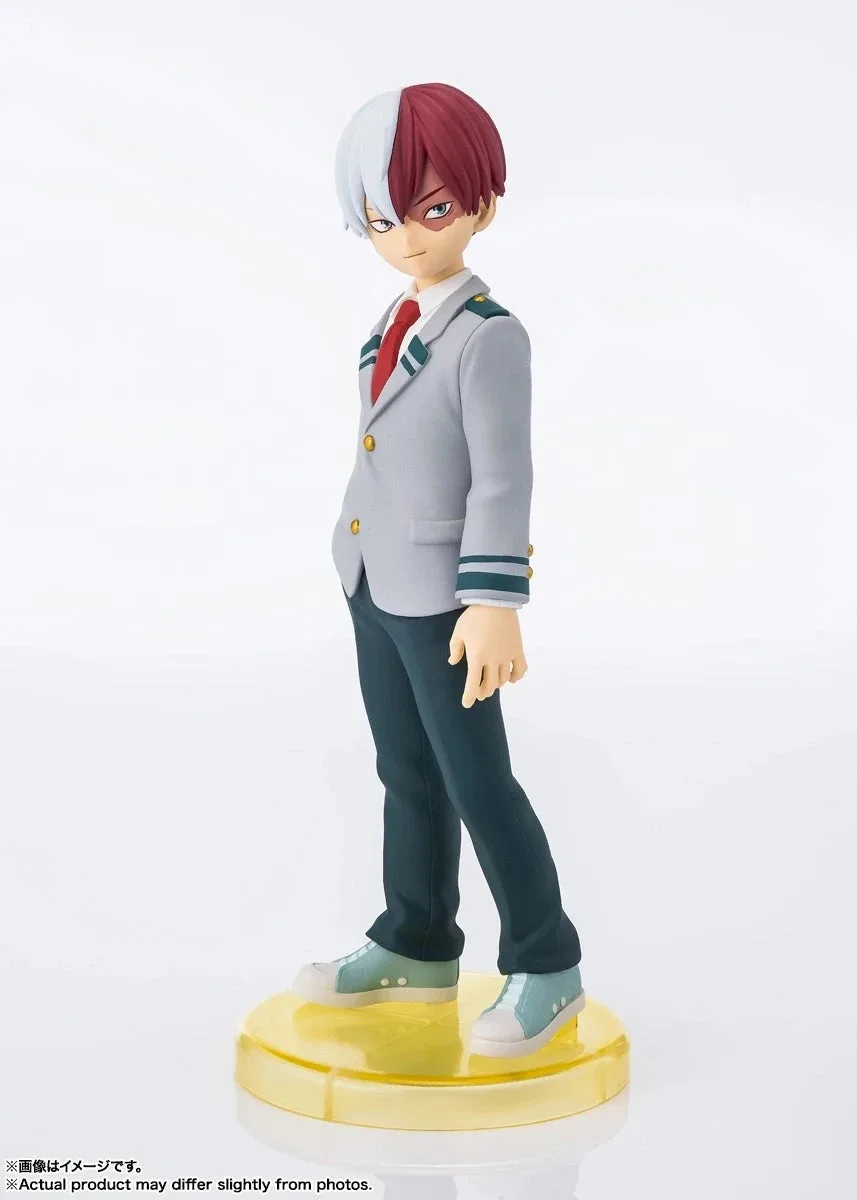
- Shoto Todoroki Adokenette Figure - My Hero Academia: Shoto Todoroki Adokenette Figure - My Hero Academia is approx. H140mm and includes a main figure and display base. A smaller 140mm figure fits in tighter, shaded shelf spots, which helps if you are trying to keep a collection out of direct sunlight.
- MONCOLLÉ Figure Crash Battle Champion: MONCOLLÉ Figure Crash Battle Champion is an interactive Pokémon battle figure from Takara Tomy. Interactive figures get handled more, so dust and skin oils build up faster; a quick brush after each play session prevents grime from settling into joints.