Quick answer
To keep your designer eyewear case in top shape, clean it every few weeks with a soft dry cloth, store it in a dry place away from direct sunlight, and avoid overstuffing it. For leather cases, use a dedicated leather conditioner once a year.
Why case care matters for your frames
A well-maintained case does more than look good. Dust, grit, and moisture inside a case can transfer to your lenses and frames, causing scratches or corrosion over time. Regular care prevents that buildup and extends the life of both the case and your eyewear.
Designer cases often use premium materials like leather or rigid composites that need slightly different handling than basic plastic cases. Knowing the right approach for each material keeps the case functional and presentable.
Common mistakes that shorten case life
Storing a case in a damp bathroom or near a window exposes it to humidity and UV light, which can warp or fade materials. Leaving a case in a hot car can soften adhesives or warp the shape. Overstuffing the case—putting two pairs in a single slot—stresses the hinges and closure.
Another frequent error is using household cleaners or alcohol wipes on the interior lining. Harsh chemicals can break down the fabric or leather, leaving residue that transfers to lenses.
How to care for your designer eyewear case in 5 steps
- Step 1: Empty and inspect the case weekly: Open the case and shake out any dust, lint, or grit. Check the interior lining for loose threads, peeling, or debris. For cases with a magnetic closure (like the Andy Wolf Case), look for metal shavings near the magnet. A quick weekly inspection catches problems before they damage your frames.
- Step 2: Clean the exterior with a soft cloth: Use a microfiber or soft cotton cloth slightly dampened with water (not wet). Wipe the exterior in one direction to remove smudges and dust. For leather cases, apply a small amount of pH-balanced leather cleaner once a month. Avoid alcohol, bleach, or abrasive pads. Never soak the case or use harsh cleaners—they can ruin the finish and lining.
- Step 3: Clean the interior lining carefully: Turn the case inside out if possible. Use a dry, soft brush (like a clean makeup brush) to gently lift dust from the lining. For stubborn spots, dab with a barely damp cloth and let the lining air-dry completely before using the case again. Moisture trapped in the lining can cause mold or tarnish on metal frames.
- Step 4: Condition leather cases annually: If your case is made of genuine leather (common for premium brands like Lindberg), apply a small amount of leather conditioner once a year. Test on a hidden area first. Rub in a thin layer with a soft cloth, then buff gently. This prevents cracking and keeps the leather supple. Skip conditioning if the case is synthetic leather—it can make the surface sticky.
- Step 5: Store the case properly when not in use: Keep the case in a cool, dry place away from direct sunlight and heat sources. Do not stack heavy items on top. If storing multiple cases, place them side by side rather than nested. For long-term storage, keep the case slightly open to avoid compressing the lining. A well-stored case stays functional and ready to protect your eyewear for years.
Designer cases featured in this guide
-
Lindberg Case: The Lindberg Eyewear Case has a rigid exterior that shields against impacts and pressure, and is designed for bespoke titanium spectacles. Its rigid shell means you should avoid stacking heavy objects on top of it, and the interior lining needs gentle cleaning to protect the precision frames it holds.
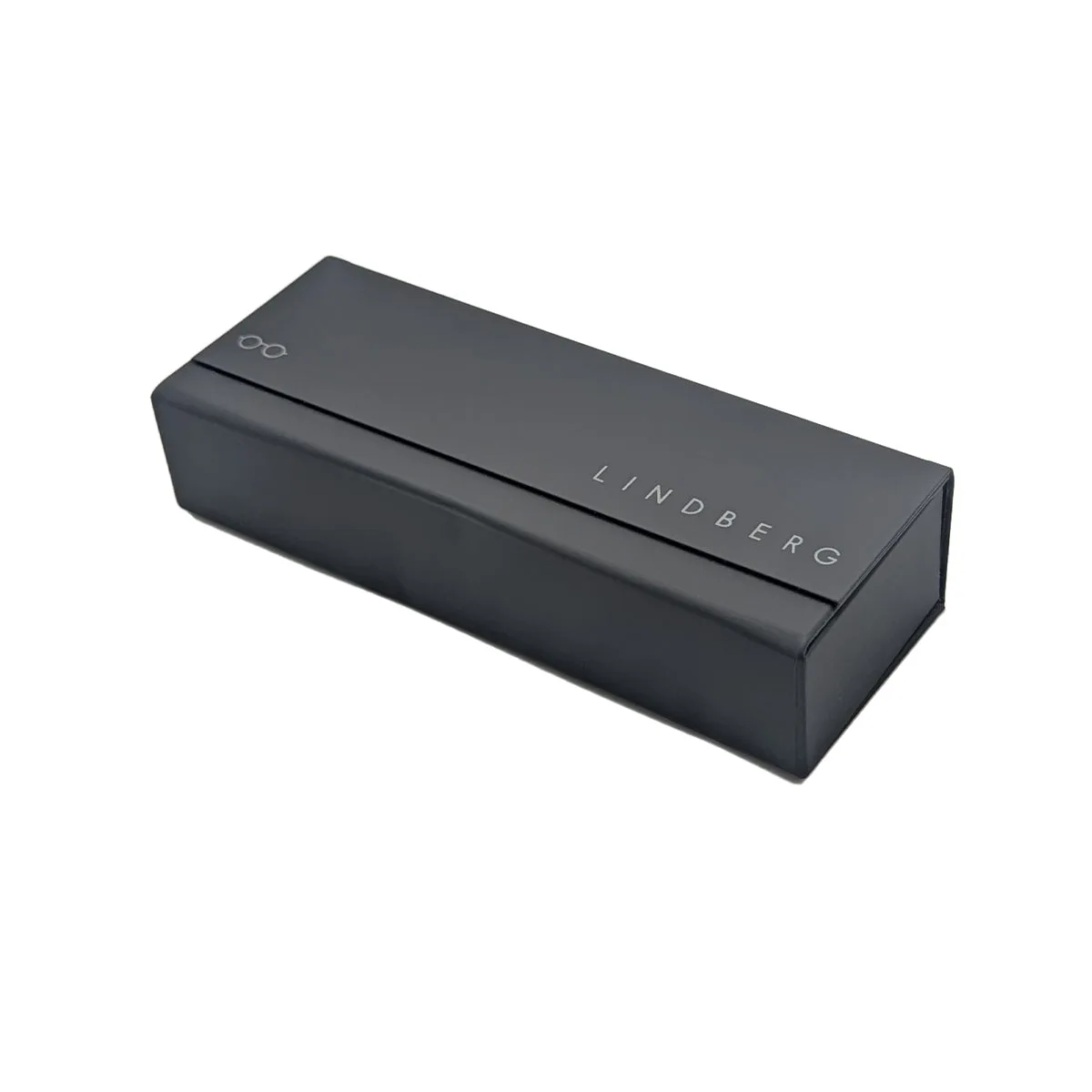
Lindberg Case
-
Andy Wolf Case: The Andy Wolf Case uses a magnetic closure and is built to preserve luxury frames for years. The magnetic closure can attract metal dust or debris over time, so you should wipe the closure area periodically with a dry cloth to keep it working smoothly.
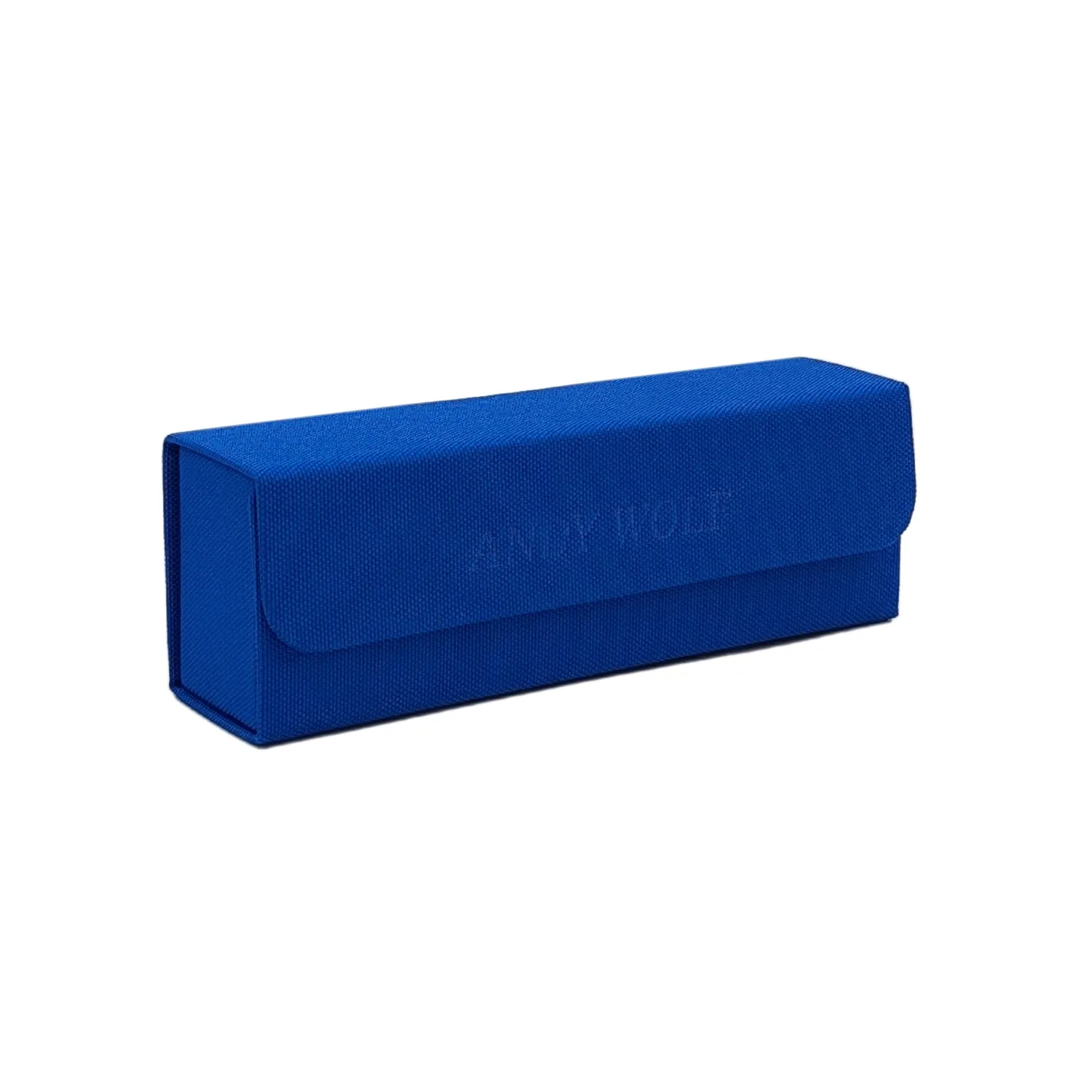
Andy Wolf Case