Quick answer
Clean dolls and action figures with the gentlest method that works: dust with a soft brush or microfiber cloth first, then spot-clean with a barely damp cloth and mild soap only where needed. Never soak a figure or submerge a doll with rooted hair, glued-on parts, or electronics. Dry completely before storing in a cool, dark, dust-free bin with acid-free tissue between painted surfaces.
Most damage to dolls and action figures doesn't come from play — it comes from cleaning and storage. Hot water lifts paint, harsh cleaners dull plastic, tight rubber bands leave permanent grooves, and a sunny shelf fades colors faster than a decade of adventures.
This routine works whether you're tidying a child's collection or looking after display pieces. It's ordered from safest to most aggressive, so you can stop as soon as the toy is clean. The same logic applies to hard plastic animal figurines, which share the same paint and material concerns.
Start with dry dusting before anything gets wet
Dust is abrasive. If you wipe a dusty figure with a damp cloth, you grind grit across the paint and leave fine scratches that never buff out. Begin with a soft makeup brush, a clean paintbrush, or a microfiber cloth, working from the top down and letting dust fall away rather than pressing it in.
Pay attention to the places dust hides: hair parting lines, joint seams, the gap between a cape and shoulders, and the underside of bases. A dry, soft toothbrush reaches into molded texture without scratching. Checkpoint: if your cloth comes away clean, you may not need to go any further.
- Keep one brush reserved for cleaning only — a brush that has touched paint or solvent can transfer it later.
- Work over a tray so small accessories don't disappear down a drain.
Spot-clean plastic bodies with minimal moisture
For sticky residue or fingerprints, dampen a microfiber cloth with lukewarm water and a drop of mild dish soap, wring it out until it's barely damp, and wipe one small area at a time. Rinse the cloth and wipe again with plain water, then dry immediately with a soft towel.
Avoid alcohol, acetone, and abrasive cleaners on painted plastic. They can strip factory paint, cloud clear parts, and weaken the plastic itself. If a stain won't lift with mild soap, stop — a stubborn mark is usually less damaging than the chemical that removes it.
- Never submerge a figure with electronics, batteries, glued joints, or fabric elements.
- Test any cleaner on the underside of a base or an inconspicuous back panel first.
Handle doll hair with cool water and patience
Doll hair care is where most collections get ruined. Use cool water and a small amount of mild shampoo, working from the ends upward. Never brush wet hair from the roots down — that stretches and snaps fibers. Detangle with a wide-tooth comb starting at the tips, then work toward the scalp in small sections.
Rinse thoroughly with cool water and blot, don't rub, with a towel. Air-dry at room temperature, reshaping the hair while damp. Skip heat tools entirely: high heat can melt synthetic fibers into a permanent frizz. If the hair is glued or rooted into a vinyl head, keep water off the scalp seam as much as possible.
- A little conditioner on synthetic hair can reduce frizz, but rinse it out completely.
- For tight curls, wrap small sections around a pencil while damp and let them dry in place.
Clean fabric clothing separately
Remove clothing, capes, and soft accessories before cleaning the figure itself. Most doll outfits are small enough to hand-wash in cool water with mild soap, then press between towels to remove water and lay flat to dry. Check any care label first — some outfits have glued trim or printed details that don't survive a wash.
Velcro is the quiet enemy of doll clothing. It snags knits, tights, and hair every time it's opened. Close Velcro tabs before washing and before storage so they can't grab anything else in the bin.
- Skip the dryer — heat shrinks small garments and melts synthetic trim.
- Store tiny shoes and accessories in a labeled zip bag so they don't migrate.
Store for the long term, not just for tonight
Doll storage should protect against four things: dust, light, heat, and pressure. Choose a lidded plastic bin or a cotton bag, keep it out of direct sun and away from attics and garages where temperatures swing, and avoid stacking heavy items on top of figures. Pressure is what warps limbs and flattens hair.
For display pieces, pose them loosely rather than in extreme action stances — constant tension at a joint eventually loosens it. If you're storing several figures together, wrap each in acid-free tissue or a cotton cloth so painted surfaces don't rub against each other.
- Don't seal figures in airtight bags while any moisture remains — trapped damp causes mold and metal corrosion.
- Label bins by collection or character so you don't have to dig through everything to find one piece.
The 7-step doll and action figure care routine
- 1. Clear the workspace: Lay down a clean towel and gather a soft brush, microfiber cloths, mild soap, cool water, and a tray for loose accessories. Checkpoint: if you're missing the tray, small hands and feet will roll off the table.
- 2. Remove everything removable: Take off clothing, capes, hats, weapons, and any snap-on parts before cleaning the body. Common mistake: cleaning around attached accessories and trapping water underneath them.
- 3. Dust dry, top to bottom: Use a soft brush or dry microfiber cloth on hair, joints, and molded texture, letting dust fall away instead of pressing it in. Checkpoint: if the figure looks clean now, stop here — moisture is optional.
- 4. Spot-clean with a barely damp cloth: Use lukewarm water with a drop of mild soap, one small area at a time, then wipe with plain water and dry immediately. Common mistake: soaking the whole figure and letting water sit in joint seams.
- 5. Treat hair with cool water only: Wash with mild shampoo, comb from the ends upward with a wide-tooth comb, rinse cool, blot, and air-dry while reshaping. Checkpoint: no heat tools, no brushing from the roots, no hot water.
- 6. Wash fabric separately and dry flat: Hand-wash clothing in cool water with mild soap, press out water between towels, and lay flat to dry with Velcro closed. Common mistake: tumble drying small garments and shrinking or melting the trim.
- 7. Store cool, dark, and unpressed: Place figures in a lidded bin or cotton bag with acid-free tissue between painted surfaces, out of sunlight and away from temperature swings. Checkpoint: nothing heavy stacked on top, and nothing sealed while still damp.
What this looks like on real figures
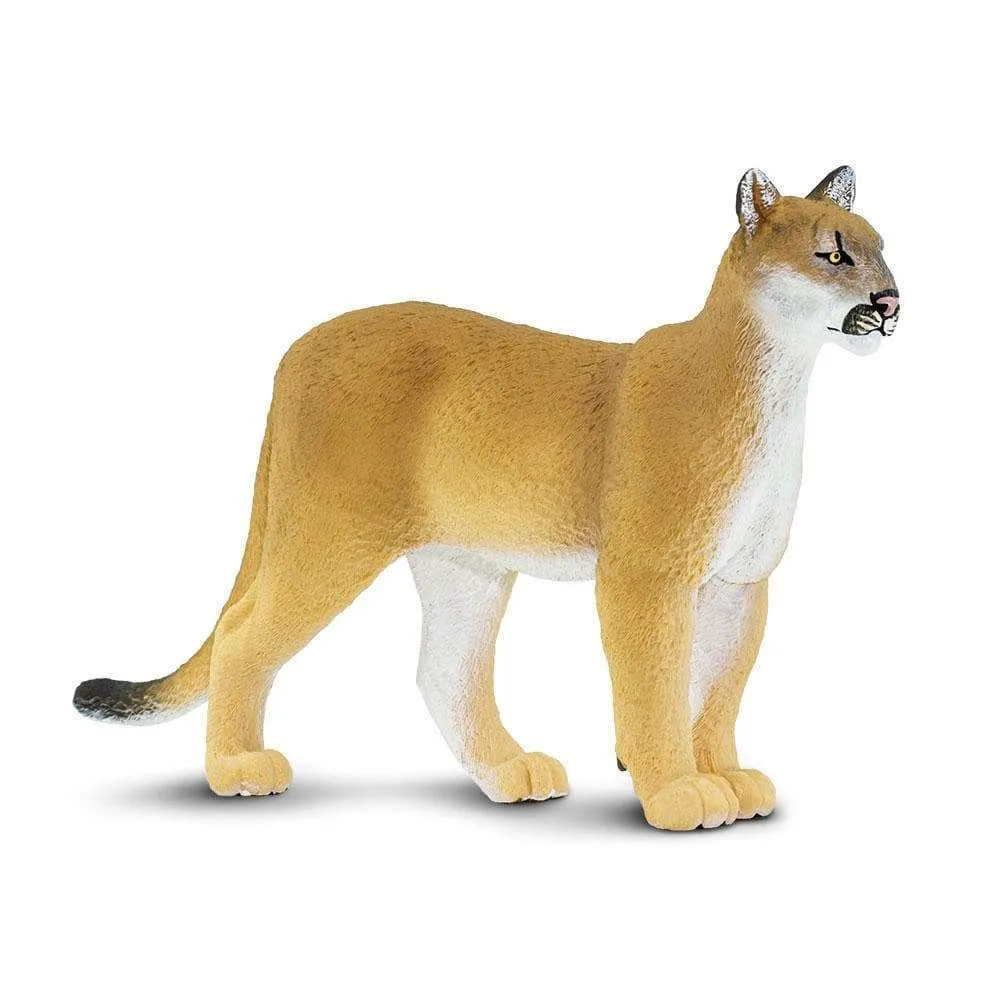
- Florida Panther Toy: The Florida panther is an extremely endangered subspecies of Puma concolor, found only in southern Florida, with a population that may number just 160 animals. A figure tied to a real, fragile species is worth keeping in display condition — dust it dry and store it out of sunlight so the paint stays true for years.
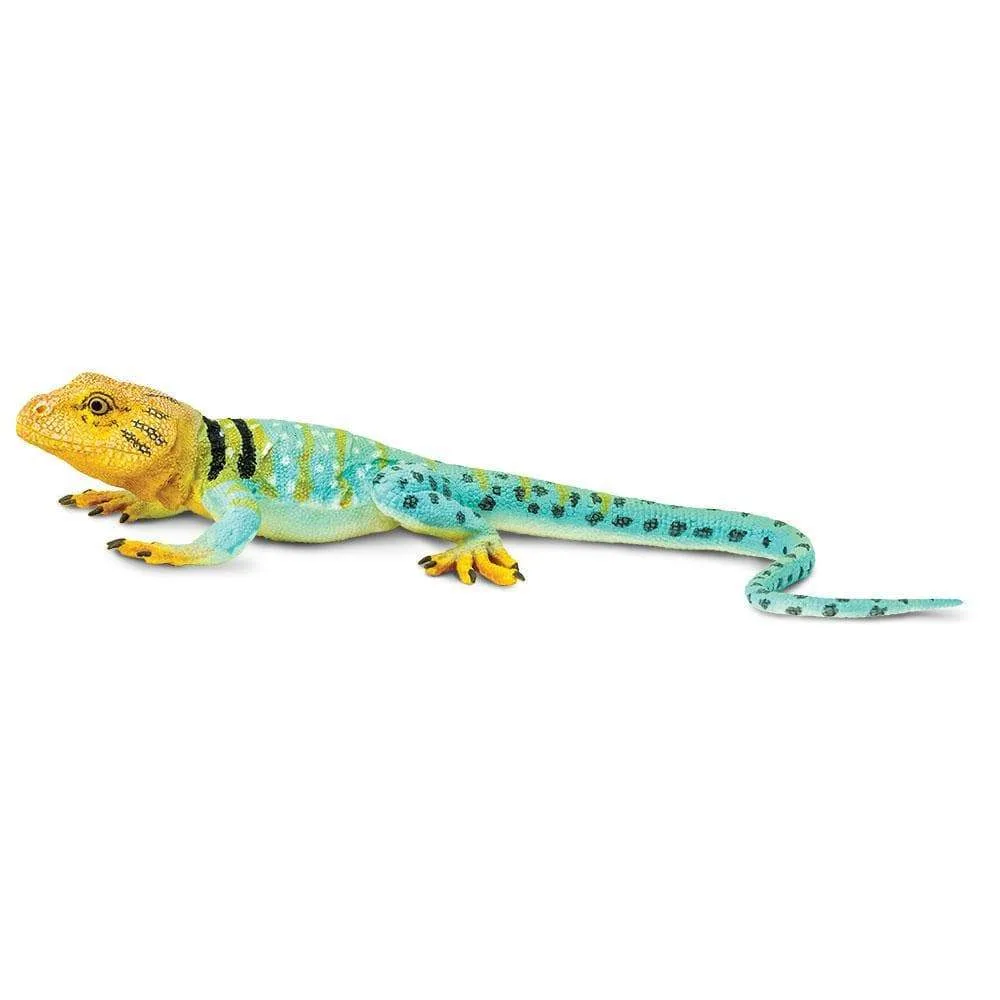
- Collared Lizard Toy: The collared lizard is named for the unique band around its neck and can run on its hind legs at speeds of nearly 20 mph. Molded details like that neck band and the textured scales are exactly where dust settles — a dry soft brush cleans them without dulling the color.
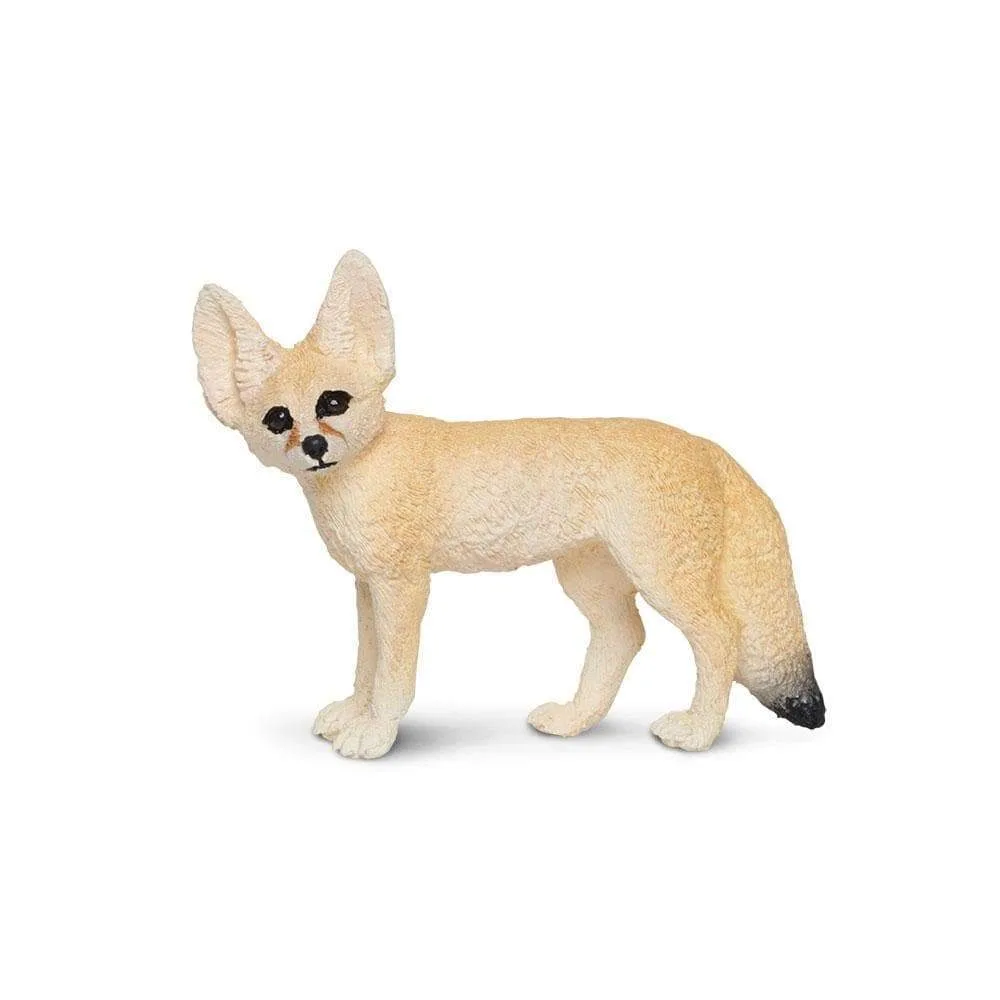
- Fennec Fox Toy: The fennec fox is the smallest species in the family Canidae, with enormous ears so sensitive they can hear prey moving underground. Thin, protruding parts like oversized ears are the first thing to bend or snap, so store this figure loose rather than packed tight against heavier toys.
The whole routine takes a few minutes per figure and costs nothing beyond a soft brush and a clean cloth. Clean dry first, use water sparingly, treat hair with cool water and patience, and store pieces so nothing presses on them — that's what keeps paint, joints, and hair intact for the next owner, whether that's a collector or a kid.