Glasslock containers are a staple in eco-friendly kitchens, thanks to their durable borosilicate glass and airtight lids. While the glass bodies are virtually indestructible, the lids require a bit more attention to maintain their seal and longevity. Proper lid care not only keeps your food fresh but also saves you money by delaying the need for replacements.
In this guide, we'll walk you through the best practices for cleaning, storing, and handling your Glasslock lids, ensuring they serve you well for years to come. Whether you're dealing with stubborn stains or wondering if your lids are dishwasher safe, we've got you covered.
Why Lid Care Matters
The lid is the unsung hero of your Glasslock container. It creates the airtight seal that keeps leftovers fresh, prevents leaks, and locks in flavors. Over time, improper care can lead to warped seals, cracked plastic, or lingering odors—compromising the container's performance.
By investing a few minutes in proper lid maintenance, you can extend the life of your lids and avoid the cost and waste of frequent replacements. Plus, well-maintained lids ensure your food stays safe and delicious.
- A tight seal prevents spills and keeps food fresh longer.
- Damaged lids can harbor bacteria and affect food quality.
Cleaning Your Glasslock Lids: Hand Washing vs. Dishwasher
One of the most common questions we hear is, 'Are Glasslock lids dishwasher safe?' The answer is yes, but with caveats. While the lids are technically dishwasher safe, the high heat and harsh detergents can accelerate wear and tear on the plastic and silicone seals. Over time, this can cause warping and a looser fit.
For best results, we recommend hand washing your lids in warm, soapy water. Use a soft sponge to gently clean the underside, paying special attention to the silicone gasket where food particles can get trapped. Rinse thoroughly and allow them to air dry completely before storing.
- If you do use the dishwasher, place lids on the top rack and avoid the heated dry cycle.
- Remove the silicone gasket periodically for a deeper clean.
Removing Stains and Odors from Lids
Tomato sauce, curry, and other strongly colored foods can leave stubborn stains on plastic lids. To tackle these, create a paste of baking soda and water and gently scrub the affected area. For odors, a solution of white vinegar and water works wonders—soak the lid for 15-20 minutes, then rinse.
Sunlight is also a natural stain remover. Place the lids in direct sunlight for a few hours to help fade stains and neutralize odors. This is an eco-friendly and cost-effective method that many Glasslock users swear by.
- Avoid using abrasive scrubbers that can scratch the plastic.
- For persistent odors, try a mixture of lemon juice and baking soda.
Proper Storage to Prevent Warping and Damage
How you store your lids can significantly impact their lifespan. Stacking heavy containers on top of lids can cause them to bend or warp, breaking the seal. Instead, store lids upright in a drawer or on a dedicated organizer. If you must stack them, place a soft cloth between each lid to prevent scratches.
Also, avoid exposing lids to extreme temperatures. While the glass containers are oven safe, the lids are not. Never place a lid in the oven, microwave, or under a broiler, as high heat can deform the plastic and ruin the seal.
- Keep lids away from direct heat sources like stovetops or ovens.
- Consider using a lid organizer to keep them flat and accessible.
When to Replace Your Glasslock Lids
Even with the best care, lids will eventually wear out. Signs that it's time for a replacement include cracks, a loose fit, or a persistent odor that won't go away. A compromised seal not only affects food freshness but can also lead to spills in your bag or fridge.
Glasslock offers replacement lids for most of their container sizes, including round and rectangle options. For example, you can find round lids that fit many of our popular containers. Replacing a lid is more eco-friendly than buying a whole new set, and it's budget-friendly too.
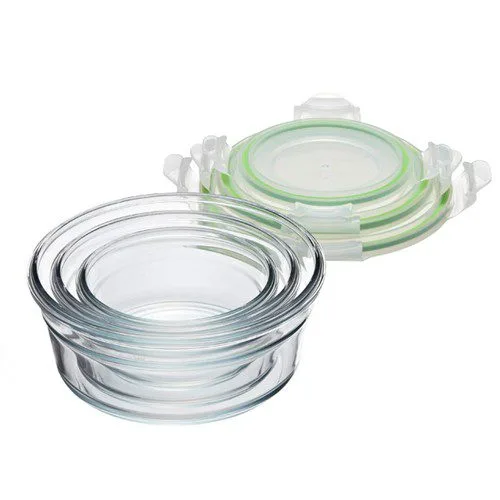
round lids
- Check the seal regularly by filling the container with water and turning it upside down.
- If you notice any deformation, it's time to order a new lid.
Tips for Extending Lid Lifespan
To get the most out of your Glasslock lids, follow these simple habits: always let lids cool to room temperature before washing, avoid using metal utensils that can scratch, and never microwave with the lid on—unless it's specifically designed for that purpose.
Additionally, consider rotating your lids if you have multiple containers. This ensures even wear and helps you identify any that need attention. By incorporating these practices into your routine, you'll keep your lids in top shape for years.
- Air dry lids completely before storing to prevent mold growth.
- Use a soft cloth to dry them instead of letting them air dry on a rack.
Caring for your Glasslock lids is simple and rewarding. With a little attention, you can extend their lifespan, save money, and reduce waste. For those times when a replacement is necessary, explore our selection of round lids to find the perfect fit for your containers. Remember, a well-maintained lid is the key to a perfectly sealed, eco-friendly kitchen.