Quick answer
Hand wash lace bras and delicate underwear in cool water with a gentle detergent, then press—never wring—the water out. Lay them flat to dry away from direct heat and sunlight. This simple routine protects stretch fibers and lace structure, so your pieces keep their shape and fit for years.
Lace bras and delicate underwear are built from fine yarns and stretch fibers that respond poorly to heat, agitation, and harsh chemicals. A few minutes of mindful care after each wear prevents stretched bands, snagged lace, and faded color. The payoff is a bra that still fits and feels comfortable long after the first wear.
This guide walks through a step-by-step care routine you can build into your week. It covers washing, drying, and storing lace pieces, plus what to do when you are short on time. You will also see how specific Bradelis New York styles—like the Jasmine Shaping Bra and the Lace Daily Sleep Panty—benefit from these habits.
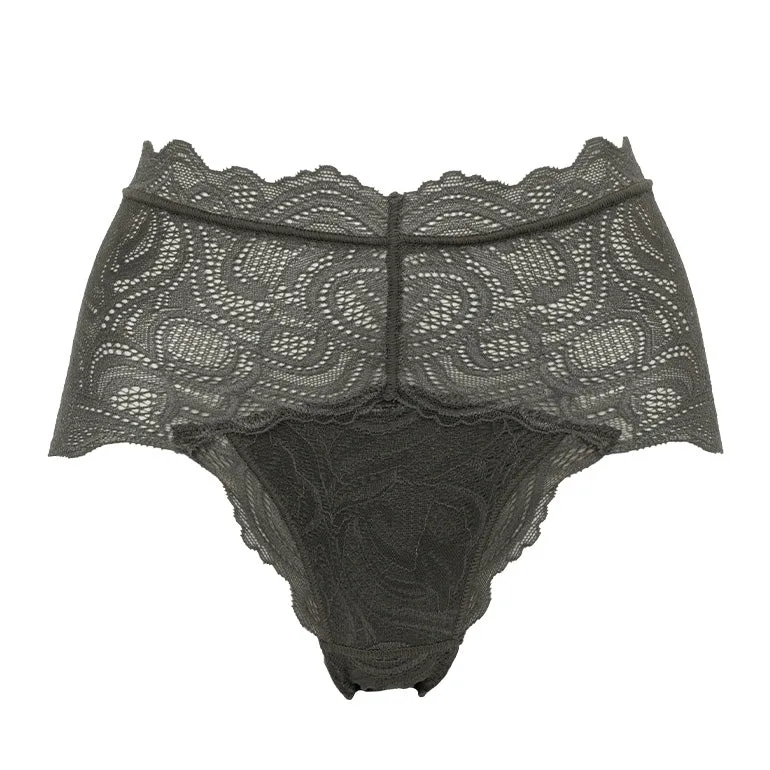
Lace Daily Sleep Panty
Why lace and delicate fabrics need different care
Lace is not a single fabric; it is a structured openwork textile made from fine threads. Those threads can be nylon, polyester, cotton, or blends, and they are often combined with elastane for stretch. When you machine wash on a normal cycle, the drum’s agitation and hot water can break down elastane, cause lace to fray, and distort the bra’s underwire channels or band.
Delicate underwear, including thongs and panties with lace panels, faces similar risks. The cotton gusset may tolerate more heat, but the surrounding lace and trim will not. Treating all delicate pieces with the same gentle method keeps the whole garment wearable. If a care label says hand wash, follow it—labels exist because the manufacturer knows the limits of the materials.
- Check the care label first; it is the most reliable guide for that specific piece.
- Separate lights and darks to prevent dye transfer, especially with new lace.
Step 1: Sort and pretreat
Before washing, close all hooks and eyes on bras to prevent them from snagging lace or other garments. Remove any removable pads or inserts. Sort your delicate items separately from heavier cottons, towels, or denim. If you notice deodorant buildup or light staining on the band or underarm area, pretreat it with a tiny amount of gentle detergent and a soft brush.
A common mistake is skipping this step and tossing everything into one load. Even if you plan to hand wash, sorting prevents color bleeding and keeps you from accidentally washing a lace thong with a rough zipper. Take an extra minute to check for loose threads or small tears—catching them now avoids a bigger repair later.
- Use a soft-bristle brush or your fingertips; never scrub lace with a stiff brush.
- Do not use chlorine bleach or fabric softener, which can degrade elastic fibers.
Step 2: Hand wash in cool water
Fill a clean sink or basin with cool water and add a small amount of gentle detergent formulated for delicate fabrics. Submerge the bras and underwear and gently squeeze the suds through the fabric for about one to two minutes. Avoid twisting, wringing, or rubbing lace against itself. For stubborn areas like the underband, use your fingertips to work the suds in gently.
If you must machine wash, use a mesh lingerie bag and select the delicate cycle with cold water and a low spin speed. Even then, hand washing is safer for lace. The Jasmine Shaping Bra, for example, has a 100% cotton lining and a wide underwire; hand washing helps preserve the cup shape and the wire casing. Rinse thoroughly with cool water until no suds remain.
- Never let delicate items soak for more than 15 minutes.
- If the water looks cloudy after rinsing, repeat with fresh cool water.
Step 3: Remove water without wringing
After rinsing, gently press the garment against the side of the sink to release excess water. Do not wring or twist—this is the fastest way to stretch lace and bend underwires. For bras, you can also lay them on a clean, dry towel, roll the towel up, and press down to absorb moisture. This method removes water without stressing the fabric.
For thongs and panties, the same press-and-roll technique works. If you are washing multiple pieces, keep them separate so they do not tangle. A common mistake is hanging a wet bra by its straps; the weight of the water can stretch the straps and distort the band. Always handle wet lace with flat, open palms rather than pinching or pulling.
- Skip the spin cycle entirely if hand washing; it is too rough.
- If a bra has molded cups, reshape them gently with your hands before drying.
Step 4: Dry flat and away from heat
Lay bras and delicate underwear flat on a clean, dry towel or a mesh drying rack. If you are drying a bra, position it so the cups keep their natural shape—do not fold them. For thongs and panties, lay them flat with the waistband relaxed. Keep everything out of direct sunlight and away from radiators, space heaters, or hair dryers. High heat breaks down elastane and can yellow white lace.
Delicate bra drying takes longer than machine drying, often overnight. If you need the item sooner, point a fan at room temperature across the room—never directly at the garment—to speed evaporation. A common checkpoint: the item should feel completely dry before you wear it or put it away. Even slight dampness can encourage mildew and weaken fibers over time.
- Never hang a wet bra by its straps; lay it flat or hang it by the center gore.
- If you must hang, use a padded hanger and support the band, not the cups.
Step 5: Store to keep lace shape
Once fully dry, store bras stacked with cups nested—one cup inside the other—to hold their shape. Do not fold cups in half or cram them into a drawer. For thongs and panties, fold them loosely and keep them separate from rough fabrics or hardware like zippers and buttons. If you have drawer dividers, use them to prevent snags.
The Lace Daily Sleep Panty, with its flexible lace and cotton-lined crotch, benefits from flat storage because the lace can catch on other items. A dedicated lingerie drawer or a soft pouch keeps lace smooth and prevents pulls. If you are short on space, hang bras on a multi-tier hanger, but make sure the straps are not stretched. Rotate your pieces so no single bra gets worn day after day.
- Avoid storing delicate items in damp bathrooms or direct sunlight.
- Use a lingerie bag for travel to protect lace from suitcase hardware.
Your 5-step lace care routine
- Sort and pretreat: Close hooks, remove pads, and separate delicates from heavy fabrics. Pretreat any deodorant buildup with a dot of gentle detergent. Checkpoint: no rough items like zippers or hooks are in the same wash load.
- Hand wash in cool water: Use a gentle detergent and cool water. Gently squeeze suds through the fabric for 1–2 minutes, then rinse until the water runs clear. Mistake to avoid: never soak for more than 15 minutes or use hot water.
- Press out water: Press the garment against the sink or roll it in a towel to absorb moisture. Do not wring or twist. Checkpoint: the item feels damp, not dripping, before you lay it flat.
- Dry flat away from heat: Lay bras and panties flat on a towel or mesh rack. Keep them out of direct sun and away from radiators or hair dryers. Mistake to avoid: hanging a wet bra by its straps, which stretches them.
- Store with shape in mind: Nest bra cups and store flat. Keep lace away from rough fabrics and hardware. Rotate your pieces to avoid daily wear on one bra. Checkpoint: bras hold their cup shape and lace lies smooth in the drawer.
Bradelis pieces that reward gentle care
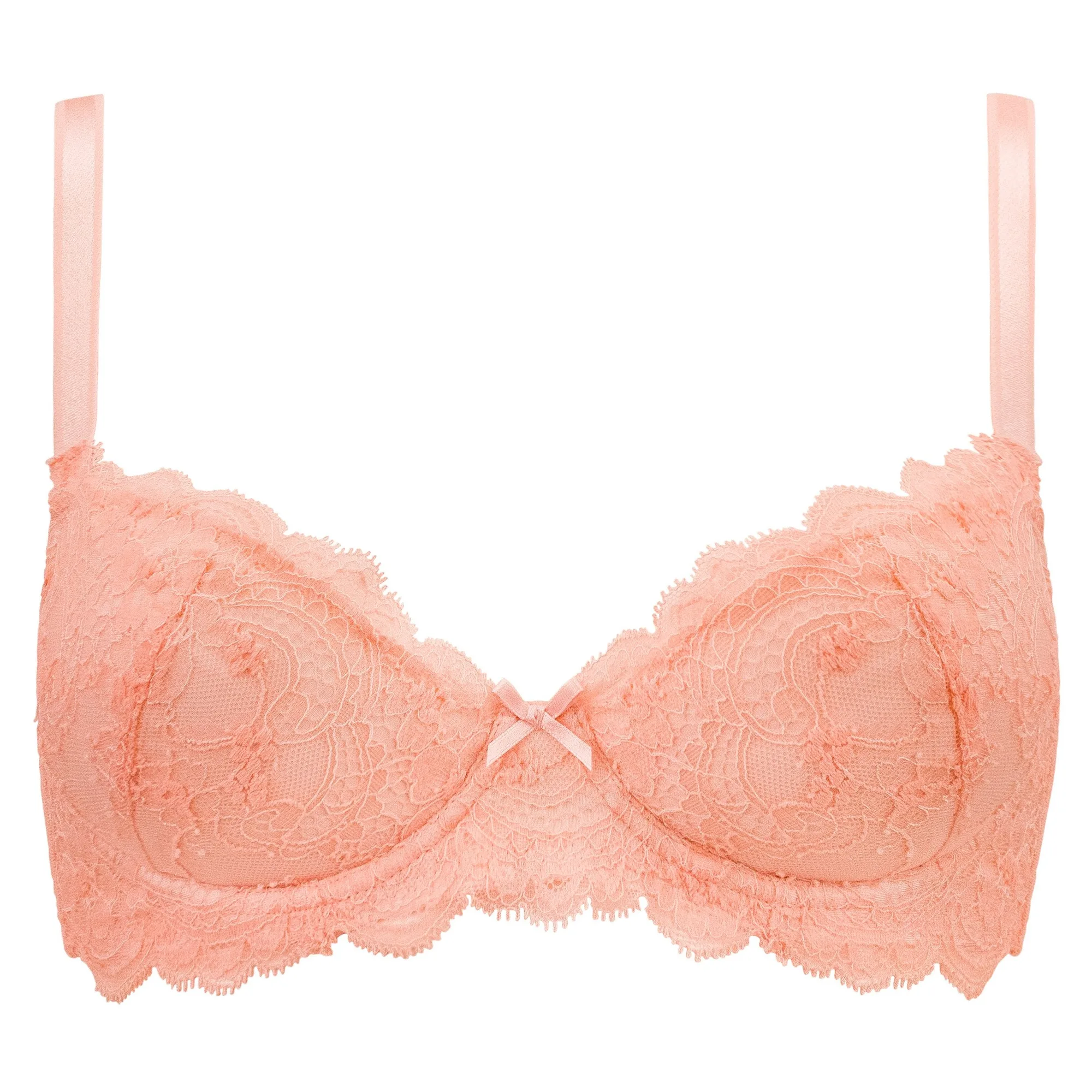
- Jasmine Shaping Bra (B-E Cup Sizes): Wide underwire and soft, plush cups offer an enhanced shape and comfort for daily use; made in Japan with a 100% cotton lining. Hand washing preserves the plush cup shape and the wide underwire casing, so the bra keeps its supportive fit.
- Lace Daily Sleep Panty: Crafted from flexible lace with a low cut for hip coverage and a cotton-blend lining at the front and crotch. The delicate lace and cotton lining stay smooth and intact when washed by hand and dried flat, avoiding snags and shrinkage.
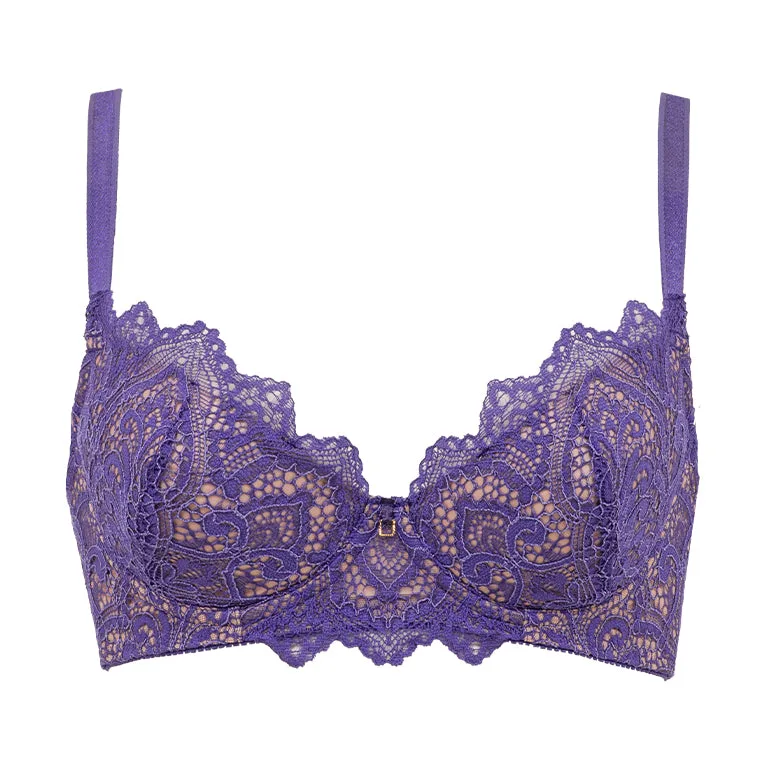
- Wendy Smoothing Shaping Bra 23A2: Constructed with durable Raschel lace and a three-dimensional damask pattern; wider side bone and U-back design smooth back and underarm bulges. Gentle washing protects the Raschel lace structure and the side bones, helping the smoothing effect last through many wears.
Caring for lace bras and delicate underwear is mostly about avoiding heat, agitation, and rough handling. Hand washing in cool water, pressing out moisture, and drying flat takes a few extra minutes but keeps lace intact and stretch fibers alive. Make this routine a habit, and your Bradelis pieces will fit and feel better for much longer.