Quick answer
Hand wash lingerie in cool water with a gentle detergent, then press out moisture in a towel and air dry flat away from heat. Store pieces folded in a drawer rather than hung, and rotate what you wear so elastics and lace recover between wears. This routine is the simplest way to extend lingerie life without special equipment.
Lingerie fails early for predictable reasons: heat, friction, and the wrong detergent. A bra that loses its stretch or a lace trim that snags after a few washes usually wasn't worn out — it was washed out. The fix isn't complicated, but it does require a routine you'll actually follow.
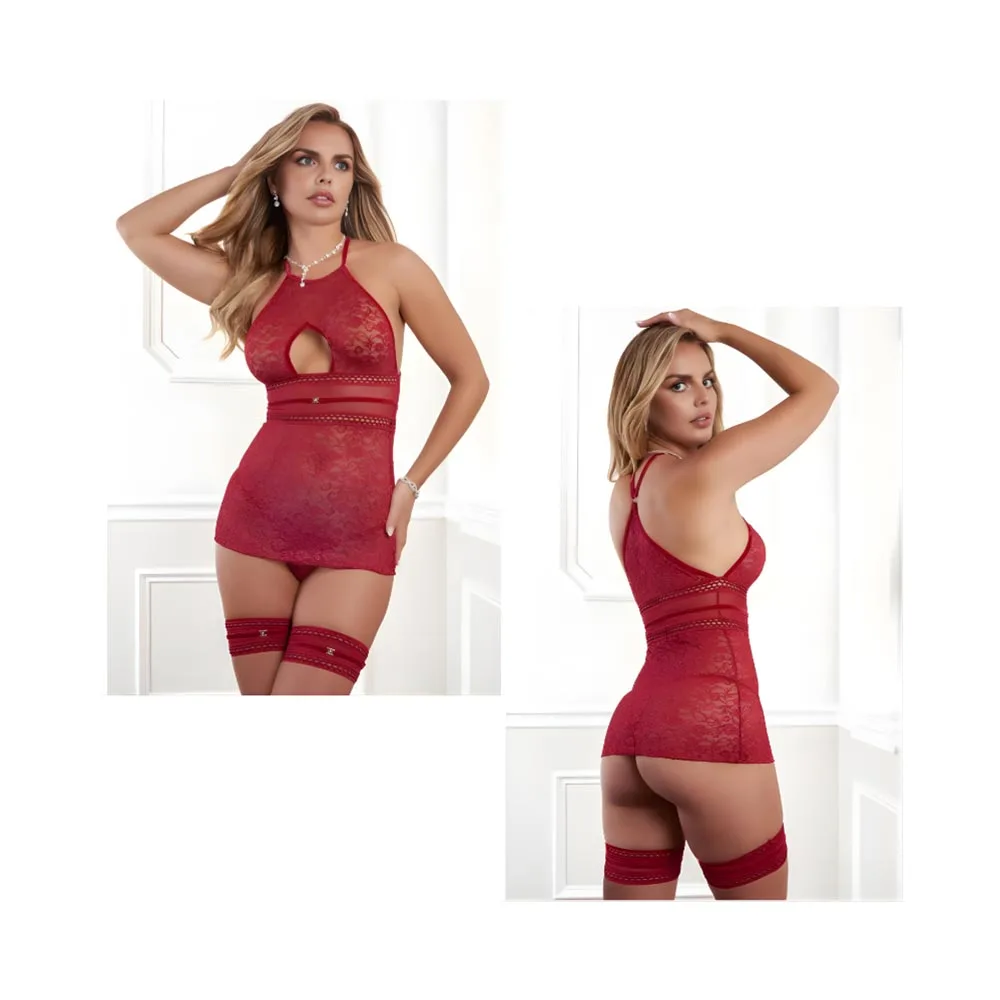
This guide walks through seven steps, from sorting to storage, with the common mistake to avoid at each stage. It works for everyday pieces and special-occasion sets alike, and it takes less time than a load of laundry. If you're caring for a specific piece like the Lingerie July Black Bottom, the same steps apply.

Lingerie July Black Bottom
Why lingerie needs different care than everyday laundry
Lingerie is built from delicate fabrics and elastic components that break down faster than cotton T-shirts. Heat from a dryer and agitation from a washing machine weaken spandex and nylon, while harsh detergents strip the natural oils that keep lace and silk feeling soft. Even a mesh bag in a machine cycle adds friction that can pull hooks and straps out of shape.
That doesn't mean you need to baby every piece. It means matching the method to the material: hand washing for lace, silk, and anything with underwire or molded cups, and a gentle machine cycle only for sturdy cotton or synthetic basics. When in doubt, hand wash — it's the safer default and takes only a few minutes.
- Check the care label first; if it says dry clean only, follow that.
- Never wring or twist lingerie to remove water — it distorts elastic.
What you need before you start
You don't need a specialty kit. A clean sink or basin, cool water, and a gentle detergent — ideally a lingerie wash or a fragrance-free liquid formulated for delicates — cover most situations. Avoid bleach, fabric softener, and enzyme-heavy detergents, which can degrade elastic and leave residue on lace.
Have a clean towel ready for blotting and a drying rack or flat surface for air drying. If you're washing more than one piece, keep a small mesh bag on hand for hardware like hooks and adjusters so they don't tangle. A dedicated lingerie bag also keeps pieces separate if you ever use a machine on a gentle cycle.
- Skip fabric softener — it coats fibers and reduces stretch recovery.
- Use a detergent labeled for delicates or baby clothes if you don't have lingerie wash.
Step 1: Sort by fabric and color
Separate lights from darks and, more importantly, delicate fabrics from sturdy ones. Lace, silk, and mesh should never share a wash with cotton or anything with zippers, hooks, or rough seams. Even in a hand-wash basin, a stray hook can snag lace in seconds.
Sorting also lets you spot problems before washing: a loose seam, a bent underwire, or a missing hook. Fixing or setting those aside first prevents a small issue from becoming a ruined piece. If a bra has a broken underwire, don't wash it — repair or retire it.
- Wash whites and lights together, but only if they're all delicate fabrics.
- Check hooks and eyes for bends before washing; close them to prevent snags.
Step 2: Hand wash in cool water
Fill a basin with cool water and add a small amount of gentle detergent — usually a teaspoon is enough. Submerge the lingerie and gently squeeze the suds through the fabric for about three to five minutes. Don't scrub, rub, or leave pieces soaking; prolonged soaking can weaken fibers and cause colors to bleed.
For stubborn spots, apply a dab of detergent directly and work it in with your fingertips. Rinse with cool water until it runs clear. If you're hand washing a molded-cup bra, support the cup shape with your palm while rinsing so it doesn't fold or crease.
- Never use hot water — it sets stains and shrinks elastic.
- If the water turns gray or soapy after rinsing, rinse once more.
Step 3: Remove water without wringing
Lift the lingerie out of the water and lay it on a clean, dry towel. Roll the towel up gently with the piece inside and press down to absorb excess water. This is the step most people rush, and it's where distortion happens: wringing or twisting stretches lace and bends underwires.
For padded or molded cups, reshape them with your hands before drying so they hold their form. If you're washing multiple pieces, blot them separately rather than piling them together, which can transfer dye from darker items to lighter ones.
- Press, don't twist — treat the towel like a sponge, not a wringer.
- Reshape cups and straps before laying flat to dry.
Step 4: Air dry flat, away from heat
Lay lingerie flat on a drying rack or a clean towel in a well-ventilated area. Direct sunlight and radiators are the enemy here: UV light fades colors, and heat breaks down elastic over time. If you must hang a piece, use a padded hanger and avoid clipping straps, which can leave marks and stretch them out.
Drying time depends on fabric weight. Lace and mesh dry in a few hours; padded bras and silk may take overnight. Don't put anything away until it's completely dry — trapped moisture encourages mildew and weakens fibers.
- Never put lingerie in a dryer, even on low heat.
- If a piece still feels cool or damp, give it more time.
Step 5: Store folded, not hung
Hanging bras by their straps is a common mistake — gravity stretches the elastic and the straps lose their snap. Instead, fold bras in half at the center and stack them in a drawer, or use a drawer organizer to keep cups from crushing. Lace and silk pieces should be folded flat and kept away from rough surfaces like zippers or Velcro.
For sets, store the bottom with the top so you can grab both at once. If you're short on drawer space, a soft pouch or a dedicated lingerie box works well. Avoid plastic bins for long-term storage; fabrics need to breathe, and trapped moisture can cause musty odors.
- Fold bras at the center gore; never hang by the straps.
- Keep a separate pouch for delicate lace or silk to prevent snags.
Step 6: Rotate and rest your pieces
Elastic needs time to recover between wears. Wearing the same bra two days in a row speeds up stretch and wear, so rotate at least three bras in a weekly routine. The same goes for delicate panties — giving them a rest day between wears helps them hold their shape longer.
Rotation also gives you a chance to inspect pieces regularly. Check for loose threads, stretched bands, or faded color, and address small repairs before they become unwearable. A tiny stitch now can add months to a favorite piece.
- Aim for a three-bra rotation to let elastic recover.
- Inspect after each wear; small repairs prevent bigger damage.
Step 7: Handle stains and odors promptly
The longer a stain sits, the harder it is to remove. Rinse immediately with cool water — never hot, which sets protein stains. For deodorant buildup or body oils, a drop of gentle detergent and a soft toothbrush can lift residue without damaging fabric. Avoid rubbing aggressively, especially on lace.
For odors, a short soak in cool water with a tablespoon of white vinegar can help, followed by a normal hand wash. Don't use vinegar on silk or anything with metal hardware, as it can dull finishes. If a stain persists after two attempts, it's usually set — don't keep treating it, as repeated agitation causes more harm than the stain itself.
- Rinse stains immediately with cool water.
- Skip vinegar on silk or metal hardware.
Your 7-step lingerie care routine at a glance
- Sort by fabric and color: Separate lace, silk, and mesh from sturdy cotton and hardware. Check hooks and seams before washing. Checkpoint: if a piece has a bent underwire or loose hook, repair or set it aside — don't wash it.
- Hand wash in cool water: Use a teaspoon of gentle detergent in cool water. Gently squeeze suds through for 3–5 minutes, then rinse until clear. Mistake to avoid: never use hot water or leave pieces soaking.
- Remove water without wringing: Lay the piece on a towel, roll gently, and press to absorb moisture. Reshape cups and straps. Checkpoint: if you're twisting or wringing, stop — you're stretching the elastic.
- Air dry flat away from heat: Lay flat on a rack or towel in a ventilated area. Keep out of direct sun and away from radiators. Mistake to avoid: never use a dryer, even on low.
- Store folded, not hung: Fold bras at the center and stack in a drawer. Keep delicate pieces in a soft pouch or separate compartment. Checkpoint: if you're hanging by the straps, switch to folding to preserve elastic.
- Rotate and rest your pieces: Aim for a three-bra rotation so elastic recovers between wears. Inspect after each wear for small repairs. Next step: set aside one day a month to check all pieces and mend loose threads.
- Treat stains and odors promptly: Rinse stains immediately with cool water. For odors, a short cool soak with a tablespoon of white vinegar helps — but skip vinegar on silk or metal hardware. Checkpoint: if a stain persists after two gentle attempts, stop treating it to avoid fabric damage.
Kemmi pieces and how they fit this routine
- Lingerie July Black Bottom: Made from a comfortable black fabric designed to be chic and wearable for everyday or special occasions. Black fabric hides minor stains and wear well, but it still needs cool-water hand washing to prevent fading and elastic breakdown. Follow the same seven steps to keep the color deep and the fit true.
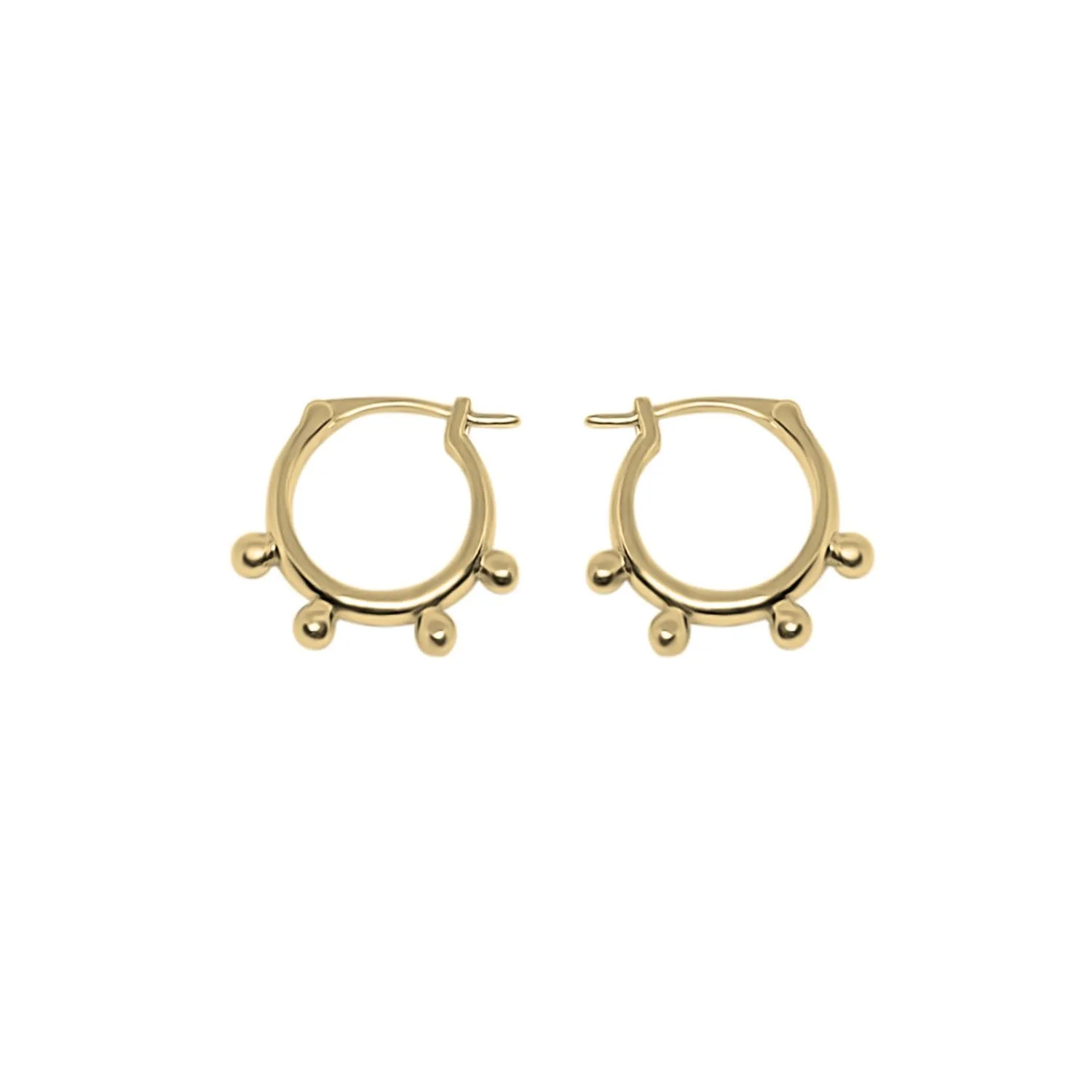
- Dotted Hoops Earrings: Available in gold vermeil or silver with a simple circle-and-dots design for everyday or special occasions. If you store lingerie in a drawer, keep jewelry like these hoops in a separate pouch or compartment. Metal can snag lace and mesh, and the same care you take with jewelry storage protects your lingerie from pulls.
Lingerie lasts longer when you treat it like the delicate garment it is: cool water, gentle detergent, no wringing, no dryer, and smart storage. The seven steps above take a few extra minutes per wash and pay off in pieces that keep their shape, color, and stretch for years. Start with your most-worn set and build the habit from there.