Quick Answer
To make your nursing bras last, hand wash them in cold water with a gentle detergent, avoid the dryer, and store them flat or hanging by the center gore. Rotate between at least two bras to let elastic recover, and replace them when they lose support or shape.
Nursing bras work hard: they support changing breast tissue, withstand frequent unclipping, and endure daily wear. Yet many are ruined by careless washing or drying. With a few simple habits, you can keep them comfortable and supportive for months longer.
Whether you have a seamless everyday style or a lace full-cup bra, the care principles are the same. Here’s a step-by-step guide to washing, drying, and storing your nursing bras so they keep doing their job.
Why Nursing Bras Need Special Care
Nursing bras contain delicate elastics, molded cups, and special nursing clips that can be damaged by harsh washing and high heat. Elastic fibers break down when stretched while wet or exposed to heat, losing their ability to support. The clips can also warp or weaken if twisted in a machine.
Additionally, your skin and breast tissue are sensitive postpartum. Using gentle detergents and thorough rinsing helps prevent irritation for both you and your baby. Proper care also preserves the shape and fit that make a nursing bra effective.
- Always fasten the clips before washing to prevent snagging.
- Use a mesh laundry bag if you must machine wash.
How to Wash Your Nursing Bras
Hand washing is the safest method. Fill a basin with cold or lukewarm water and add a mild detergent specifically for delicates. Submerge the bra and gently squeeze the soapy water through the fabric—avoid scrubbing or twisting. Let it soak for 10–15 minutes, then rinse thoroughly in clean water until no soap remains.
If you prefer machine washing, use the delicate cycle with cold water and place the bra in a mesh bag. Always fasten the hooks first to prevent them from catching on other items. Skip fabric softeners and bleach, as these can break down elastic and irritate sensitive skin.
- Check the care label on your bra for specific instructions.
- Consider using a dedicated delicates detergent to protect fibers.
Drying Without Damage
Never put nursing bras in the dryer. The heat destroys elastic and can warp molded cups, shrinking or misshaping the bra. Instead, gently press out excess water with a clean towel—avoid wringing, which twists the fabric and damages the cups.
Lay the bra flat on a drying rack or a dry towel in a well-ventilated area, reshaping the cups while it dries. Avoid hanging by the straps, as the weight of water can stretch them. Allow it to air dry completely before wearing to prevent mildew and maintain shape.
- Reshape the cups and band while the bra is damp.
- If you must speed up drying, use a fan or air conditioner, not heat.
Storing Nursing Bras Correctly
How you store your nursing bras affects their longevity. Fold them flat, one cup inside the other, and place them in a drawer without stacking heavy items on top. This prevents the cups from becoming misshapen and the underwire from bending.
If you have limited drawer space, you can hang bras by the center gore (the fabric between the cups) rather than by the straps. Hanging by the straps stretches them over time. Keep bras away from direct sunlight and heat sources, which can fade colors and degrade elastic.
- Store bras in a dedicated compartment or box to avoid crushing.
- For lace or delicate styles, consider individual fabric pouches.
Step-by-Step Nursing Bra Care Routine
- Prepare the Bra: Fasten the hooks and close any clips to prevent them from catching. If machine washing, place the bra in a mesh laundry bag. Checkpoint: Ensure all hooks and clips are secure to avoid snags.
- Wash in Cold Water: Hand wash with a gentle detergent, or machine wash on delicate with cold water. Avoid bleach and fabric softeners. Checkpoint: Rinse until water runs clear to remove all soap residue.
- Dry Flat: Gently press out excess water with a towel, then lay the bra flat on a drying rack. Reshape the cups while damp. Never wring or tumble dry—heat and twisting damage elastic and cups.
- Store Properly: Fold the bra flat with one cup inside the other, or hang by the center gore. Avoid direct sunlight and heat. Checkpoint: Rotate between at least two bras to allow elastic to recover between wears.
Caring for Your Hotmilk Nursing Bras
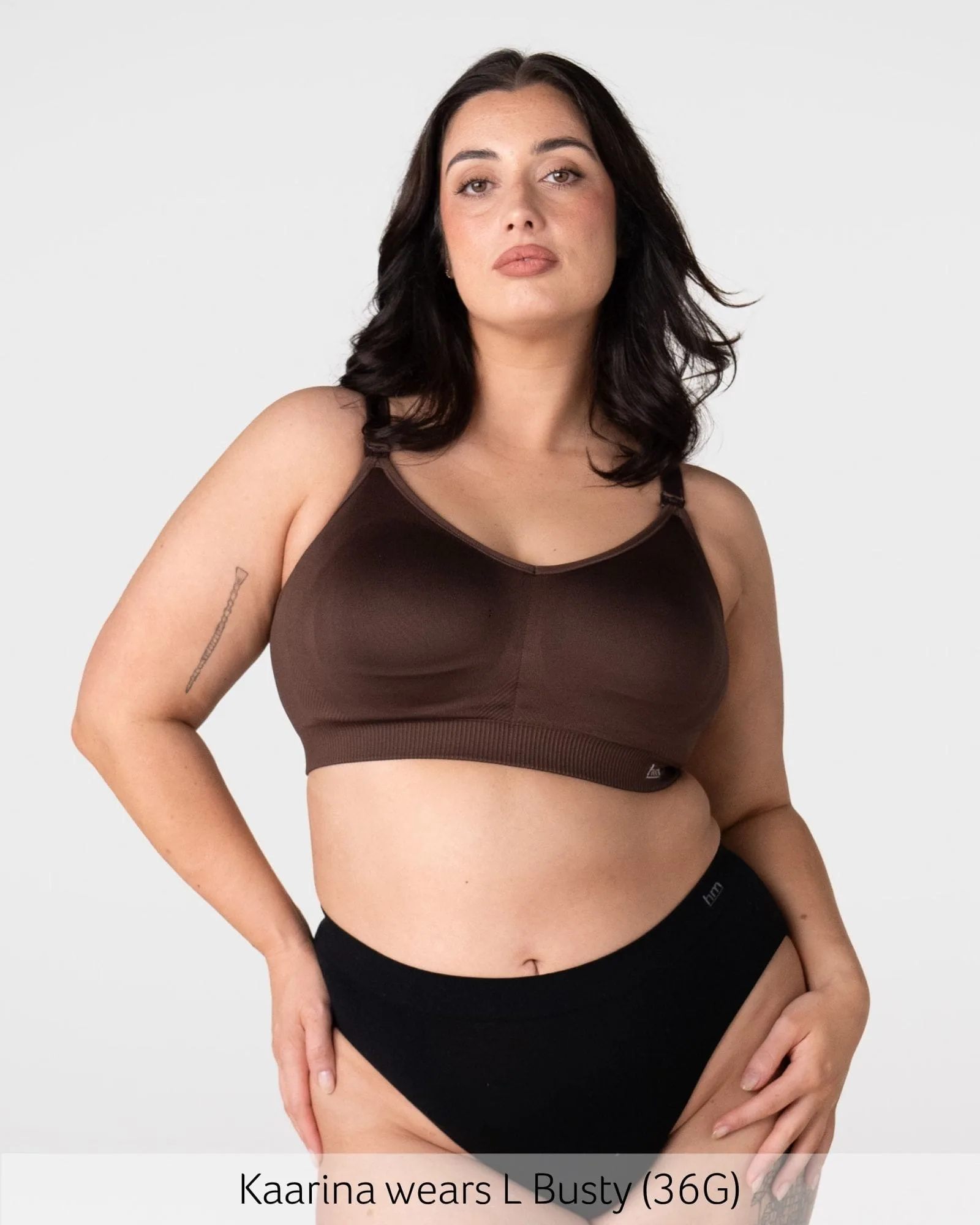
- My Everyday FlexFit Nursing Bra - Chocolate Busty: Made from recycled nylon with moulded unpadded cups and targeted support zones for fuller busts (G-M cups). This seamless wirefree style benefits from gentle washing to preserve its recycled nylon fibers and targeted support zones. Avoid fabric softeners to maintain elasticity and the double-layer back smoothing.
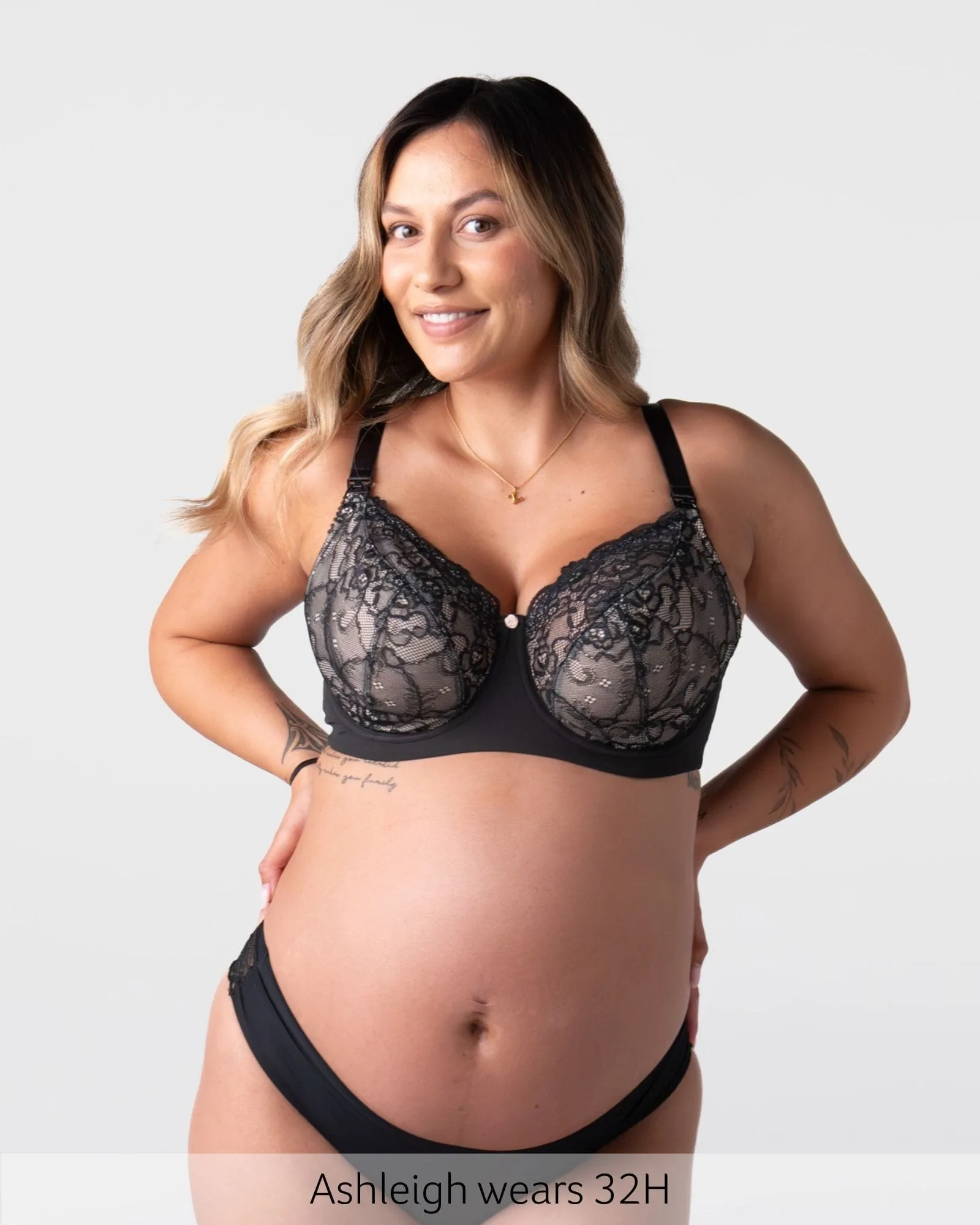
- Temptation Full Cup Nursing Bra - Black: Crafted with luxurious lace and cotton-lined cups for secure flexiwire shaping and full-coverage confidence, designed for fuller busts up to M cup. Lace and flexiwire require hand washing and flat drying to prevent snagging and wire distortion. Proper care keeps the lace looking elegant and maintains the lift and support you need.
With these simple care habits, your nursing bras will stay supportive, comfortable, and looking good for longer. Proper washing, drying, and storage not only protect your investment but also ensure you have reliable support throughout your breastfeeding journey. Treat your bras well, and they'll treat you well in return.