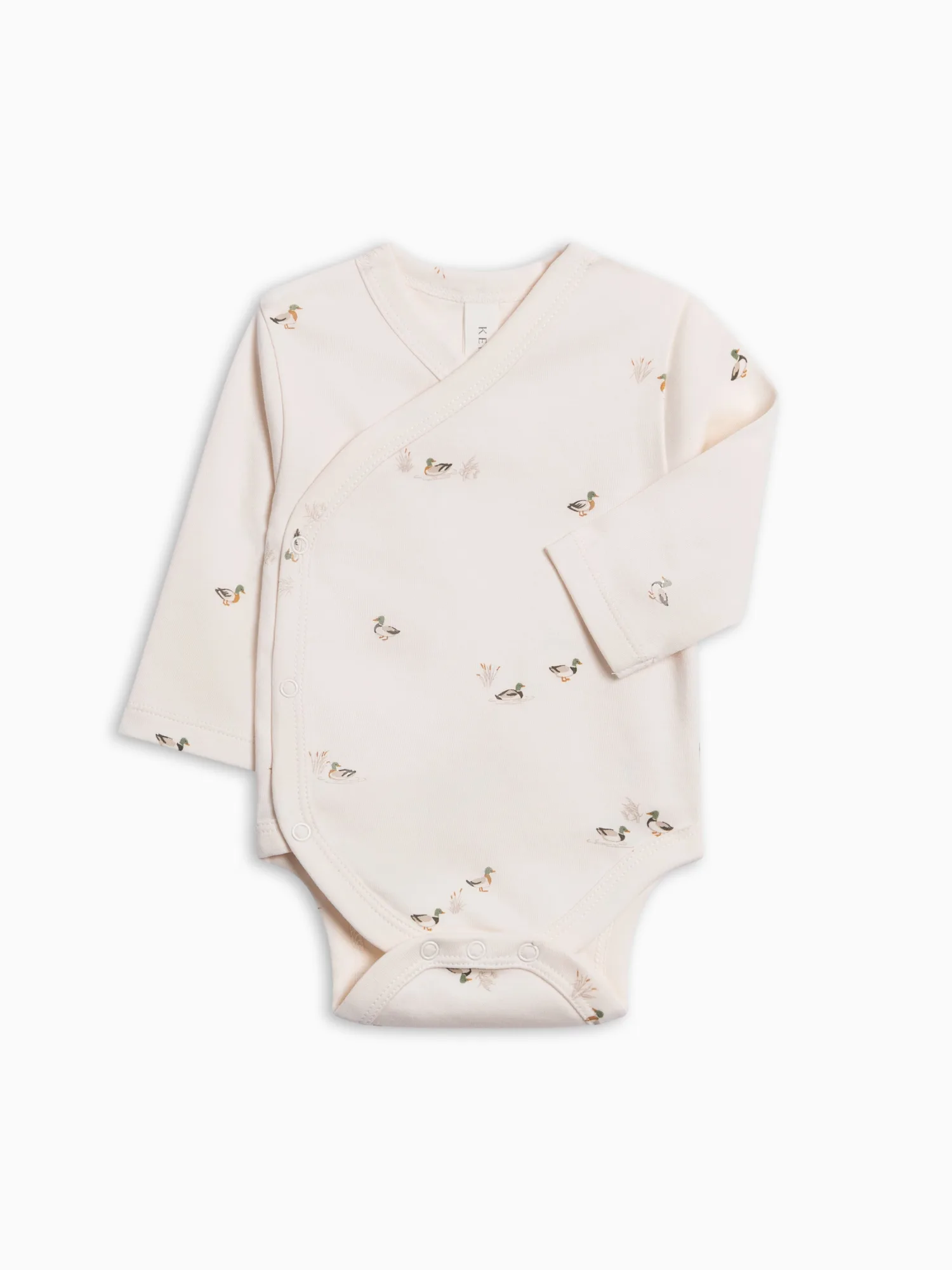
Quick Answer
To care for organic baby clothes, wash them in cold or warm water with a gentle, plant-based detergent, avoid bleach and fabric softeners, and air-dry or tumble dry low. For stains, treat them quickly with a gentle stain remover and always check the care label first.
Organic cotton baby clothes are soft, breathable, and free from harsh chemicals, making them gentle on your baby's delicate skin. But to keep them that way, you need to wash them properly. Unlike conventional fabrics, organic cotton benefits from a little extra care to maintain its softness and shape.
In this guide, we'll walk you through the best practices for washing and drying organic baby clothes, share effective stain removal techniques, and explain why choosing the right detergent matters. Whether you're new to organic fabrics or just looking for a refresher, these tips will help your baby's wardrobe last longer and stay comfortable.
Why Organic Cotton Needs Special Care
Organic cotton is grown without synthetic pesticides or fertilizers, and it's processed with eco-friendly dyes and finishes. This makes it safer for your baby's skin and the environment, but it also means the fibers are less treated than conventional cotton. As a result, organic cotton can be more prone to shrinkage and fading if washed improperly.
The good news is that with a few simple habits, you can keep organic baby clothes looking and feeling great. Always read the care label on each garment—some items, like those with special trims or accessories, may have specific instructions. When in doubt, opt for a gentle cycle and cold water.
- Check the care label on every new garment before washing.
- Sort clothes by color and fabric weight to avoid damage.
- Wash new organic clothes separately for the first few washes to prevent dye transfer.
Choosing the Right Detergent
The detergent you use plays a big role in preserving organic cotton. Look for a plant-based, fragrance-free detergent that is specifically formulated for baby clothes or sensitive skin. Avoid detergents with optical brighteners, synthetic fragrances, or harsh enzymes, as these can irritate your baby's skin and break down the natural fibers over time.
You don't need to use a lot of detergent—in fact, using too much can leave residue that makes clothes feel stiff and less absorbent. Follow the manufacturer's dosage instructions, and consider an extra rinse cycle to ensure all soap is removed.
- Choose a detergent labeled 'free and clear' to minimize irritants.
- Avoid fabric softeners; they coat fibers and reduce breathability.
- If you use a natural stain remover, test it on a hidden area first.
Washing and Drying Techniques
When washing organic baby clothes, turn them inside out to protect the outer surface from friction. Use cold or warm water (hot water can cause shrinkage) and select a gentle cycle if your machine has one. For heavily soiled items, you can pre-treat stains before washing.
After washing, air-drying is the gentlest option for organic cotton. If you use a dryer, choose a low heat setting and remove clothes while they're still slightly damp to minimize wrinkles and shrinkage. Avoid hanging heavy items like footed sleepers by the feet, as this can stretch them out—lay them flat to dry instead.
- Zip up zippers and fasten snaps before washing to prevent snags.
- Use a mesh laundry bag for small items like socks and mittens.
- Reshape wet garments and lay them flat to dry for best results.
Effective Stain Removal for Baby Clothes
Baby clothes are bound to get stained—from spit-up to food to diaper blowouts. The key is to treat stains as soon as possible. Start by rinsing the stained area with cold water to remove any excess. Then, apply a gentle stain remover or a small amount of liquid detergent directly to the stain and gently rub it in.
Let the stain remover sit for 10-15 minutes before washing. For tough stains like formula or fruit, you may need to repeat the process or soak the garment in cold water with a bit of detergent. Avoid using hot water on protein-based stains like milk or formula, as it can set the stain.
- Blot stains with a clean cloth instead of rubbing, which can spread them.
- For stubborn stains, try a paste of baking soda and water.
- Always air-dry stained items to check if the stain is gone before using heat.
Step-by-Step Care Routine
- Pre-treat stains immediately: Rinse the stained area with cold water, apply a gentle stain remover or liquid detergent, and let it sit for 10-15 minutes before washing. Checkpoint: For protein stains, avoid hot water as it can set the stain.
- Wash with the right detergent and cycle: Use a plant-based, fragrance-free detergent and select a gentle cycle with cold or warm water. Turn clothes inside out and fasten closures to prevent snags. Checkpoint: Avoid fabric softeners and bleach, which can damage organic fibers.
- Dry with care: Air-dry organic clothes when possible, or use a low-heat dryer setting. Remove items while slightly damp and lay them flat to finish drying to minimize shrinkage. Checkpoint: Always check that stains are fully removed before using heat, as heat can set remaining stains.
Products That Make Care Easier
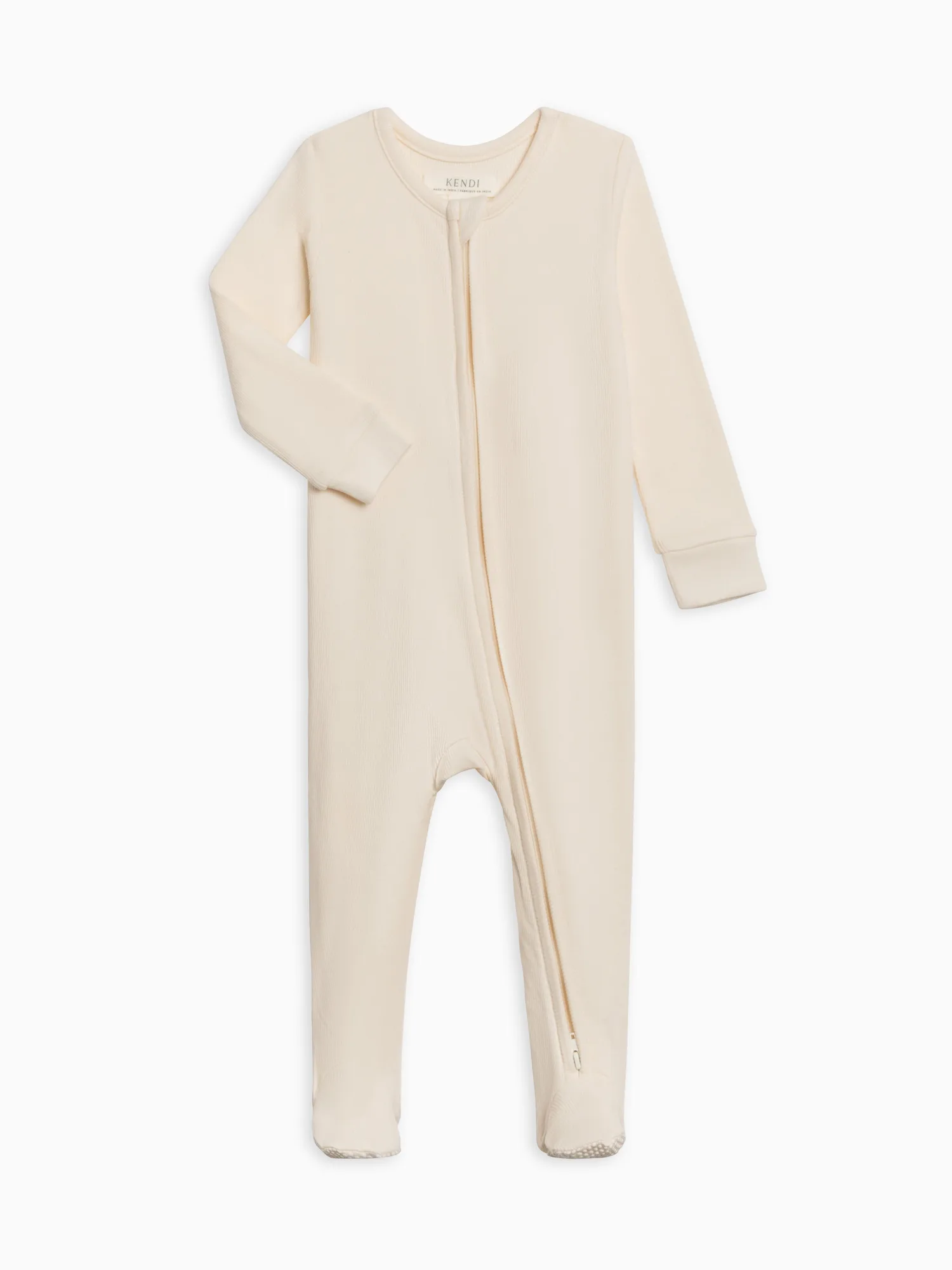
- Classic Skylar Footed Sleeper: Made of 100% organic cotton fabric, footie grips, nickel-free snaps, water-based dyes, and is not flame resistant. This footed sleeper is a staple for everyday wear, and its water-based dyes help maintain color vibrancy wash after wash. The footie grips provide safety, and the nickel-free snaps are gentle on your baby's skin, making it a practical choice for both comfort and easy care.
- Neve Ruffle Zipper Footed Romper: Made from soft, breathable organic cotton interlock knit, featuring a decorative self-ruffle trim and a two-way zipper for quick changes. The two-way zipper simplifies diaper changes, reducing the need to fully undress your baby. The organic cotton interlock is durable yet soft, and the ruffle detail adds charm without compromising practicality. Proper washing will keep the ruffle looking crisp and the fabric soft.
Caring for organic baby clothes doesn't have to be complicated. By pre-treating stains, using a gentle detergent, and drying with care, you can keep your baby's wardrobe soft, safe, and long-lasting. Remember to always check the care label and adapt your routine to each garment. With these tips, you'll enjoy the benefits of organic cotton for many wears to come.