Quick Answer
To care for organic cotton, wash in cold water on a gentle cycle, use mild detergent, and air dry or tumble dry low. Avoid high heat and harsh chemicals to prevent shrinking and maintain fabric integrity.
Organic cotton is a great choice for your wardrobe and the planet, but it needs a little extra attention to keep it looking and feeling great. Because it’s grown without synthetic pesticides and often processed with fewer chemicals, the fibers can be more delicate than conventional cotton. With the right routine, you can extend the life of your organic cotton pieces and reduce your environmental footprint even further.
In this guide, we’ll walk you through simple, effective ways to wash, dry, and store organic cotton. You’ll learn how to prevent common issues like shrinking, fading, and pilling, so your favorite eco-friendly garments stay in rotation for years.
Understanding Organic Cotton Fabric
Organic cotton is grown using methods that have a lower impact on the environment, but the resulting fabric can be softer and more breathable than conventional cotton. However, because it’s often less processed, it may be more prone to shrinkage if exposed to high heat. Knowing this helps you adjust your care routine to keep your clothes fitting perfectly.
Many organic cotton garments are blended with other fibers like spandex or elastane for stretch and shape retention. Always check the care label for specific instructions, as blends may require different handling than 100% cotton items.
- Always read the care label before washing—it’s your best guide.
- When in doubt, opt for cold water and air drying to be safe.
Washing Organic Cotton: Step-by-Step
Washing organic cotton correctly is the most important step in preserving its quality. Here’s a reliable method: turn garments inside out to protect the outer surface, then place them in a mesh laundry bag if you have delicate items. Use cold water (below 30°C/86°F) and a gentle cycle to minimize agitation.
Choose a mild, eco-friendly detergent that’s free of bleach and optical brighteners. These harsh chemicals can weaken fibers and cause yellowing over time. If you’re hand washing, use a basin of cold water and a small amount of detergent, then gently squeeze—never wring—the fabric.
- Mistake to avoid: using hot water, which can cause shrinking and fading.
- Checkpoint: after washing, check that the garment retains its shape and color.
Drying and Ironing Organic Cotton
The best way to dry organic cotton is to lay it flat or hang it in the shade. High heat from a dryer can cause shrinkage and damage the fibers. If you must use a dryer, choose the lowest heat setting and remove the garment while it’s still slightly damp to reduce wrinkles.
Iron organic cotton on a medium setting while it’s still a bit damp, or use steam to ease out creases. Avoid ironing over prints or embellishments. For a crisp finish, iron on the reverse side. If you prefer not to iron, smooth the fabric with your hands before drying to minimize wrinkles.
- Mistake to avoid: over-drying, which makes fabric stiff and brittle.
- Checkpoint: if the garment feels rough after drying, a quick steam can restore softness.
Storing Organic Cotton to Prevent Damage
Proper storage keeps organic cotton fresh and prevents stretching or yellowing. Fold heavy sweaters or knits to avoid stretching on hangers, and use padded hangers for lighter items like shirts and dresses. Store in a cool, dry place away from direct sunlight, which can fade colors.
To protect against moths and odors, you can add natural repellents like cedar balls or lavender sachets. Avoid plastic bags, which trap moisture and can cause mildew. Instead, use breathable cotton garment bags for long-term storage.
- Mistake to avoid: hanging heavy knits, which causes shoulder bumps.
- Checkpoint: periodically check stored items for signs of moisture or pests.
Step-by-Step Organic Cotton Care Routine
- Sort and Prepare: Separate whites, darks, and delicates. Turn garments inside out and zip any closures to prevent snags. Checkpoint: check pockets and remove accessories to avoid damage.
- Wash in Cold Water: Use a gentle cycle with cold water and a mild detergent. For hand washing, use a basin and gently agitate. Mistake to avoid: never use hot water or bleach.
- Dry Flat or Low Heat: Lay flat or hang to dry in the shade. If using a dryer, set to low heat and remove while slightly damp. Checkpoint: if the garment is stiff, a quick steam will soften it.
- Iron with Care: Iron on medium heat while damp, or use steam. Avoid ironing over prints. Mistake to avoid: high heat can scorch organic cotton.
- Store Properly: Fold heavy items, use padded hangers for light ones, and keep in a cool, dry place away from sunlight. Checkpoint: inspect stored items periodically for moisture or pests.
Organic Cotton Garments from Only Hearts
- Second Skins Slip: Made from a comfortable blend of 67% nylon and 33% Lycra for a stretchy, body-skimming fit. Easy care: hand wash cold and line dry. This slip’s nylon-Lycra blend offers a smooth, wrinkle-resistant base under dresses, and its simple care routine—cold hand wash and line drying—keeps it looking sleek without extra effort.
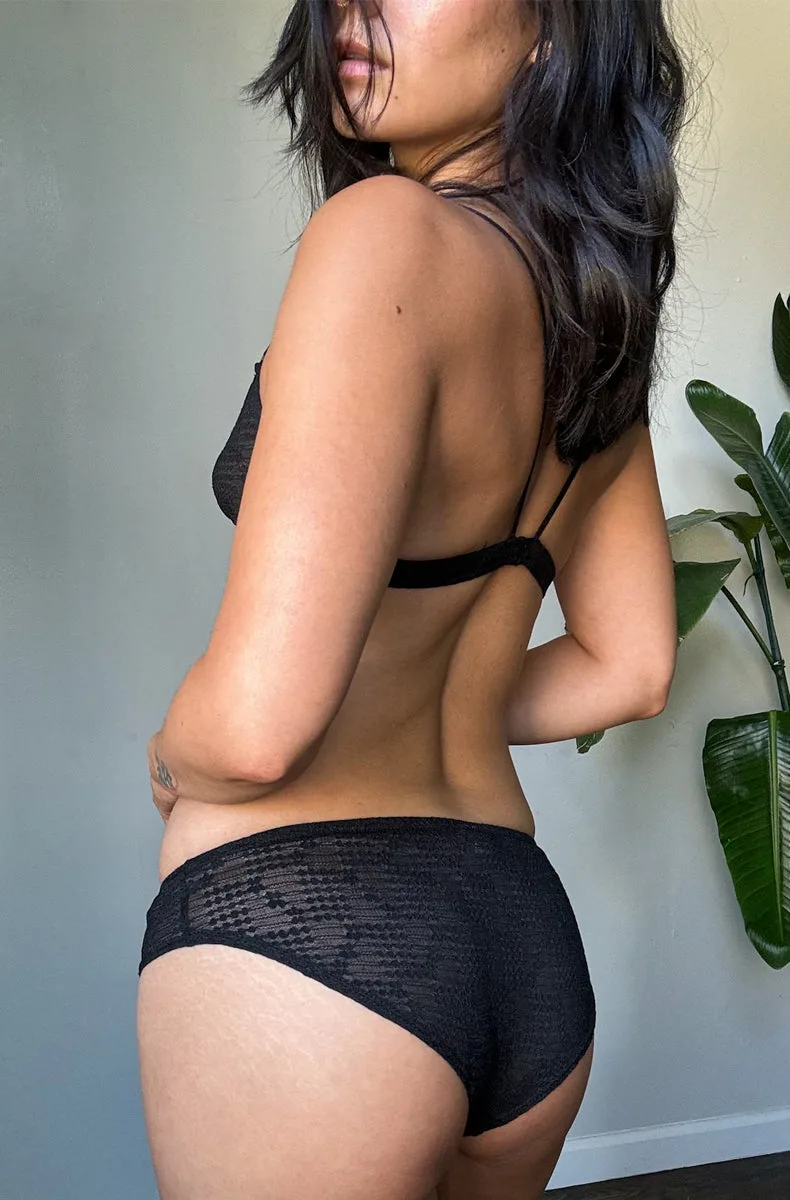
- Chloe Hipster: Crafted from a soft blend of 90% nylon and 10% spandex. Care instructions: hand wash cold, do not bleach. The stretchy nylon-spandex fabric holds its shape and color when washed in cold water, making it a reliable everyday option that stays comfortable longer.
Caring for organic cotton doesn’t have to be complicated. By following these simple steps, you’ll keep your eco-friendly clothes soft, colorful, and well-fitting for many wears to come. Remember: cold water, gentle detergent, and air drying are your best friends. With a little attention, your organic cotton pieces will reward you with lasting comfort and style.