Quick answer
Wash pants and shorts inside out in cold water on a delicate cycle or by hand, then air-dry them flat or hanging by the waistband. Skip the dryer, fold instead of hanging heavy fabrics, and treat lace or silk as hand-wash only to keep the shape intact.
Pants and shorts lose their shape for predictable reasons: heat, agitation, and the wrong hanging method. A silk short or a wide-leg pant can look tired after one careless wash, while the same piece stays crisp for years with a slower routine.
This guide walks through the full care cycle in order, from reading the label to storing the garment at the end of the season. Each step includes the mistake that most often undoes the work.
Start with the care label, not the fabric name
The care label is the only instruction that reflects how that specific garment was constructed. Two pairs of silk shorts can carry different guidance depending on lining, lace appliqué, or adjustable waistbands. Read the label before you decide between machine and hand washing.
If the label says dry clean only, respect it. If it says hand wash cold, do not translate that into a gentle machine cycle. When a label is missing or unreadable, treat the garment as hand-wash cold and air-dry, which is the safest default for silk, lace, and structured pieces.
- Photograph the care label when you buy a piece so you still have the instructions after it fades.
- Check the label for the words 'hand wash' versus 'machine wash delicate' — they are not interchangeable.
Sort by weight, colour, and trim
Sort pants and shorts separately from heavy items like towels or denim, which abrade delicate surfaces in the wash. Keep light colours apart from dark ones, and pull out anything with hand-sewn lace or beading so it does not tangle with zippers and buttons.
A useful sorting rule is to group by the most delicate component, not the largest fabric. If a pair of shorts has lace appliqué, it belongs with the delicates group even if the main fabric is sturdy.
- Turn every garment inside out before it goes near water to protect the outer surface.
- Close zippers and fasten hooks so they cannot snag neighbouring pieces.
Wash cold and slow, or by hand
For machine-washable pants and shorts, use cold water on a delicate or hand-wash cycle with a gentle detergent. Hot water and high spin speeds are the two biggest causes of stretched waistbands, distorted seams, and dulled colour.
For silk, lace, or anything labelled hand wash, fill a basin with cool water and a small amount of gentle detergent. Submerge the garment, press it gently with your hands, and let it soak for a few minutes. Rinse in cool water without wringing or twisting.
- Never pour detergent directly onto silk or lace; dilute it in the water first.
- Skip fabric softener, which coats fibres and can break down elasticity over time.
Remove water without stretching the fabric
The way you remove water decides whether a waistband recovers or stays stretched. Do not wring, twist, or hang a wet garment by its hem, because the weight of the water pulls the fabric downward.
Instead, press the garment between two clean towels to absorb excess water, then reshape it gently with your hands. For structured pieces, lay them flat so the seams and boning or interfacing can dry in their intended position.
- Roll the garment in a towel and press down rather than twisting.
- Reshape waistbands and hems while damp, not after they dry.
Dry flat or hang by the waistband
Air-drying is the single most effective way to keep pants shape. Lay lightweight fabrics flat on a drying rack, and hang heavier pieces from the waistband so gravity works with the garment rather than against it. Keep everything out of direct sun, which fades colour.
A tumble dryer is the fastest route to shrinkage and misshapen waistbands. If you must use one for a sturdy cotton short, choose the lowest heat setting and remove the garment while it is still slightly damp.
- Use padded clips or a hanger with a bar to avoid crease marks at the waistband.
- Give silk and lace extra drying time; they should feel completely dry before storage.
Store folded, not hung, for most pieces
Pants storage tips usually come down to one question: fold or hang? Fold knit, silk, and lace pieces to prevent shoulder-style hanger marks and stretching. Hang tailored trousers and structured shorts by the waistband or hem with clips so creases fall out naturally.
For seasonal storage, wash everything before it goes away, then place garments in a breathable cotton bag. Avoid vacuum-sealed bags for silk and lace, which crush delicate surface detail and trap moisture.
- Cedar blocks or lavender sachets deter moths without perfuming the fabric.
- Never store a garment still damp, even slightly; mildew damage is permanent.
The six-step shape-saving routine
- 1. Read the care label: Check the specific instructions for that garment before choosing a wash method, since lining, lace, and waistband construction vary even within the same fabric. Checkpoint: if the label says hand wash, do not substitute a delicate machine cycle.
- 2. Sort by the most delicate component: Group pants and shorts away from towels and denim, and separate anything with lace or beading into a delicates load. Common mistake: sorting by main fabric and ignoring trim.
- 3. Wash cold and slow: Use cold water on a delicate cycle or hand wash in a basin with gentle detergent, avoiding hot water and high spin speeds. Checkpoint: no wringing or twisting at any point.
- 4. Remove water by pressing: Lay the garment between clean towels and press down to absorb water, then reshape waistbands and hems while still damp. Common mistake: hanging a soaked garment by the hem, which stretches it.
- 5. Air-dry flat or by the waistband: Dry lightweight fabrics flat and heavier pieces from the waistband, keeping everything out of direct sun and away from the dryer. Checkpoint: the garment should feel completely dry before it is stored.
- 6. Store folded or clipped, never crushed: Fold silk, knit, and lace pieces, hang tailored trousers by the waistband, and use breathable cotton bags for seasonal storage. Common mistake: vacuum-sealing silk and lace, which crushes detail and traps moisture.
Fabric notes that change the routine
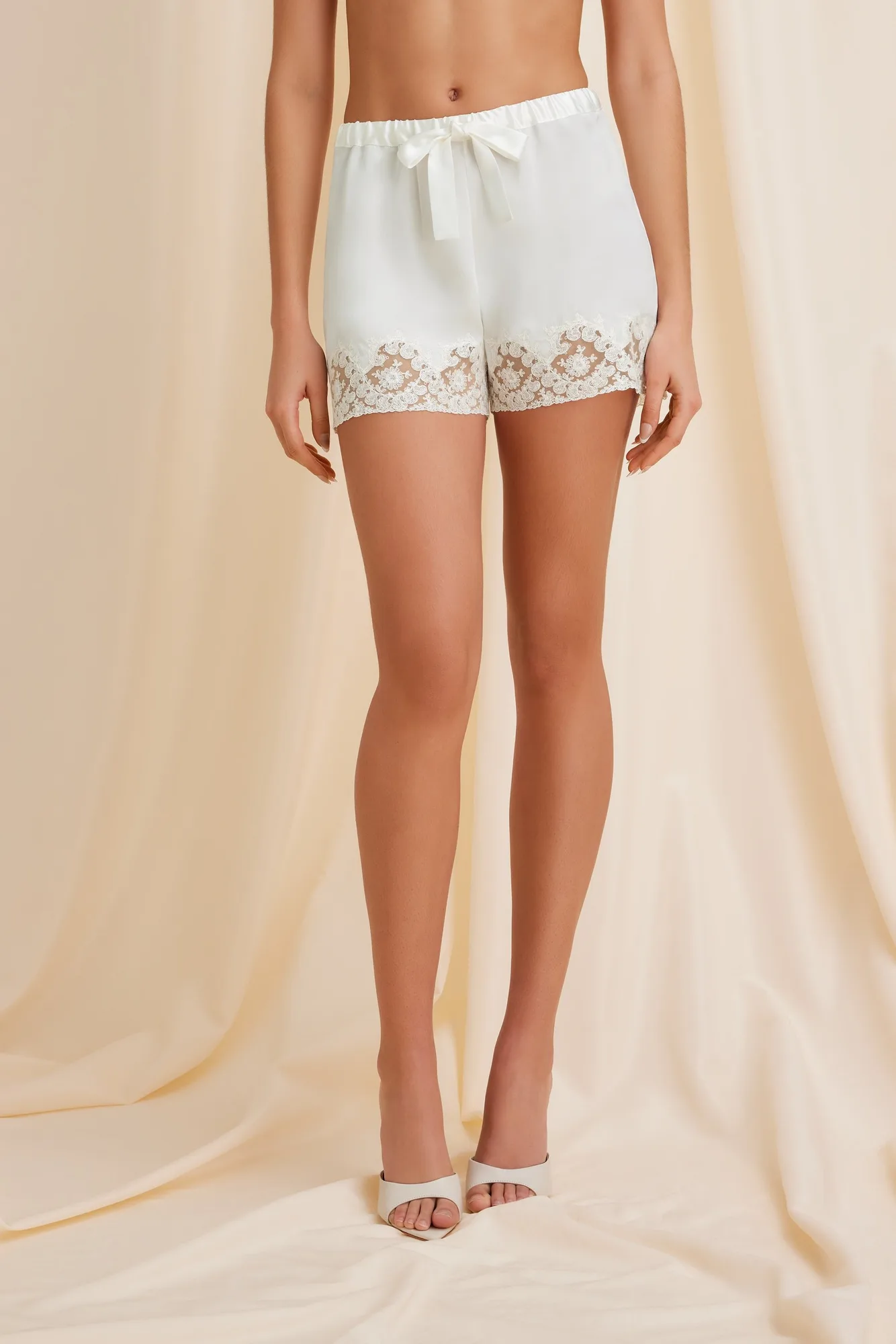
- https://scarlettgasquegz.com/products/the-jayne-short-ivory-653aa4fc5d43c47e35009d62-1354897JAYNE SHORT: Crafted from 100% silk with hand-sewn French lace appliqué, cut to skim the leg with a relaxed, flattering fit. Silk and hand-applied lace are the two components most easily damaged by heat and agitation, so this short belongs in the hand-wash, air-dry group rather than a standard machine cycle.
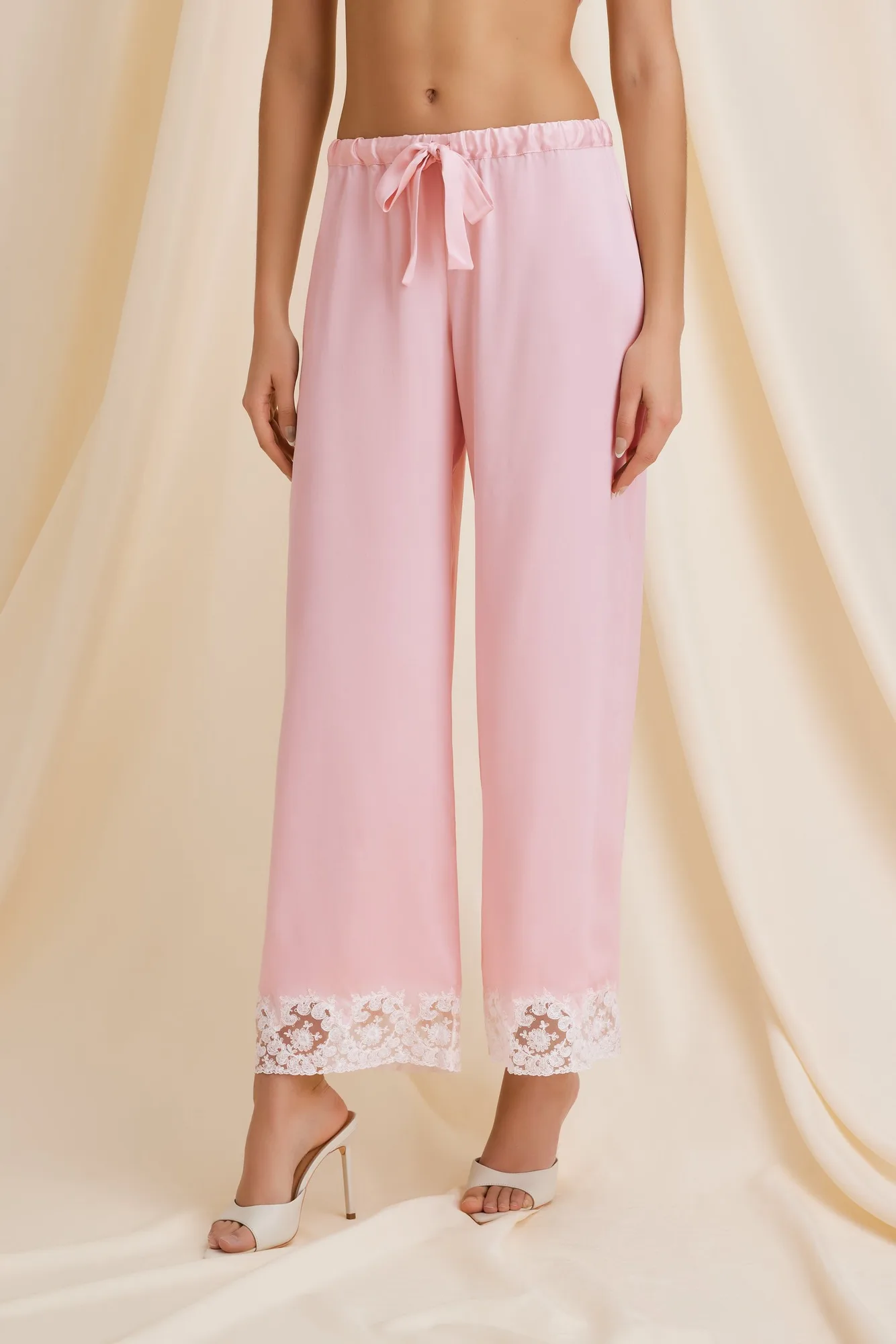
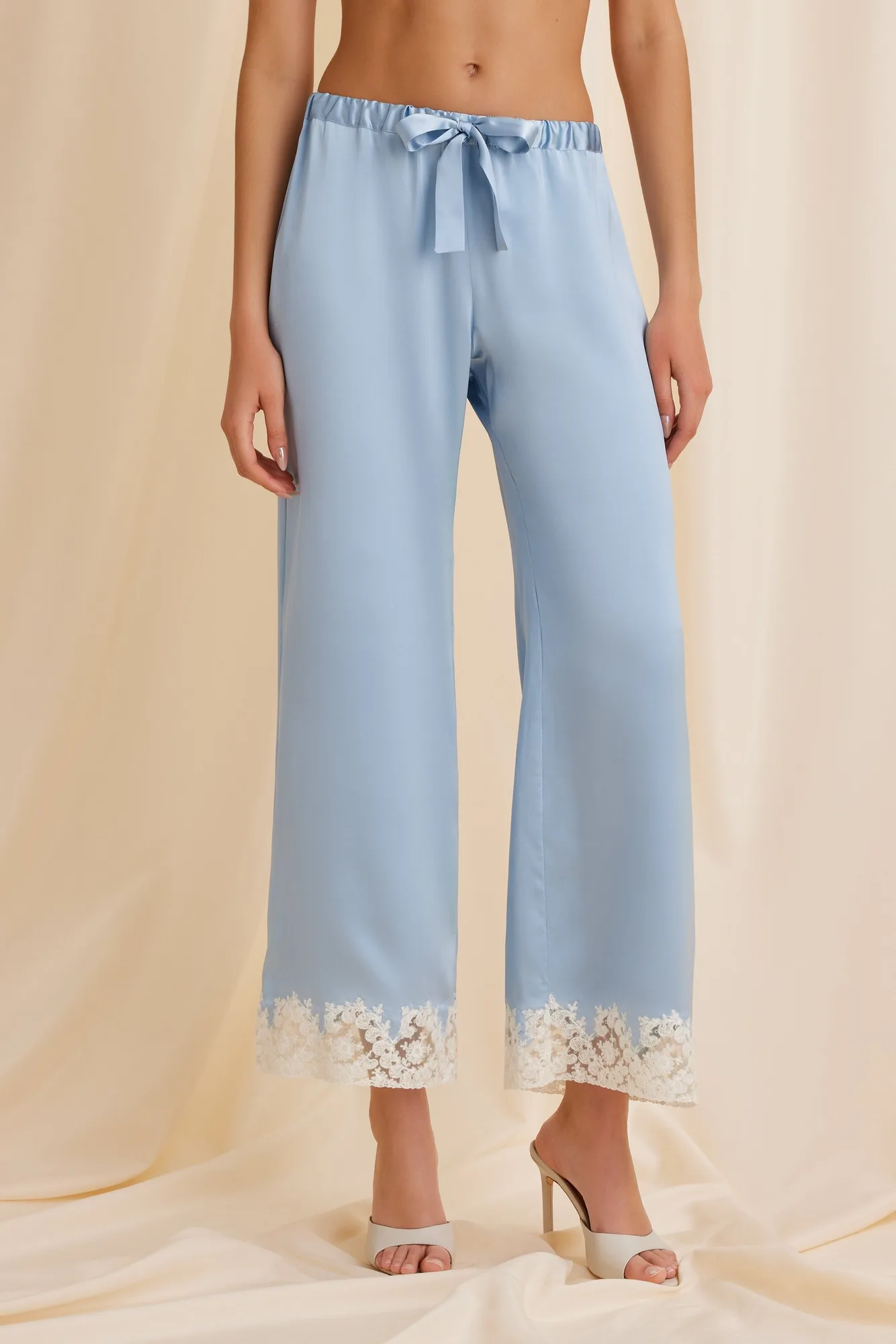
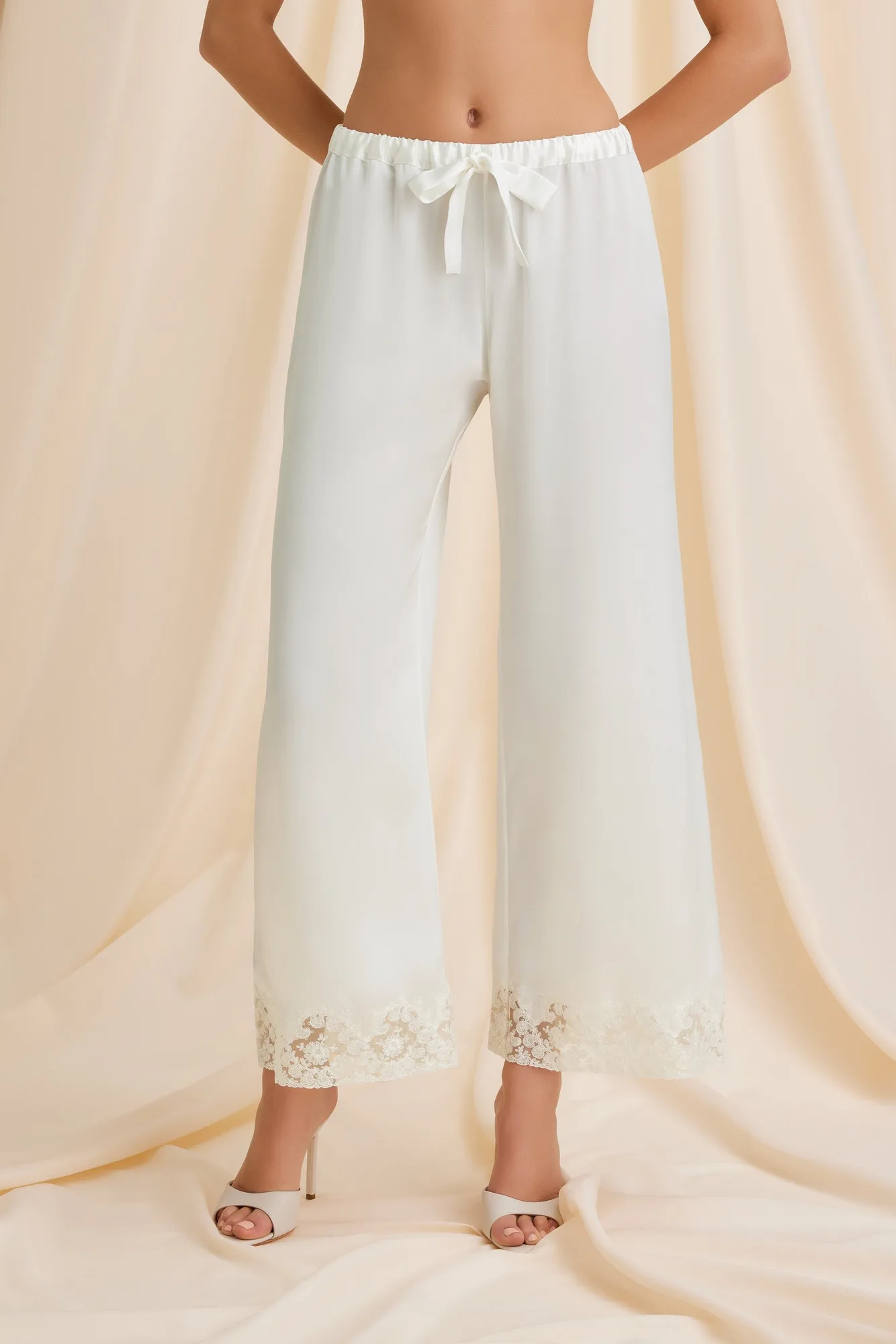
- https://scarlettgasquegz.com/products/jayne-pant-886e533fd136bbb6ccfdb468-1354887https://scarlettgasquegz.com/products/the-jayne-pant-8cf6a61b557e0d9e4fc5ce0a-1354889JAYNE PANT: Made from 100% silk with a relaxed, wide-leg silhouette, hand-sewn French lace appliqué, and an adjustable waistband. The wide leg holds water and can stretch if hung wet by the hem, and the adjustable waistband should be reshaped while damp so it keeps its custom fit.
- PHANTOM MINI DRESS: Constructed with a multi-layer corset foundation and steel boning, lined in silk charmeuse. Structured boning and multi-layer construction should never be wrung or tumble-dried; lay the piece flat so the foundation dries in its intended shape.
Good care is mostly patience: cold water, no dryer, and storage that respects the fabric. Follow these steps and your pants and shorts will keep the fit you bought them for.