Quick answer
Rinse period panties in cold water immediately after wearing, then wash them gently with a mild detergent and air-dry them flat. Skip fabric softener and heat, which clog absorbent layers and break down elastic. With this routine, a quality pair can stay effective for years.
Why period panty care is different from regular underwear
Period panties have a built-in absorbent core, usually made of layers of microfiber, bamboo, or cotton, plus a leak-resistant backing. These layers are what make period panties work, and they are also the most vulnerable to damage. Hot water, harsh detergents, and heat drying can shrink or stiffen the absorbent material, reducing how much liquid it can hold. Even if the outer fabric still looks fine, the inside may stop doing its job.
That means the care instructions you might use for everyday panties, like tossing them in a hot wash with bleach, will shorten the life of period underwear. The goal is to keep the absorbent layers clean without coating them in residue. Residue from detergent or softener creates a barrier that stops liquid from being absorbed quickly, which can lead to leaks.
How often to wash and what to do between wears
Wash period panties after every wear, even if the absorbency level was light. Bacteria can grow in the gusset within hours, leading to odor and potential irritation. If you cannot wash them right away, rinse them thoroughly in cold water until the water runs clear, wring gently, and hang them to dry until laundry day. Never leave them crumpled in a hamper or sealed in a plastic bag, which traps moisture and encourages odor.
For heavy flow days, you may need to change period panties during the day. Keep a small wet bag or a breathable pouch in your bag for the used pair. At home, rinse and hang to dry before adding to the wash. This simple step prevents stains from setting and keeps your laundry area fresh.
Choosing the right detergent and washing method
Use a mild, liquid detergent free of bleach, enzymes, and optical brighteners. Powder detergents can leave residue in the absorbent core, and enzymes, while great for stains, can break down the natural fibers over time. A small amount goes a long way; too much detergent is a common mistake that causes buildup and reduces absorbency.
You can wash period panties by hand or in a machine. If machine washing, place them in a mesh laundry bag and use a gentle cycle with cold water. Avoid washing them with heavy items like jeans or towels that can rough up the fabric. If hand washing, gently squeeze the suds through the gusset rather than scrubbing, then rinse until the water is clear.
Drying period panties without damage
Air-drying is the safest way to extend the life of period underwear. Lay them flat on a drying rack or hang them by the waistband in a well-ventilated area, away from direct sunlight, which can fade colors and weaken elastic. Never put period panties in a dryer, even on low heat. The heat can shrink the absorbent layers, warp the waterproof backing, and break down spandex, causing the panties to lose their shape and fit.
If you are in a hurry, you can roll the panties in a clean towel to absorb excess water, then hang them to dry. They may take longer to dry than regular underwear because of the absorbent core, so plan ahead. Drying time varies by fabric and humidity, but most pairs dry within 12 to 24 hours.
Storing period panties properly
Once fully dry, store period panties folded in a drawer separate from your regular underwear if possible. This keeps them clean and makes it easy to grab a pair when needed. Avoid storing them in damp bathrooms or airtight containers, which can encourage mildew. If you rotate several pairs, a small drawer organizer can help you keep track of which ones are clean and ready to wear.
Your step-by-step period panty care routine
- Rinse immediately after wearing: Hold the panty under cold running water and gently squeeze the gusset until the water runs clear. This removes most of the blood before it sets. Mistake to avoid: using hot water, which sets stains and can damage the absorbent layers.
- Pre-soak if needed: For heavier days or if you cannot wash right away, soak the panty in cold water with a tiny amount of mild detergent for 15 to 30 minutes. Checkpoint: the water should be clear after soaking; if not, rinse again.
- Wash gently: Hand wash or use a machine on a delicate cycle with cold water and a mild, bleach-free detergent. Place in a mesh bag if machine washing. Mistake to avoid: using fabric softener, which coats the absorbent core and reduces absorbency.
- Rinse thoroughly: Rinse until no suds remain. Residual detergent can irritate skin and hinder absorbency. Checkpoint: the water should feel slippery-free when you rub the fabric.
- Air-dry flat or hang: Lay the panty flat on a drying rack or hang it by the waistband in a well-ventilated area, out of direct sunlight. Mistake to avoid: putting period panties in the dryer, which can shrink and damage them.
- Store clean and dry: Once completely dry, fold and store in a dry drawer. Keep separate from dirty laundry. Checkpoint: never store damp period panties; mildew can grow and ruin the fabric.
Product facts to keep in mind
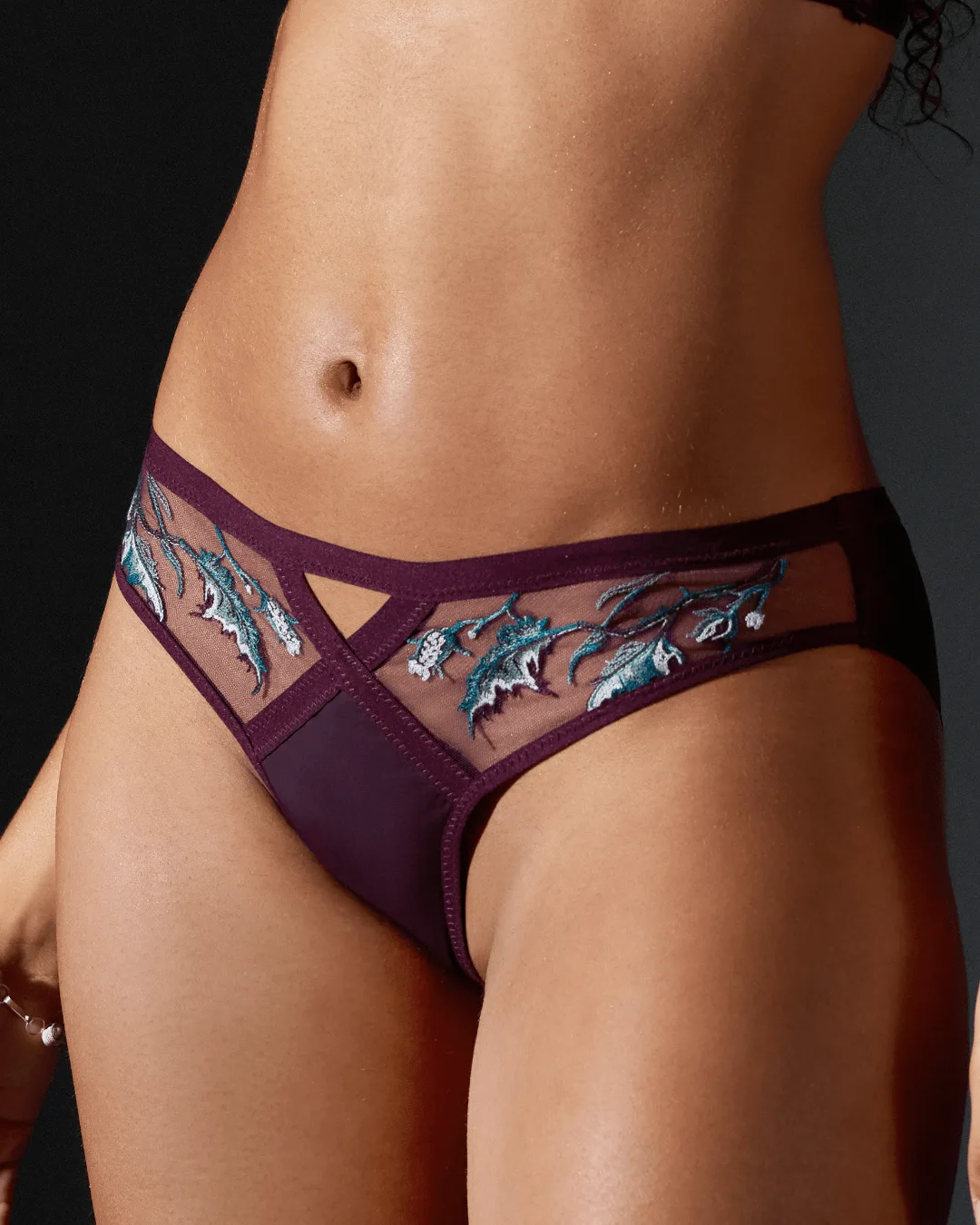
- Cirsi Bikini - Cordial: Soft stretch mesh and elastic melts like butter to every booty. Fuller coverage seamless stretch mesh. This panty is designed for comfort and a seamless look, but the delicate mesh requires gentle handling. Washing it in a mesh bag and air-drying will help it keep its shape and softness.
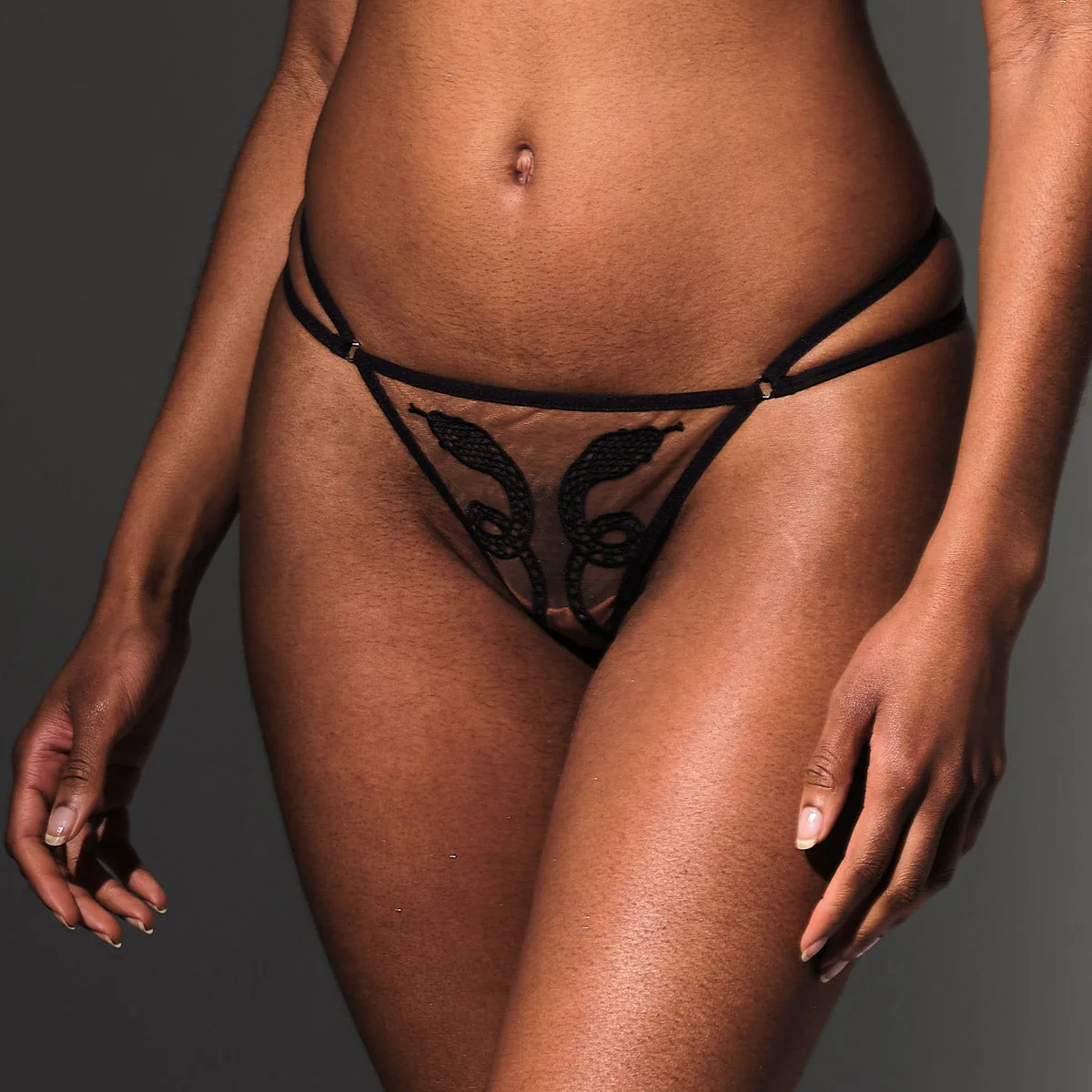
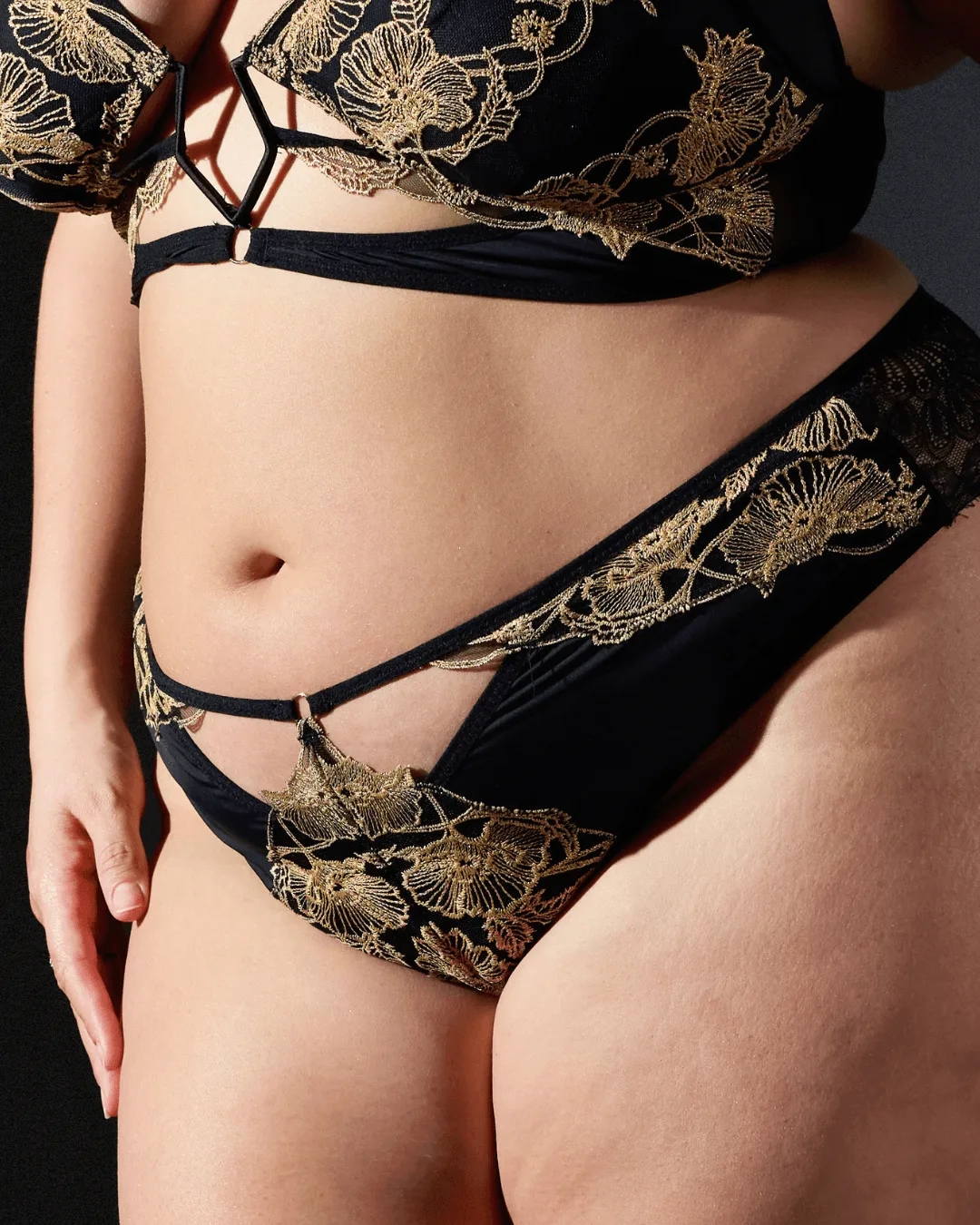
- Medusa Thong - Available in Multiple Nudes - FINAL SALE: Thong bottom with double side straps and custom snake embroidery. The double side straps and embroidery can snag easily. Rinsing immediately and avoiding rough fabrics in the wash will protect the delicate details.