Quick answer
Store promo cards in penny sleeves or exact-fit sleeves inside a rigid deck box, away from sunlight and humidity swings. Keep promo tiles flat between two rigid boards or in a dedicated tile tray. If a tile has already warped, gentle flattening under weight can help, but a severely delaminated tile is usually a lost cause.
Why Promo Cards and Tiles Fail Faster Than Core Components
Promo items often use the same cardstock and punchboard as the base game, but they live outside the box. That means they get handled without the protection of a full insert, stacked loose on shelves, or stored in a baggie where corners bend. The most common damage is edge wear, corner fraying, and moisture-driven warping. Tiles are especially vulnerable because they have two paper faces glued to a cardboard core; if one face absorbs more humidity than the other, the tile curls.
Match Storage to the Component Type
Cards and tiles need different handling. Sleeving a promo card adds a layer against fingerprints and shuffling wear, but it also adds thickness. If you store promos with the base game, check that the insert still closes. For tiles, avoid tight rubber bands or elastic bands; they crush edges and leave permanent dents. A small archival bag or a rigid card divider works better.
- Promo cards: sleeve first, then store vertically in a deck box so gravity does not bow the stack.
- Promo tiles: stack flat, not on edge, with a rigid backer above and below.
- Loose punchboard tokens: keep in a small zip bag with a silica gel packet if your climate is humid.
- Never store promos in a hot car or near a radiator; heat accelerates warping and adhesive failure.
A Simple Weekly and Seasonal Check
Once promos are stored, a quick check prevents small problems from becoming permanent. Every few weeks, fan the cards and look for sticking or bowing. Seasonally, inspect tiles for lift at the edges. If you catch a slight curl early, flattening under weight for a few days often reverses it. If the tile has already cracked or the printed surface is separating, stop and consider whether the promo is still playable.
Diagnosis: What Is Actually Wrong
- Symptom: Cards are bowing or feel damp.: Likely cause: humidity swings or storage near an exterior wall. Corrective action: move the cards to an interior closet, add a silica packet to the box, and let them acclimate before sleeving. If the bow is slight, flatten under a heavy book for a week. If the cards smell musty, discard the affected sleeves and check the whole box.
- Symptom: Promo tile edges are fraying or separating.: Likely cause: repeated handling without edge protection or storage in a loose bag. Corrective action: trim only loose fibers with a sharp blade, then store the tile flat in a rigid sleeve or between two pieces of chipboard. If the printed surface is lifting more than a millimeter, stop handling it. Further play will make it worse.
- Symptom: Metal coins are scratching each other or the game board.: Likely cause: loose storage in a single bag. Corrective action: use the supplied clear plastic containers or a small felt-lined tray to keep coins from rubbing. If scratches are already visible, separate the coins by denomination. Do not store them loose with cardboard tiles.
Component Care in Practice
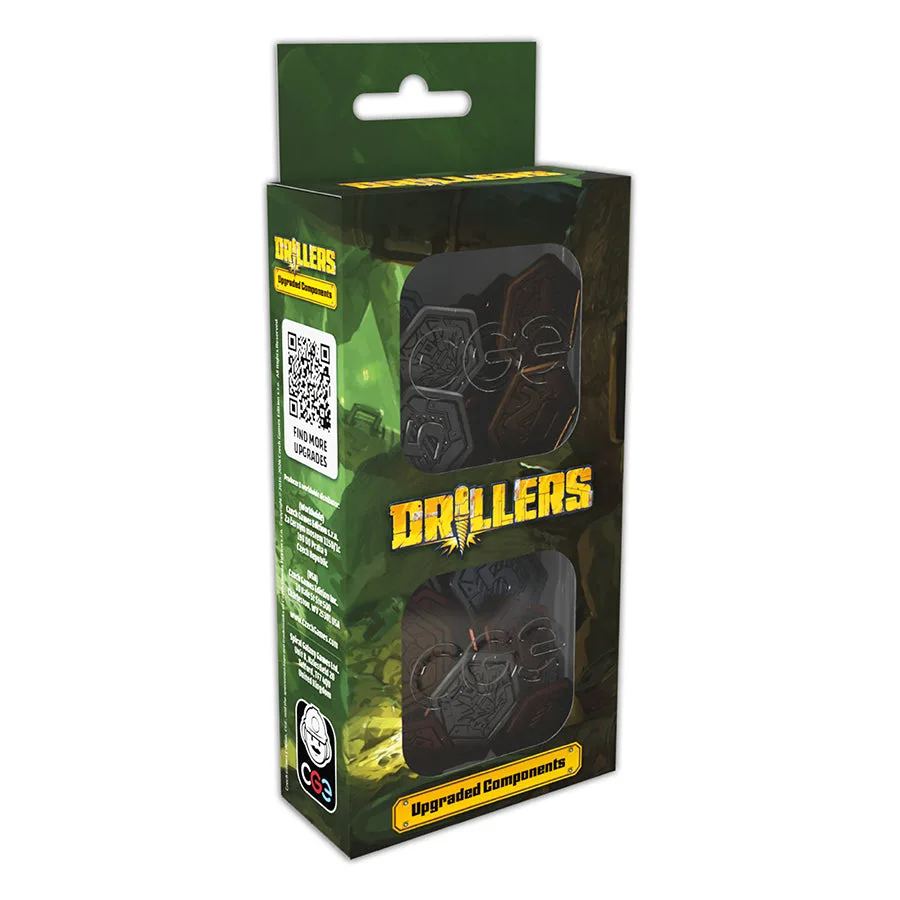
- Drillers: Upgraded Components: Drillers: Upgraded Components replaces standard cardboard coins with 25 copper, 12 silver, and 6 gold metal coins made from zinc alloy, supplied with two clear plastic containers. Metal coins do not warp or fray like cardboard, but they can scratch if stored loose. The included clear containers keep them separated and make it easy to spot a missing coin before it rolls under a shelf.
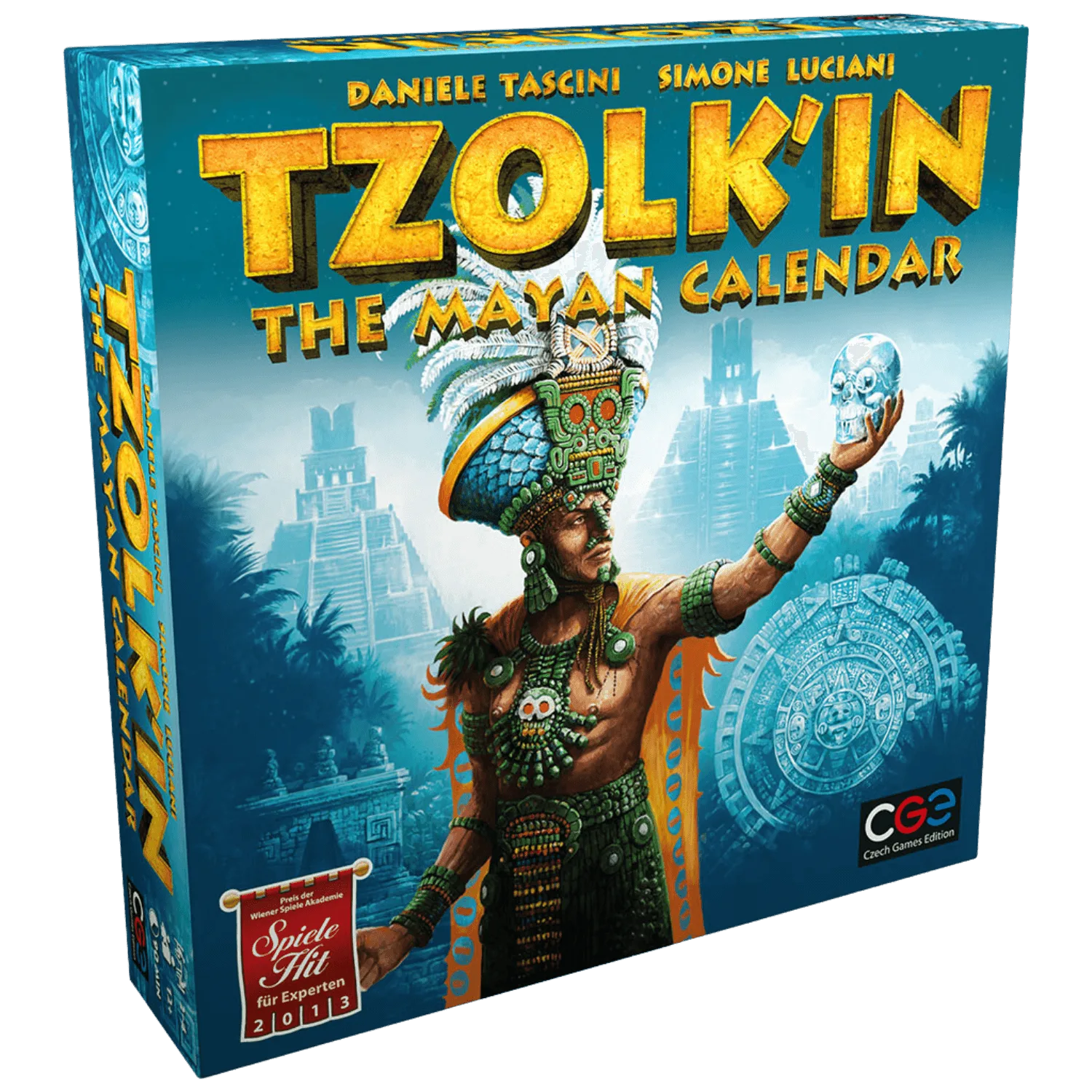
- Tzolk'in: The Mayan Calendar: Tzolk'in: The Mayan Calendar uses gears that workers are placed on and picked up from, with corn as currency and food. Gears are a moving storage risk. If you store the game vertically, the gears can shift and press against cards or tiles. Keep the insert snug or bag the gears separately to avoid pressure marks.