Quick answer
Rinse reusable nursing pads promptly, wash them in a mesh bag on a gentle cycle with mild detergent, and skip fabric softener. Air-dry them flat or line-dry, then store them clean and dry in a breathable pouch. Replace pads when the absorbent layers stay compressed or the waterproof backing stops blocking leaks.
Why a simple routine beats harsh cleaning
Reusable pads are usually made of absorbent layers plus a backing, so the way you wash them affects both softness and leak protection. Hot water and harsh detergents can break down fibers and reduce absorbency over time. A consistent, gentle routine is the easiest way to keep pads comfortable and working well.
What you need before you start
Set up a small laundry kit: a mesh bag, a mild liquid detergent, and a drying rack. Keep a wet bag or small bin for used pads so they do not sit damp in your diaper bag. Check the pad care label for any temperature limits, and if the label is missing, use cool or warm water rather than hot.
How to store clean and used pads
Store clean pads flat or loosely stacked in a breathable pouch, not sealed in plastic, so any lingering moisture can escape. Used pads can go into a wet bag until wash day, but rinse them first if they will sit for more than a day. Never store damp pads in a closed container, because that encourages odor and mildew.
Step-by-step pad care routine
- Rinse promptly after each use: Hold the pad under cool running water until the milk is rinsed out, then wring gently. Do not let pads sit damp in a bag for days. Checkpoint: if the pad still smells sour after rinsing, give it a second rinse before washing.
- Wash in a mesh bag on a gentle cycle: Use mild detergent and cool or warm water. Avoid bleach, fabric softener, and dryer sheets, which can coat fibers and reduce absorbency. Checkpoint: fasten the mesh bag before starting so pads do not escape and snag on other laundry.
- Air-dry flat or line-dry: Lay pads flat or hang them so air reaches both sides. If the care label allows tumble drying, use low heat only. Checkpoint: make sure pads are completely dry before storing, especially the thicker overnight layers.
- Store clean pads in a breathable pouch: Keep dry pads loosely stacked in a cotton or mesh pouch. Do not seal them in plastic or store them in a damp bathroom cabinet. Checkpoint: rotate pads so each one gets regular use and rest.
- Inspect for wear every few weeks: Look for compressed absorbent layers, curling edges, or a backing that no longer blocks moisture. Retire pads that stay damp through to your bra. Checkpoint: if you notice nursing pads leaking through more often, replace the worn pads rather than adding more laundry.
Product facts that affect care
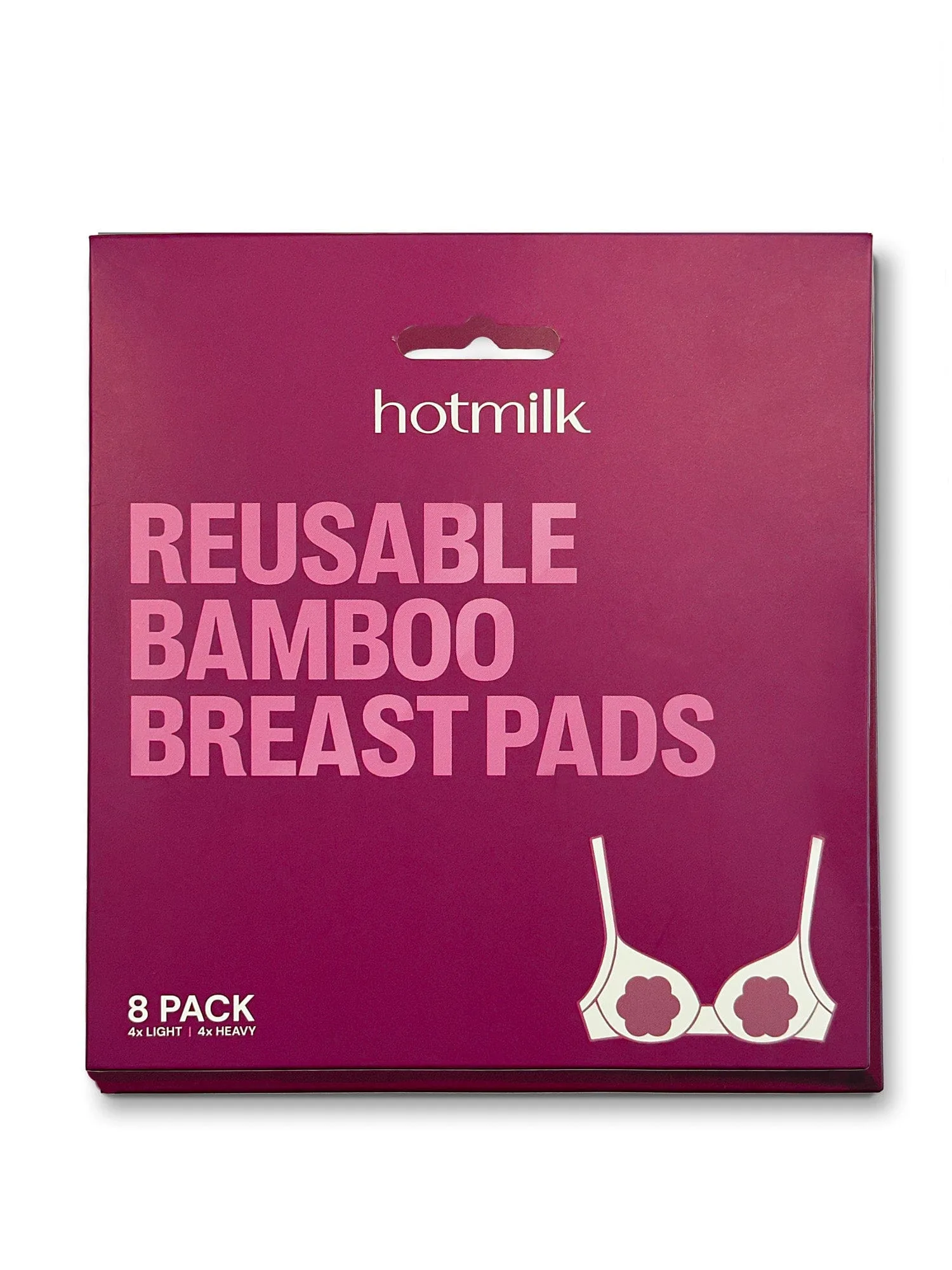
- Reusable Nursing Pads - 8 pads: Reusable Nursing Pads - 8 pads are bamboo washable pads with thicker double-layered overnight pads and day pads in discreet colours. Because the set includes day and night pads, wash them together but check the thicker overnight pads for compression or stiffness first, since they do more absorbent work.
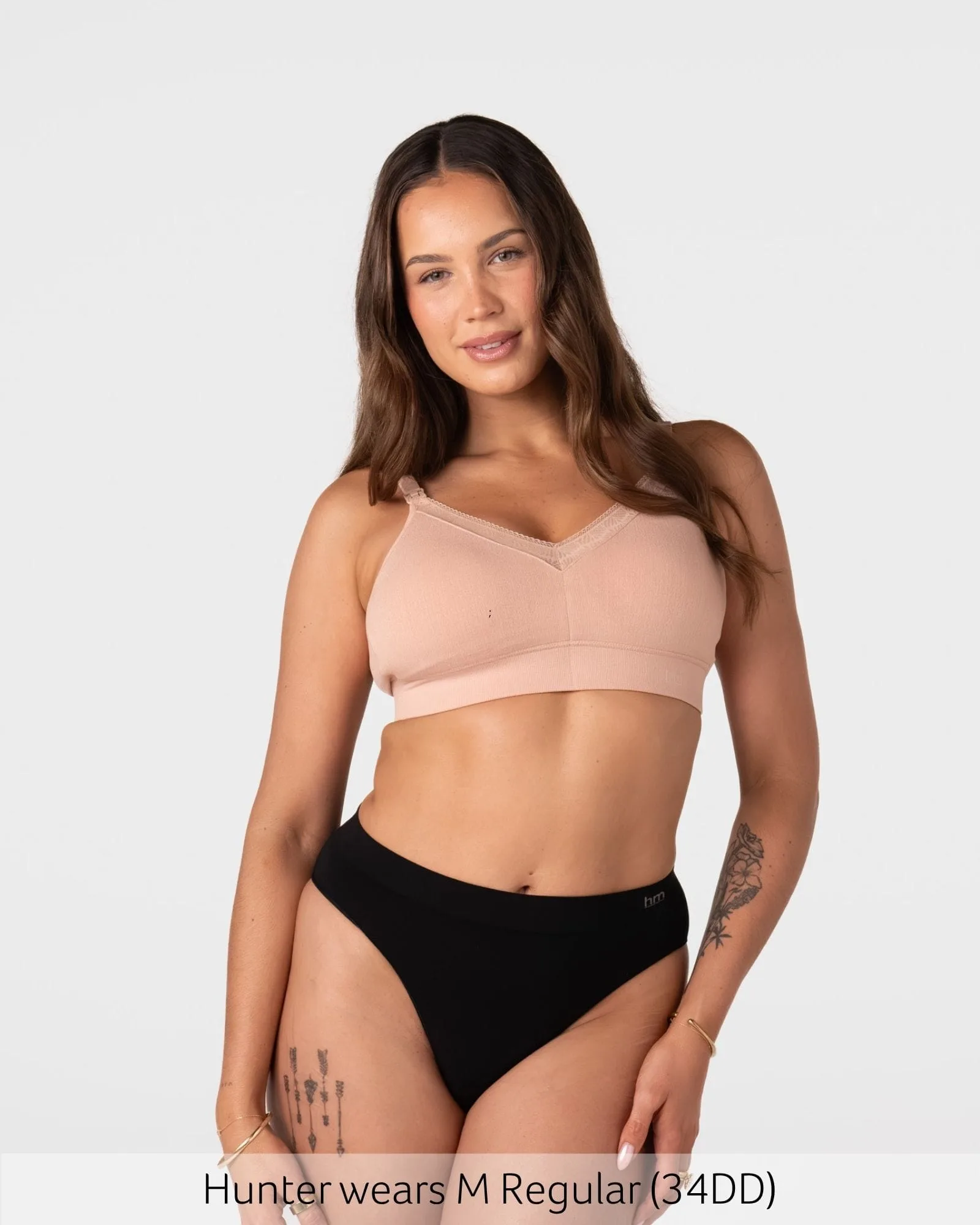
- Caress FlexFit Nursing Bra - Cashmere: Caress FlexFit Nursing Bra - Cashmere is made from eco-friendly bamboo with removable padded cups and one-handed clips. Bamboo fabric is soft and breathable, so pair it with clean, dry pads and remove the padded cups before washing the bra to avoid twisting the pad or cup out of shape.