Quick Answer
If your skin suddenly stings, looks red, or feels tight and rough, stop all exfoliants and actives for at least a week. Switch to a barrier friendly cleanser, a soothing essence, and a sunscreen you can tolerate, and only reintroduce one product at a time. If burning, oozing, or a spreading rash appears, stop self-treating and see a dermatologist.
Why a Damaged Skin Barrier Feels Like Everything Burns
The outer layer of your skin works as a selective wall: it holds water in and keeps irritants out. When that wall is compromised, water escapes faster and outside substances get in more easily. That is why a product you have used for months can suddenly sting, and why your face may feel tight minutes after washing.
This is also why a damaged skin barrier routine is mostly about subtraction. Adding more actives to fix irritation usually makes the wall weaker. The goal is to remove the stressors, keep the surface calm, and let the skin rebuild.
Symptom, Cause, Action: A Simple Way to Read Your Skin
Before buying anything, match what you see to what likely caused it. This prevents the common mistake of treating every flare with the same product.
Symptom: stinging or burning when you apply products that used to feel fine. Likely cause: over-cleansing or too many acids and retinoids at once. Action: cut to one gentle cleanse at night, rinse with lukewarm water in the morning, and pause exfoliants. If stinging continues for more than a few days with no improvement, stop experimenting and get professional advice.
Symptom: redness, warmth, and small bumps along the cheeks or jaw. Likely cause: a new product, fragrance, or harsh scrubbing. Action: remove the newest product first, keep the rest of your routine boring and familiar, and give it 7 to 10 days. If the bumps spread or itch intensely, that is a sign to see a dermatologist rather than add another calming product.
Symptom: tightness and flaking after washing. Likely cause: a cleanser that strips too much or water that is too hot. Action: switch to a barrier friendly cleanser and lower the water temperature. If flaking turns into cracked, painful skin, stop home care and seek medical help.
How to Build a Damaged Skin Barrier Routine That Stays Boring
A repair routine should have three or four steps, not ten. Cleanse once at night, apply one soothing hydrating layer, follow with a moisturizer if you use one, and finish with sunscreen in the morning. That is enough for most people during a flare.
Keep the order consistent and change only one thing at a time. If you introduce a new essence and a new cream in the same week, you will not know which one helped or which one caused the reaction. Write the start date on the bottle so you can track it.
Resist the urge to exfoliate 'just a little' to remove flakes. Flaking during barrier repair is usually a sign of water loss, not dead skin that needs scrubbing. Let it shed on its own.
- Cleanse once at night with lukewarm water; rinse only in the morning.
- Apply a calming hydrating layer while skin is still slightly damp.
- Use sunscreen daily, even indoors near windows, if your skin tolerates it.
- Reintroduce one active only after two full weeks of calm skin.
Ceramide Skincare Tips Without Overcomplicating It
Ceramides are lipids that help form the skin's barrier, and ceramide skincare tips usually focus on supporting that structure rather than adding new actives. Look for ceramides paired with soothing ingredients rather than acids or strong fragrance, and apply them after a hydrating layer to help reduce water loss.
You do not need a separate ceramide serum, cream, and mask. One well-chosen moisturizer or barrier cream is enough while your skin is reactive. If a product contains ceramides plus exfoliating acids, save it for later when your skin is stable.
If your skin is oily and prone to breakouts, a heavy ceramide cream can feel suffocating. In that case, use a lighter hydrating layer and a sunscreen designed for oily skin instead of layering rich creams.
When to Stop and Choose Another Option
Gentle care works for irritation caused by products, weather, or over-exfoliation. It does not work for infections, allergic reactions, or chronic conditions like rosacea or eczema, which need a diagnosis.
Stop your barrier routine and see a dermatologist if you notice swelling, oozing, crusting, painful cracks, or a rash that keeps spreading. Also seek help if irritation lasts more than two weeks with no improvement, or if you have a fever along with a skin reaction.
If your skin is calm but still dull, that is a different problem. Barrier repair is not a brightening routine, and adding brightening actives too early will undo your progress. Wait until your skin no longer stings before you address tone or texture.
Barrier Check: Match the Sign to the Next Step
- Stinging or burning with no visible rash: This usually points to over-cleansing or too many actives. Pause exfoliants and acids, cleanse once at night with lukewarm water, and use a gentle hydrating layer plus sunscreen. If stinging continues past a few days, stop home care and get professional advice.
- Redness, warmth, and small bumps after a new product: Remove the newest product first and keep the rest of your routine unchanged for 7 to 10 days. Do not add another calming product on top of a possible reaction. If the bumps spread or itch intensely, see a dermatologist.
- Tightness and flaking right after washing: Lower your water temperature and switch to a cleanser recommended for sensitive skin. Skip scrubs and exfoliating pads until the flaking stops. If flaking becomes cracked or painful, stop and seek medical care.
Gentle K-Beauty Products That Fit a Barrier Repair Routine
- Cell Renew Snail Foaming Cleanser: Cell Renew Snail Foaming Cleanser is a refreshing foam cleanser that moisturizes while removing dirt and impurities, and it is recommended for normal, dry, and sensitive skin types. A foaming cleanser that is explicitly recommended for sensitive skin is a reasonable starting point when you need a barrier friendly cleanser that will not leave skin tight.
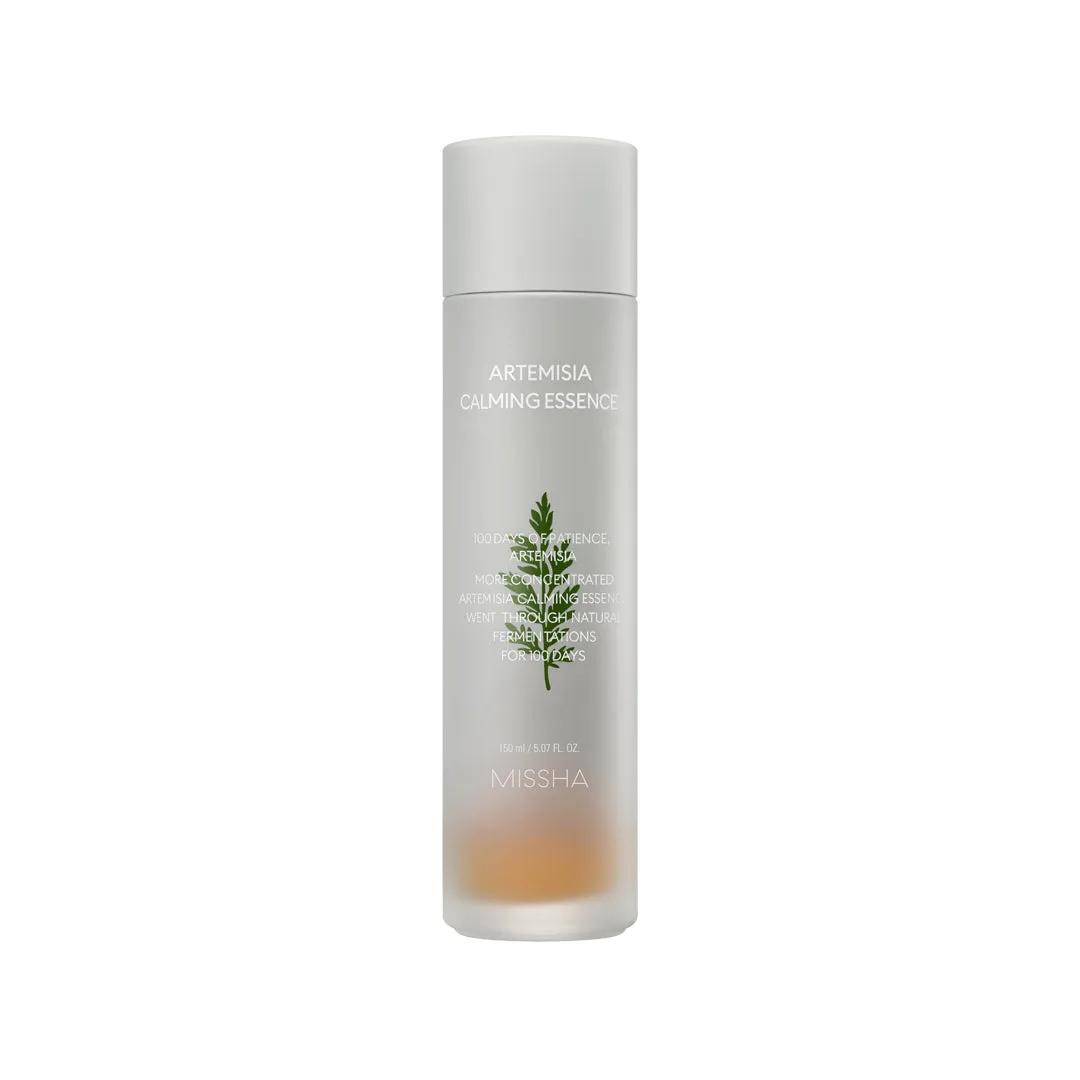
- Artemisia Calming Essence [Mist]: Artemisia Calming Essence [Mist] hydrates, brightens, soothes, and balances skin, and is recommended for sensitive, irritated, and acne-prone skin. A mist format lets you apply a calming layer without rubbing or pressing on reactive skin, which matters when your face is tender.
- Glow Weightless Priming Sunscreen SPF50+ 50ml (OTC): Glow Weightless Priming Sunscreen SPF50+ is a lightweight, pore-smoothing sunscreen for oily skin with a soft-blur finish, vegan-certified and clinically tested for acne-prone skin. Daily SPF is part of barrier care, and this option is designed for oily and acne-prone skin, so it is less likely to feel heavy during a flare.