Quick Answer
To care for your trading cards, start by handling them with clean hands or gloves, then store them in protective sleeves and rigid holders away from sunlight and humidity. For display, use UV-protective frames or cases and rotate your collection to minimize light exposure. Regularly inspect your cards for any signs of wear and adjust your storage as needed.
Trading cards are more than just pieces of cardboard—they capture moments, art, and sometimes significant value. Whether you're a seasoned collector or just starting with a set like Curiosity Cards: Animal Kingdom, proper care ensures your cards remain in pristine condition for years to come.
This guide walks you through the essential steps for preserving and displaying your trading cards. From basic handling to advanced storage solutions, you'll learn how to protect your investment and enjoy your collection without worry.
Why Trading Card Care Matters
Trading cards are susceptible to damage from various sources: moisture, sunlight, oils from your hands, and even improper storage. Over time, these factors can cause warping, fading, and creases, significantly reducing the card's aesthetic and monetary value.
By implementing a few simple practices, you can prevent most common issues. This is especially important if you own rare or valuable cards, but even common cards benefit from good care, keeping them looking sharp for trading or display.
- Always handle cards by the edges to avoid fingerprints.
- Avoid eating or drinking near your cards to prevent accidental spills.
- Keep cards away from direct sunlight and high-humidity areas.
Essential Supplies for Card Protection
Investing in quality protective supplies is the first step in card care. You'll need penny sleeves, which are thin plastic sleeves that fit snugly over each card, and top loaders or rigid holders for extra rigidity. For high-value cards, consider using a semi-rigid holder or a magnetic one-touch case.
Additionally, a storage box with dividers helps organize your collection while keeping cards upright and safe. For display, UV-protective frames or acrylic cases shield cards from light and dust.
When choosing supplies, ensure they are acid-free and PVC-free, as these materials won't degrade over time. Many collectors prefer brands known for archival quality, though even budget options offer basic protection.
- Penny sleeves are inexpensive and provide a first line of defense.
- Top loaders offer rigid protection for shipping or handling.
- For display, use UV-protective glass or acrylic to prevent fading.
Proper Handling Techniques
The way you handle your cards can make a huge difference. Always wash and dry your hands before touching cards, or wear cotton gloves for added safety. Hold cards by the edges, avoiding contact with the face and back surfaces.
When inserting or removing cards from sleeves, do so gently to avoid bending. Use a flat surface and avoid pushing the card too forcefully. If a card is stuck, never force it—carefully work it out or cut the sleeve if necessary.
Checkpoint: After handling, inspect cards for any new marks or bends. This habit helps you catch issues early and adjust your technique.
- Avoid using rubber bands to bundle cards, as they can cause dents.
- Never 'bridge' a card by bending it—this can cause permanent creases.
- If you must transport cards, use a rigid container or binder with pages.
Storage Solutions for Long-Term Preservation
For long-term storage, temperature and humidity are critical. Aim for a cool, dry environment with temperatures between 60-70°F (15-21°C) and relative humidity around 50%. Basements and attics often have extreme conditions, so avoid them unless climate-controlled.
Store cards vertically in boxes, similar to filing systems, to prevent warping. Use dividers to separate sets or series. For cards in binders, ensure the pages are acid-free and the binder lies flat when not in use.
If you have high-value cards, consider using a fireproof and waterproof safe. While this may be overkill for most, it offers peace of mind for irreplaceable items.
- Silica gel packets can help control moisture in storage boxes.
- Avoid storing cards in attics, garages, or basements without climate control.
- Check your storage area periodically for signs of pests or moisture.
Displaying Your Cards Safely
Displaying your favorite cards can be a joy, but it also exposes them to risks. Choose frames or cases with UV-protective glazing to minimize fading. Place displays away from direct sunlight and sources of heat or humidity.
For a dynamic display, rotate the cards you show every few months. This reduces prolonged light exposure and lets you enjoy more of your collection. When not on display, keep cards in their protective sleeves and storage boxes.
Consider using floating frames for a modern look or multi-card frames for a themed display. Ensure that whatever you use doesn't press directly on the card surface, which could cause indentation.
- Use museum-grade UV glass if you have valuable cards on display.
- Avoid hanging displays in bathrooms or kitchens where humidity fluctuates.
- Check displayed cards regularly for any signs of fading or warping.
Step-by-Step Card Care Routine
- Step 1: Handle with Clean Hands: Wash and dry your hands thoroughly, or wear cotton gloves. Always hold cards by the edges to avoid transferring oils and dirt. Checkpoint: After handling, inspect cards for new marks or bends.
- Step 2: Sleeve Each Card: Place each card in a penny sleeve immediately after acquisition or handling. For extra protection, use a top loader or rigid holder for cards you'll handle frequently or transport. Checkpoint: Ensure the sleeve fits snugly and the card isn't forced in, which could bend it.
- Step 3: Store Vertically in a Box: Use a sturdy storage box with dividers, and stand cards on their edges like files. Keep the box in a cool, dry place away from sunlight and heat sources. Checkpoint: Check the storage area periodically for humidity or temperature changes.
- Step 4: Display with UV Protection: When displaying, use frames or cases with UV-protective glazing. Avoid direct sunlight and rotate displayed cards every few months to prevent fading. Checkpoint: Regularly inspect displayed cards for any signs of light damage.
- Step 5: Regular Inspection: Every few months, go through your collection to check for any issues like warping, fading, or pests. Re-sleeve cards if sleeves are worn, and adjust storage conditions if needed. Verdict: Consistent care ensures your cards remain in top condition for years.
Product Spotlight: Matador Solutions for Card Collectors
- Curiosity Cards: Animal Kingdom - First Edition!: This stunning 50-card collection brings you face-to-face with majestic creatures from every corner of the globe. If you're starting a collection like this, proper care ensures each card's vibrant imagery stays sharp, making your set more enjoyable and potentially more valuable over time.
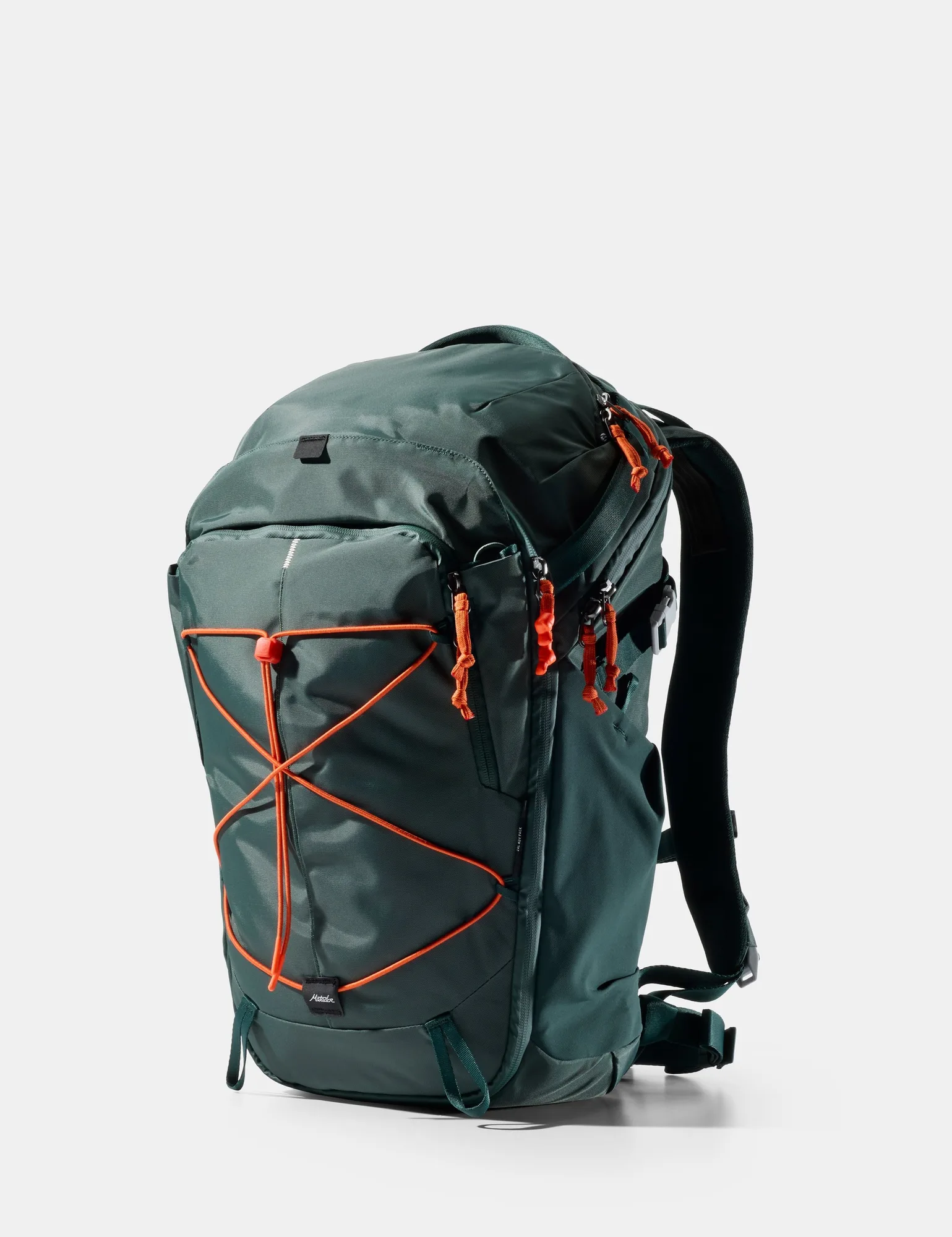
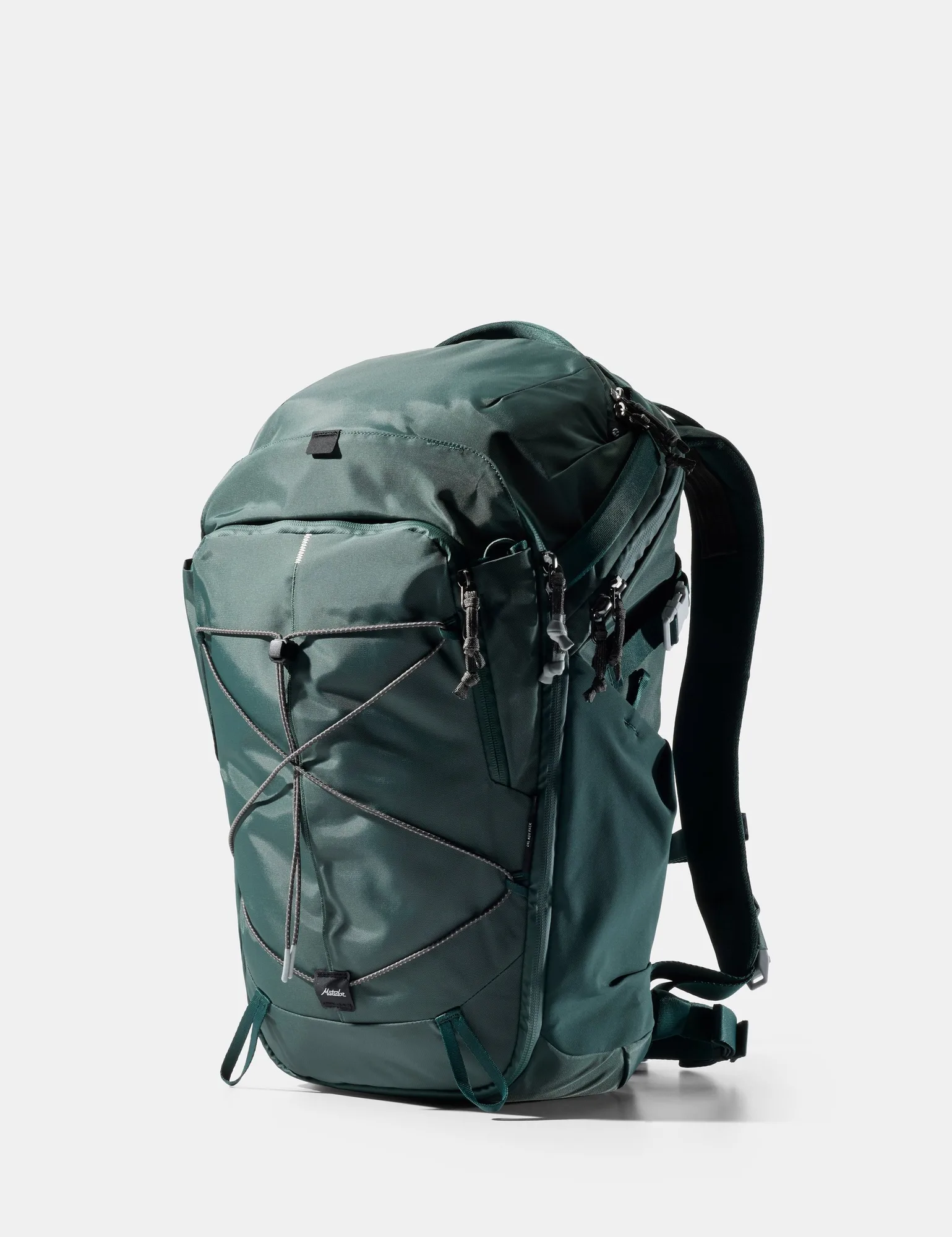
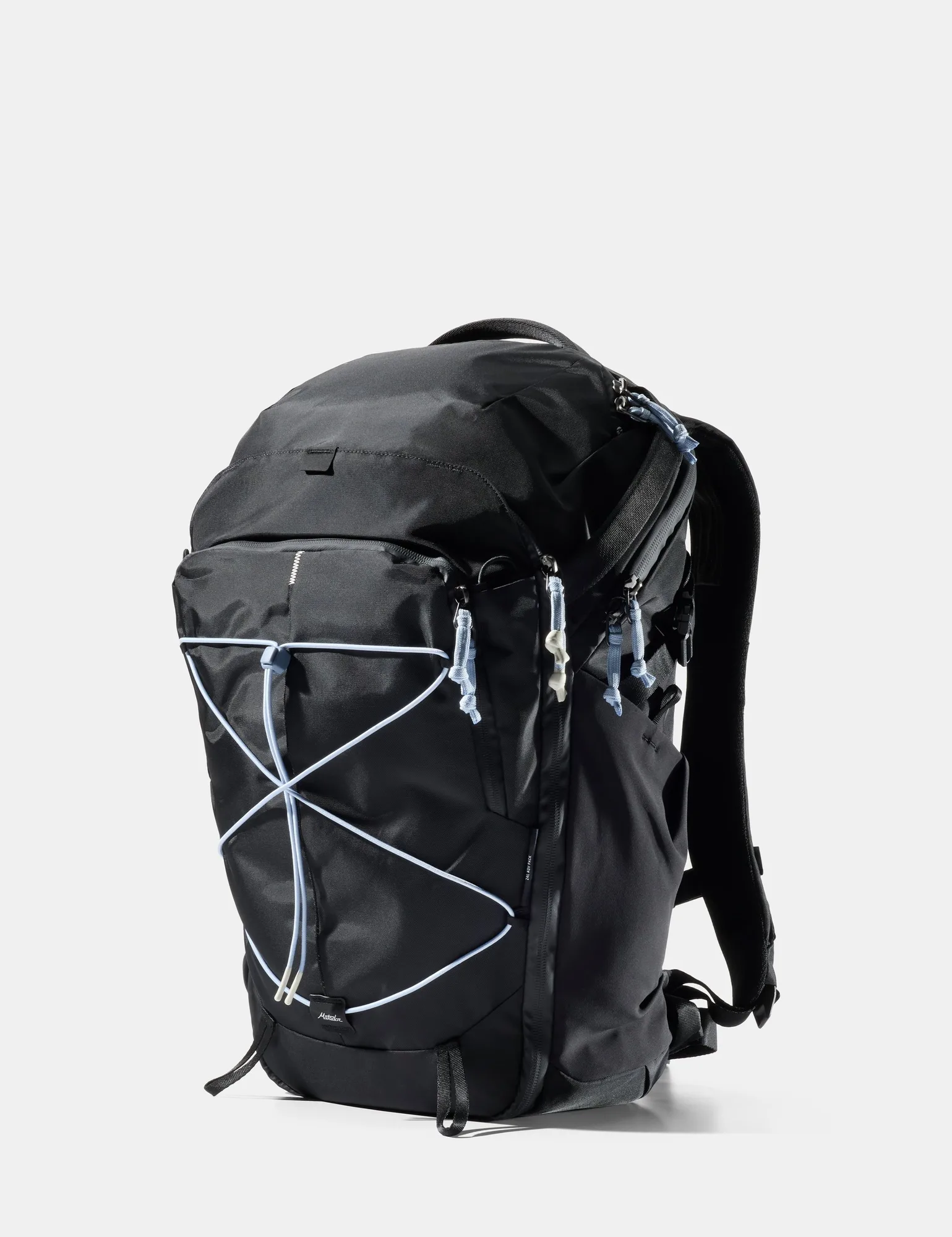
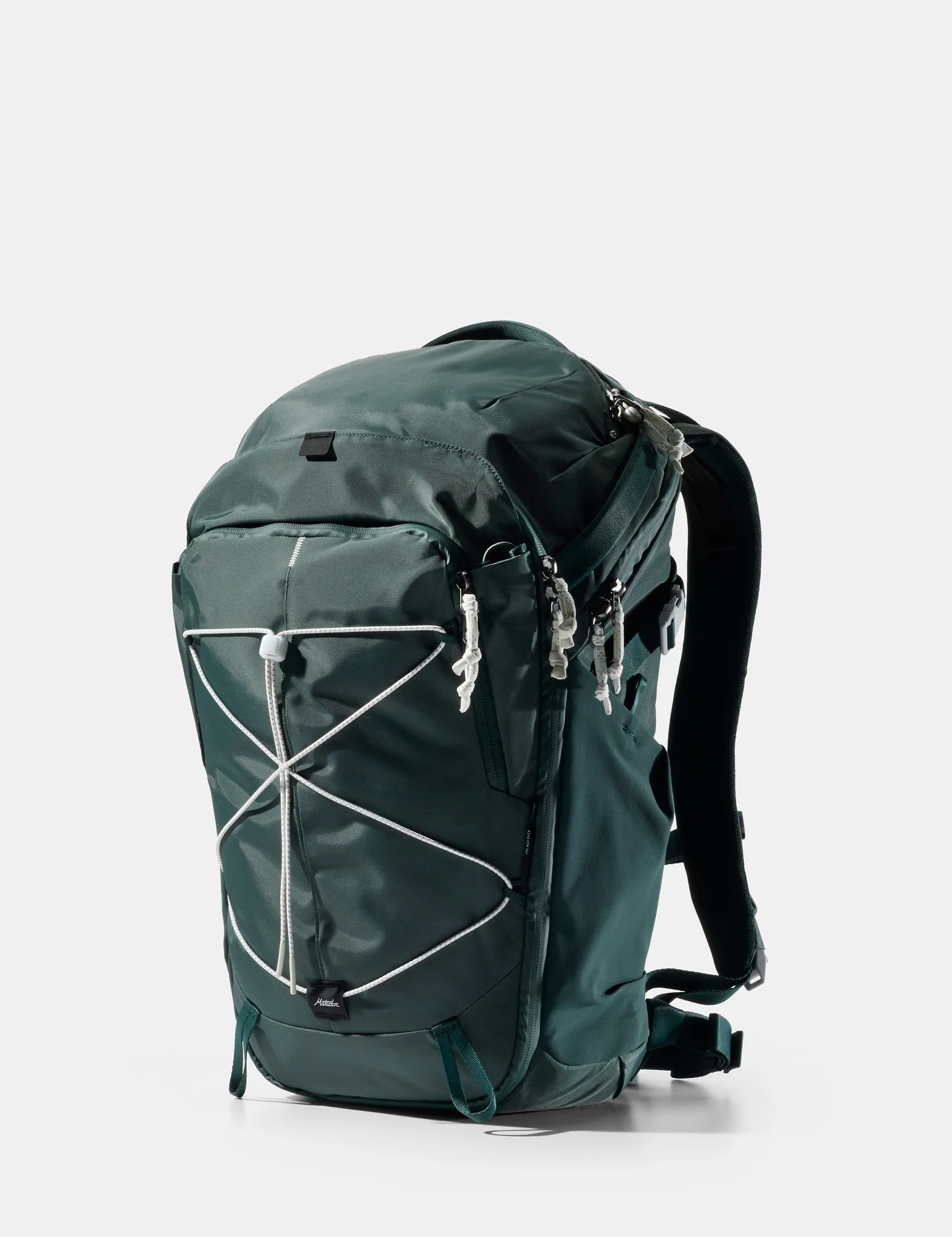
- https://matadorequipments.com/products/24l-adventure-pack-juniper-drip-arcticwhite-8bbfc76859ba8ab6945ad278-871838https://matadorequipments.com/products/24l-adventure-pack-juniper-drip-blackgranite-67d179058802c708d71adcc0-871839https://matadorequipments.com/products/24l-adventure-pack-black-drip-moonstone-44af814ec9a14c443c5d9264-87184124L Adventure Pack: A true everyday pack — built for every type of day you care to throw at it. The 24L Adventure Pack pulls its weight in the backcountry, the boardroom, and the overhead bin. When you need to transport your card collection safely, this pack offers padded compartments that can be customized with card storage boxes, keeping your cards secure during travel.
Caring for your trading cards doesn't have to be complicated. By following these simple steps, you can preserve the condition and value of your collection, whether you're displaying a few favorites or storing a full set like the Curiosity Cards: Animal Kingdom. Remember, the key is consistency and attention to detail.