Quick answer
Vacuum upholstered dining chairs weekly, blot spills immediately with a clean white cloth, and deep clean with a fabric-safe method only after testing a hidden spot. Most chairs need a full clean two to four times a year, not monthly, because over-wetting is what breaks down fabric and cushioning.
Upholstered dining chairs take more daily abuse than almost any other seat in the house: crumbs, coffee, wine, sunscreen, and the occasional pet. The good news is that upholstery maintenance is mostly about timing and restraint, not expensive products. A short weekly routine prevents most stains from ever setting.
This guide walks through an ordered process for fabric dining chair cleaning, from a quick daily reset to a twice-a-year deeper clean. It also covers the mistakes that shorten upholstery life, like soaking the fabric or scrubbing a fresh spill, so your chairs stay comfortable and keep looking new for years.
Start with a daily crumb sweep
Before any stain treatment, remove loose debris. Crumbs and grit work their way into the weave and act like sandpaper against fibers every time someone sits down. Keep a soft brush or handheld vacuum near the dining room and run it over seats after meals. This single habit does more for upholstery maintenance than any spray.
For tight crevices where the seat meets the frame, use a crevice tool on low suction. A common mistake is pressing hard with a stiff brush, which pulls threads and creates fuzz. If you have a Baxton Studio chair with a tighter weave, a soft brush is usually enough; check the manufacturer tag before using anything abrasive.
- Empty and wipe the vacuum brush after each use so you are not redistributing dust.
- Turn cushions if your chair design allows it, so wear is spread evenly.
Vacuum and rotate on a weekly schedule
Once a week, vacuum the entire seat, back, and any piping with a brush attachment on low suction. Work in overlapping passes rather than scrubbing back and forth. This lifts surface soil before it works deeper into the cushion. If your chairs have removable covers, check the care label before removing them; some are dry-clean only.
Rotate chairs around the table every few weeks if your set is symmetrical. The chair closest to the kitchen or hallway usually takes the most traffic and will fade or soil faster. Rotating evens out sun exposure and wear, which is one of the simplest ways to keep dining chairs looking new.
- Keep chairs out of direct afternoon sun where possible; fading is cumulative.
- Note the fabric code (W, S, WS, or X) from the tag before buying any cleaner.
Treat spills immediately, then stop
Blot, do not rub. Press a clean white cloth or paper towel straight down on the spill and hold it for a few seconds, then lift. Rubbing pushes liquid deeper and can pill the fabric. Work from the outside edge of the spill toward the center so you do not spread the ring. Repeat with a fresh part of the cloth until no more transfers.
If the spill is oily or colored, a small amount of mild dish soap diluted in water can help, but apply it to the cloth, not the chair. A common mistake is pouring cleaner directly onto the seat, which creates a wet patch that dries with a visible ring. After blotting, let the area air-dry away from direct heat.
- Never use a hair dryer on high heat to speed drying; it can set stains and shrink fabric.
- For wine or juice, blot first, then follow with a fabric-safe cleaner matched to the code.
Test any cleaner on a hidden spot
Before you clean dining chairs with any product, test it on the underside of the seat or the back edge. Apply a small amount, wait a few minutes, and check for color change, bleeding, or texture damage. This step takes two minutes and prevents a very visible mistake. Water-based cleaners suit W and WS codes; solvent cleaners suit S codes.
If the tag is missing, treat the fabric as delicate and use the gentlest method first: plain water on a white cloth. Only move to a stronger cleaner if the spot does not lift. When in doubt, professional cleaning is cheaper than replacing a chair.
- Use white cloths only; colored towels can transfer dye onto light upholstery.
- Write the fabric code on a note inside the chair frame so you do not have to hunt for it later.
Deep clean two to four times a year
A full clean is about even moisture, not heavy scrubbing. Work in small sections, apply a light amount of cleaner, and agitate gently with a soft brush. Then blot with a clean cloth or use a wet-dry vacuum on the extraction setting if you have one. Overlap sections so you do not leave a hard line between cleaned and uncleaned areas.
Let chairs dry fully before anyone sits on them, usually several hours or overnight. Good airflow matters more than heat. If you clean on a humid day, run a fan nearby. Deep cleaning too often is a common mistake; it wears fibers and can leave cushions feeling stiff.
- Clean all chairs in the same session so the fabric color and texture stay consistent.
- After drying, vacuum once more to lift any cleaner residue and restore the nap.
Protect the fabric between cleanings
A fabric protector spray can buy you time on a new or freshly cleaned chair, but it is not a substitute for blotting spills. Reapply according to the product directions, usually after each deep clean. For homes with kids or pets, a washable seat cushion or a tailored throw is a practical layer of defense that is easy to launder.
Small habits add up: no shoes on the seats, no wet swimsuits at the table, and a quick wipe of the frame and legs each week. If you notice a seam starting to pull or a cushion losing shape, address it early. Catching a small repair now prevents a full reupholstery later.
- Keep a small stain kit in the dining room: white cloths, mild soap, and a fabric-safe cleaner.
- Address rings and pet accidents the same day; older stains are much harder to remove.
Your step-by-step upholstered chair care routine
- Step 1: Sweep crumbs daily: Use a soft brush or handheld vacuum on low suction after meals to remove grit before it grinds into the weave. Checkpoint: if the brush is flattening the fabric, switch to a softer attachment.
- Step 2: Vacuum weekly and rotate chairs: Vacuum seats, backs, and piping in overlapping passes, then rotate chairs around the table to even out wear and sun exposure. Checkpoint: the chair nearest the kitchen usually needs the most attention.
- Step 3: Blot spills immediately: Press a clean white cloth straight down on the spill, working from the outside in, and stop when no more liquid transfers. Mistake to avoid: rubbing the stain, which spreads it and pills the fabric.
- Step 4: Test cleaner on a hidden spot: Apply a small amount of your chosen cleaner under the seat or on a back edge and wait a few minutes for any reaction. Match the cleaner to the fabric code: W and WS for water-based, S for solvent-based.
- Step 5: Deep clean two to four times a year: Work in small sections with light moisture, agitate gently, and blot or extract. Dry fully with airflow before sitting. Mistake to avoid: over-wetting, which stiffens cushions and can leave rings.
- Step 6: Protect and maintain: Apply a fabric protector after deep cleaning if the label allows, and keep a small stain kit nearby for same-day response. Next step: note your fabric code and reorder cleaner before the next deep clean.
Products that support your dining room routine
- Womens Vanity Fair® Lace Nouveau Brief Panties 13001: Style 13001 with a 100% cotton gusset and sheer lace insets at the sides. A practical reminder that fabric care labels matter; the same logic applies to reading the cleaning code on your dining chair upholstery before choosing a method.
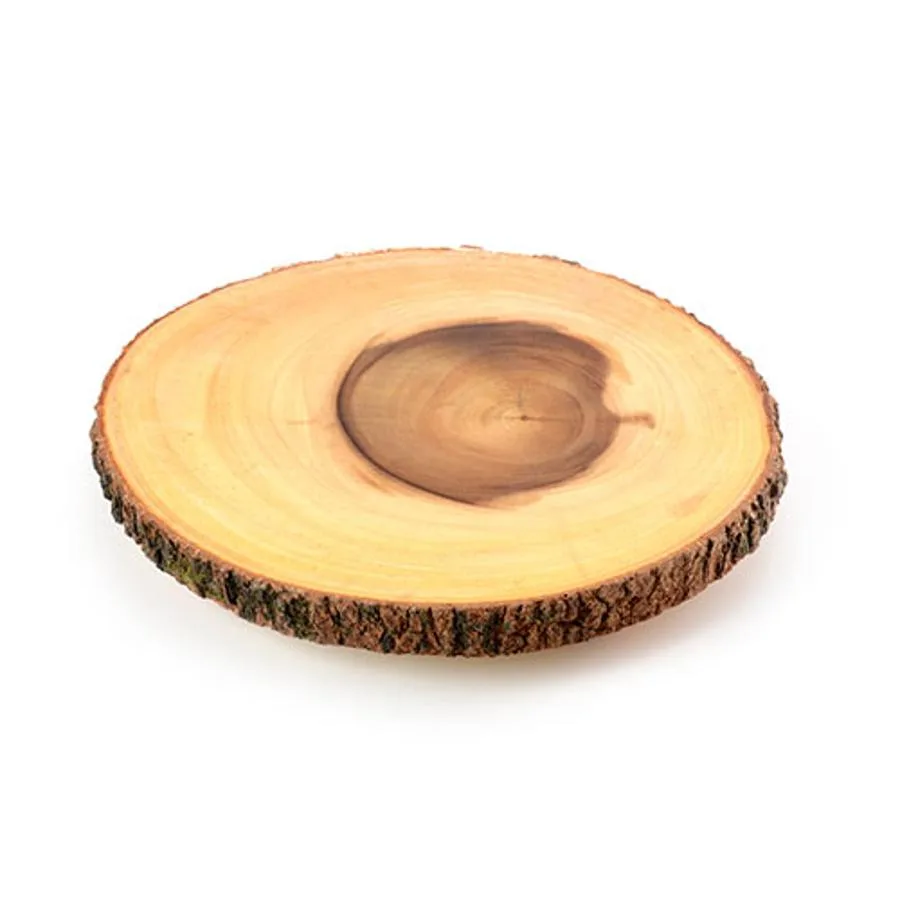
- Acacia 10-12in. Tree Bark Server: Handcrafted acacia wood server, 10-12 inches, for cheese, crackers, and hors d'oeuvres. Serving on a board instead of over the chair keeps crumbs and oils off upholstery, which reduces how often you need to clean dining chairs.
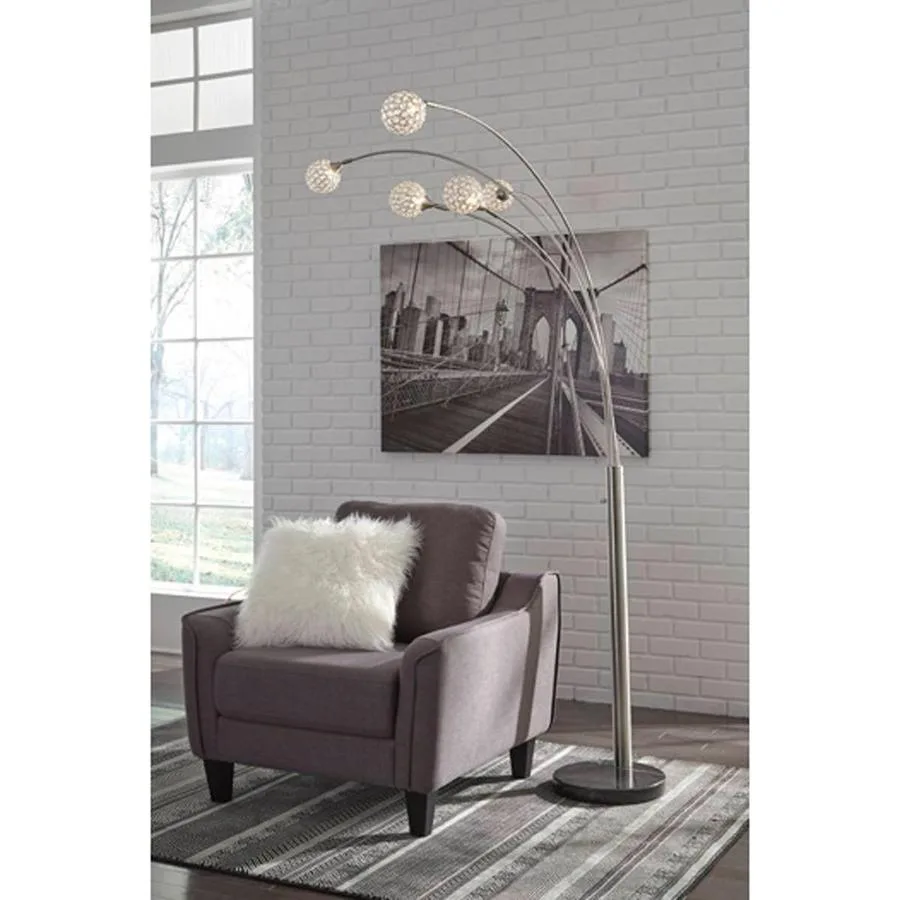
- Signature Design by Ashley Marble Arc Floor Lamp: Chrome-finished metal pipe arcs into five light poles with acrylic bead shades, a black marble base, and a dimmer switch. A dimmer lets you control light and heat near the table, and keeping chairs out of harsh direct light helps slow fabric fading.
Caring for upholstered dining chairs comes down to a few consistent habits: sweep daily, vacuum weekly, blot spills right away, and deep clean only a few times a year. Test every product first, keep moisture light, and let chairs dry completely. Done this way, fabric dining chair cleaning stays manageable and your chairs keep looking new through years of dinners.