Quick Answer
To care for wood cutting boards, wash them by hand with mild soap and warm water, dry immediately, and condition monthly with food-safe mineral oil or a beeswax blend. Avoid harsh chemicals and prolonged soaking to prevent cracking and warping.
Wood cutting boards are a kitchen staple, but they need a little more attention than plastic ones. With the right routine, you can keep them clean, hydrated, and free of odors without resorting to harsh chemicals.
This guide walks you through simple, natural cleaning and conditioning steps that protect your board and your food. You'll also learn which products to avoid and how to spot signs that your board needs extra care.
Why Natural Cleaning Matters for Wood
Wood is porous, which means it can absorb moisture, odors, and bacteria if not cleaned properly. Harsh chemical cleaners can strip the wood's natural oils, leading to dryness and cracking. Natural, food-safe options are gentler and better for both the board and your health.
A simple routine of washing with mild dish soap and warm water after each use is often all you need for daily maintenance. For deeper cleaning, you can use a paste of baking soda and water to neutralize odors, or a diluted vinegar solution to sanitize. Always rinse thoroughly and dry immediately.
- Never soak wood cutting boards in water.
- Avoid putting wood boards in the dishwasher.
- Use a dedicated food-safe cleaner for a deeper clean.
Conditioning: The Key to Longevity
Conditioning replaces the natural oils that wood loses over time. Without it, your board can dry out, warp, or crack. Mineral oil is a classic choice because it's food-safe and doesn't go rancid. You can also use a conditioning paste made with beeswax and mineral oil for a more durable finish.
How often should you condition? A good rule of thumb is once a month, but if your board looks dry or feels rough, it's time to condition. Apply a generous amount of oil with a soft cloth, let it soak in for a few hours or overnight, then wipe off any excess.
- Test the surface: if water beads up, your board is well-conditioned; if it soaks in, it's time to oil.
- For a deeper treatment, apply multiple coats, letting each one absorb.
Common Mistakes to Avoid
One of the biggest mistakes is putting a wood board in the dishwasher. The heat and moisture can cause warping and cracking. Another is using the same board for raw meat and produce without proper cleaning in between. To be safe, use separate boards or sanitize thoroughly with a diluted bleach solution (1 tablespoon per gallon of water) after raw meat.
Also, avoid using olive oil or vegetable oil to condition your board. These can go rancid and leave an unpleasant smell. Stick to mineral oil or a purpose-made food-safe conditioner.
- Don't use abrasive scrubbers that can scratch the surface.
- Store your board upright in a dry place to allow airflow.
Step-by-Step Wood Cutting Board Care
- Wash after each use: Rinse the board with hot water, apply a small amount of mild dish soap, and scrub gently with a sponge or soft brush. Focus on any grooves or cut marks where food particles can hide. Checkpoint: Rinse thoroughly to remove all soap residue.
- Sanitize weekly: Once a week, spray the board with a solution of equal parts water and white vinegar, or use a food-safe cleaner. Let it sit for a few minutes, then rinse and dry. Checkpoint: If you've cut raw meat, sanitize immediately with a diluted bleach solution instead.
- Dry immediately: Pat the board dry with a clean towel, then stand it upright to air dry completely. Never leave it lying flat or in a dish rack where water can pool. Checkpoint: Moisture is the enemy—ensure the board is fully dry before storing.
- Condition monthly: Apply a generous amount of food-safe mineral oil or a beeswax conditioner to the entire surface, including the edges. Let it absorb for a few hours or overnight, then wipe off any excess. Checkpoint: If the wood feels rough or looks dull, it's time to condition.
- Remove odors and stains: For stubborn smells or stains, make a paste of baking soda and water, apply it to the affected area, and let it sit for 15 minutes. Scrub gently, then rinse and dry. Checkpoint: This natural method is safe and effective without harsh chemicals.
Products That Help Keep Your Kitchen Naturally Clean
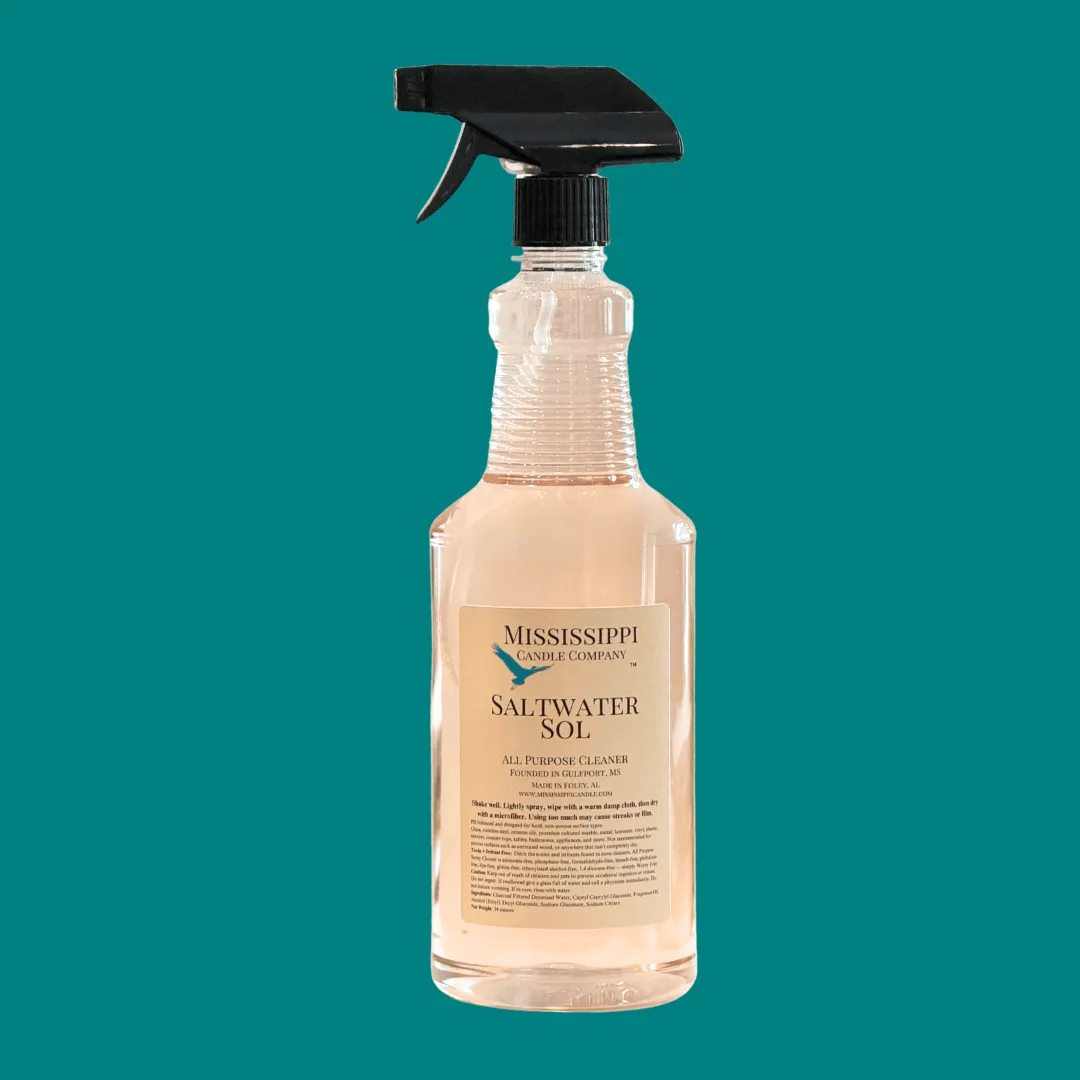
- All Purpose Scented Cleaner: Introducing our All Purpose Scented Cleaner, a powerful yet gentle plant and mineral based formula designed to... This cleaner can be used on non-wood surfaces like countertops and sinks, so you can keep your kitchen clean without harsh chemicals that might accidentally splash onto your board.
- Liquid Laundry Detergent: Experience the ultimate luxury in laundry care with Mississippi Candle Co. Luxury Liquid Laundry Detergent. This household cleaner is specially formulated to leave your clothes smelling fresh and clean for days to come. Plant-based cleansers: Our detergent uses natural, plant-based ingredients that are tough on dirt and stains, but gentle on your clothes. While not for wood, this plant-based detergent shows the brand's commitment to natural ingredients, which aligns with a non-toxic home cleaning philosophy.
With these simple steps, your wood cutting board will stay clean, conditioned, and ready for years of use. Remember to use food-safe products and avoid harsh chemicals that can damage the wood. A little regular care goes a long way in preserving the beauty and function of your board.