Quick answer
Season a butcher block cutting board by applying a thin coat of food-safe mineral oil to a clean, dry board, letting it soak in for several hours or overnight, then wiping off the excess. Repeat this process monthly for active boards, and re-oil whenever the wood looks dry or feels rough. Always wash by hand and dry immediately to prevent cracking.
Why wood boards need oil (and what happens without it)
Butcher block is wood, and wood moves. When the surface dries out, the fibers shrink and pull apart, which is how small cracks start. Oil replaces the moisture that washing and dry air remove, keeping the board supple and less likely to split. It also slows the rate at which liquids soak in, so stains and odors stay on the surface instead of settling into the grain. You do not need a specialty product; plain food-safe mineral oil is the standard because it does not go rancid. Avoid cooking oils like olive or vegetable oil for this job, since they can turn sticky and smell off over time.
How often to oil, and the signs you waited too long
A new board needs oil more often at first because dry wood absorbs quickly. After the first few treatments, a monthly oiling is enough for most home kitchens. The board will tell you when it is thirsty: the surface looks pale or chalky, feels rough or fuzzy, or a splash of water beads up for only a second before soaking in. If you cut on it daily, check it every couple of weeks. If it lives in a cabinet and comes out for holidays, you can stretch the interval. The goal is to keep the wood looking slightly satin, not wet or greasy.
Cleaning rules that prevent cracking and warping
Never put a wood cutting board in the dishwasher. The heat and long soak drive water deep into the grain, and the board can warp or split as it dries unevenly. Wash by hand with warm water and a little mild dish soap, scrub both sides, then rinse and dry immediately with a towel. Stand it on edge so air can reach both faces. For odors, rub the surface with a lemon half and coarse salt, then rinse and dry. For stains, a paste of baking soda and water works on most fresh marks. If the board has a deep groove or a heavy stain, a light sanding with fine grit followed by re-oiling is the reset.
Choosing a board that fits your routine
The best maintenance plan is the one you will actually do, and that starts with the right size and material. A compact board is easy to wash and dry quickly, which reduces the chance of water sitting on the wood. A larger set gives you separate surfaces for produce and proteins, so you are not cross-contaminating or over-washing one board. If you want a board that can go from carving to serving without a second platter, look for a reversible design with a grooved side and a dished side. Whatever you choose, check the care instructions and confirm the wood is food-safe and free of microplastics before you commit.
Step-by-step: season and maintain your butcher block
- Clean and dry the board completely: Wash with warm water and mild soap, rinse, and towel dry. Let it air-dry on edge for at least an hour so no moisture remains in the grain. Checkpoint: the surface should feel dry to the touch, not cool or damp.
- Apply a thin coat of food-safe mineral oil: Pour a small amount onto a lint-free cloth or paper towel and rub it into the wood with the grain. Cover the edges and both faces if the board is reversible. Common mistake: flooding the board. A thin, even coat absorbs better and wastes less oil.
- Let the oil soak in for several hours or overnight: Set the board on a rack or on its edge so air circulates. If the surface looks dry after an hour, apply a second thin coat. Checkpoint: the wood should look satin, not shiny or wet.
- Wipe off any excess oil: Use a clean cloth to remove oil that has not absorbed. Leaving a sticky film attracts dust and can feel greasy during prep. If the board still feels tacky, wipe again after 30 minutes.
- Repeat monthly and after deep cleaning: Mark it on your calendar or pair it with a kitchen task you already do. Re-oil sooner if the board looks pale, feels rough, or water stops beading. Next step: if cracks or deep grooves appear, sand lightly with fine grit, wipe away dust, and re-oil.
Caraway boards that fit this care routine
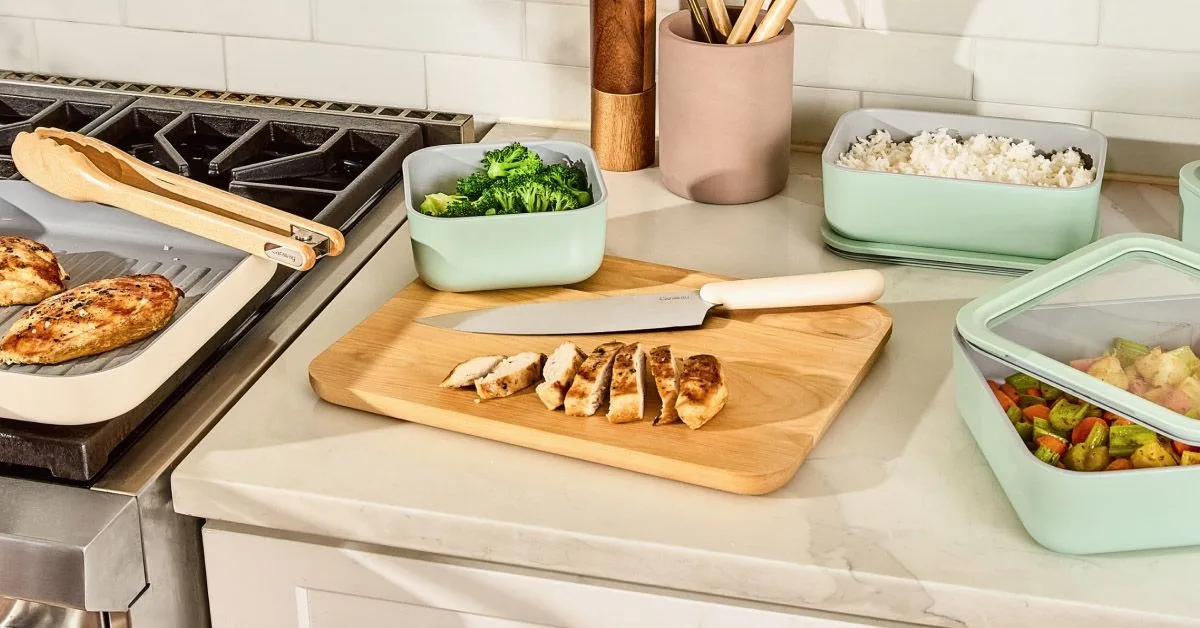
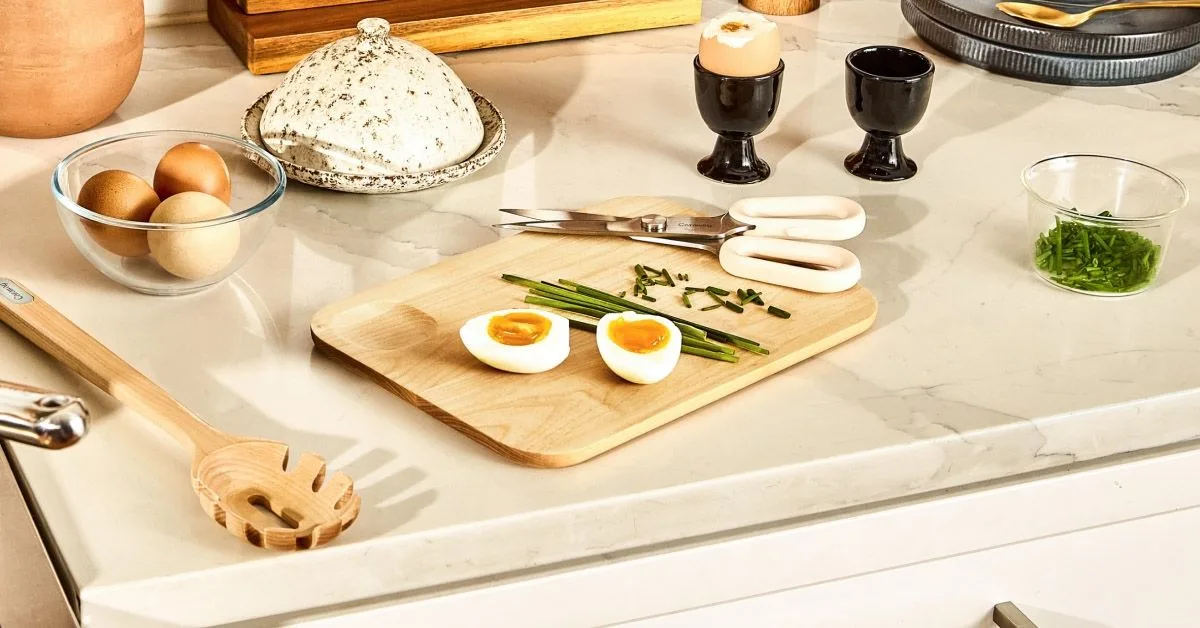
- Small Cutting Board: Crafted from non-toxic FSC-certified Birch wood and free of microplastics. A food-safe birch surface is gentle on knives and takes oil well, making it straightforward to season and maintain.
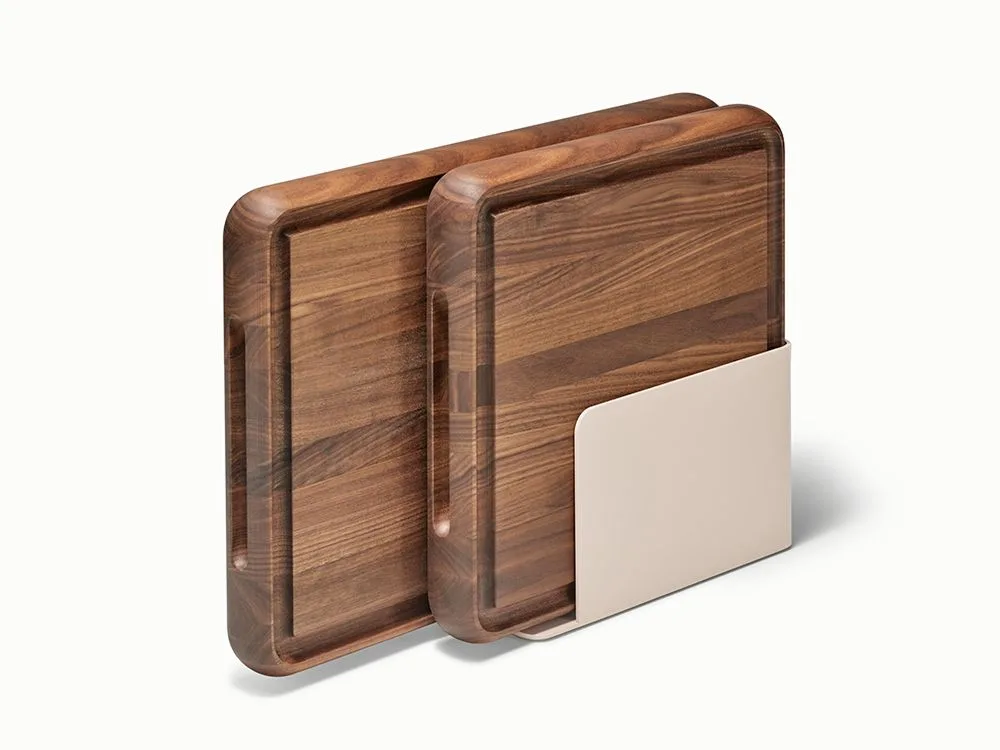
- Prep & Serve Butcher Block Set: Reversible Prep Side with grooves and a dished Serve Side for slicing and serving. One board handles both messy carving and table presentation, so you wash and oil one surface instead of two.
- Cutting Board Set: Includes multiple cutting boards for versatile use and is designed for everyday food prep. Having more than one board lets you rotate them, giving each one time to dry fully between uses.