Quick answer
Clean wooden toys with a damp cloth and mild soap, then dry them immediately. Never soak, dishwasher-wash, or submerge wooden toys, and avoid harsh disinfectants that can strip the finish. Condition unpainted wood occasionally with a food-safe oil, and store toys in a dry place so the wood does not crack or warp.
Wooden toys earn their keep. They survive dropped blocks, teething sessions, and years of pretend play, but they only stay safe and splinter-free if you clean them the right way. Water is the biggest threat: soak a wooden toy and the grain swells, the paint lifts, and the finish dulls.
The routine below takes a few minutes per toy and works for painted blocks, wooden trains, and natural-finish pieces. It also covers the maintenance habits that matter most, like conditioning dry wood and storing toys away from radiators and damp basements.
Start with a dry dusting
Before you reach for a wet cloth, wipe the toy with a dry microfiber cloth or a soft-bristled brush. This removes dust, crumbs, and sand without pushing grit into the grain or scratching the finish. For crevices on wooden trains, blocks, and puzzle pieces, a dry toothbrush works well.
A common mistake is skipping this step and going straight to a wet wipe. Grit trapped under a damp cloth acts like sandpaper and dulls painted surfaces over time. A 30-second dry pass keeps the finish intact and makes the next step more effective.
- Use a separate cloth for dry dusting so you do not spread moisture or grime.
- Check for loose paint or splinters now, before adding any water.
Wipe with a barely damp cloth and mild soap
Mix a few drops of mild dish soap into a bowl of warm water. Wring a microfiber cloth until it is barely damp, then wipe each toy. You want the cloth to feel almost dry, not dripping. This lifts sticky residue without letting water soak into the wood.
Rinse the cloth in clean water, wring it out again, and wipe once more to remove soap film. Soap left on the surface attracts dust and can leave a dull haze. If a toy is heavily soiled, wipe it in sections rather than soaking the whole piece.
- Never hold a wooden toy under running water or leave it to sit in a wet sink.
- For stubborn spots, use a slightly damp cloth with a dab of baking soda instead of scrubbing hard.
Dry immediately and completely
After wiping, dry the toy right away with a clean, dry towel. Pay attention to joints, wheels, and drilled holes where water hides. Then let the toy air-dry in a well-ventilated spot for at least an hour before your child plays with it again.
The most common mistake here is letting toys air-dry on a counter while still visibly wet. Standing water seeps into end grain and glue joints, which causes swelling, cracking, and loose parts. If you can see moisture, keep drying.
- Set toys on a wire rack rather than a flat surface so air reaches the underside.
- Skip the radiator and direct sun, which can warp or fade the wood.
Sanitize only when someone is sick
For everyday cleaning, soap and water are enough. When a toy has been in a sick child's mouth or shared during an illness, you can sanitize with a diluted vinegar solution: one part white vinegar to three parts water. Wipe with a barely damp cloth, then dry thoroughly.
Avoid bleach sprays, alcohol-heavy disinfectants, and all-purpose cleaners on painted or natural wood. They can strip the finish, fade colors, and leave residue that ends up in a child's mouth. If you use a commercial toy sanitizer, check that it is labeled safe for wood and follow the dwell time on the label.
- Vinegar smells strong at first but the odor fades once the toy is dry.
- Never submerge a wooden toy in sanitizing solution.
Condition bare wood once or twice a year
Unpainted wooden toys can dry out and feel rough over time, especially in winter. Rub a small amount of food-grade oil, such as fractionated coconut oil or mineral oil, into the wood with a soft cloth. Let it sit for 15 to 20 minutes, then buff off the excess.
Do not oil painted toys, toys with a clear lacquer finish, or anything your child is actively teething on unless the manufacturer says the finish is food-safe. When in doubt, leave it alone; a dry cloth wipe is always the safer choice.
- Test the oil on a hidden spot first to make sure it does not darken the wood unevenly.
- Wipe off all excess oil so the surface is not slippery.
Store toys dry and inspect them monthly
Keep wooden toys in a dry, room-temperature spot away from radiators, humidifiers, and damp basements. A breathable cotton bag or an open bin works better than a sealed plastic container, which can trap moisture and encourage mold.
Once a month, run your fingers along the edges and joints. Look for splinters, cracks, loose wheels, or chipped paint. Sand a rough spot with fine sandpaper if the manufacturer allows it, or retire the toy if a part is loose enough to come off in a child's mouth.
- Rotate toys rather than piling them up, so air circulates around each piece.
- Retire any toy with exposed splinters or peeling paint, especially for children under three.
Your wooden toy care routine, step by step
- Dust dry first: Wipe the toy with a dry microfiber cloth or soft brush to remove grit before any moisture touches the surface. Checkpoint: no visible dust or crumbs left in crevices.
- Wipe with a barely damp soapy cloth: Use warm water with a few drops of mild dish soap, wring the cloth until it is almost dry, and wipe the toy in sections. Mistake to avoid: soaking the toy or letting water pool in joints.
- Rinse and dry immediately: Wipe away soap film with a clean damp cloth, then towel-dry every surface, including wheels and drilled holes. Checkpoint: the toy feels completely dry before it goes back in the bin.
- Sanitize only when needed: For illness, wipe with a diluted vinegar solution of one part vinegar to three parts water, then dry thoroughly. Mistake to avoid: bleach or alcohol sprays that strip the finish.
- Condition bare wood: Once or twice a year, rub food-grade oil into unpainted wood, let it sit 15 to 20 minutes, then buff off the excess. Skip this step on painted, lacquered, or teething toys unless the maker says it is safe.
- Store dry and inspect monthly: Keep toys in a dry, room-temperature spot in a breathable bag or open bin, and check edges and joints for splinters or loose parts. Retire any toy with peeling paint or a part that could come loose.
Wooden toy care in practice
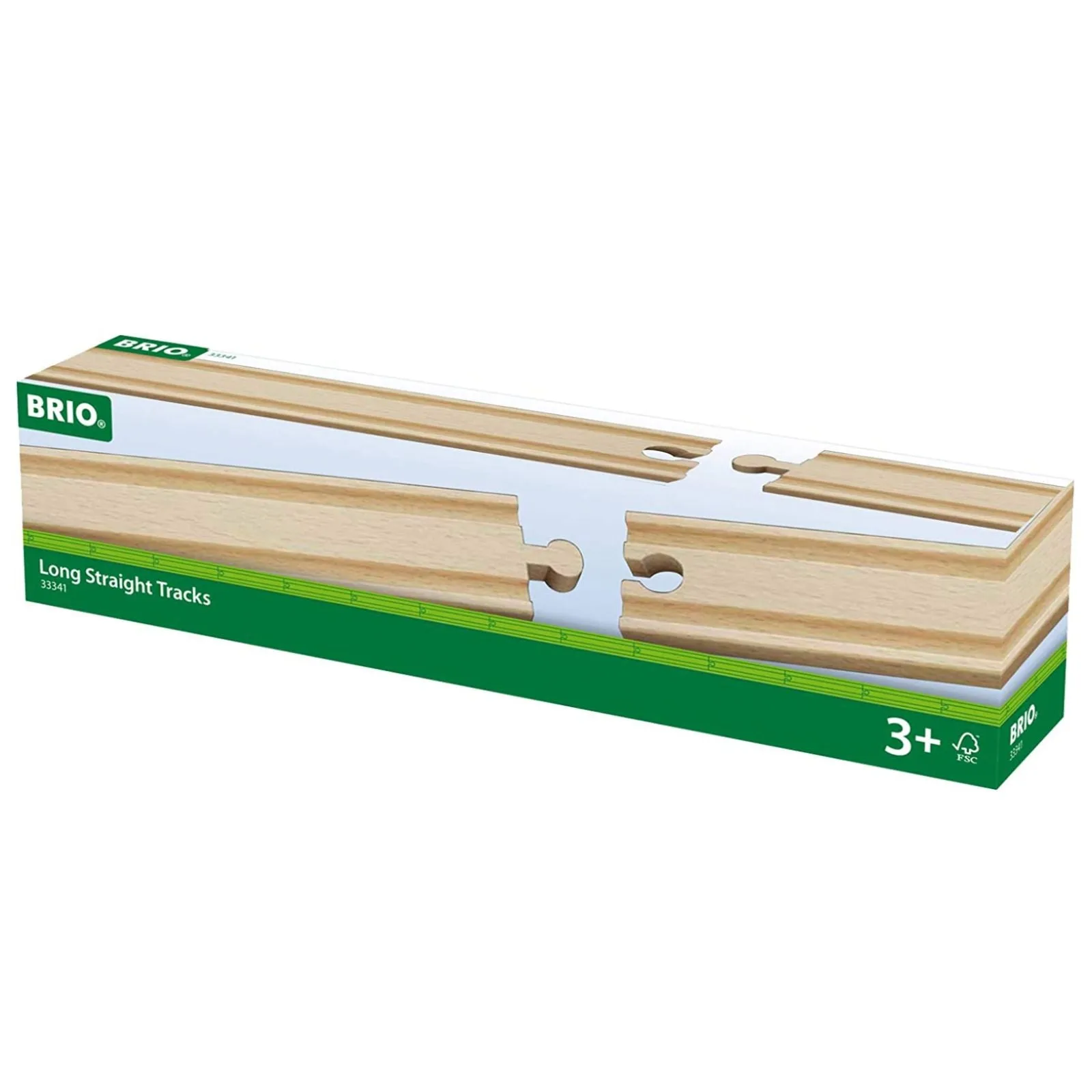
- Long Straight Tracks: These BRIO railway tracks are made from high-quality materials for long-lasting performance and compatibility with other BRIO railway components. Wooden train tracks take a lot of handling, so the dry-dust and barely-damp wipe routine keeps the connector joints clean and the finish intact.
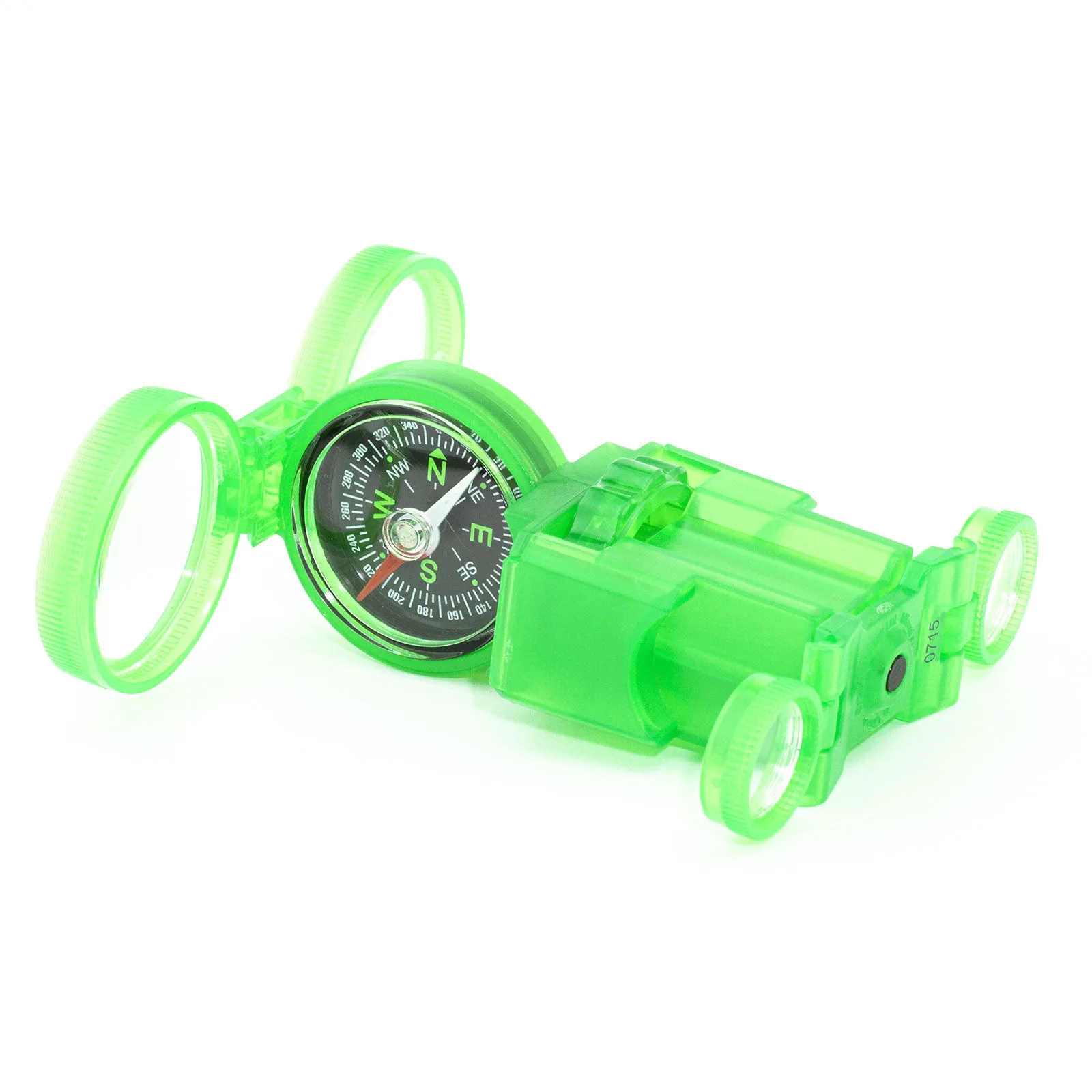
- Translucent Optic One: The handheld device includes a compass, monocular, binocular, signaling mirror, 2x and 4x magnifiers, and a magnifying mirror, with magnifiers that flip in and out. Multi-part explorer tools have small hinges and lenses that trap water, so wipe them with a barely damp cloth and dry the moving parts right away.
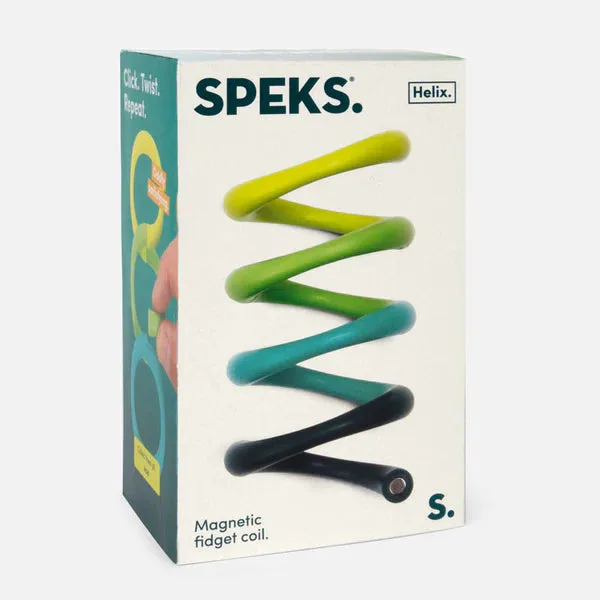
- Speks - Helix in Acid Green: Helix is a magnetic fidget coil with 8 plastic arcs and 16 neodymium rare earth magnets, for ages 8 and up. Magnetic fidgets are not wood, but they live in the same toy bin; keep them dry and away from the damp cloth so the magnets and plastic arcs stay in good shape.
Wooden toy care comes down to three habits: keep water to a minimum, dry completely every time, and check the wood regularly for wear. Do that, and a good wooden toy can be handed down instead of thrown out.