Quick answer
In humid climates, wooden toys need airflow, quick drying after cleaning, and storage away from damp floors or walls. Wipe with a barely damp cloth, dry immediately, and keep toys in a ventilated bin or shelf. If you see raised grain, sticking pieces, or a white haze, act fast—these are early signs of moisture damage. For tender leaf toy care, avoid soaking and never leave wooden pieces in a steamy bathroom.
Humidity is tough on wooden toys. It can swell the grain, make puzzle pieces stick, and cause warping if moisture sits for too long. But you don't need a dehumidifier in every room to keep play sets in good shape. A few consistent habits make the biggest difference.
This guide walks through the most common moisture problems, what causes them, and exactly what to do. You'll also find simple storage rules and the point where a damaged toy is better replaced than repaired.
Why humid climates are hard on wooden toys
Wood is hygroscopic—it absorbs and releases moisture from the air. In a humid climate, the outer layers of a toy can swell faster than the core, which stresses joints and painted surfaces. That's why a puzzle piece that fit perfectly in winter may feel tight in summer.
The risk isn't just rain or spills. Everyday indoor humidity from cooking, showers, and drying laundry can keep wooden toys slightly damp for weeks. Over time, that leads to raised grain, mold spots, and warping. The fix is not to seal toys in plastic, which traps moisture, but to give them steady airflow and a drier spot to live.
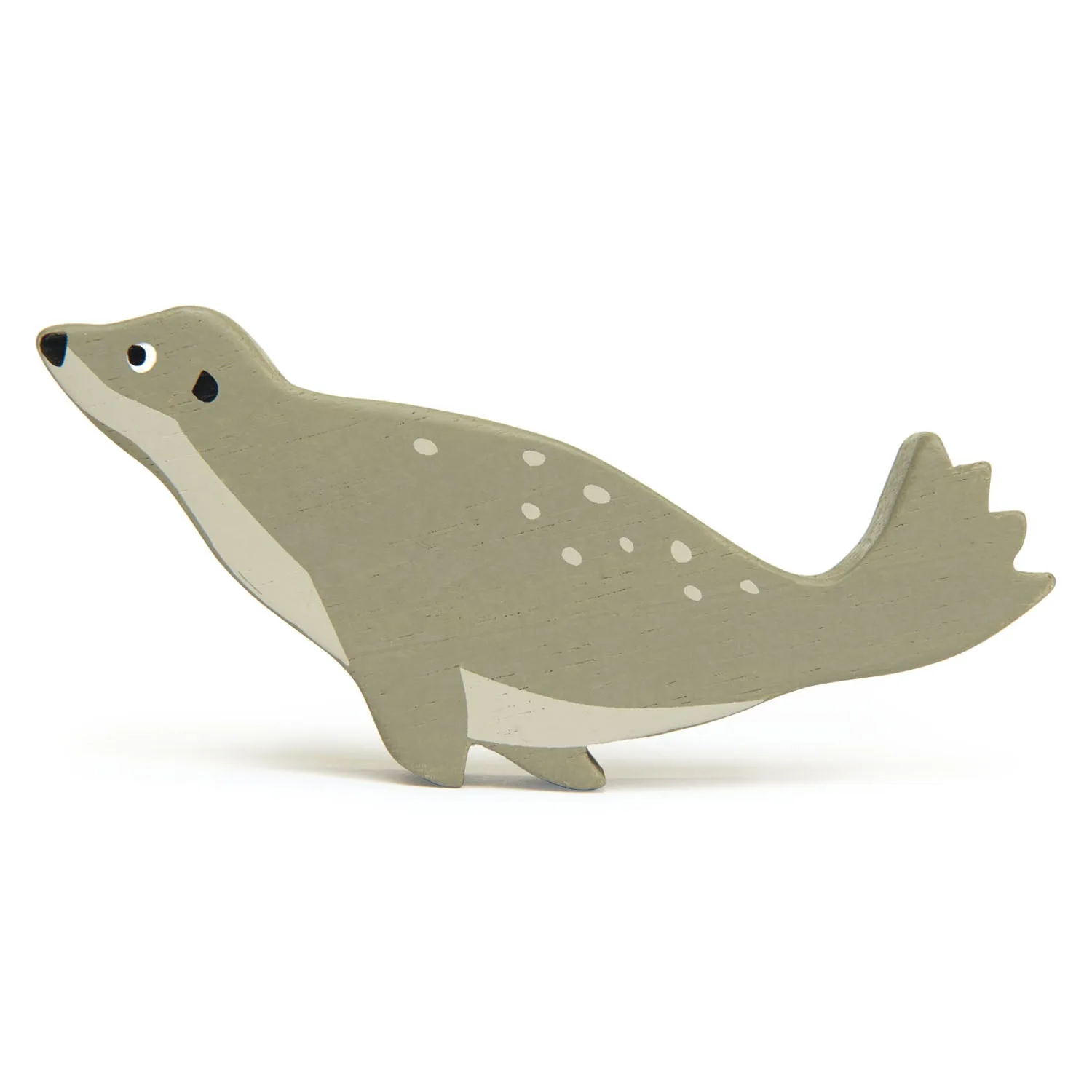
seal
- Keep indoor humidity between 40% and 60% when possible; a cheap hygrometer helps you track it.
- Avoid storing wooden toys directly on concrete floors or against outside walls, which wick moisture.
- Rotate toys so nothing sits untouched in a damp corner for months.
Symptom: puzzle pieces and blocks feel tight or stuck
If pieces that used to glide now need a push, the wood has likely absorbed moisture and swelled. Don't force them—that can chip paint or crack thin sections. Instead, spread the pieces out on a dry towel in a well-ventilated room for 24 to 48 hours. A fan on low, not pointed directly at the toy, speeds drying without causing uneven shrinkage.
Once dry, test the fit. If pieces still stick, a very light rub of beeswax or a food-safe wood conditioner on the edges can help. Avoid sanding painted surfaces, which removes the finish and exposes bare wood to more moisture.
- Never use a hair dryer or radiator to dry wooden toys—fast heat causes cracking.
- If a puzzle piece is still swollen after two days, store it separately with a silica gel packet and check weekly.
Symptom: white haze, dark spots, or a musty smell
A white cloudy film often means moisture is trapped under the finish. Dark spots or a musty smell point to mold. For light haze, wipe with a cloth barely dampened with a 50/50 mix of white vinegar and water, then dry immediately with a clean towel. For mold, isolate the toy, clean it outdoors if possible, and let it dry in direct sun for an hour—sunlight helps kill surface mold.
If mold has penetrated the wood or the smell lingers after cleaning and drying, the toy should be retired. Mold in deep grain is hard to remove safely, especially for toys that go in mouths.
- Wear a mask when cleaning moldy toys to avoid breathing spores.
- After cleaning, store the toy with a rechargeable silica gel pack and check it again in a week.
Symptom: warping, splitting, or loose joints
Warping happens when one side of a wooden piece dries faster than the other. A slightly curved base may still be usable, but a split along the grain or a wobbly joint is a safety concern. Small splits can sometimes be stabilized with wood glue and a clamp, but only if the toy is unpainted and the crack is clean.
For painted toys or structural cracks, replacement is usually the safer choice. A toy that splinters or comes apart can become a choking hazard. If you're unsure, test by gently flexing the piece—any movement at a joint means it's time to stop using it.
- Do not use superglue on toys; it dries brittle and can break into sharp bits.
- Check warped toys after every humid season and retire anything with exposed splinters.
Prevention: storage and daily habits that work
The best wooden toy storage humidity strategy is airflow plus a dry home base. Open shelves or breathable fabric bins beat sealed plastic containers, which trap damp air. If you use a toy box, drill a few ventilation holes or leave the lid ajar. In very humid rooms, a small rechargeable dehumidifier or silica gel packs in the storage area can help.
Cleaning matters too. Wipe toys with a barely damp cloth—never soaking wet—and dry immediately. For sticky messes, use a mild soap and water on the cloth, not poured onto the toy. Let toys air-dry completely before putting them away. If you live in a consistently damp climate, a weekly check of favorite toys takes two minutes and catches problems early.
- Store toys at least a few inches off the floor and away from exterior walls.
- Air out toy bins monthly, especially during rainy season.
- Keep a small towel near the toy area for quick drying after spills.
Diagnosis: match the symptom to the fix
- Tight or stuck pieces: Wood has absorbed moisture and swelled. Spread pieces out in a dry, ventilated room for 24–48 hours. Do not force them apart. If still tight after drying, rub edges with beeswax; if they crack, retire the toy.
- White haze or musty smell: Moisture is trapped under the finish or mold is starting. Wipe with diluted white vinegar, dry immediately, and sun the toy for an hour if possible. If mold spots or smell remain after cleaning, stop using the toy—deep mold is not safe to remove at home.
- Warping or loose joints: Uneven drying or glue failure. Small unpainted cracks can be glued and clamped; painted or structural cracks cannot be safely repaired. If the toy flexes at a joint or has splinters, replace it rather than risk injury.
Wooden toys that handle humid-climate care well
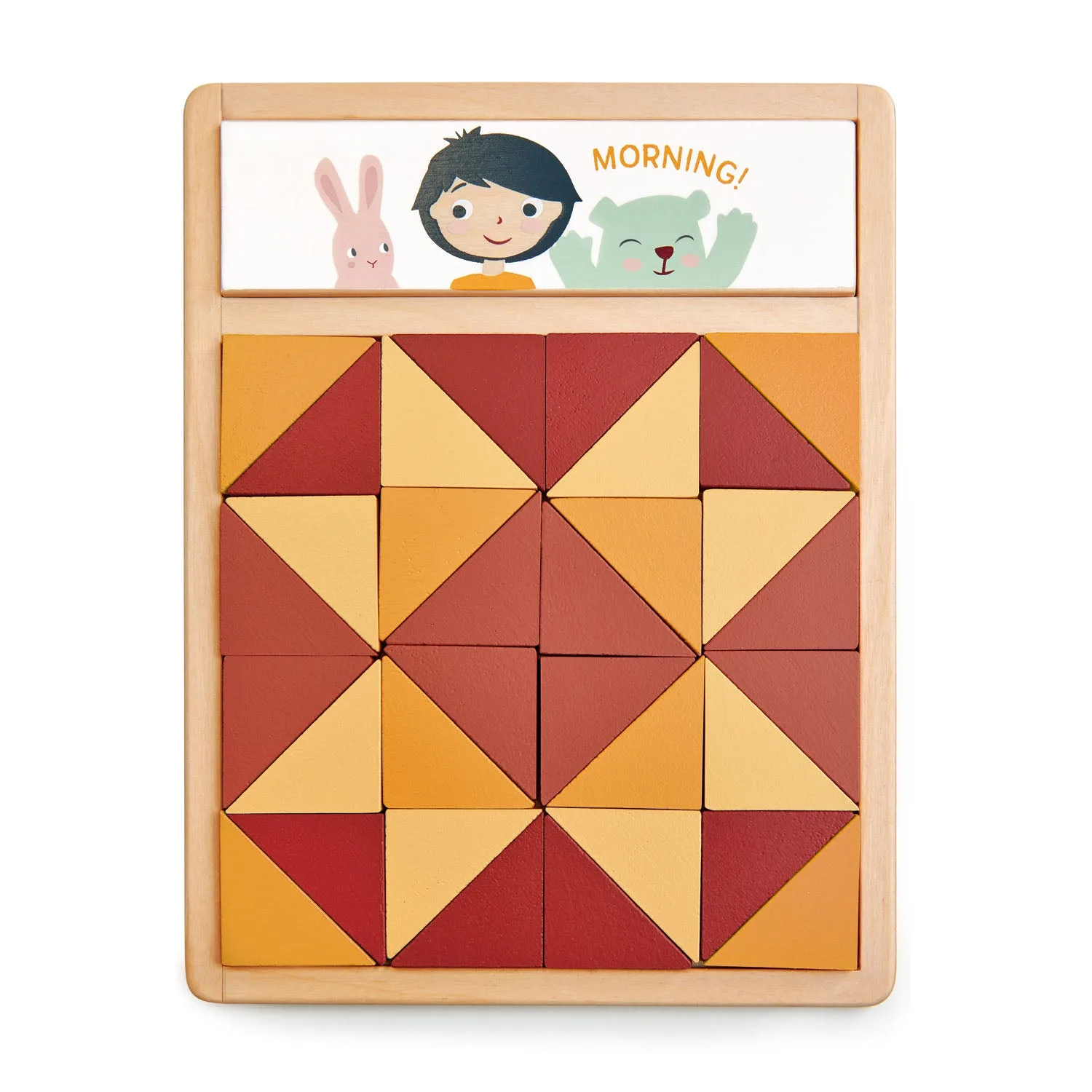
- Patchwork Quilt Puzzle: Traditional patchwork quilt pieces and the infinite number of patterns that can be made from triangular pieces are explored here with 32 pieces in 4 different colors. The top bar shows our little boy and his 2 favorite toys asleep on one side and awake on the other! With 32 pieces, this puzzle has many small parts that can swell and stick in humidity. Drying pieces separately after cleaning and storing them flat with airflow prevents warping and keeps the set playable.
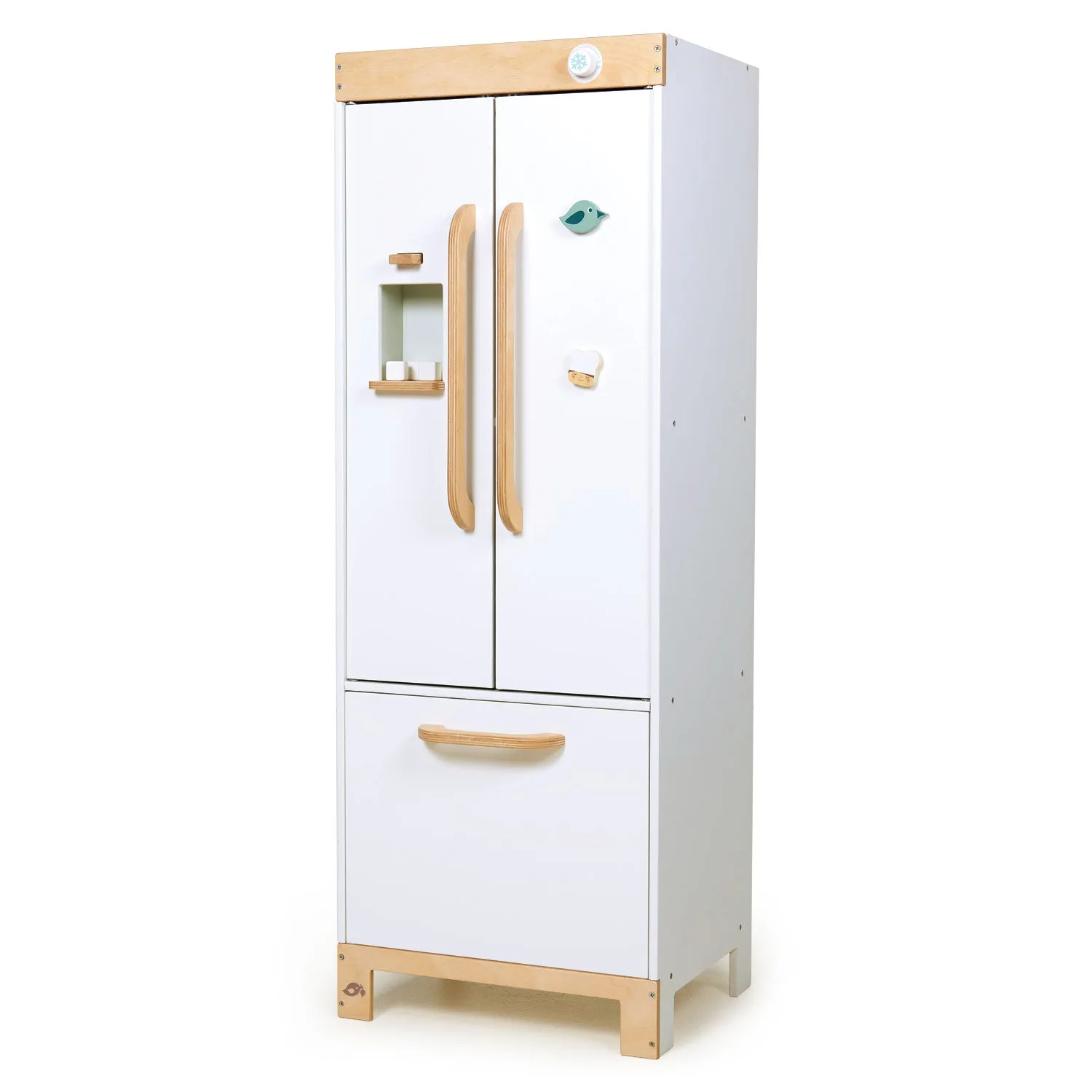
- Tenderleaf Refrigerator: Need somewhere to chill your ice-creams? A stand-alone white fridge-freezer makes a great addition to our La Fiamma Grand Kitchen. Our stylish fridge has a real wow factor with a unique functioning ice cube dispenser which drops ice cubes with the press of a button. Complete with 3 ice-cream cornets, 3 brown eggs on an egg stand, a bottle of milk, and two magnets. This larger wooden piece has a functioning ice cube dispenser and small accessories. In humid climates, wipe the exterior and dry the dispenser area promptly, and store the small accessories in a breathable bag to prevent mold.
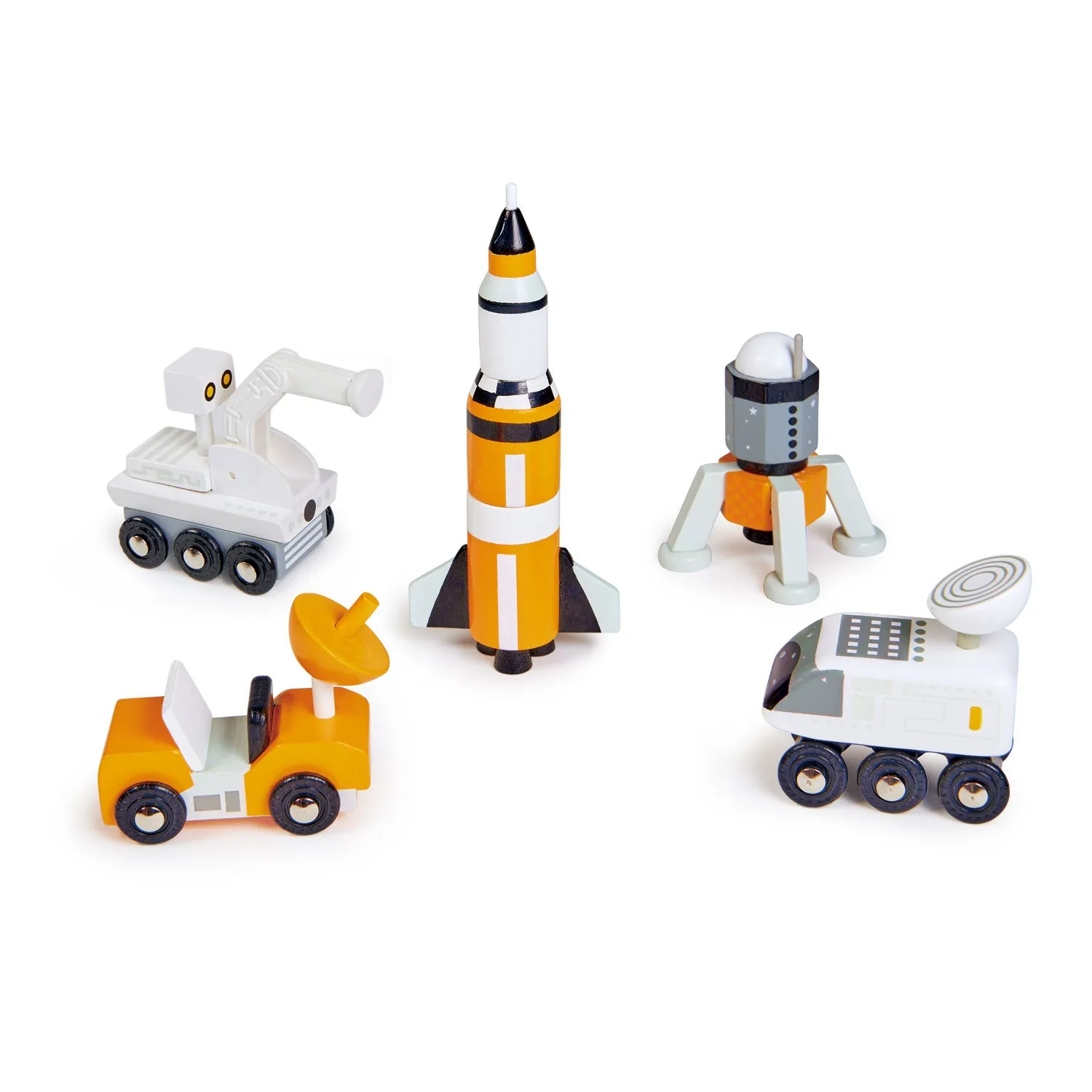
- Space Voyager Set: Solid wood space vehicles for inter-galactic adventures, set includes: a 3-part rocket, a moon landing capsule, a lunar roving vehicle, a launch crew rover, and a lunar probe. The 3-part rocket and small vehicles have joints that can loosen with moisture swings. Check connections after humid spells and dry all pieces fully before storing to avoid warping.
Humid climates don't have to ruin wooden toys. With quick drying, breathable storage, and a monthly check, most sets stay in great shape for years. When damage goes deep—mold, splits, or loose joints—replacing the toy is the safer, simpler choice.