Quick answer
Store your A5 notebook flat in a dry, cool place, use a pen with quick-drying ink to prevent smudging, and handle the cover gently to keep it looking fresh.
Why paper quality matters for notebook longevity
The paper in your notebook is the foundation of its lifespan. Heavier paper, like the 80g/m2 uncoated stock in the Kartos A5 Notebook, resists bleed-through and holds up to erasing better than lighter sheets. This means your notes stay legible and the pages don't tear easily with regular use.
Uncoated paper also has a slight texture that grips pencil and most pen inks, reducing smudging. However, it can be more absorbent than coated paper, so very wet inks may feather slightly. Understanding this trade-off helps you choose the right writing tool for your notebook.
The role of cover material in daily durability
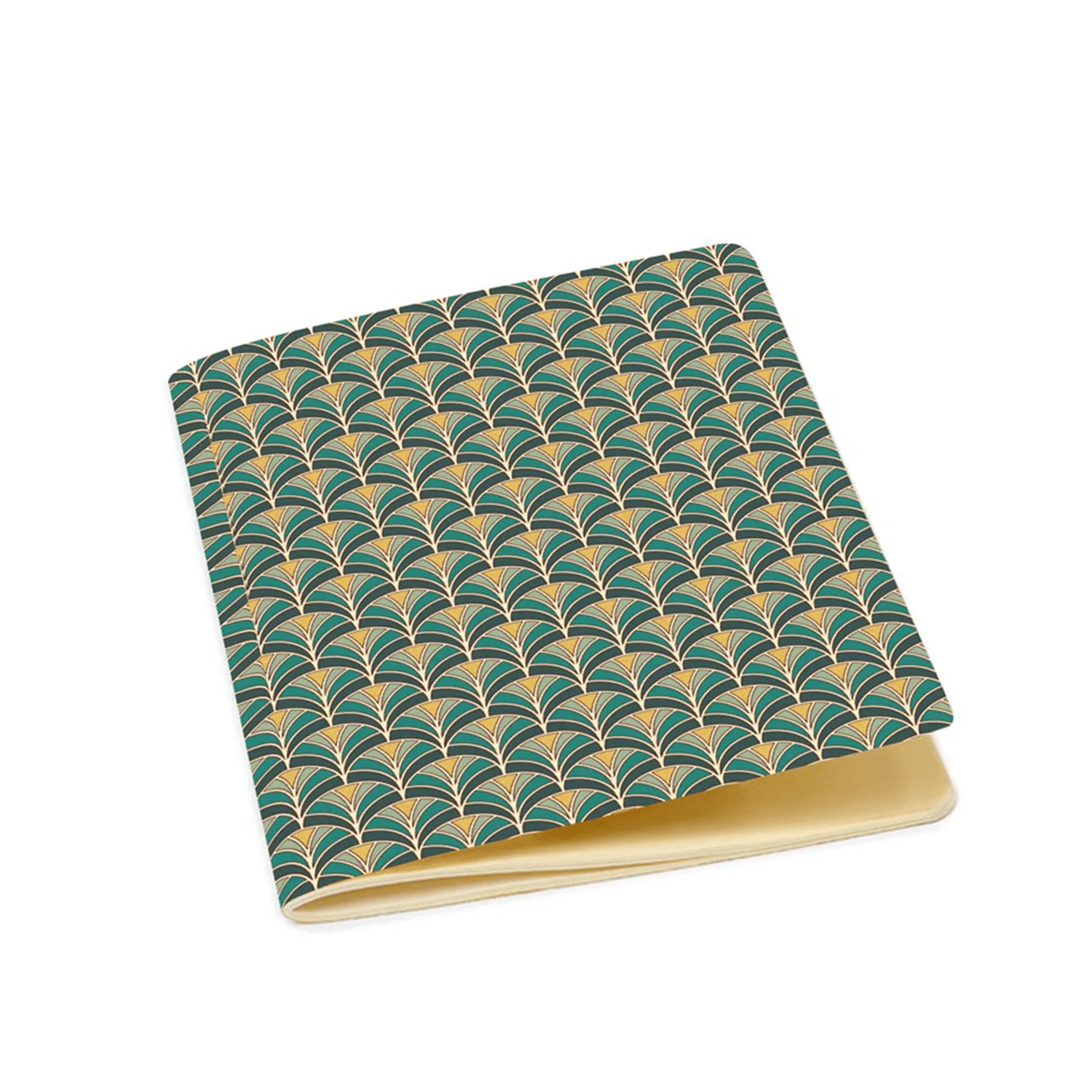
A sturdy cover protects the pages inside from bends, spills, and everyday wear. The Kartos A5 Notebook uses a 200g/m2 cardboard cover, which is thick enough to resist minor pressure but still flexible. It won't dent like a softcover, but it's not waterproof—so keep it away from drinks and rain.
If you carry your notebook in a bag, consider a sleeve or pouch to prevent scuffs and corner damage. The cardboard cover can also be personalized with stickers or washi tape, but avoid peeling them off aggressively, as that may lift the surface layer.
Frequently asked questions about notebook care
How should I store my A5 notebook when not in use?
Lay it flat on a shelf or in a drawer away from direct sunlight, heat vents, and damp areas. Standing it upright can cause pages to curl or the spine to warp over time. If you stack multiple notebooks, place a lightweight board between them to distribute pressure evenly.
What pen is best to avoid smudging on uncoated paper?
Choose a pen with quick-drying ink, such as a fine-liner, gel pen with pigment ink, or a ballpoint. Fountain pens with wet ink may take longer to dry on 80g/m2 uncoated paper, so allow a few seconds before closing the notebook or turning the page. Test a new pen on the last page first. Test any new pen on a spare page to see how it behaves with your notebook's paper.
How can I keep my planner organized without damaging the pages?
Use a bookmark or a thin sticky note to mark your current page instead of bending the corner. For recurring tasks, write in pencil so you can erase changes without tearing the paper. Avoid using heavy tape or glue that can warp the thin pages; washi tape is a gentler alternative.
What should I do if the cover gets dirty?
Gently wipe the cardboard cover with a slightly damp cloth, then blot with a dry cloth. Do not soak the cover or use harsh cleaners, as moisture can weaken the cardboard. For stubborn marks, try a soft eraser first. If the cover is a light color, consider a transparent cover sleeve to prevent future stains.
How long can I expect an A5 notebook to last with regular use?
With proper care—storing flat, using compatible pens, and handling the cover gently—a notebook like the Kartos A5 can last several years. The stapled binding is secure but not designed for heavy opening and closing; avoid forcing it flat to prevent pages from loosening. If you fill it slowly, it will remain in good condition for reference later. For notebooks you revisit often, consider adding a ribbon bookmark to avoid repeated bending of the spine.
Product spotlight
-
Kartos A5 Notebook: The Kartos A5 Notebook features 64 pages of 80g/m2 uncoated paper and a 200g/m2 cardboard cover, made in Italy. The heavier paper reduces ink bleed-through, and the sturdy cover protects your notes during daily carry, making this notebook a reliable choice for long-term use.
Kartos A5 Notebook