Quick answer
Care for an acacia footed server by hand-washing it promptly with mild soap and warm water, drying it completely, and applying a food-safe mineral oil every four to six weeks. Never soak it, put it in the dishwasher, or let it air-dry. This routine prevents cracking, warping, and dullness while keeping the wood food-safe.
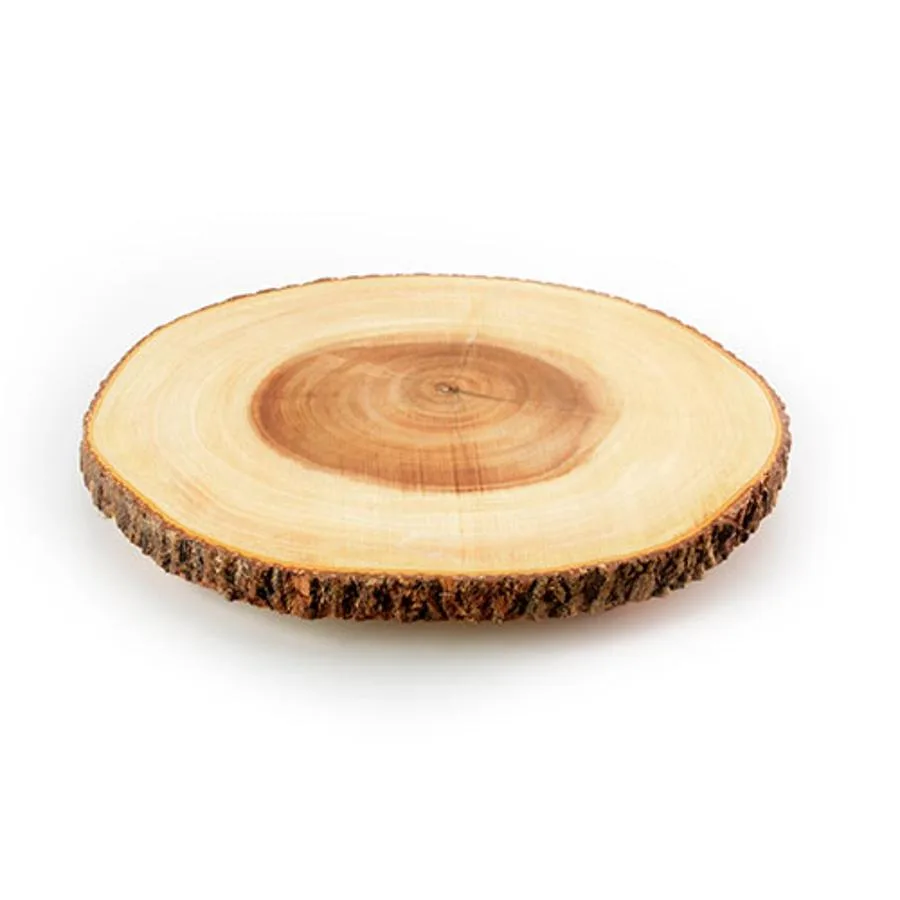
acacia footed server
Acacia footed servers earn their keep on cheese boards, appetizer spreads, and holiday tables. The raised feet make them easy to lift and display, but that same wood construction means they need more than a quick rinse if you want them to stay smooth and crack-free.
The good news: acacia is dense and naturally resistant to moisture, so a little consistent maintenance goes a long way. This guide walks through the exact steps to clean, oil, and store your footed server, plus the mistakes that cause most wood damage. If you also own a flat acacia piece, such as the Acacia 10-12in. Tree Bark Server, the same routine applies.
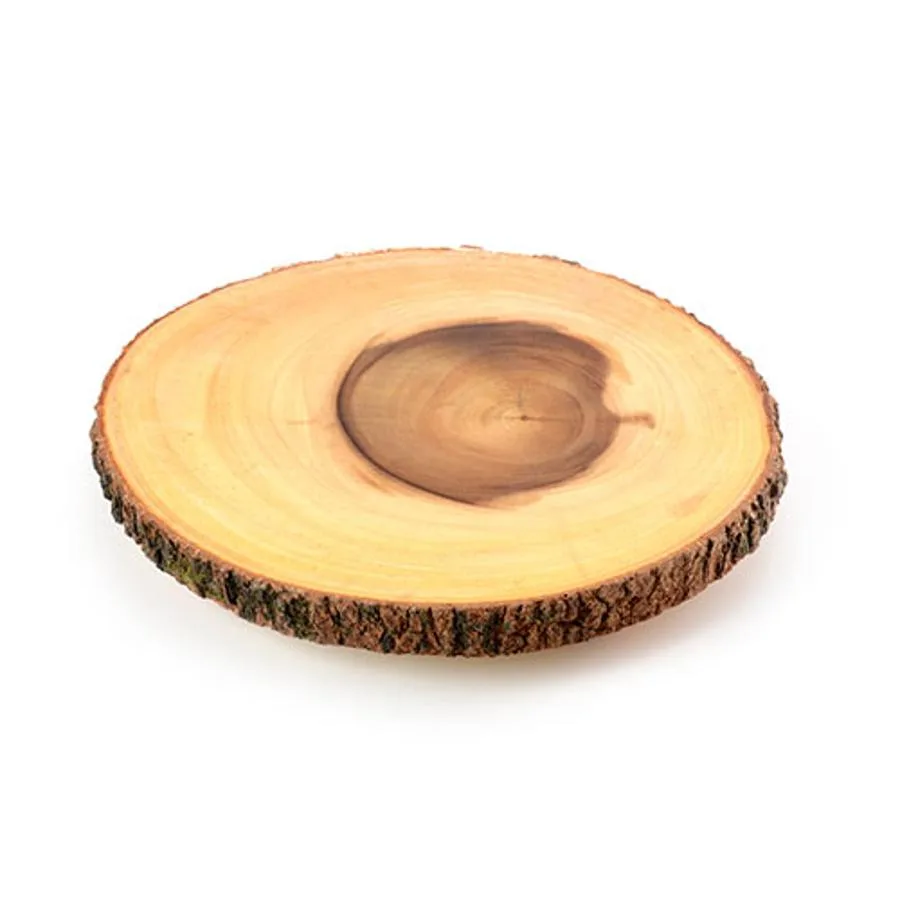
Acacia 10-12in. Tree Bark Server
Why acacia footed servers need special care
Acacia wood is prized for its rich dark color and tight grain, but like any wood, it expands and contracts as moisture levels change. A footed server has more exposed end grain around the base, which is where cracks often start. Hand-washing and regular oiling keep the wood sealed so water cannot seep in.
Heat is another enemy. Leaving a server near a hot pan or in direct sun can dry the surface and cause it to split. Treat your footed server like a piece of furniture that happens to hold food: keep it cool, dry, and conditioned.
- Never soak or submerge the server; water can wick into the feet and cause splitting.
- Skip the dishwasher entirely—heat and detergent strip the wood's natural oils.
Everyday cleaning without damage
After serving, wash the server by hand in warm water with a drop of mild dish soap. Use a soft sponge or cloth; abrasive scrubbers scratch the surface and make it easier for stains to set. Rinse quickly under running water rather than letting it sit in a filled sink.
Dry immediately with a clean towel, then let it air-dry completely on a rack before putting it away. Pay attention to the feet and any carved details where water can hide. If you served something oily or strongly flavored, a paste of baking soda and water can lift odors without harsh chemicals.
- For sticky residue, wipe with a cloth dampened with white vinegar, then re-oil.
- Do not use bleach, ammonia, or citrus-based cleaners; they dry out and discolor acacia.
How to oil an acacia server
Oiling is the single most important step in wood server maintenance. Use a food-safe mineral oil or a butcher-block conditioner—never cooking oil like olive or vegetable oil, which can turn rancid. Apply a small amount to a lint-free cloth and rub it into the wood in the direction of the grain.
Let the oil soak in for 15 to 20 minutes, then buff off any excess with a dry cloth. For a new server, oil once a week for the first month, then once a month after that. If the wood looks pale or feels dry, it is asking for oil. A well-oiled server will darken slightly and develop a soft sheen.
- Oil both the top and the underside, including the feet, to balance moisture.
- If the server feels tacky after buffing, you used too much oil—wipe again and let it rest.
Storing your footed server
Store your acacia footed server in a dry, well-ventilated cabinet or on an open shelf. Avoid stacking heavy items on top of it, which can dent the surface or stress the feet. If you need to stack it with other serving pieces, place a soft cloth between layers.
Humidity swings are hard on wood. Keep the server away from radiators, windows with direct sun, and damp basements. A consistent indoor environment is your best defense against warping and cracks.
- Do not wrap the server in plastic; trapped moisture encourages mold and mildew.
- If you live in a very dry climate, oil more often—every two to three weeks.
Your step-by-step acacia footed server care routine
- Wash by hand immediately after use: Use warm water, a drop of mild dish soap, and a soft sponge. Rinse quickly and do not let the server soak. Checkpoint: if the wood feels rough after washing, it needs oiling.
- Dry thoroughly, especially the feet: Towel-dry the entire server, then let it air-dry on a rack for 30 minutes before storing. Common mistake: putting it away damp, which can cause mold and cracks.
- Oil with food-safe mineral oil: Apply a thin coat with a lint-free cloth, let sit 15–20 minutes, then buff off the excess. Oil monthly, or weekly for a new server. Checkpoint: the wood should look slightly darker and feel smooth, not greasy.
- Store in a dry, stable spot: Keep the server in a ventilated cabinet away from heat, direct sun, and humidity swings. Do not stack heavy items on top. Next step: set a monthly reminder to oil and inspect the feet for small cracks.
Product facts that guide your care routine
- Acacia 10-12in. Tree Bark Server: Handcrafted from acacia wood with a rich dark color, ideal for serving cheese, crackers, and hors d'oeuvres. The same hand-wash and oil routine applies to this flat server, so you can care for both pieces together.
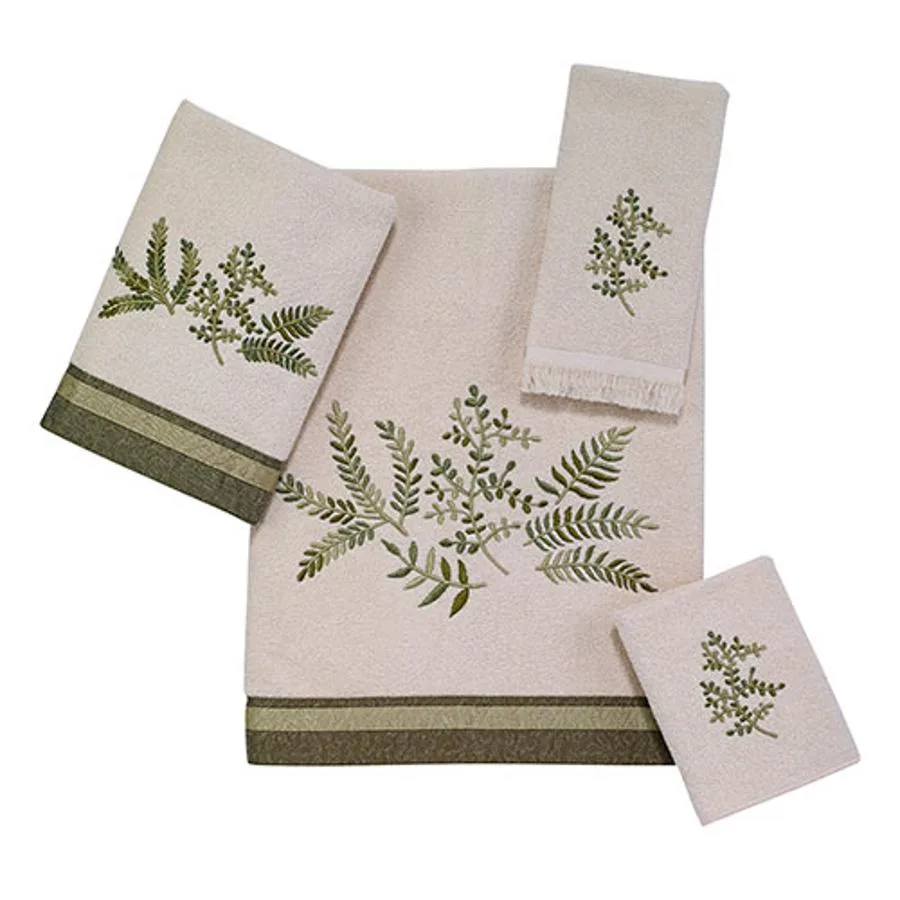
- Avanti Linens Greenwood Towel Collection: Made of 100% cotton with a botanical motif; machine wash warm, gentle cycle, tumble dry low. Use a soft cotton towel from this collection to dry your acacia server without scratching the wood.
Acacia footed servers are built to be used, not just displayed. With a quick hand-wash, a monthly oiling, and smart storage, yours will stay beautiful and food-safe for years. Keep a bottle of mineral oil near your serving pieces, and the routine becomes second nature.