Quick Answer
To keep baby muslins soft and absorbent, wash them in warm water (40°C max) with a mild, fragrance-free detergent, skip fabric softeners, and air dry or tumble dry low. Always pre-treat stains and avoid high heat to prevent shrinkage and maintain breathability.
Baby muslins are a parent’s best friend, used for burping, swaddling, and wiping up spills. But with constant use, they can quickly become stiff, less absorbent, or even damaged if not cared for properly. Learning how to wash baby muslins correctly ensures they stay soft and functional for your little one.
In this guide, we’ll walk you through the best practices for baby muslin care, from pre-treating stains to drying methods. You’ll also discover common mistakes to avoid, so your muslin cloths remain in top condition wash after wash.
Pre-Treat Stains Promptly
Baby muslins are magnets for spit-up, drool, and food stains. The key to keeping them looking fresh is to treat stains as soon as they happen. Rinse the stained area with cold water to loosen the residue, then gently rub a small amount of mild detergent or a stain remover into the fabric. Let it sit for 10–15 minutes before washing.
Avoid using hot water on fresh stains, as it can set the protein in milk or formula, making the stain harder to remove. For stubborn stains, you can soak the muslin in a solution of cold water and a gentle oxygen-based bleach alternative, but always check the care label first.
- Always test any stain remover on a small, inconspicuous area first.
Choose the Right Wash Cycle and Detergent
When washing baby muslins, use a gentle cycle with warm water (around 40°C) to effectively clean without causing excessive wear. Select a mild, fragrance-free detergent that’s safe for sensitive baby skin. Harsh chemicals and strong fragrances can irritate your baby and break down the cotton fibers over time.
Avoid fabric softeners at all costs—they coat the fibers with a waxy layer that reduces absorbency and makes muslins less soft. Instead, add half a cup of white vinegar to the rinse cycle as a natural softener and odor remover. Vinegar also helps break down any detergent residue, keeping muslins fluffy.
- If your muslins have a lingering smell, add a half-cup of baking soda to the wash along with your detergent.
Drying Methods: Air Dry vs. Tumble Dry
After washing, you have two options: air drying or tumble drying. Air drying is the gentlest method and helps preserve the fabric’s integrity. Hang muslins in a well-ventilated area, preferably out of direct sunlight to prevent fading. If you’re in a hurry, tumble drying on a low heat setting is safe, but remove them while still slightly damp to avoid over-drying.
High heat is the enemy of muslin—it can cause shrinkage, make the fabric stiff, and weaken the weave. If you prefer the softness that comes from tumble drying, use the lowest heat setting and check frequently. Once dry, give them a gentle shake to fluff the fibers.
- To save time, you can dry muslins on a clothesline inside your home—they dry quickly.
Step-by-Step Muslin Care Routine
- Step 1: Rinse and Pre-Treat: Immediately rinse soiled muslins under cold water to remove residue. Apply a mild stain remover or detergent directly to stains and let it sit for 10–15 minutes. Checkpoint: Stain should be visibly lighter before washing.
- Step 2: Wash on Gentle Cycle: Place muslins in the washing machine with a gentle, fragrance-free detergent. Use warm water (max 40°C) and select a delicate or gentle cycle. Avoid overloading the machine to ensure thorough cleaning. Checkpoint: Never use fabric softener or bleach.
- Step 3: Dry with Care: Remove muslins promptly after the cycle ends. Air dry on a line or flat surface, or tumble dry on low heat. Remove from the dryer while slightly damp to prevent stiffness. Checkpoint: Muslins should feel soft and flexible, not stiff or rough.
Muslin Care in Practice
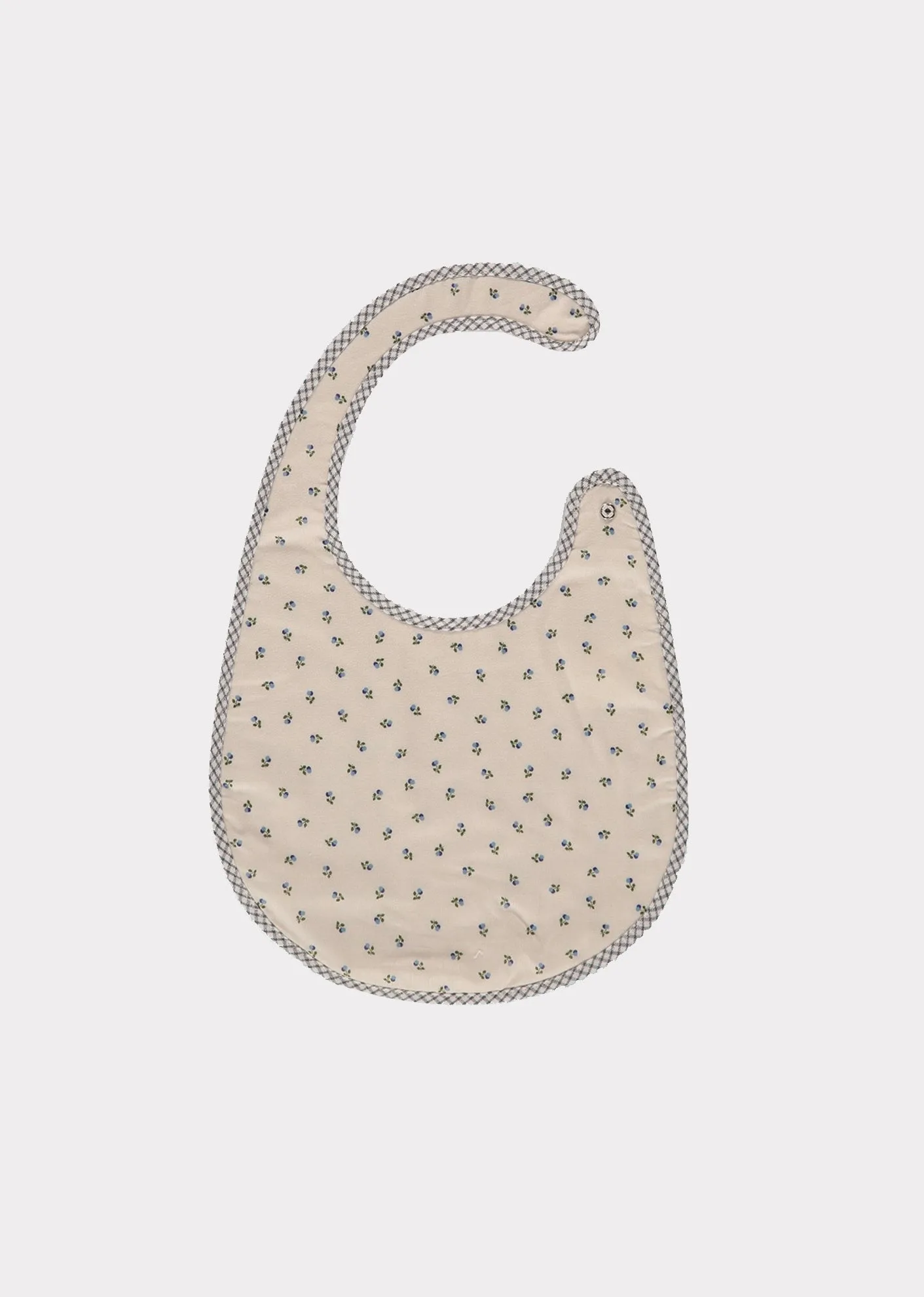
- BIB - BLUE BLOSSOM: The perfect gift for little ones. Choose from a selection of soft cotton bibs in a variety of contemporary tones and Caramel prints. These bibs are made from soft cotton, similar to muslin, and benefit from the same gentle washing routine to keep them soft and absorbent for everyday feeding.
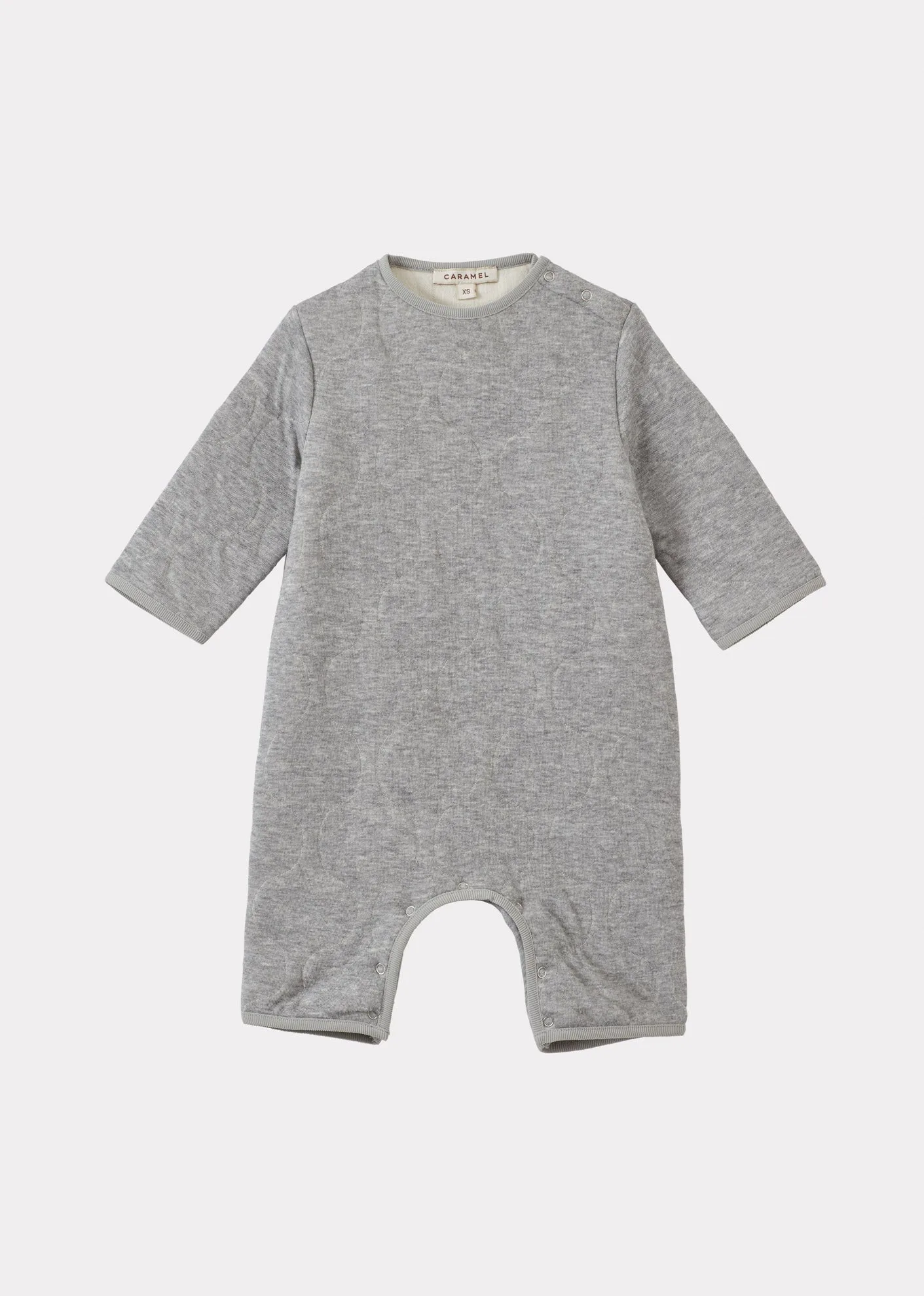
- LARCH COTTON BABY ROMPER - GREY: Crafted in soft, artisan cotton jersey, sourced by our team from Japan, it boasts a stitched, quilted finish, a tonal trim, and a popper opening on the shoulder and the gusset for extra added comfort and functionality. This romper’s delicate cotton jersey requires similar care to muslins—gentle washing and low heat—to maintain its softness and shape.
With these simple steps, you can keep your baby muslins soft, absorbent, and durable for all those messy moments. Proper care not only extends their life but also ensures comfort for your little one’s delicate skin.