Building a chocolate collection is a joy—whether you are saving award-winning bars for a special occasion, curating a selection of single-origin couverture for baking, or simply hoarding your favourite treats. But chocolate is a delicate product. Temperature fluctuations, humidity, light, and strong odours can all compromise its flavour, texture, and appearance. Without proper care, even the finest artisan chocolate can develop bloom, become stale, or lose its aromatic complexity.
At Tosier Chocolatemaker, we believe that caring for your chocolate is part of the experience. From the moment a bar arrives at your door to the day you unwrap it, a few simple practices will keep it in peak condition. In this guide, we will walk you through the essentials of chocolate collection maintenance—covering storage temperature, humidity control, packaging, and how to handle common issues like bloom. Whether you are a seasoned collector or a newcomer to artisan chocolate, these tips will help you preserve every carefully crafted piece.
Why Proper Chocolate Storage Matters
Chocolate is a fat-based product, and its crystalline structure is sensitive to heat. When stored above 21°C (70°F), cocoa butter begins to melt and recrystallise, leading to fat bloom—a greyish-white film on the surface. While bloom is safe to eat, it alters the texture and can mute the flavour. Similarly, moisture from humidity above 65% can cause sugar bloom, creating a gritty feel. Proper care for chocolate collection ensures that every bar retains its intended snap, shine, and taste.
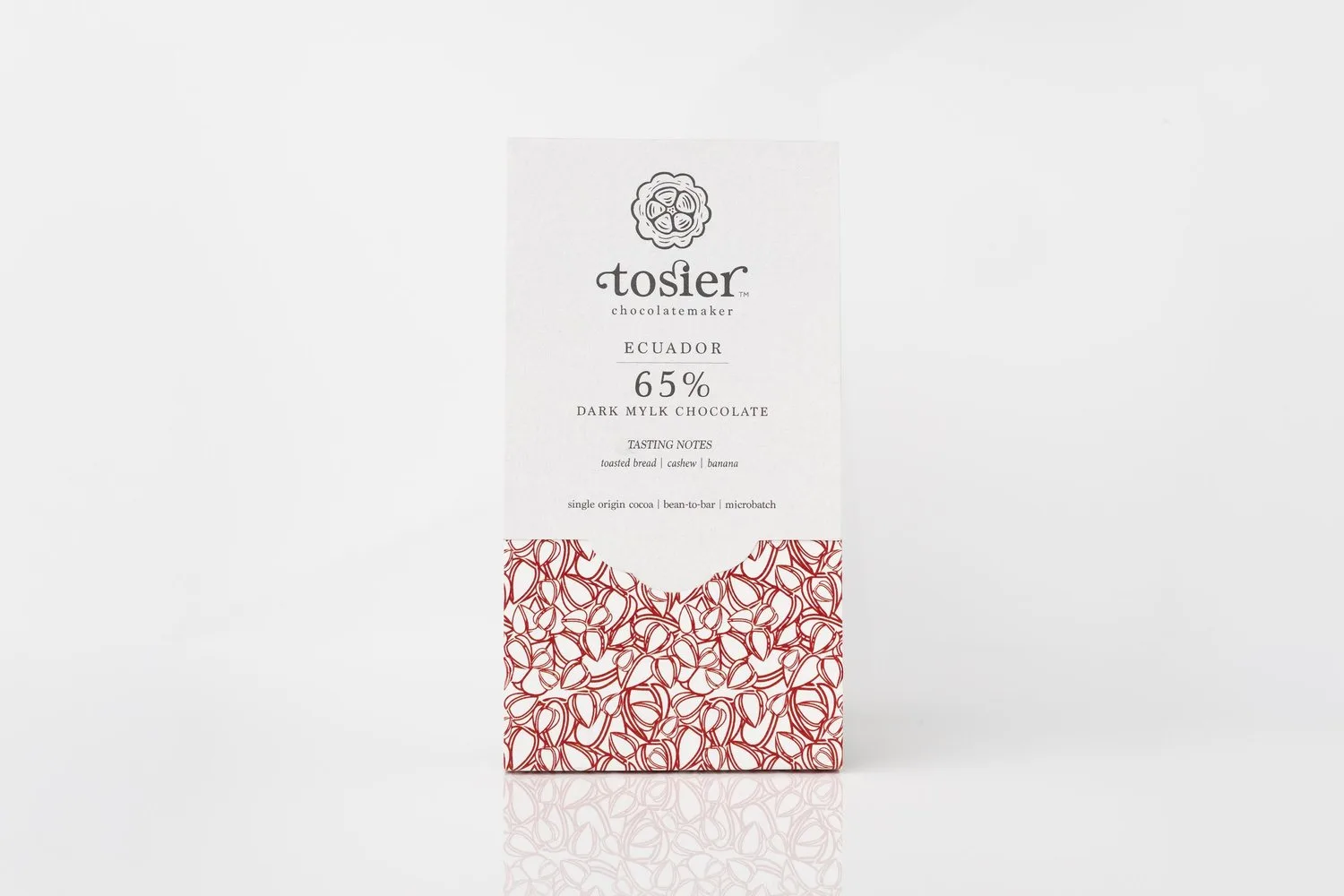
For artisan chocolate, which often contains minimal additives and no preservatives, the margin for error is smaller. The subtle notes of a single-origin bar—like the fruity undertones of a 70% Maya Mountain, Belize 2025 Harvest 60g Gold AoC Award—can be lost if the chocolate is stored near strong-smelling foods such as onions or spices. Chocolate acts like a sponge for odours, so keeping it in a clean, neutral environment is crucial for preserving its character.
- Store chocolate in a cool, dark place between 15°C and 18°C (59°F–64°F) for optimal freshness.
- Avoid storing chocolate in the refrigerator unless absolutely necessary, as condensation can damage the surface.
The Ideal Environment for Your Chocolate Collection
The best place to store chocolate is a pantry or cupboard away from heat sources like ovens, radiators, or direct sunlight. If you live in a warm climate, consider a wine cooler set to 15°C–17°C—it provides stable temperature and humidity control. Avoid basements or garages where temperature swings are common. A consistent environment is more important than a perfectly cool one; fluctuations cause the cocoa butter to separate and bloom.
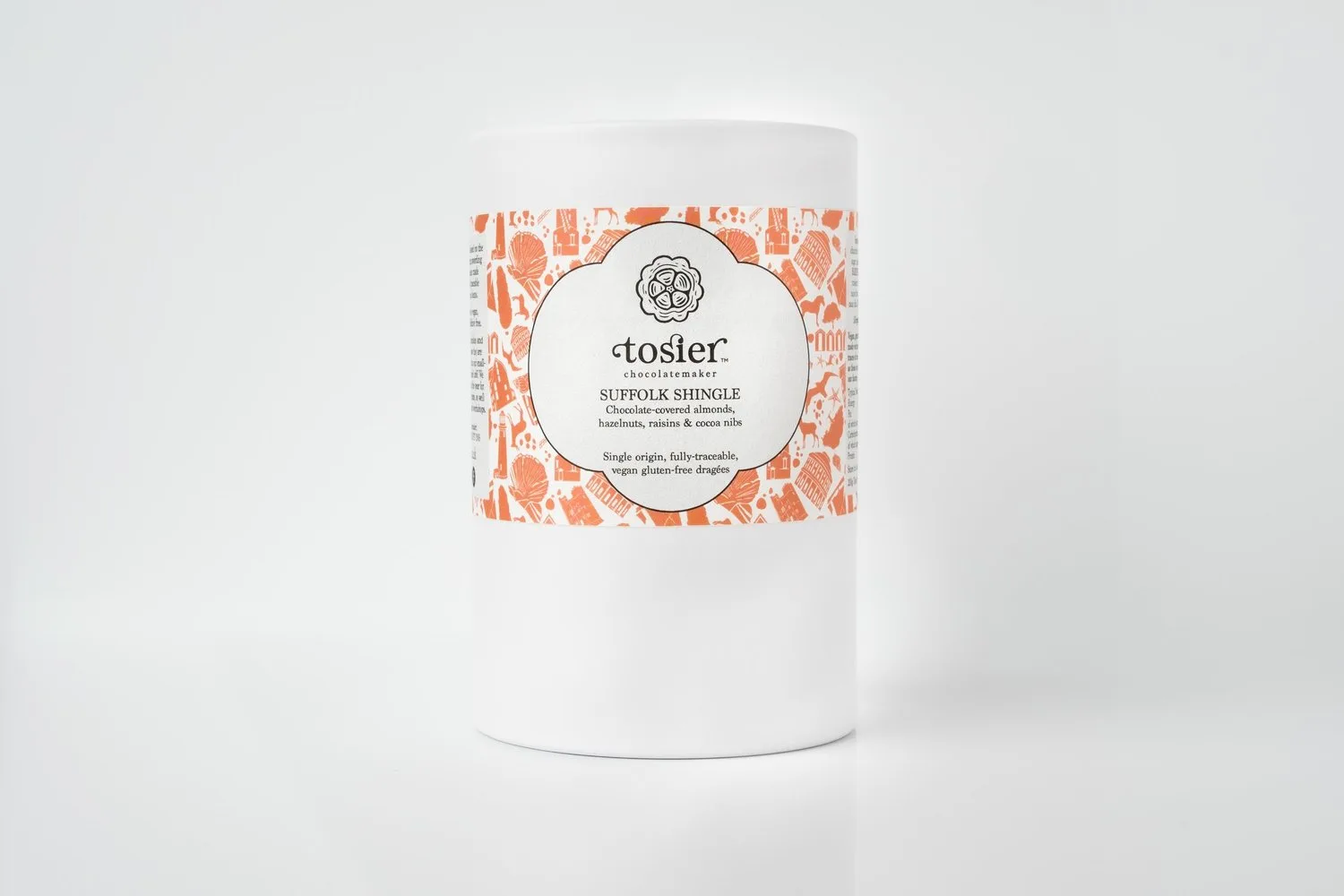
Humidity is equally important. Aim for 50%–60% relative humidity. High humidity can cause sugar bloom, while very dry air may make chocolate brittle. If you notice your chocolate developing a white film, check your storage conditions. For long-term collection, you can wrap bars in an additional layer of foil or place them in an airtight container to buffer against humidity changes. This is especially useful for larger collections that include items like Suffolk Shingle, chocolate covered almonds, hazelnuts, raisins & cocoa nibs, which have inclusions that can absorb moisture.
- Use airtight containers or resealable bags to protect chocolate from odours and moisture.
- Avoid storing chocolate near coffee, spices, or cleaning products that can transfer strong smells.
How to Handle Chocolate with Inclusions and Fillings
Chocolate collections often include more than just plain bars. Items like dragées, truffles, and chocolate-covered nuts have additional ingredients that require extra care. For example, Smoked Cinnamon Almonds | 70% Colombia dragées combine a delicate chocolate shell with crunchy nuts and spices. The nuts can go rancid if exposed to heat or oxygen, while the cinnamon coating may lose its punch if stored too long. These products benefit from being consumed within a few months of purchase.
Similarly, Whole Peaberry coffee beans coated with 70% Dark Chocolate have a dual shelf life: the chocolate remains stable, but the coffee beans can absorb moisture and lose their crunch. To preserve texture, keep these items in a cool, dry place and avoid opening the package until you are ready to eat them. For collections that mix different types of chocolate, it is wise to store them separately—milk and white chocolate are more prone to bloom than dark chocolate, so they need extra protection from heat.
- Eat chocolate with inclusions (nuts, fruits, spices) within 3–6 months for best flavour and texture.
- Separate different chocolate types (dark, milk, white) in storage to prevent odour transfer.
Common Chocolate Storage Mistakes to Avoid
One of the most common mistakes is storing chocolate in the refrigerator. While it may seem logical in warm weather, the condensation that forms when you take it out can ruin the surface and introduce moisture. If you must refrigerate, place the chocolate in an airtight bag, let it come to room temperature slowly before opening, and never refreeze. Freezing is also risky—it can cause fat bloom and textural changes, though it is acceptable for long-term storage if done correctly (wrap tightly, thaw in the fridge, then bring to room temperature).
Another mistake is leaving chocolate in direct sunlight or near a window. UV light accelerates oxidation and can cause chocolate to develop a stale, cardboard-like flavour. Even artificial light can be harmful over time, so store chocolate in opaque containers or a dark cupboard. Finally, do not assume that all chocolate has the same shelf life. Dark chocolate can last up to two years if stored well, while milk and white chocolate are best within one year. Always check the best-before date on your bars and rotate your collection to enjoy the oldest first.
- Never store chocolate in the refrigerator unless it is well-sealed and you plan to thaw it slowly.
- Keep chocolate away from windows and direct light to prevent oxidation and flavour loss.
Caring for Your Chocolate Drinkware and Accessories
A chocolate collection is not just about the chocolate itself—it also includes the tools and vessels that enhance the experience. Proper care for your drinkware ensures that your hot chocolate or sipping chocolate tastes as intended. For example, The Alma Gémea Small Mug — Tosier Chocolatemaker is crafted from ceramic and deserves gentle handling. Hand wash with mild soap and avoid abrasive sponges to preserve the glaze. Never microwave ceramic mugs with metallic accents, and allow them to air dry fully before storing.
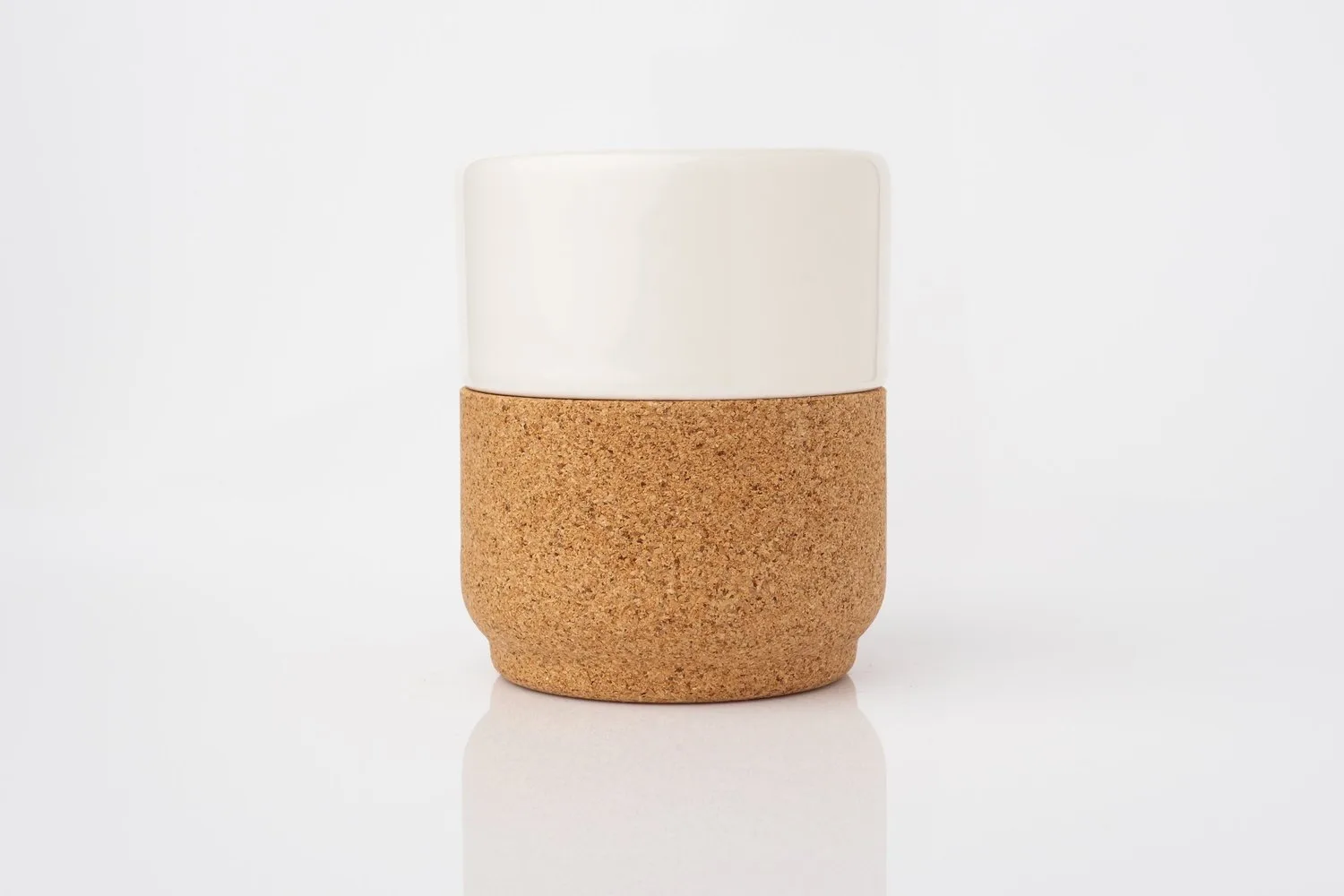
The Alma Gémea Small Mug — Tosier Chocolatemaker
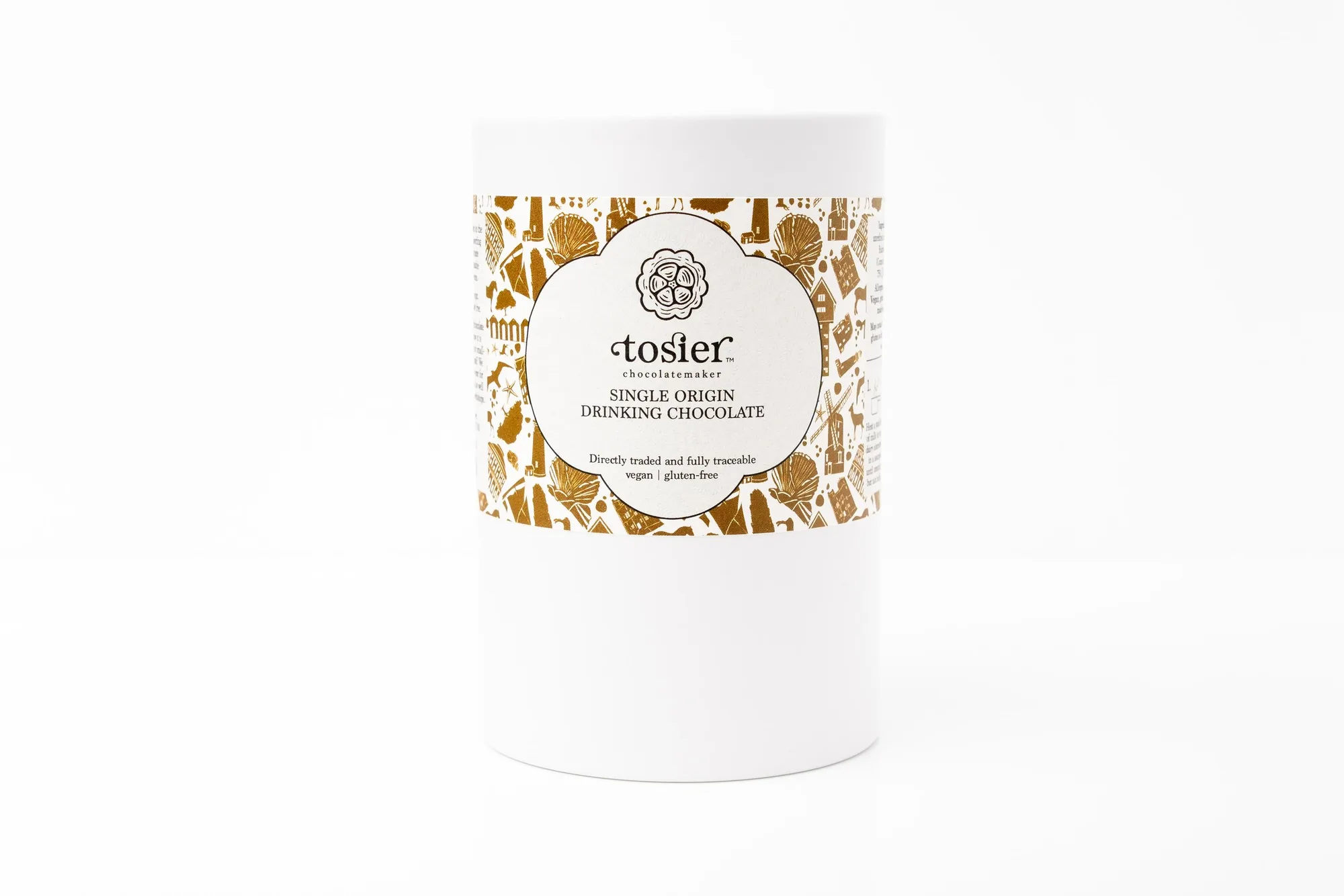
Similarly, if you use a chocolate tempering machine or moulds, clean them according to the manufacturer's instructions. For cocoa powder like Full-flavoured undutched natural cocoa powder from Venezuela, store it in an airtight container away from light and moisture. Cocoa powder has a longer shelf life than chocolate bars, but it can still absorb odours and lose its vibrant flavour if not sealed properly. Taking care of your accessories ensures that every cup of hot chocolate or baking project starts with the best possible ingredients.
- Hand wash ceramic drinkware with mild detergent and dry thoroughly to prevent water spots.
- Store cocoa powder in a cool, dark cupboard in an airtight container for up to two years.
Caring for your chocolate collection does not have to be complicated. With a few simple habits—consistent temperature, controlled humidity, proper packaging, and mindful handling—you can preserve the flavour, texture, and beauty of every piece. Whether you are saving a single bar for a special moment or building a diverse assortment of artisan treats, these tips will help you enjoy your chocolate at its very best. Explore our selection of carefully crafted chocolates and accessories to start or expand your collection today.