Your dog's collar is more than just a fashion accessory—it's a vital piece of safety equipment. A well-maintained collar ensures your dog stays secure during walks, hikes, and everyday adventures. But many pet parents overlook the importance of regular cleaning and maintenance, which can lead to wear, odors, and even skin irritation for your furry friend.
In this guide, we'll walk you through the best practices for cleaning and maintaining different types of dog collars, from nylon to leather. You'll learn how to extend the life of your collar, keep it looking great, and ensure your dog's comfort and safety. Whether you have a classic buckle collar or a customized design, these tips will help you keep it in top condition.
Why Regular Collar Maintenance Matters
A dog collar endures a lot: dirt, mud, rain, sweat, and even the occasional chew. Over time, these elements can break down the material, weaken stitching, and cause metal parts to rust or corrode. A dirty collar can also harbor bacteria and allergens, leading to skin infections or hot spots on your dog's neck.
Regular cleaning not only keeps your collar looking fresh but also prevents premature wear. By extending the life of your collar, you save money and reduce waste. Moreover, a well-maintained collar is more comfortable for your dog, ensuring they don't develop rubbing or chafing issues during walks or play.
- Inspect your collar weekly for signs of wear, such as fraying, cracks, or loose stitching.
- Check metal buckles and D-rings for rust or corrosion, especially after exposure to water.
- Replace your collar if you notice any damage that could compromise safety.
Cleaning Nylon Collars: Step-by-Step Guide
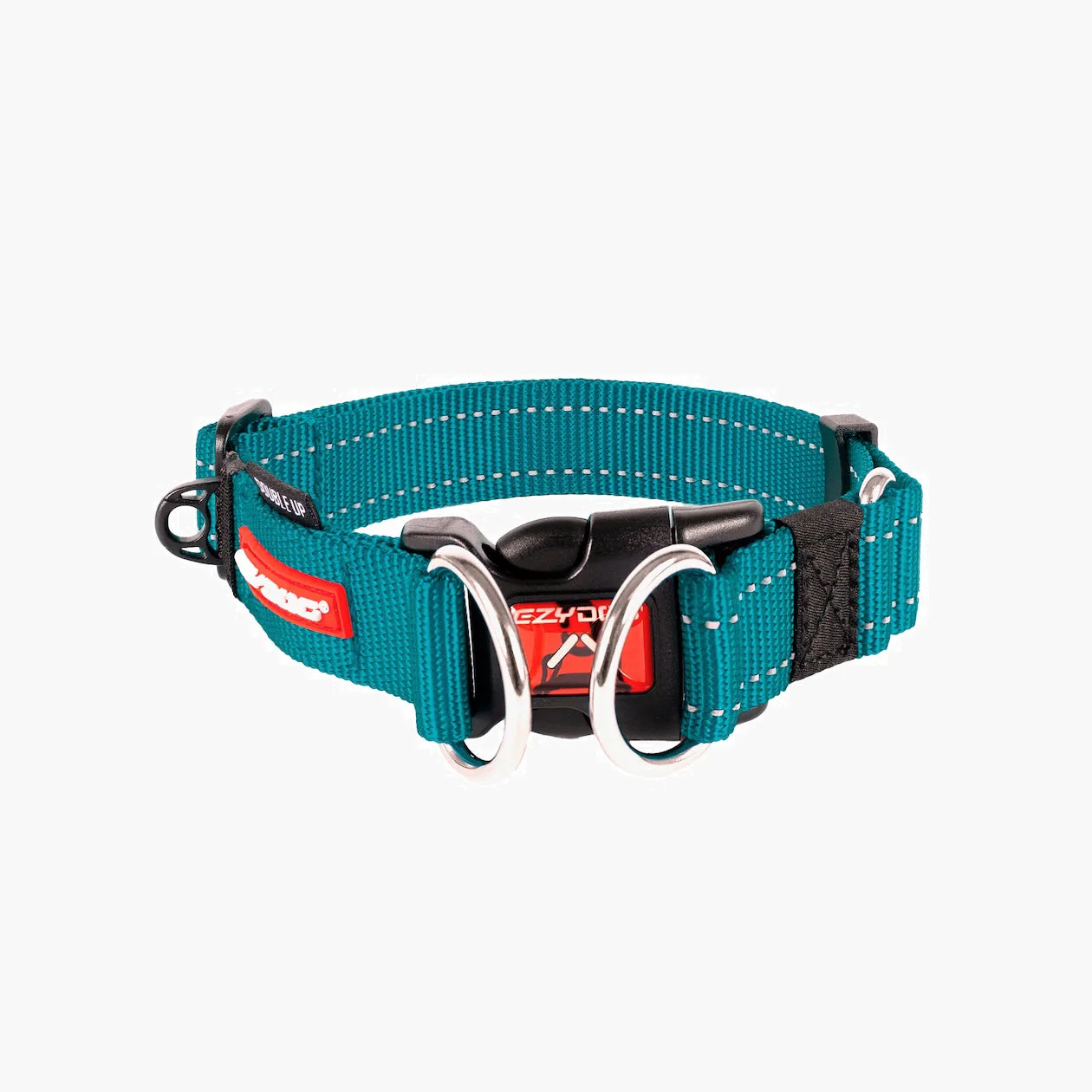
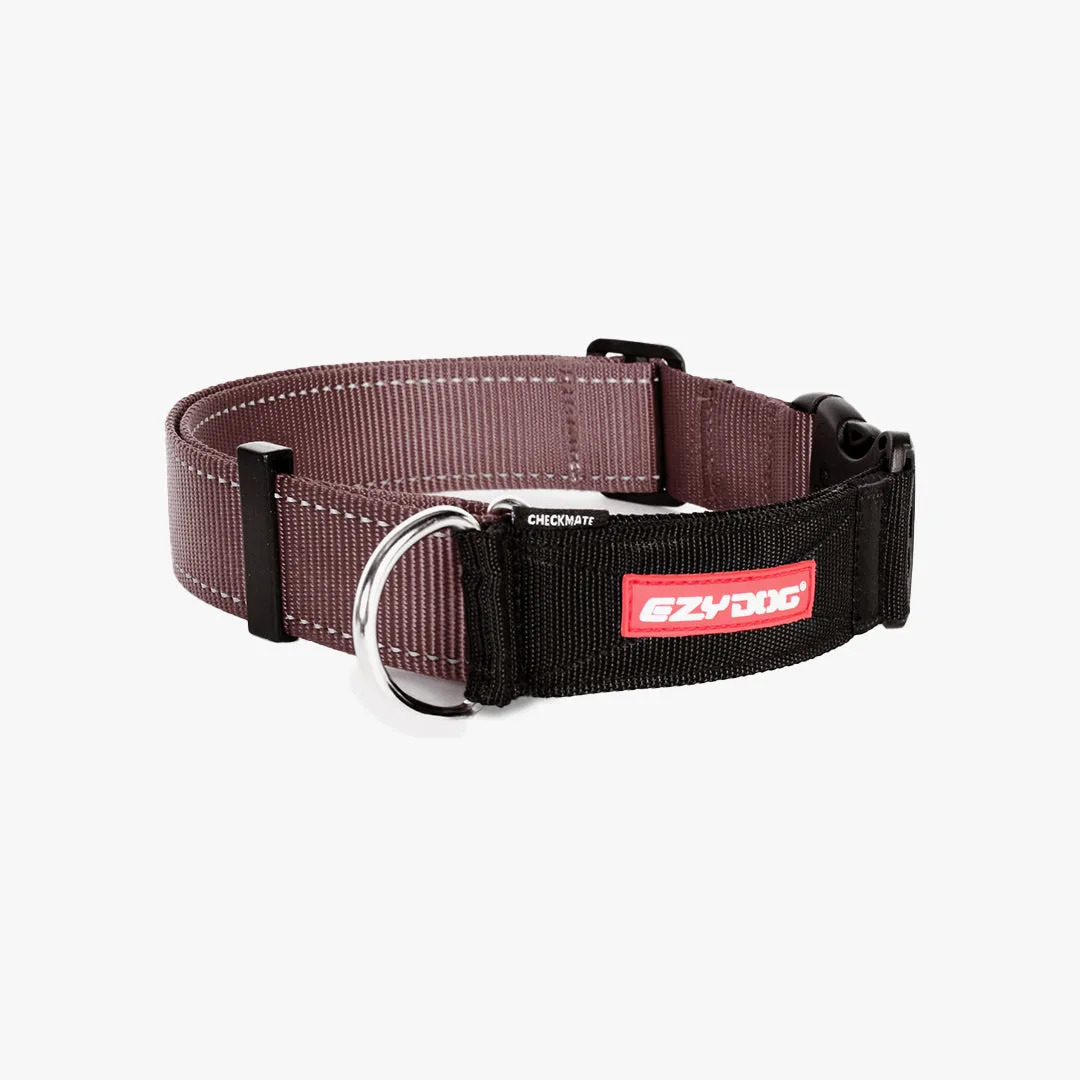
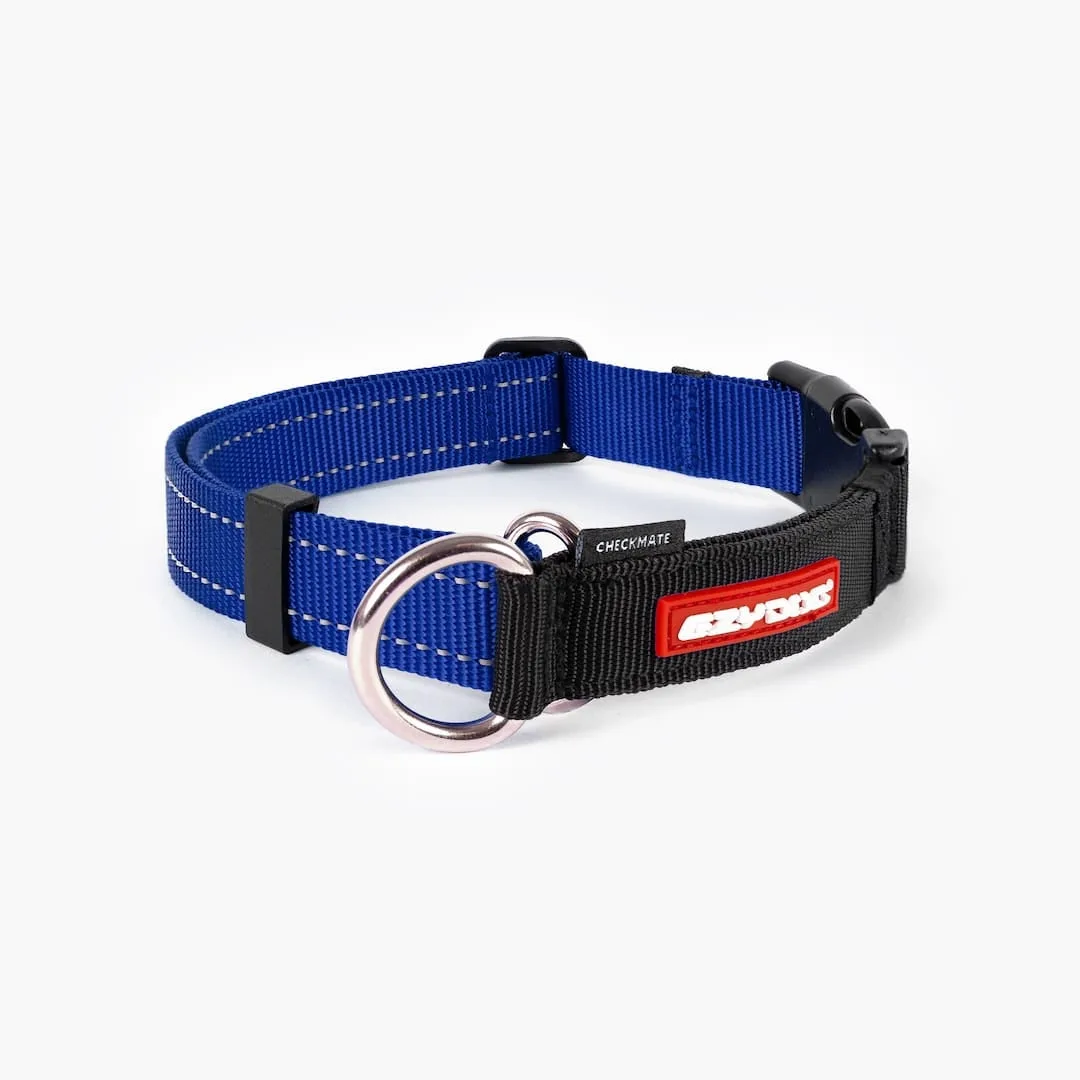
Nylon collars are popular for their durability and affordability. They're also relatively easy to clean. To wash a nylon collar, start by removing any attachments like tags or charms. Fill a basin with warm water and add a mild detergent or pet-safe soap. Submerge the collar and gently scrub it with a soft brush or cloth, paying attention to areas with built-up grime.
For stubborn stains, you can use a mixture of baking soda and water to create a paste. Apply it to the stain, let it sit for 15 minutes, then scrub and rinse thoroughly. After washing, rinse the collar in clean water to remove any soap residue. Hang it to dry completely before reattaching it to your dog. Avoid using a dryer, as heat can damage the nylon and cause shrinkage.
- Use a pet-safe detergent to avoid skin irritation from harsh chemicals.
- Never machine wash a nylon collar unless the manufacturer's label says it's safe—hand washing is gentler and more effective.
- Dry the collar away from direct sunlight to prevent fading.
Leather Collar Care: Special Considerations
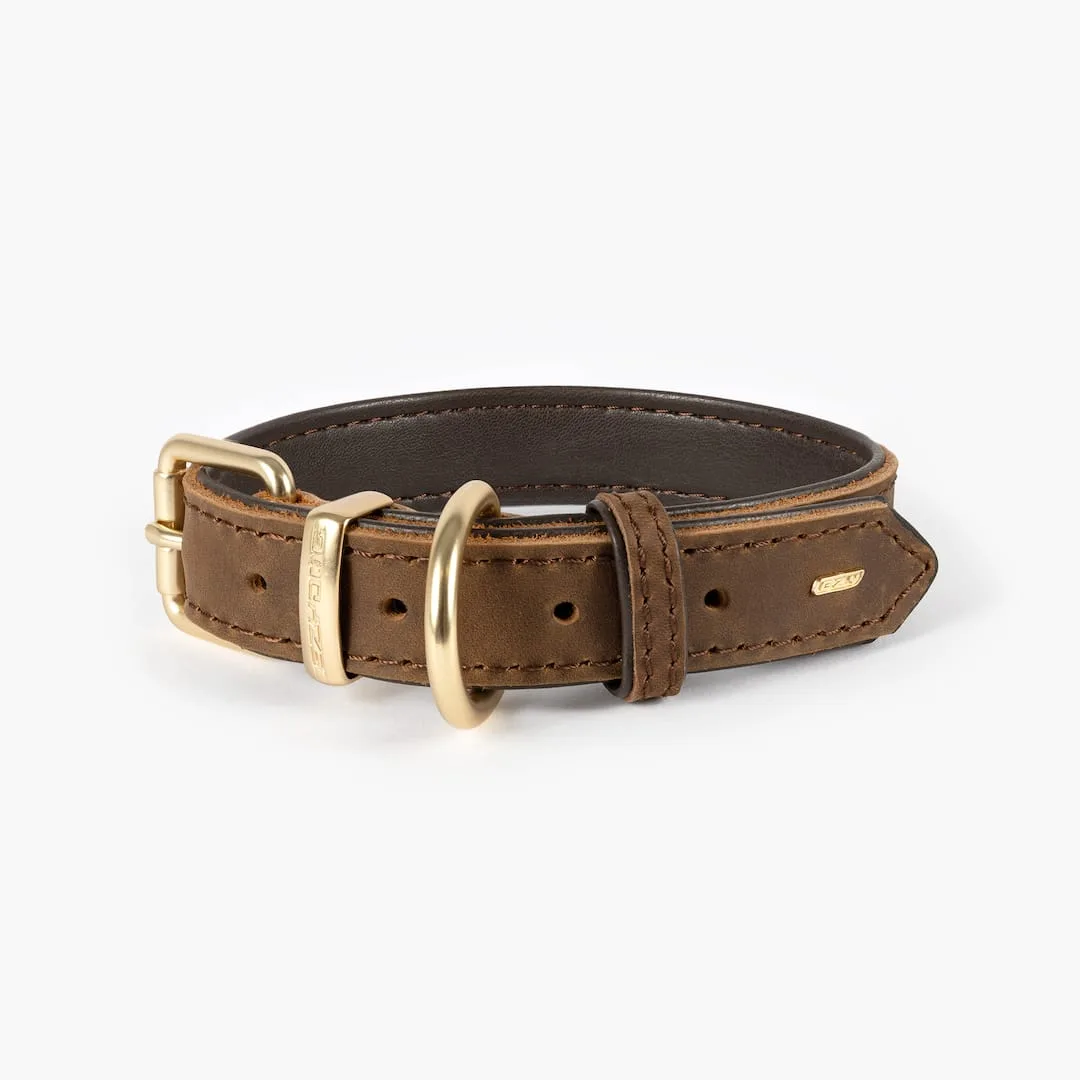
Leather collars are stylish and durable, but they require more specialized care. Unlike nylon, leather is porous and can absorb moisture, leading to cracking or stiffening if not properly maintained. To clean a leather collar, use a damp cloth with a mild soap specifically designed for leather. Gently wipe the surface, avoiding soaking the leather. Then, use a dry cloth to remove excess moisture.
After cleaning, apply a leather conditioner to keep the material supple and prevent drying. This also helps maintain the collar's appearance and extends its lifespan. Always allow the collar to air dry naturally, away from heat sources, which can cause the leather to warp. If your leather collar gets wet, dry it immediately and condition it once it's dry to prevent damage.
- Test any cleaning product on a small, hidden area first to ensure it doesn't discolor the leather.
- Avoid using oils like olive oil, which can go rancid and attract dirt.
- Store leather collars in a cool, dry place to prevent mold growth.
Dealing with Odors and Discoloration
Even with regular cleaning, dog collars can develop persistent odors from sweat, saliva, and environmental exposure. To neutralize odors, sprinkle baking soda over the collar, let it sit for a few hours, then brush it off. For a deeper deodorizing, soak the collar in a mixture of water and white vinegar (1:1 ratio) for 30 minutes, then rinse thoroughly.
Discoloration is another common issue, especially on light-colored nylon. To brighten a faded collar, you can use a mixture of hydrogen peroxide and baking soda, but be cautious as this can bleach the material. For stubborn stains, consider using a stain remover that is safe for the collar's material. If the collar is heavily stained or discolored beyond repair, it might be time to invest in a new one.
- Always test a small area before applying any odor or stain remover.
- For leather, avoid soaking; instead, use a leather cleaner designed to remove odors.
- If your dog has sensitive skin, opt for hypoallergenic cleaning products.
Maintaining Hardware and Customization
The metal components of your dog's collar—buckles, D-rings, and sliders—are crucial for functionality. Regularly check these parts for rust, corrosion, or looseness. To clean metal hardware, use a damp cloth to wipe away dirt, then dry it thoroughly. For stubborn rust, a small amount of vinegar on a cloth can help, but be sure to rinse and dry the metal afterwards.
If you have a customized collar with patches or tags, ensure they are securely attached. For example, EzyDog's Custom Side Patches allow you to personalize your dog's gear. To maintain these, remove them before washing the collar if possible, or clean them gently with a damp cloth. Similarly, Customized ID Tags should be kept clean and legible to ensure your dog can be identified if lost.
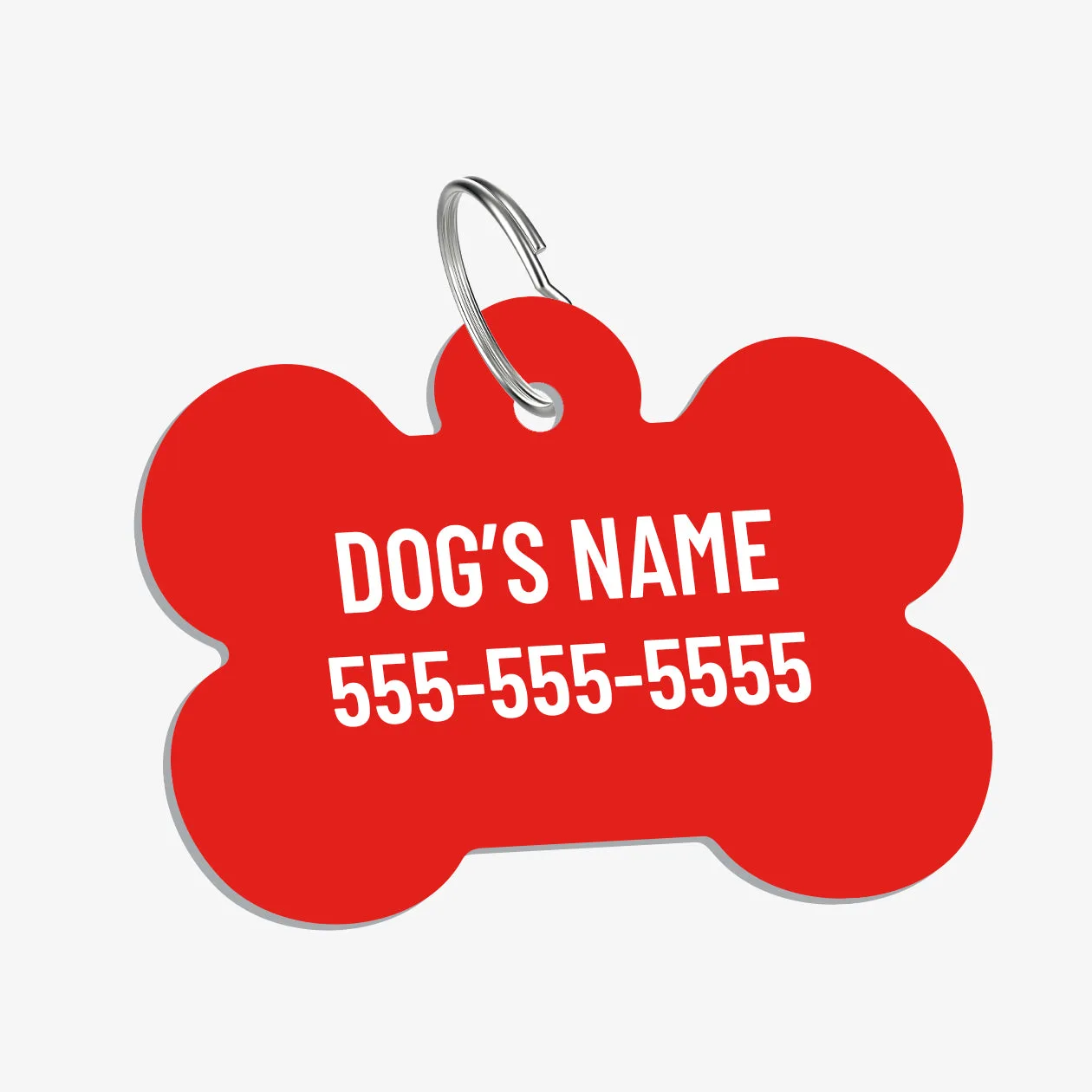
Customized ID Tags
- Tighten any loose screws or rivets on hardware to prevent loss.
- Consider using a collar with a quick-release buckle for safety, but ensure it's clean and functional.
- Store your collar with hardware unfastened to reduce stress on the material.
When to Replace Your Dog's Collar
No matter how well you care for your dog's collar, it will eventually need to be replaced. Signs that it's time for a new collar include fraying or thinning material, broken stitching, cracked leather, or hardware that no longer functions properly. A collar that is too tight or too loose can also be a safety hazard, so regularly check the fit.
If you notice any of these issues, it's safer to replace the collar immediately. Investing in a high-quality collar, such as the Chest Plate Dog Harness or Quick Fit Dog Harness from EzyDog, can provide durability and comfort. However, even the best gear needs periodic replacement to ensure your dog's safety.
- Check the fit by sliding two fingers between the collar and your dog's neck—it should be snug but not tight.
- Replace your collar at least once a year, or sooner if you notice wear.
- Keep a spare collar on hand for emergencies or when the primary collar is being cleaned.
Conclusion: Make Collar Care a Habit
Regular collar care is a simple yet essential part of responsible dog ownership. By incorporating cleaning and maintenance into your routine, you ensure your dog's collar remains comfortable, safe, and long-lasting. Whether you have a nylon or leather collar, these tips will help you keep it in pristine condition.
Remember to check your dog's collar regularly, clean it appropriately, and replace it when needed. With proper care, your dog's collar will continue to serve its purpose for many adventures to come.
Caring for your dog's collar doesn't have to be a chore. With these simple tips, you can keep it clean, comfortable, and durable. For a collar that's built to last and easy to maintain, explore the Chest Plate Dog Harness and Quick Fit Dog Harness from EzyDog. Your furry friend deserves the best!