Quick Answer
Clean your Holland Classic pacifier daily by washing it in warm soapy water or on the top rack of the dishwasher. Inspect it regularly for signs of wear, and replace it every 4-6 weeks or sooner if damaged. Store it in a clean, dry place away from direct sunlight.
Why Proper Care Matters
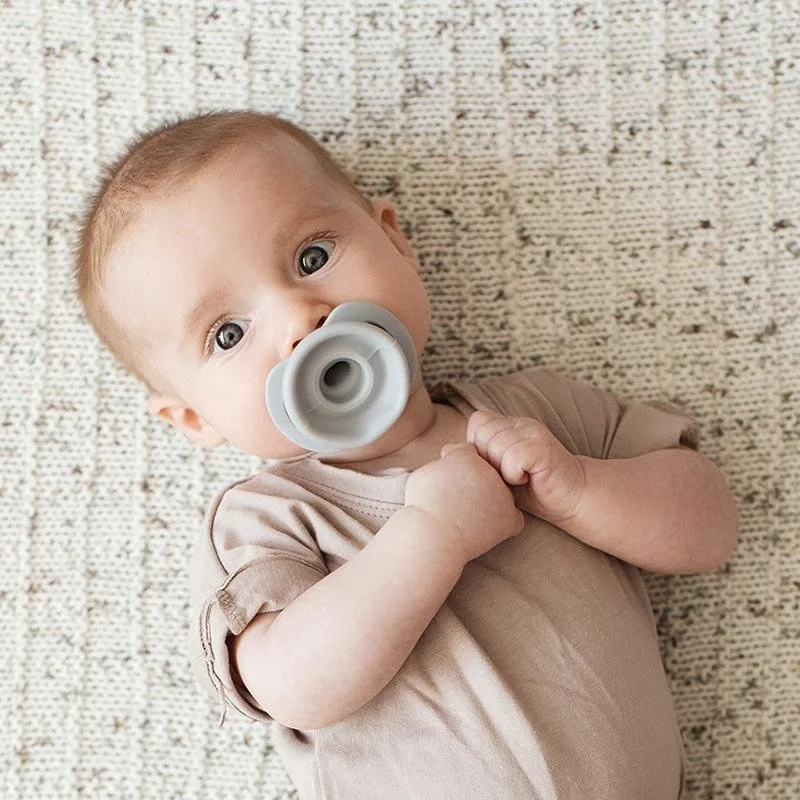
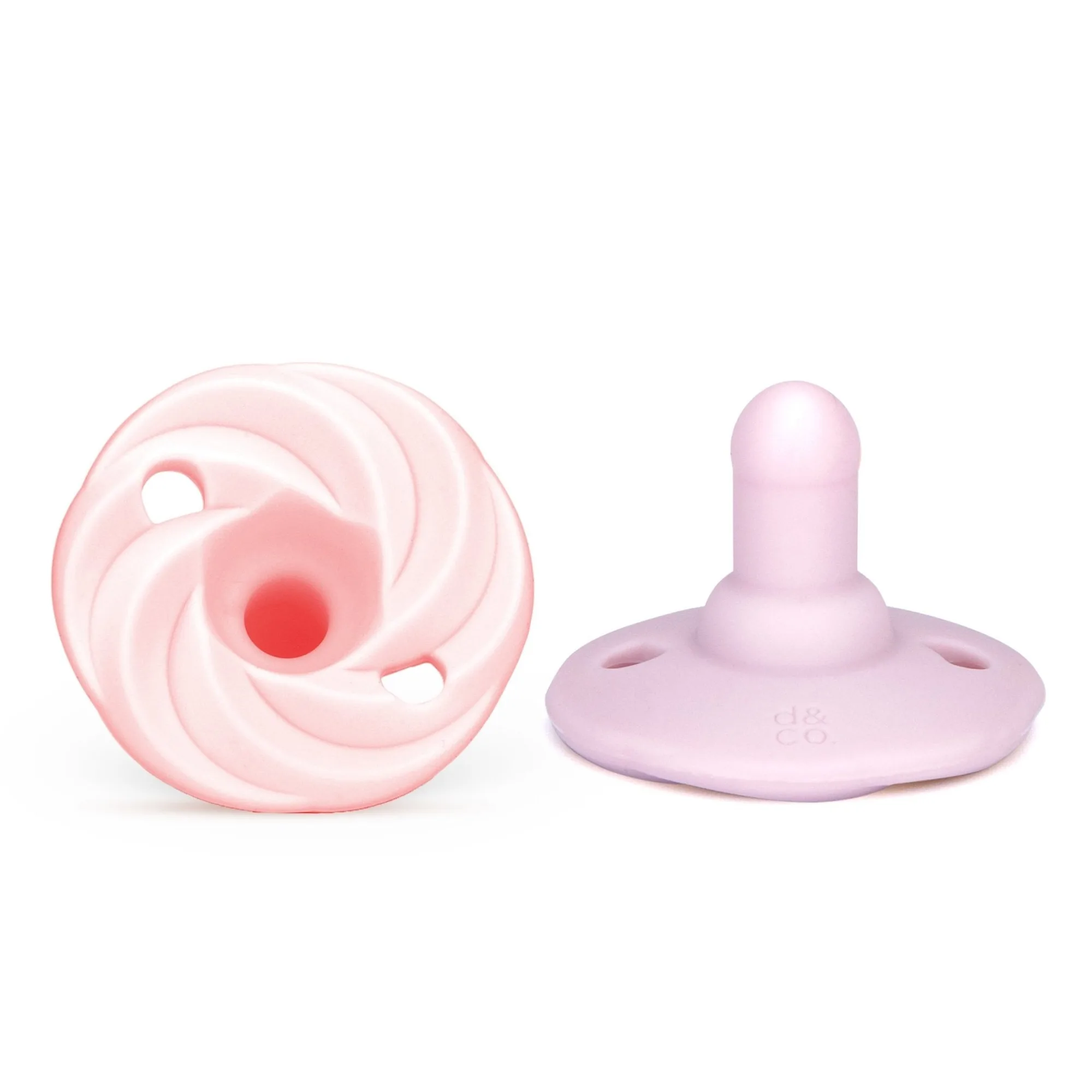
The Holland Classic pacifier is made from 100% high-grade silicone molded into a single-piece design. This construction makes it durable and non-toxic, but regular care is still essential to maintain its safety and longevity. Silicone is naturally resistant to bacteria, but daily cleaning removes saliva, dust, and other residues that can accumulate during use.
What You'll Need
To care for your Holland Classic pacifier, you only need a few basic items: mild dish soap, a clean soft cloth or sponge, and access to a dishwasher if you prefer that method. Avoid using harsh chemicals, abrasive scrubbers, or boiling water, as these can damage the silicone over time.
Step-by-Step Care Routine
- Step 1: Rinse After Each Use: After your baby finishes using the pacifier, rinse it under warm running water to remove saliva and loose debris. This quick step prevents residue from drying onto the silicone. Don't skip this even if you plan a deeper clean later — dried saliva is harder to remove.
- Step 2: Wash Daily with Soap and Water: Use mild dish soap and warm water to gently scrub the entire pacifier, including the shield and nipple. Rinse thoroughly to remove all soap residue. Alternatively, place it on the top rack of the dishwasher for a heat-sanitizing cycle. Avoid using antibacterial soaps or bleach — they can degrade the silicone over time.
- Step 3: Inspect for Damage: Check the pacifier for cracks, tears, sticky spots, or changes in shape. Silicone can become brittle with repeated washing or exposure to sunlight. If you notice any damage, discard the pacifier immediately. A damaged pacifier can break apart and become a choking hazard — replace it right away.
- Step 4: Air Dry Completely: Place the clean pacifier on a clean, dry towel or drying rack away from direct sunlight. Let it air dry completely before storing it in a sealed container or clean pouch. Moisture trapped in storage can promote mold growth. Never store a wet pacifier — always ensure it's fully dry first.
- Step 5: Replace Every 4-6 Weeks: Even with perfect care, silicone pacifiers wear out over time. Replace your Holland Classic pacifier every 4 to 6 weeks, or sooner if you notice any signs of wear. This keeps the nipple firm and safe for your baby. Set a calendar reminder so you don't forget — a worn pacifier loses its shape and effectiveness.
About the Holland Classic Pacifier
- Holland Classic: Crafted from 100% high-grade silicone, molded into a single-piece design for added durability and safety. Free from lead, PVC, BPA, latex, and phthalates. Dishwasher safe (top rack recommended). The single-piece design means no crevices for bacteria to hide, making cleaning easier and more thorough. The dishwasher-safe material lets you sanitize it quickly without damaging the pacifier.