Quick answer
Shake or brush off dried mud and hair after every use, then wash your sun fly rug in cold water on a gentle cycle with a non-detergent equine wash, and air-dry it flat or over a rail away from direct sun. Check fit and fastenings each time you put it on, and store the rug clean and completely dry. This routine keeps the fabric's UV-blocking weave and soft binding intact, so the rug keeps doing its job.
Why sun fly rug care is different from turnout rug care
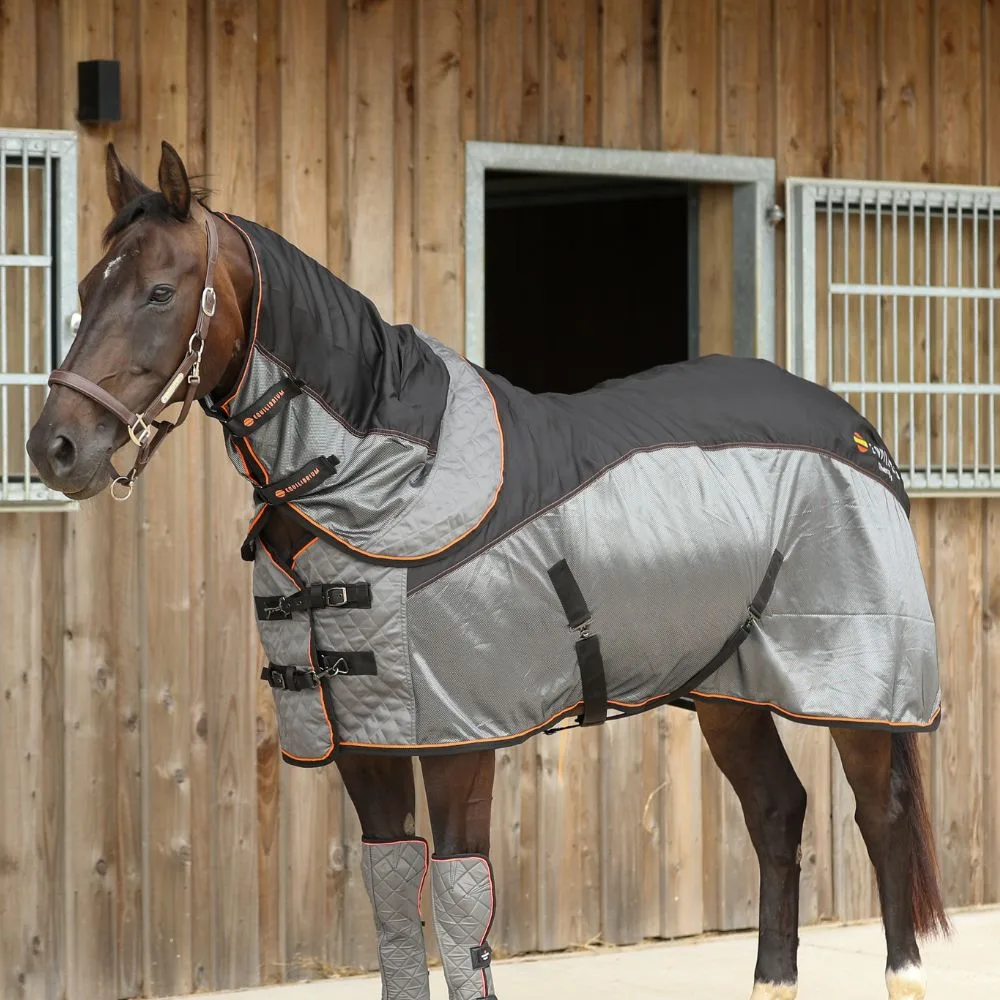
A sun fly rug is usually lighter and more finely woven than a turnout rug. The fabric relies on tight construction to screen UV rays and stop tiny flies, so harsh detergents, hot water, and tumble drying can break down that weave faster than you would expect. Dirt and sweat left in the fibers also stretch the seams and stiffen the binding, which is what causes rubs along the brow and noseband. Treat the rug as a piece of protective equipment rather than a heavy winter blanket.
Daily checks that prevent most damage
Run your hands over the rug while it is still on the horse. Feel for twisted straps, grit trapped under the browband, and any place where the fabric has pulled tight against the skin. Small adjustments now are easier than repairing a torn seam later. If your horse wears a mask and muzzle protector together, check that the layers are not bunching at the nose, because pressure points there are a common cause of head-shy behavior.
Washing without stripping UV protection
Most sun fly rugs can be machine washed, but the settings matter more than the product. Use cold water, a gentle or hand-wash cycle, and a dedicated equine rug wash rather than household detergent. Detergent residue can attract dirt and may reduce how well the fabric repels water and dust. Close all fastenings and place the rug in a large wash bag if you have one, so buckles do not snag the mesh. Never use fabric softener, and do not bleach.
Drying and reshaping
Lay the rug flat over a clean rail or hang it so air moves through both sides. Avoid direct hot sun for long periods, which can make elastic and binding brittle, and never put a fly rug in a tumble dryer. While it dries, smooth the brow and noseband padding back into shape with your hands. If the rug has a shaped fit, drying it flat helps it keep that shape instead of stretching out of line.
Storing between seasons
Store the rug only when it is completely dry. Fold it loosely rather than compressing it into a tight bag, and keep it somewhere dry and out of direct sunlight. If you have more than one rug, label them by size so you are not guessing next spring. A clean, dry rug that has been stored flat will need less fitting adjustment when you bring it out again.
Your step-by-step sun fly rug care routine
- Remove and inspect the rug: Take the rug off after each use and check the mesh, seams, binding, and all fastenings. Look for stretched straps, rubbed brow padding, and small holes before they grow. Common mistake: leaving a damp or dirty rug on the horse overnight, which traps sweat and softens the fabric.
- Brush off dry dirt and hair: Use a soft brush or your hand to remove dried mud, hair, and plant debris while the rug is dry. Do this outside so you are not spreading dust into the stable. Checkpoint: if the rug still feels gritty, it needs washing rather than another day of wear.
- Wash cold on a gentle cycle: Close all fastenings, use a wash bag if possible, and wash in cold water with an equine rug wash. Skip detergent, bleach, and fabric softener. Common mistake: hot water and ordinary detergent, which can dull the weave and leave residue that attracts dirt.
- Rinse thoroughly: Run an extra rinse cycle if your machine allows it. Soap left in the binding is a frequent cause of stiffness and rubbing along the brow and noseband. Checkpoint: the water running out should be clear before you move on.
- Air-dry flat or over a rail: Dry the rug out of direct hot sun and never in a tumble dryer. Smooth the padded areas back into shape with your hands while the rug is still damp. Common mistake: hanging a wet rug by one strap, which stretches that corner and distorts the fit.
- Refit and adjust before turnout: Put the rug back on and check clearance at the eyes, ears, and nose, then adjust the cheek and ear fastenings. Recheck after ten minutes of movement. Checkpoint: you should be able to slide a finger under every strap without forcing it.
- Store clean and fully dry: Fold loosely, keep the rug out of direct sunlight, and label it by size. Store it only when it is completely dry to prevent mildew and fabric breakdown. Next step: note the wash date so you can rotate rugs and avoid overwashing any single one.
Products that work alongside a sun fly rug
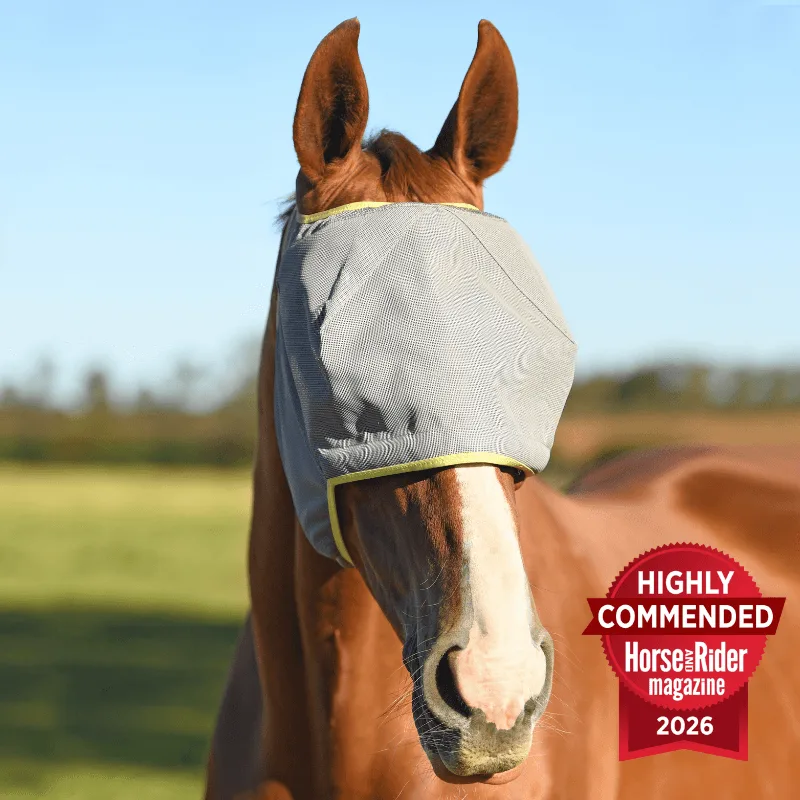
- Field Relief Midi Fly Mask (without ears): Field Relief Midi Fly Mask (without ears) screens out over 70% of harmful UV rays and provides clearance for eyes and eyelashes, with soft padding at the brow and noseband. A mask covers the face and eyes where a rug cannot, and the padded brow and noseband are the areas most likely to rub if the rug and mask are not checked together.
- Field Relief Muzzle Protector: Field Relief Muzzle Protector fits over the muzzle on field-safe headcollars and blocks over 70% of sun rays, with soft padding at the noseband. If your horse's muzzle burns easily, this adds nose protection without changing the rug, and the padding helps prevent the rubbing that often shows up when fly gear is layered.
- Net Relief Muzzle Net for Anatomical Bridles: Net Relief Muzzle Net for Anatomical Bridles is designed to help alleviate the symptoms of headshaking and fits anatomical bridles such as Micklem Bridles. For ridden work in fly season, this is a separate piece of kit from the rug, so it needs its own cleaning and fit check rather than being washed with the rug.