Quick answer
If your PAGERIE leather bag gets caught in the rain, blot it gently with a soft, dry cloth and let it air-dry away from heat. Never use a hairdryer or radiator. Once dry, apply a leather conditioner to restore suppleness. For ongoing protection, a water-repellent spray made for smooth leather can help, but always test it on a hidden area first.
Why PAGERIE's grain leather needs a different approach
PAGERIE bags are handcrafted from signature grain leather, a material chosen for its natural texture and durability. Unlike heavily coated or synthetic materials, grain leather is porous. It can absorb water quickly, and if that moisture is trapped or dried too fast, the leather can stiffen, crack, or develop permanent water stains. The custom surgical-grade stainless steel hardware on bags like Bag No. 01 is water-resistant, but the leather itself needs mindful care. That's why the steps below focus on gentle, gradual drying rather than quick fixes.
What to do immediately after your bag gets wet
Act within the first few minutes. Use a clean, dry, lint-free cloth to blot—not rub—the wet areas. Rubbing pushes water deeper into the grain and can spread dyes or create uneven patches. If the bag is soaked through, empty it completely, remove any detachable straps or inserts, and gently reshape the bag so it holds its form while drying. Stuff the interior with white, acid-free tissue paper or a clean cotton towel to absorb moisture from the inside. Avoid newspaper, which can transfer ink.
How to dry wet leather without causing damage
Place the bag in a well-ventilated room at room temperature, away from direct sunlight, radiators, and heaters. Direct heat pulls moisture out too fast, causing the leather to shrink and crack. A fan on low, pointed indirectly at the bag, can speed drying without harm. If the bag has a lining, turn it inside out if possible, or open all compartments to let air circulate. Depending on humidity, drying may take 12 to 24 hours. Do not use the bag until it is completely dry to the touch, inside and out.
Treating water stains once the bag is dry
Water stains often appear as darker rings or patches. Once the bag is fully dry, you can often minimize them by gently massaging the affected area with a clean, dry finger—the natural oils from your skin can help redistribute moisture. For more stubborn stains, use a leather conditioner specifically formulated for smooth grain leather. Apply a small amount to a soft cloth and work it into the stain in circular motions. Let it absorb for 15 minutes, then buff with a dry cloth. If the stain persists, consult a professional leather specialist rather than trying stronger chemicals.
Preventive care for the rainy season
Before the rainy season starts, consider applying a water-repellent spray designed for smooth leather. Always test it on a hidden area first, like the bottom edge or inside a pocket, to make sure it doesn't darken or discolor the leather. Reapply according to the product instructions, typically every few months with regular use. Keep a small microfiber cloth in your bag or car so you can blot rain immediately. If you know it's going to pour, consider leaving your PAGERIE bag at home and carrying a water-resistant alternative. No leather bag is fully waterproof, and even treated leather can eventually soak through in heavy, prolonged rain.
Step-by-step: rainy day leather bag care
- Step 1: Blot immediately: Use a clean, dry, lint-free cloth to gently blot—never rub—all wet areas. Rubbing spreads moisture and can cause uneven color or water rings. Checkpoint: the cloth should come away damp, not soaked with dye.
- Step 2: Empty and reshape: Remove everything from inside the bag, including detachable straps. Stuff the interior with white, acid-free tissue paper or a clean cotton towel to absorb moisture and help the bag hold its shape. Mistake to avoid: using newspaper or colored paper, which can transfer ink.
- Step 3: Air-dry away from heat: Place the bag in a well-ventilated room at room temperature, away from direct sunlight, radiators, and heaters. A fan on low, pointed indirectly, can help. Drying may take 12–24 hours. Checkpoint: the bag is fully dry inside and out before you use or condition it.
- Step 4: Condition the leather: Once dry, apply a small amount of leather conditioner for smooth grain leather to a soft cloth. Work it into the leather in circular motions, let it absorb for 15 minutes, then buff with a dry cloth. Mistake to avoid: conditioning while the leather is still damp, which can trap moisture.
- Step 5: Treat stubborn water stains: For lingering water stains, gently massage the area with a clean, dry finger to redistribute natural oils, then reapply conditioner. If the stain remains, consult a professional leather specialist. Checkpoint: never use harsh chemicals or household cleaners, which can strip the finish.
- Step 6: Protect before the next storm: Apply a water-repellent spray made for smooth leather, testing first on a hidden area. Reapply every few months with regular use. Keep a microfiber cloth handy for quick blotting. Next step: if heavy rain is forecast, consider leaving your PAGERIE bag at home and carrying a water-resistant alternative.
PAGERIE products built for wet-weather awareness
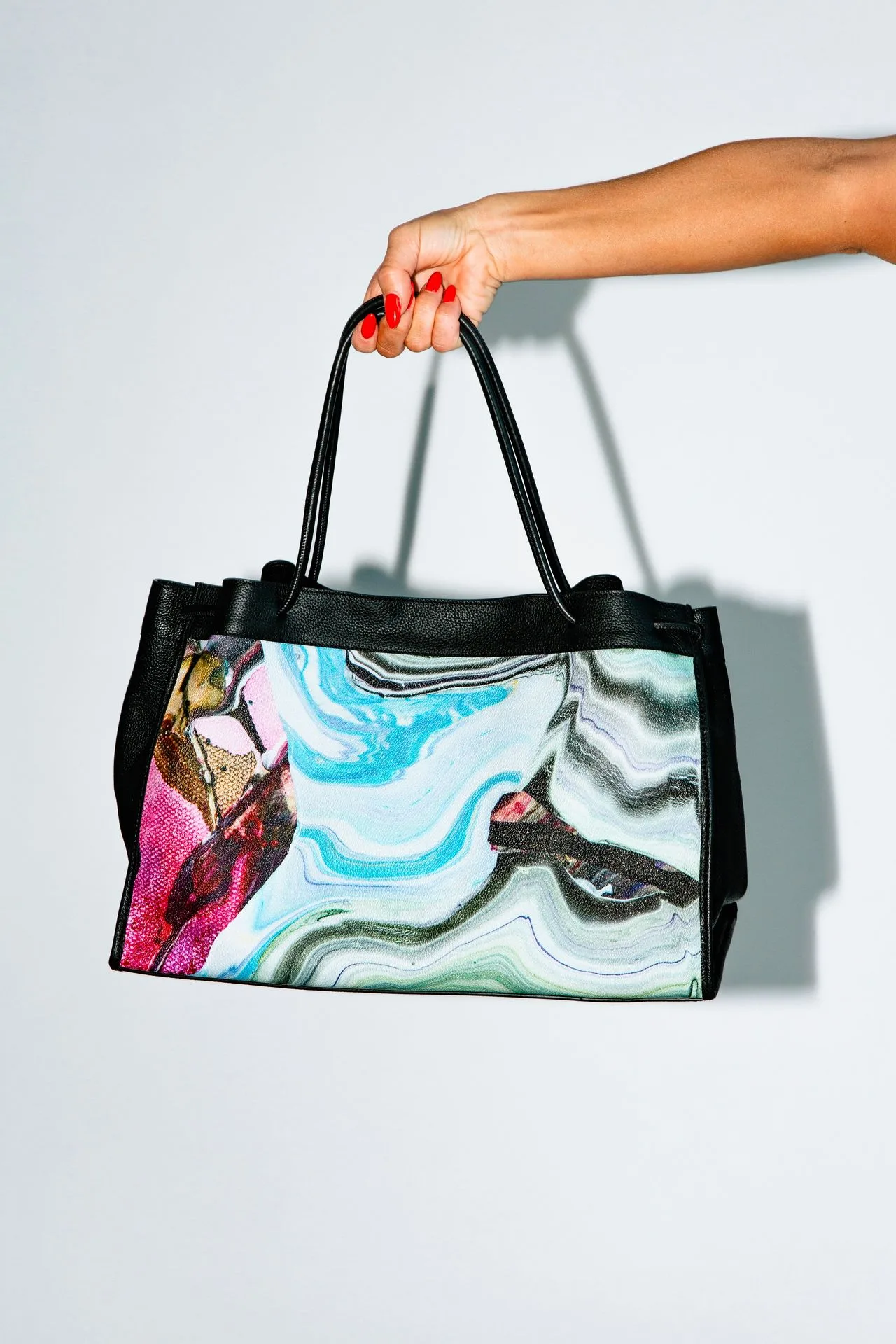
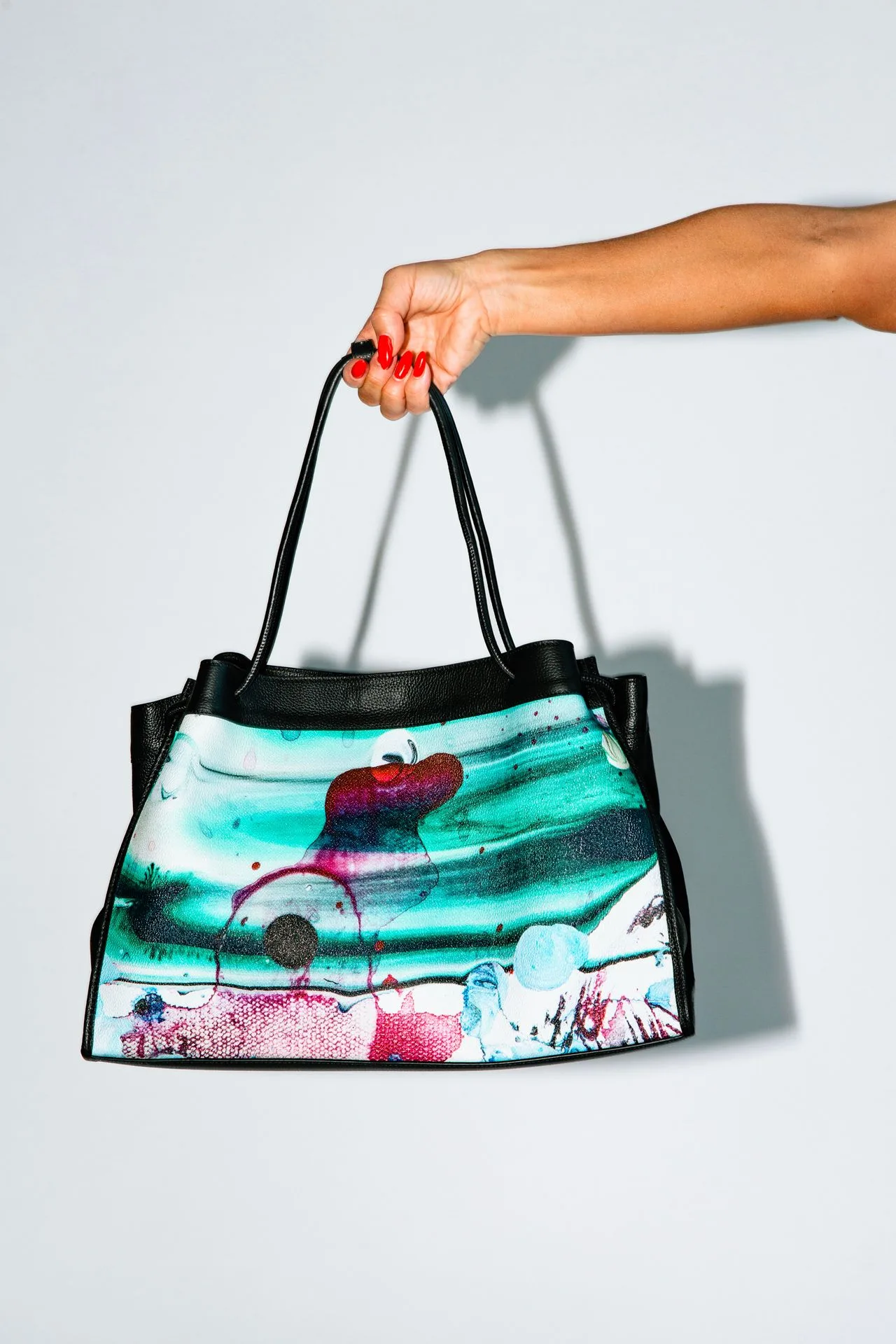
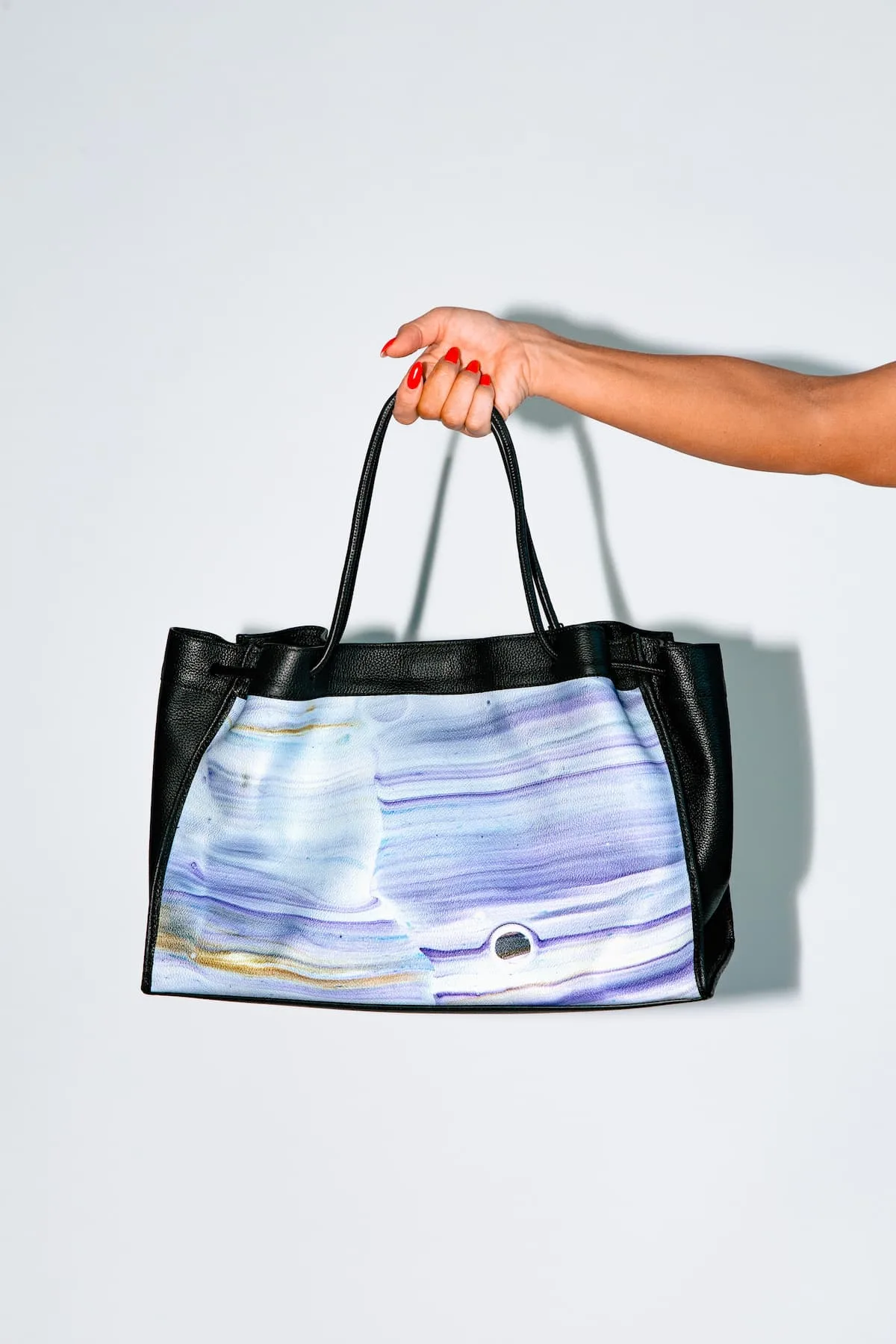
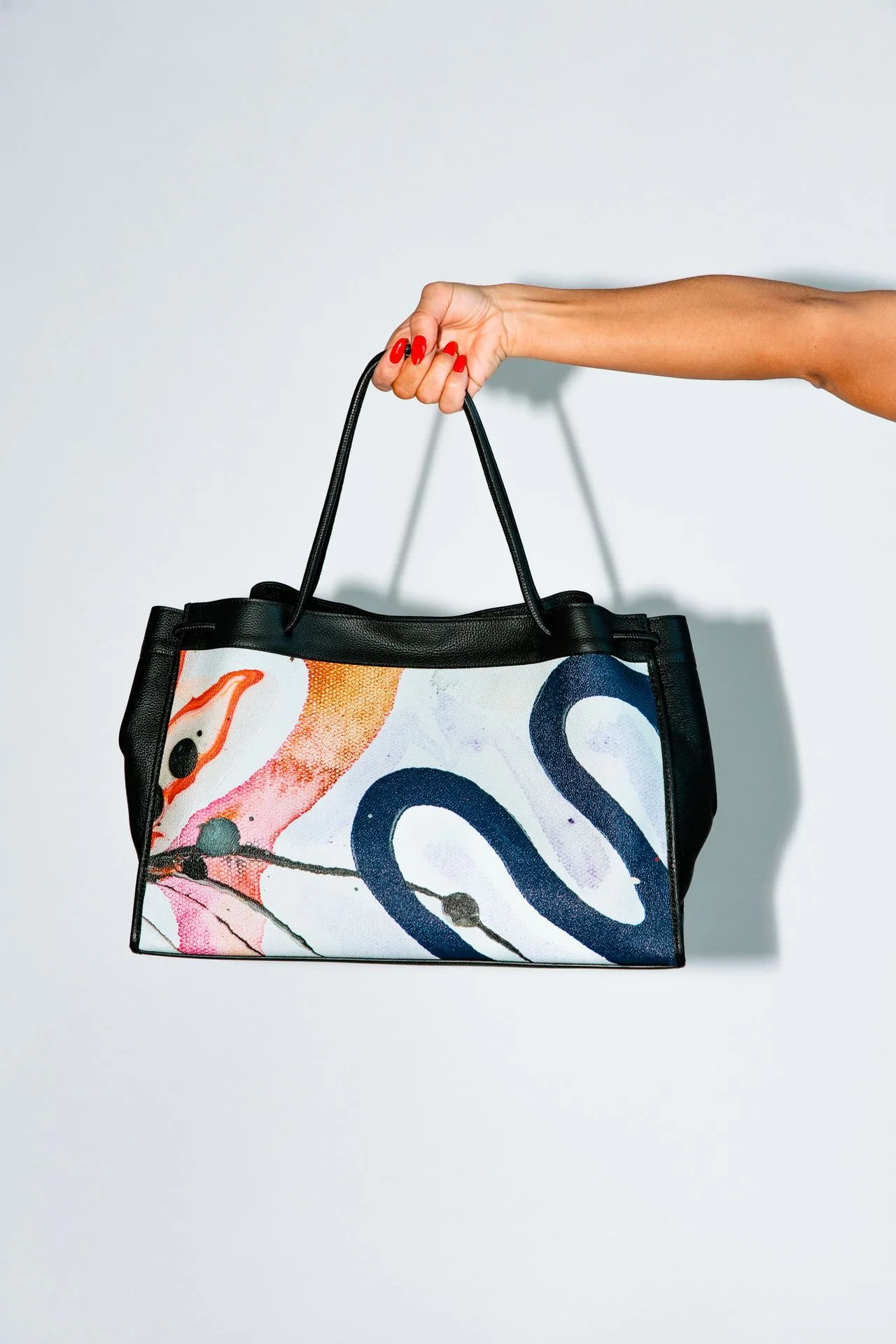
- Bag No. 01: The Lana Bag is handcrafted from Pagerie's signature grain leather and finished with custom surgical-grade stainless steel hardware. The grain leather needs the gentle drying and conditioning steps above, while the stainless steel hardware resists rust and corrosion from rain exposure.