A stainless steel meat fork is a versatile and durable tool that deserves proper care to maintain its appearance and functionality. Whether you're using it for carving roasts, lifting steaks off the grill, or serving appetizers, a well-maintained fork ensures safe and hygienic food handling.
In this guide, we'll walk you through the best practices for cleaning, drying, and storing your stainless steel meat fork. We'll also discuss common issues like rust and discoloration, and how to prevent them, so your fork stays in top condition for years to come.
Why Proper Care Matters for Your Meat Fork
Stainless steel is prized for its resistance to corrosion and staining, but it's not completely maintenance-free. Over time, exposure to acidic foods, high heat, and harsh cleaning agents can take a toll on the surface. Proper care not only keeps your meat fork looking shiny and new but also prevents the buildup of bacteria and food particles that can compromise food safety.
Additionally, a well-maintained fork is a pleasure to use. It glides through meat effortlessly, and its tines remain sharp and intact. By investing a few minutes in regular care, you can extend the lifespan of your tool and ensure it performs reliably every time you cook.
- Regular cleaning prevents food residue from hardening and becoming difficult to remove.
- Proper drying avoids water spots and potential rust formation on the metal.
- Storing in a dry place protects the fork from moisture and accidental damage.
Step-by-Step Cleaning Guide for Your Stainless Steel Meat Fork
Cleaning your meat fork after each use is the most important step in its care routine. Start by rinsing the fork under warm running water to remove loose food particles. Then, wash it with a mild dish soap and a soft sponge or cloth. Avoid abrasive scrubbers or steel wool, as they can scratch the surface and create tiny crevices where bacteria can hide.
For stubborn, baked-on residue, soak the fork in warm, soapy water for 10-15 minutes before washing. This softens the debris, making it easier to wipe away without excessive scrubbing. After washing, rinse thoroughly to ensure no soap residue remains, as this can affect the taste of your food and dull the metal's finish.
- Use a non-abrasive sponge or cloth to preserve the polished surface.
- Soak in warm soapy water for tough stains instead of scrubbing aggressively.
- Rinse thoroughly to remove all soap residue.
Drying and Storing: Key to Rust Prevention
Drying your meat fork immediately after washing is crucial. Water left on the surface can cause water spots and, in some cases, promote rust, especially if the stainless steel is of lower quality. Use a clean, dry cloth to towel-dry the fork completely, paying attention to the areas between the tines where moisture can hide.
When storing, place the fork in a dry, well-ventilated area. Avoid leaving it in a damp drawer or near a sink where it can be splashed. If you store it in a utensil holder, ensure it's not packed tightly with other tools, as friction can cause scratches. For optimal protection, consider wrapping the fork in a soft cloth or storing it in a protective sleeve.
- Towel-dry thoroughly, especially between the tines.
- Store in a dry place away from moisture sources.
- Use a protective sleeve or wrap to prevent scratches.
Dealing with Rust and Discoloration
While stainless steel is resistant to rust, it's not immune. If you notice small rust spots, they can often be removed with a gentle cleaning solution. Mix a small amount of baking soda with water to form a paste, apply it to the affected area, and rub gently with a soft cloth. Rinse and dry thoroughly. For more stubborn rust, a commercial stainless steel cleaner can be effective, but always test it on a small area first.
Discoloration, such as a rainbow effect or darkening, can occur when the fork is exposed to high heat. This is typically a harmless oxide layer, but you can minimize it by avoiding prolonged exposure to direct flames or very hot surfaces. If discoloration bothers you, a specialized stainless steel polish can restore the original shine.
- Use a baking soda paste for light rust spots.
- Test commercial cleaners on a small area first.
- Avoid high heat to prevent discoloration.
Choosing the Right Meat Fork for Easy Maintenance
When selecting a meat fork, consider the design and materials. Forks with a seamless, one-piece construction are easier to clean, as there are no crevices for food to get trapped. The Skimmer »Pro« Ø 10 cm is an excellent example of a well-designed tool with a sturdy stainless steel construction that is both durable and easy to maintain. Its smooth surface wipes clean effortlessly, and it resists rust and corrosion with proper care.
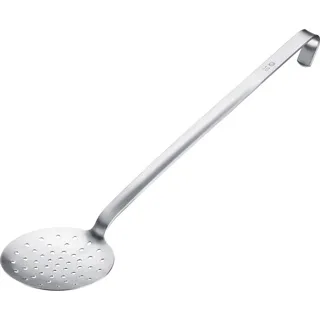
Skimmer »Pro« Ø 10 cm
Another great option is the Turner »Glory«, stainless steel, which features a polished finish that not only looks elegant but also makes cleaning a breeze. Investing in high-quality tools like these ensures that your care routine is simple and effective, giving you more time to enjoy cooking and less time scrubbing.
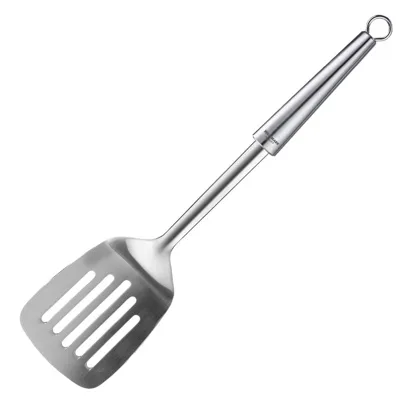
Turner »Glory«, stainless steel
- Look for one-piece construction to minimize hard-to-clean crevices.
- Polished finishes are easier to wipe clean and maintain.
- Quality stainless steel resists rust and staining.
Caring for your stainless steel meat fork doesn't have to be complicated. With regular cleaning, proper drying, and mindful storage, you can keep your fork in pristine condition for years. Remember to address any rust or discoloration promptly to prevent further damage. By following these simple tips, you'll ensure your meat fork remains a reliable companion in the kitchen, whether you're grilling, carving, or serving. For a high-quality option, consider the Skimmer »Pro« Ø 10 cm, which combines functionality with easy maintenance.