Quick Answer
To make your swimwear last longer, rinse it in cold water after every wear, hand wash with a gentle detergent, and dry it flat in the shade. Avoid wringing, machine washing, and direct sunlight, and rotate between suits to reduce wear.
Swimwear is one of the most hardworking pieces in your closet. Between chlorine, saltwater, sunscreen, and sand, your bikini or one-piece goes through a lot every time you wear it. Without proper care, even the best swimwear can fade, stretch, or lose its shape within a season.
The good news is that a few simple habits can dramatically extend the life of your swimwear. Whether you have a classic black bikini or a print that you love, these swimwear maintenance steps will help you keep your suits looking great for many summers to come.
Why Swimwear Needs Special Care
Swimwear fabrics are delicate by design. Most suits contain elastane or spandex to provide stretch and support, but these fibers are sensitive to heat, chemicals, and friction. Chlorine and saltwater can break down the fibers over time, while sunscreen and body oils can cause discoloration and odor.
Additionally, the way you wash and dry your swimwear matters. Machine washing can snag the fabric, and the heat from a dryer can damage the elastic, causing the suit to lose its shape. Understanding these vulnerabilities is the first step to making your swimsuit last longer.
- Always check the care label on your swimwear for specific instructions.
- If you swim frequently, consider having multiple suits to rotate, allowing each to rest and recover between wears.
Essential Swimwear Care Steps
The most important habit is to rinse your swimwear immediately after wearing it. Use cool, fresh water to remove chlorine, salt, sand, and sunscreen. A quick rinse can prevent many common issues before they start.
For a deeper clean, hand wash your suit with a mild detergent specifically designed for delicates or swimwear. Gently squeeze the soapy water through the fabric, then rinse thoroughly. Avoid using regular laundry detergents that may contain harsh chemicals or brighteners.
- Never wring or twist your swimwear to remove excess water. Instead, press the water out gently with a towel.
- Avoid washing your swimwear in hot water, as heat can damage the elastic fibers.
Drying and Storing Your Swimwear
After washing, lay your swimwear flat on a dry towel and roll it up to absorb excess moisture. Then, reshape the suit and lay it flat to air dry in a shaded area. Direct sunlight can fade colors and weaken the fabric, so choose a spot out of the sun.
Once dry, store your swimwear in a drawer or on a shelf, away from direct light and heat. Avoid folding it in a way that creates permanent creases, and don't hang it by the straps, as this can stretch them over time.
- If you must store your swimwear for a long period, place it in a breathable cotton bag to protect it from dust and moisture.
- Keep your swimwear away from rough surfaces or Velcro that could snag the fabric.
Step-by-Step Swimwear Care Routine
- Rinse immediately: After swimming, rinse your swimwear in cool, fresh water to remove chlorine, salt, and sand. This prevents damage and discoloration. Checkpoint: If you can't rinse right away, keep your suit in a wet bag and rinse as soon as possible.
- Hand wash gently: Use a mild detergent and cool water. Gently squeeze the soapy water through the fabric, then rinse thoroughly. Avoid wringing or twisting. Checkpoint: Never use a washing machine for swimwear, as it can cause snags and stretching.
- Dry flat in shade: Lay the suit flat on a towel, roll to remove excess water, then reshape and air dry away from direct sunlight. Checkpoint: Avoid clothespins or hangers that can leave marks or stretch the fabric.
- Store properly: Once dry, fold or roll your swimwear and store it in a drawer or breathable bag, away from heat and light. Checkpoint: Rotate between suits to reduce wear and allow elasticity to recover.
Baserange Swimwear & Care-Friendly Pieces
- Emily Body: Made from Circulose (recycled viscose) with 95% Circulose and 5% elastane. It has a scoop neck, low back, and snap closure. While not swimwear, this bodysuit features a similar elastane blend, and caring for it with the same gentle hand-washing and air-drying methods will help preserve its shape and elasticity.
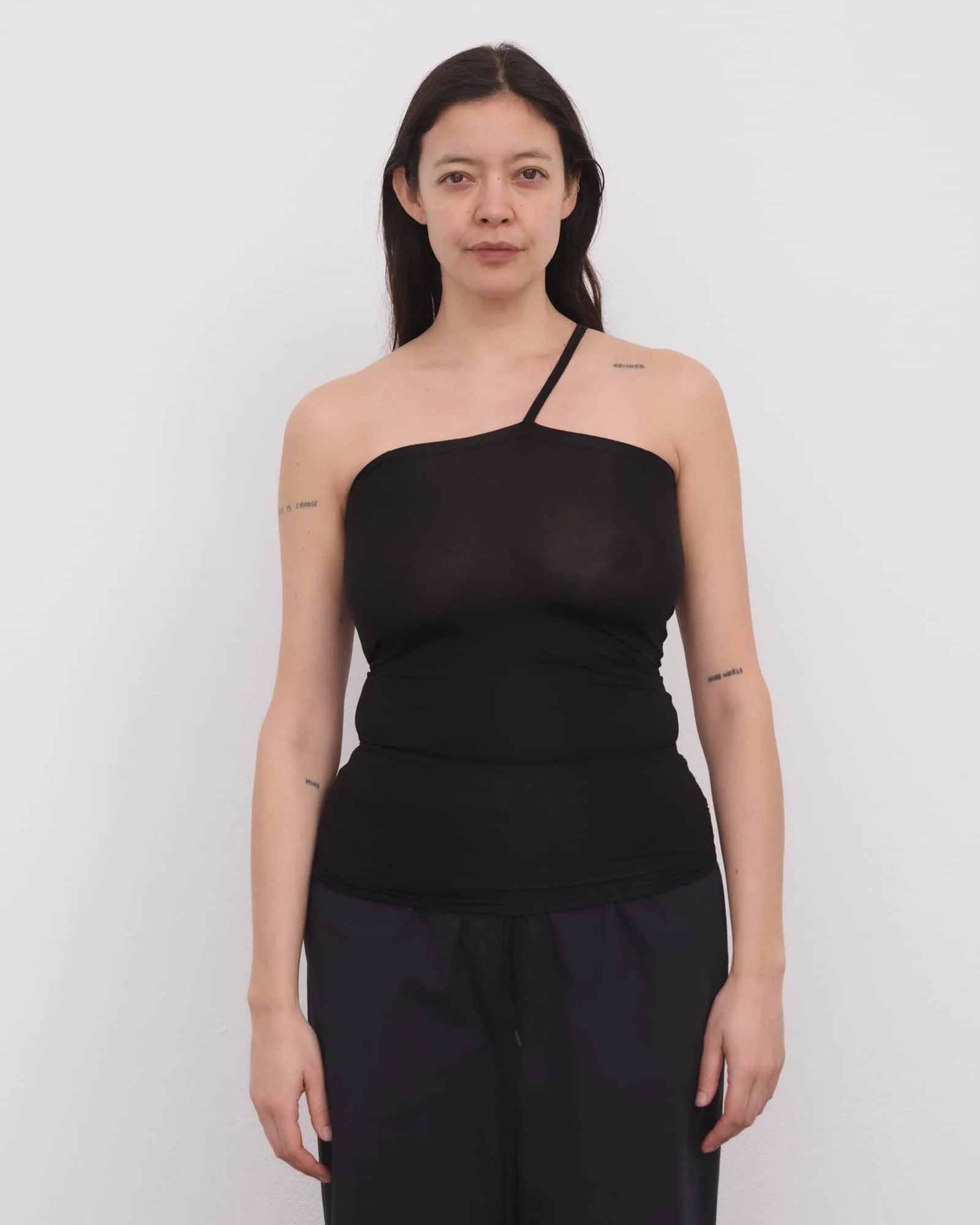
- Nida One Strap Tank: Made from deadstock bamboo lyocell with 93% bamboo lyocell and 7% elastane. This tank uses a delicate fabric blend that benefits from the same careful washing routine as swimwear. Hand washing in cold water and drying flat will keep the fabric smooth and stretchy.
Caring for your swimwear doesn't take much time, but it makes a big difference. By following these simple steps, you can keep your suits looking new and extend their life, so you can enjoy many more days at the beach or pool.