Quick answer
Empty your https://drsquatchstore.com/products/toiletry-bag-56809toiletry bag after every trip, wipe the interior with a damp cloth and mild soap, and let it air-dry fully before zipping it closed. For deeper cleaning, hand-wash with lukewarm water and mild soap, then air-dry away from direct heat. If the lining is torn, the zipper fails repeatedly, or a persistent odor survives a full wash and dry, replace the bag rather than keep patching it.
Start with a 60-second diagnosis before you clean anything
Most toiletry bag problems fall into one of four buckets: surface grime, odor, hardware failure, or lining damage. Each has a different fix, and treating the wrong cause wastes time. Before you reach for soap, empty the bag completely, turn it inside out if the design allows, and look at three things: the interior lining, the zipper teeth, and the seams where the fabric meets the base.
- White crust or flaking near the zipper: dried toothpaste or deodorant residue, not mold.
- Musty smell that returns within a day of drying: trapped moisture in padding or a non-breathable lining.
- Zipper that catches or separates: debris in the teeth or a worn slider, not a cleaning problem.
- Sticky or peeling interior coating: the water-resistant layer is breaking down, which cleaning cannot reverse.
How to clean a dopp kit without damaging the lining
For routine cleaning, skip the washing machine. The agitation and heat can warp the shape and break down interior coatings. Instead, mix a few drops of mild dish soap in lukewarm water, dip a microfiber cloth, wring it out so it is damp rather than dripping, and wipe the interior and exterior. Pay attention to corners and the base, where leaked liquid collects. For stubborn residue, let the damp cloth sit on the spot for a minute before wiping. Rinse the cloth and wipe again with clean water to remove soap film, which can attract dust.
- Never submerge a bag with a rigid frame or structured panels; spot-clean those instead.
- Avoid bleach, vinegar, and alcohol on coated linings; they can strip the water-resistant layer.
- If the care label allows hand-washing, use cold water and mild soap, then rinse thoroughly.
- Air-dry open and upside down, ideally near a fan, until no dampness remains in seams or padding.
Travel bag odor removal that actually works
Odor in a toiletry bag usually comes from one of two sources: bacteria feeding on residue, or mildew from trapped moisture. For bacterial odor, a thorough wipe-down with mild soap and a full air-dry is often enough. For mildew, you need to remove moisture and kill spores without soaking the bag. A light mist of equal parts water and white vinegar on the interior, followed by a full air-dry in indirect sunlight, can help. If the smell persists after two cycles, the padding or lining is likely holding contamination you cannot reach, and replacement is the practical choice.
- Never store a bag zipped closed while damp; that is the fastest way to grow mildew.
- Leave a dry sheet of newspaper or a silica packet inside during storage to absorb residual moisture.
- Wash your hands before packing to reduce the oils and bacteria you transfer to the fabric.
Prevention habits that add years to your bag
The single best maintenance habit is to unpack completely after every trip. Toiletries left inside for weeks leak, sweat, and press residue into seams. Wipe down bottles and caps before they go back in, and store the bag open in a dry, ventilated spot. If you travel often, rotate between two bags so each one has time to dry fully. Also check the zipper monthly: a quick brush with an old toothbrush removes grit before it wears the slider.
- Use a small internal pouch for leak-prone items like liquid sunscreen or oil-based products.
- Avoid overstuffing; pressure on seams and zippers is a leading cause of early failure.
- Keep the bag out of hot cars and direct sun, which can degrade coatings and elastic loops.
Dopp kit care guide: symptom, cause, fix, and when to stop
- Persistent musty smell after washing and drying: Mildew has likely penetrated the padding or a non-breathable lining where wiping cannot reach. Try one vinegar mist and full air-dry cycle. If the smell returns within a day, replace the bag.
- Zipper catches, separates, or jams repeatedly: Grit in the teeth or a worn slider, often caused by dried toothpaste or overstuffing. Brush the teeth clean and test. If it still fails under normal load, the hardware is worn out and repair is rarely cost-effective.
- Interior lining is sticky, peeling, or flaking: The water-resistant coating has broken down from age, heat, or harsh cleaners. Cleaning cannot restore a failed coating. Replace the bag before flakes contaminate your toiletries.
- Seams are pulling apart or fabric is thinning at stress points: Chronic overpacking or carrying excessive weight in a bag not designed for it. A single small seam repair may be worth it; multiple failures mean the bag has reached the end of its useful life.
A bag built for the care routine above
- Toiletry Bag!: The Dr. Squatch Toiletry Bag is a free gift designed to hold your Dr. Squatch essentials for on-the-go freshness, with a compact size for easy packing in a duffel or suitcase and durable construction to protect your products. Its compact, durable design makes it easier to empty, wipe down, and air-dry fully after each trip, which is the core of any toiletry bag care routine.
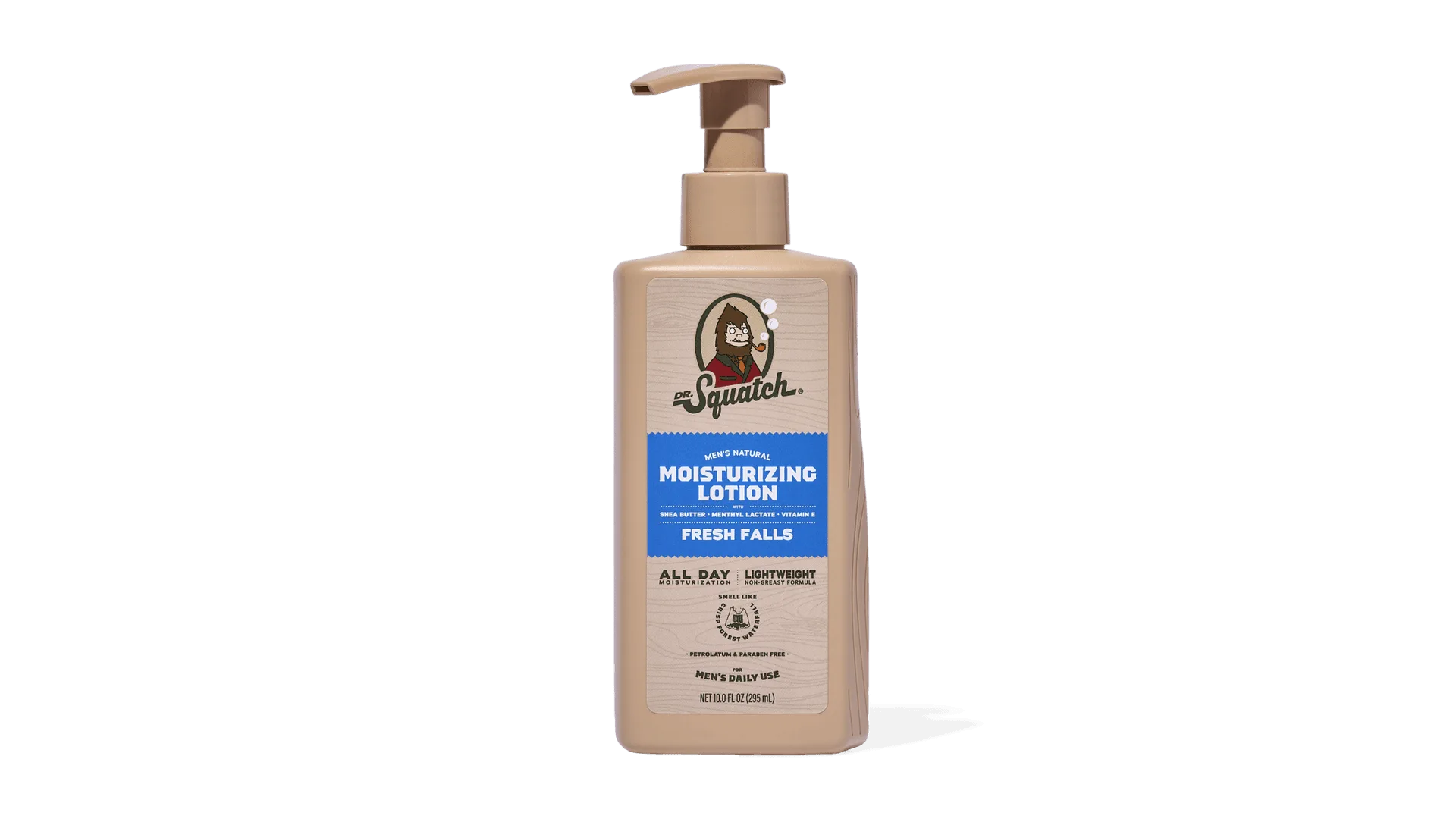
- Travel Trio + FREE Dopp Kit: The Travel Trio + FREE Dopp Kit packs 3 mini bar soaps, 3 mini deodorants, and 3 lip balms, finished with a free Dr. Squatch dopp kit built for travel, the gym, or an easy gift. Having dedicated mini sizes means less oversized gear pressing against seams and zippers, reducing the wear that leads to bag failure.