Quick answer
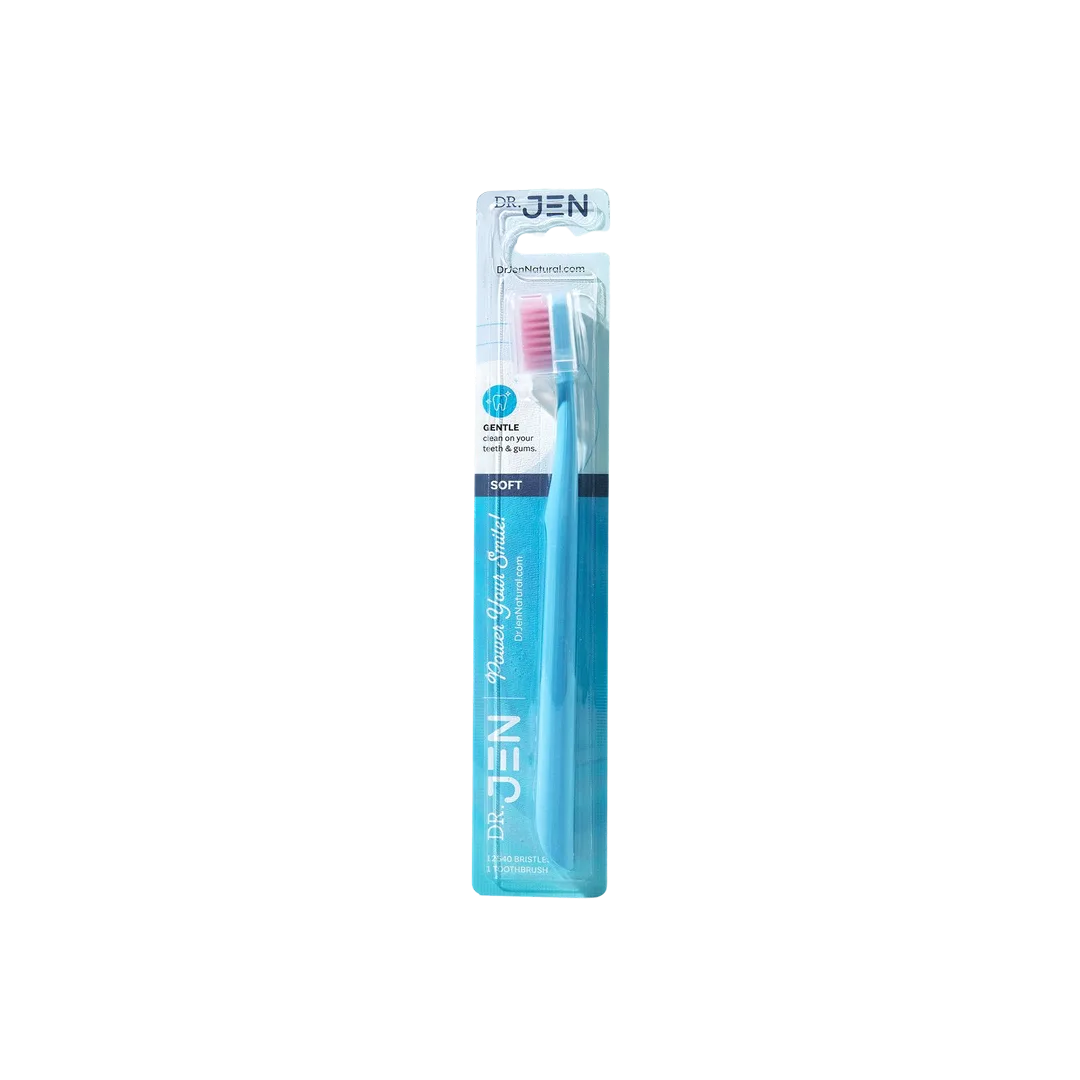
Rinse your toothbrush thoroughly after every use, store it upright and uncovered, and replace it every three to four months or sooner if bristles look frayed. For a gentle clean that protects enamel and gums, consider a soft-bristled brush like Dr. Jen's Advanced Gentle Bristle Toothbrush.
Why toothbrush care matters for your oral hygiene
Your toothbrush is a tool that touches your teeth and gums multiple times a day. If it's not cleaned and stored properly, it can harbor bacteria, and worn bristles can't clean effectively. Good toothbrush care is a simple habit that supports your overall oral care routine.
How to clean a toothbrush after every use
Rinse the bristles thoroughly under running water to remove toothpaste and debris. You can also occasionally soak the bristles in an antibacterial mouthwash for a deeper clean, but avoid using a dishwasher or microwave, which can damage the bristles.
Toothbrush storage tips: keep it upright and uncovered
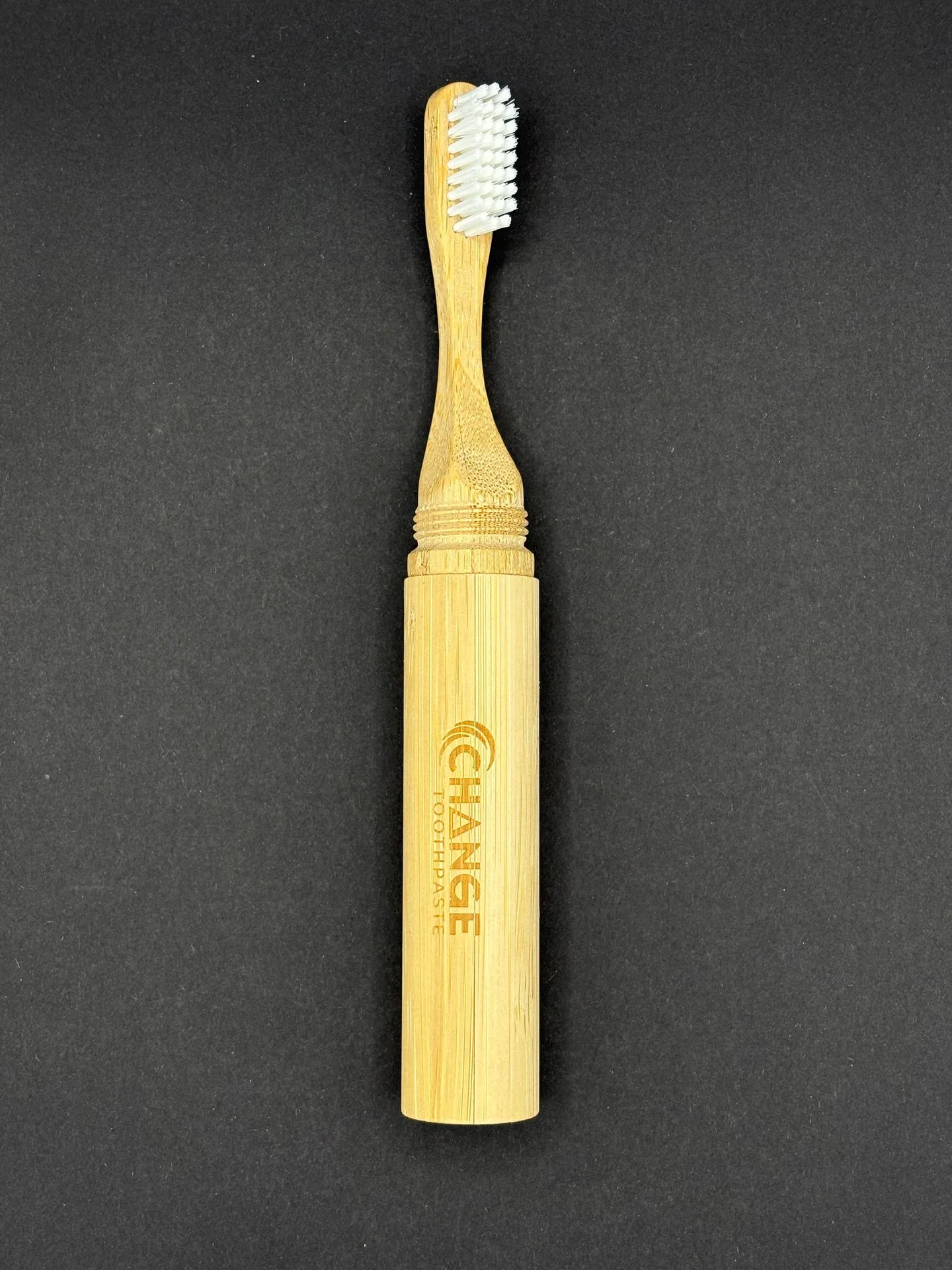
Store your toothbrush upright in a cup or holder so it can air-dry. Avoid covering it with a cap for long periods, as moisture can encourage bacterial growth. If you store multiple brushes together, keep them separated to prevent cross-contamination.
When to replace your toothbrush
Replace your toothbrush every three to four months, or sooner if the bristles become frayed. A worn toothbrush won't clean effectively and may even harm your gums. If you've been sick, consider replacing it to avoid reinfection.
Choosing a toothbrush that's gentle and effective
A toothbrush with soft, dense bristles can clean thoroughly while being gentle on enamel and gums. Dr. Jen's Advanced Gentle Bristle Toothbrush features 12,540 ultra-fine filaments for a gentle yet effective clean. Pair it with a remineralizing toothpaste like Super Paste with Fluoride + 10% Premium Nano-hydroxyapatite for added enamel support.
Your toothbrush care routine in 5 steps
- Rinse after every use: Hold the bristles under running water and rub them with your thumb to remove leftover toothpaste and food particles. Checkpoint: no visible residue left on bristles.
- Store upright and uncovered: Place your toothbrush in a holder so it can air-dry. Avoid closed containers that trap moisture. Checkpoint: bristles are not touching other brushes.
- Deep clean weekly: Soak the bristles in antibacterial mouthwash for a few minutes, then rinse well. Do not boil or microwave. Checkpoint: mouthwash is not swallowed.
- Replace every 3–4 months: Mark your calendar or set a reminder. Replace sooner if bristles are frayed or after an illness. Checkpoint: new brush feels firmer and cleans better.
- Choose a gentle brush: Use a soft-bristled brush like Dr. Jen's Advanced Gentle Bristle Toothbrush to protect enamel and gums. Checkpoint: no irritation after brushing.
Product facts
- Dr. Jen's Advanced Gentle Bristle Toothbrush: Innovative dense bristle head with 12,540 ultra-fine filaments for exceptional gentleness and effectiveness. More filaments can mean softer contact with gums while still cleaning thoroughly, making it a good choice for sensitive mouths.
- Super Paste with Fluoride + 10% Premium Nano-hydroxyapatite Toothpaste: Combines 10% nano-hydroxyapatite and fluoride, clinically proven to outperform fluoride alone toothpaste. This toothpaste supports enamel strength and can complement your toothbrush care routine for better oral hygiene.
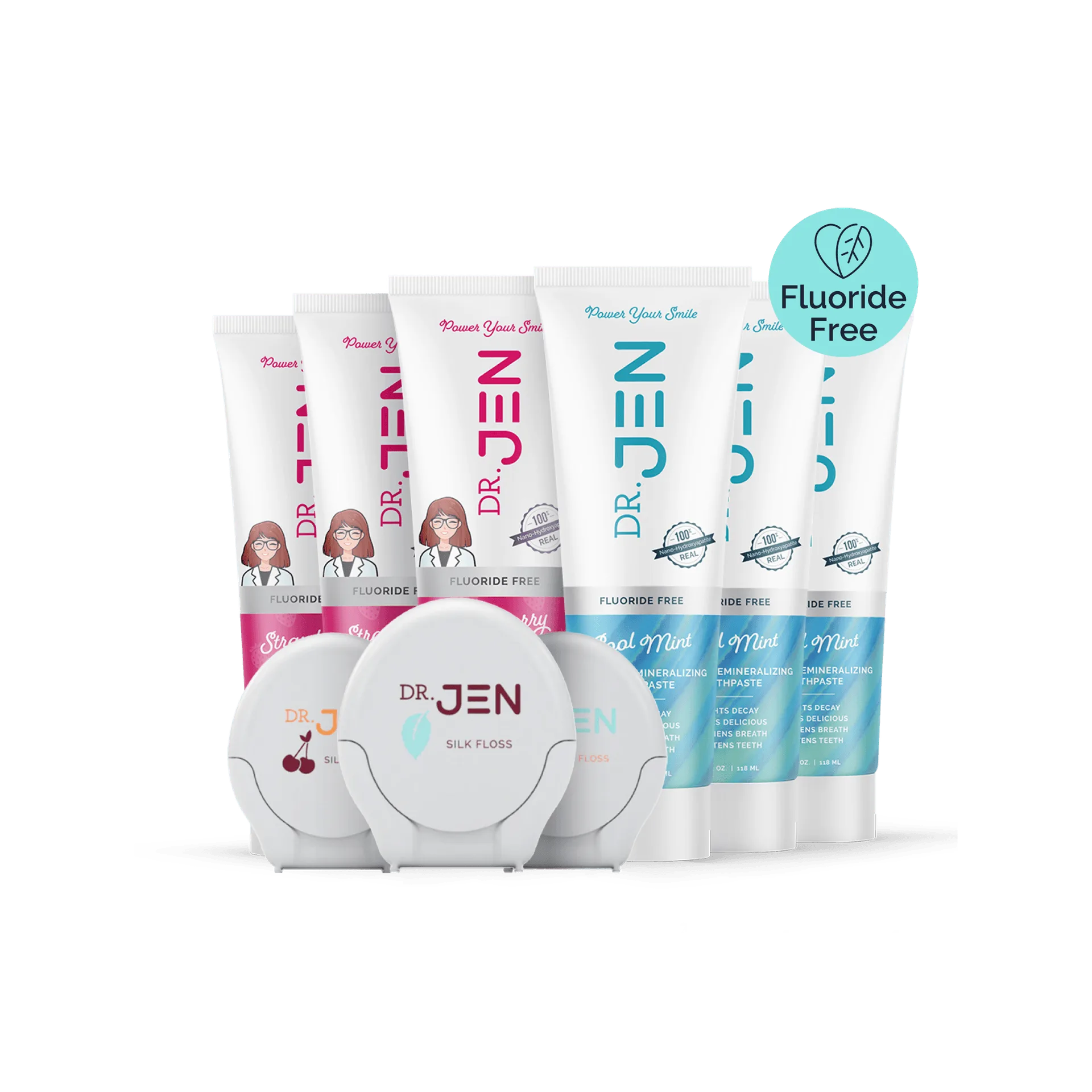
- Fluoride-Free Family Bundle: Fluoride-Free Family Bundle includes 3x remineralizing toothpaste, 3x fluoride-free toothpaste, and 3x plastic-free floss. A convenient option for families who prefer fluoride-free products and want to stock up on oral care essentials.