Quick answer
Clean zippers with a soft brush or damp cloth and mild soap, rinse and dry fully, then lubricate only if the slider still drags. For nylon coil zippers, a dry silicone or paraffin lubricant is usually enough; for metal zippers, a light application of the same is safer than oil, which can attract lint and stain fabric.
Zippers fail more often from grit, lint, and skipped maintenance than from wear. A five-minute cleaning routine every few months keeps coils and teeth sliding smoothly and prevents the slow grind that wears out sliders.
This guide walks through zipper care step by step, from routine cleaning to lubrication and storage, with the common mistake to avoid at each stage. It covers both nylon coil and metal zippers, so you can apply the same approach to bags, pouches, and jackets.
Why zipper maintenance matters
Zipper tape and teeth collect lint, dust, and tiny fibers every time a bag is opened and closed. On nylon coil zippers, that debris works into the coils and makes the slider drag; on metal zippers, grit can scratch the finish and speed up wear. Regular cleaning removes the abrasive particles before they cause damage.
Lubrication is the second half of the equation. A dry zipper that still drags after cleaning benefits from a thin lubricant that reduces friction between the slider and the teeth. The goal is a light, even film, not a wet coating that attracts more debris.
- Clean before you lubricate; lubricant over grit makes a paste that worsens drag.
- Check both sides of the zipper tape and the slider pull for lint buildup.
How to clean zippers step by step
Start by closing the zipper completely. This keeps the coils or teeth aligned and prevents the brush from catching on exposed teeth. Use a soft-bristled brush, such as an old toothbrush, to sweep along the teeth from the slider to the end of the tape on both sides. For stubborn lint, a wooden toothpick can lift debris from the gaps between teeth.
If the zipper is visibly soiled, mix a few drops of mild dish soap in lukewarm water. Dip a microfiber cloth or soft brush into the suds, wring it out so it is barely damp, and wipe along the zipper tape and teeth. Avoid soaking the zipper, especially on bags with fabric or leather nearby. Rinse the cloth with clean water and wipe again to remove soap residue.
- Never use bleach, harsh solvents, or abrasive cleaners on zipper tape or teeth.
- On printed or specialty zipper tape, test a small hidden area first.
How to dry zippers without damage
After cleaning, open the zipper fully and lay the bag or garment flat to air dry. Good airflow around the zipper is important; a fan on low speed helps. Do not use a hair dryer on high heat, which can warp nylon coils or soften the bonding on zipper tape. If the zipper is on a bag, stuff the bag lightly with a clean towel to hold its shape while drying.
Make sure the zipper is completely dry before lubricating or storing. Trapped moisture can cause metal zippers to corrode and can encourage mildew on fabric tape. In humid climates, give the zipper an extra hour of air drying before you put the item away.
- Avoid direct sunlight for extended drying; it can fade dyed zipper tape.
- If the zipper still feels damp after a few hours, check the slider and tape edges.
How to lubricate a zipper correctly
Once the zipper is clean and dry, test it by opening and closing it a few times. If it still drags, apply a small amount of lubricant. For nylon coil zippers, a silicone-based zipper lubricant or a dry stick lubricant works well. For metal zippers, the same dry lubricants are safer than oil or grease, which can stain fabric and collect lint. Apply a thin line along the teeth, then work the slider back and forth to distribute it.
If you do not have a dedicated zipper lubricant, a plain white candle or a bar of paraffin can be rubbed lightly along the teeth as a temporary fix. Avoid petroleum jelly, cooking oil, and WD-40 on zippers that touch fabric; they migrate and leave marks. After lubricating, wipe away any excess with a clean cloth so the zipper does not feel greasy.
- Use lubricant sparingly; more is not better and can attract dirt.
- Reapply lubricant only when the zipper starts to drag again, not on a fixed schedule.
Handling metal zippers and specialty finishes
Metal zippers, including bronze, gunmetal, gold, silver, and rose gold finishes, need the same cleaning care as nylon, but the finish is more vulnerable to scratches. Use a soft cloth rather than a stiff brush on the teeth, and avoid abrasive polishes. If the finish looks dull, a dry soft cloth is usually enough to restore shine; chemical metal polishes can strip the coating.
For coated or plated zippers, check the manufacturer's guidance before applying any lubricant. Some coatings react poorly to solvents. When in doubt, stick to a dry silicone lubricant or a dry paraffin rub, which are the least likely to damage the finish.
- Keep metal zippers dry; moisture is the main cause of corrosion and finish loss.
- Store metal-zipper bags in a dry place, especially in humid months.
Preventing zipper problems before they start
Good habits reduce how often you need to clean and lubricate. Close zippers before washing or storing a bag, and avoid overstuffing bags, which strains the slider and pulls the coils apart. When sewing with zipper tape, cut cleanly and seal the ends if the tape frays, so loose fibers do not migrate into the teeth.
For bags that see heavy use, a quick brush-out once a month keeps debris from building up. If you notice the slider spreading or the zipper separating behind the slider, stop using it and inspect for bent teeth or a worn slider before continuing.
- Keep a small brush near your sewing area for quick zipper cleanups.
- Check zippers on stored bags once a season for corrosion or stuck sliders.
Zipper care routine: 6 steps that keep zippers gliding
- 1. Close the zipper before cleaning: Zip the slider to the end so the teeth or coils are aligned. This prevents the brush from snagging and keeps debris from being pushed into the open zipper. Checkpoint: the zipper should be fully closed with no gaps between teeth.
- 2. Brush away loose debris: Use a soft toothbrush to sweep along the teeth from the slider to the end of the tape on both sides. A wooden toothpick can lift stubborn lint from between teeth. Common mistake: using a stiff wire brush, which scratches metal teeth and frays nylon coils.
- 3. Wipe with mild soap and water: Dip a microfiber cloth in lukewarm water with a drop of mild dish soap, wring it out well, and wipe the tape and teeth. Rinse with a clean damp cloth and avoid soaking the zipper. Checkpoint: no soap residue should remain; it can attract dirt.
- 4. Air dry completely: Open the zipper and lay the item flat in a well-ventilated area. Do not use high heat. Make sure the tape, coils, and slider are fully dry before moving on. Common mistake: storing a damp zipper, which leads to corrosion on metal and mildew on fabric tape.
- 5. Lubricate only if it still drags: Apply a thin line of silicone or dry stick lubricant along the teeth, then work the slider back and forth. Wipe off any excess with a clean cloth. Checkpoint: the zipper should glide smoothly with no greasy feel.
- 6. Store with the zipper closed: Close the zipper before putting the bag or garment away. This keeps the teeth protected and prevents the slider from catching on other items. Next step: check stored zippers once a season for stiffness or corrosion.
Zipper care in practice: products that hold up
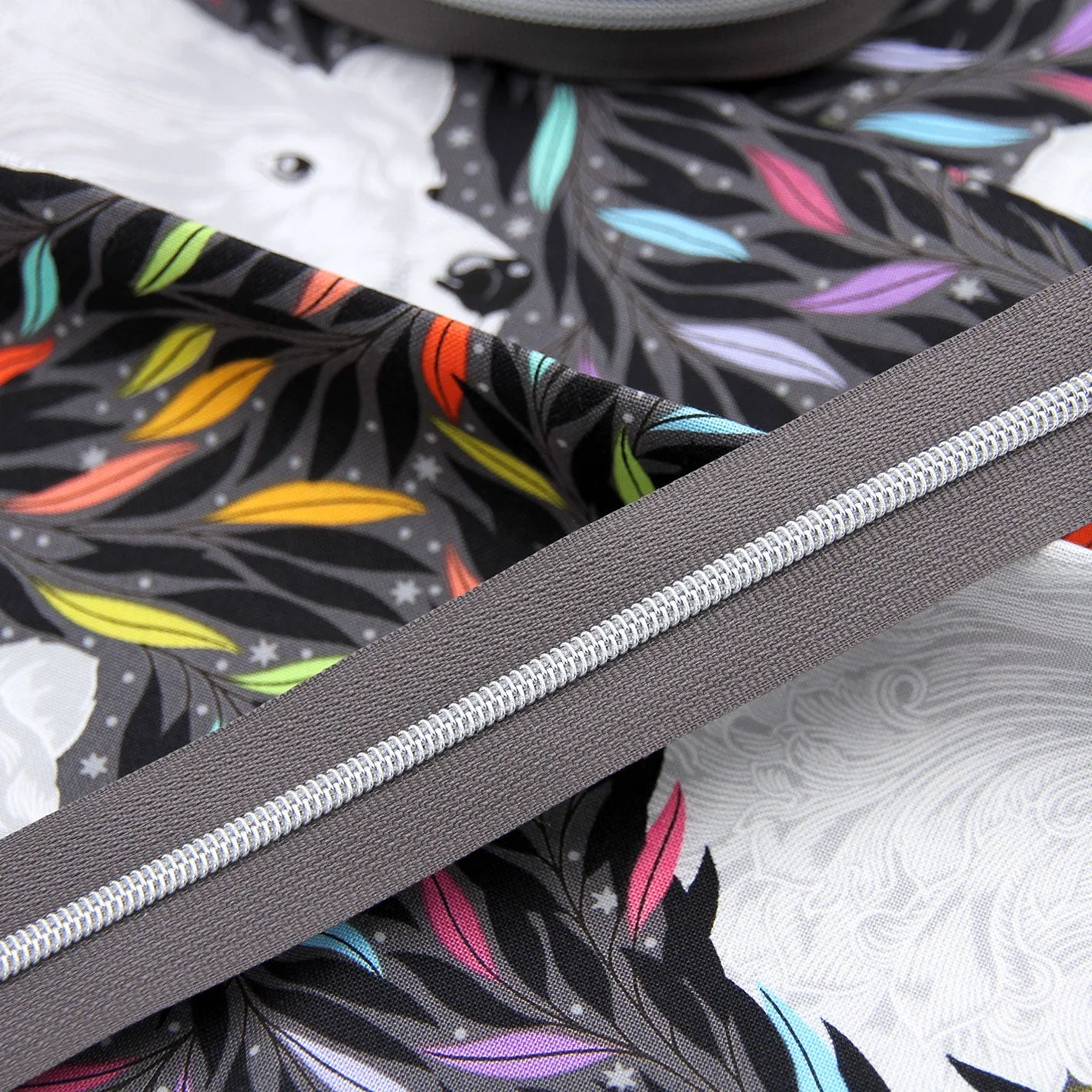
- Smoke Show - #3 Silver Nylon Coil Zipper Tape: Cut it to any length you need and sew right over it without breaking your needles (the teeth look like metal but they're nylon). Nylon coil zippers are less prone to corrosion than metal, and you can sew over them without special needles, which simplifies both installation and long-term care.
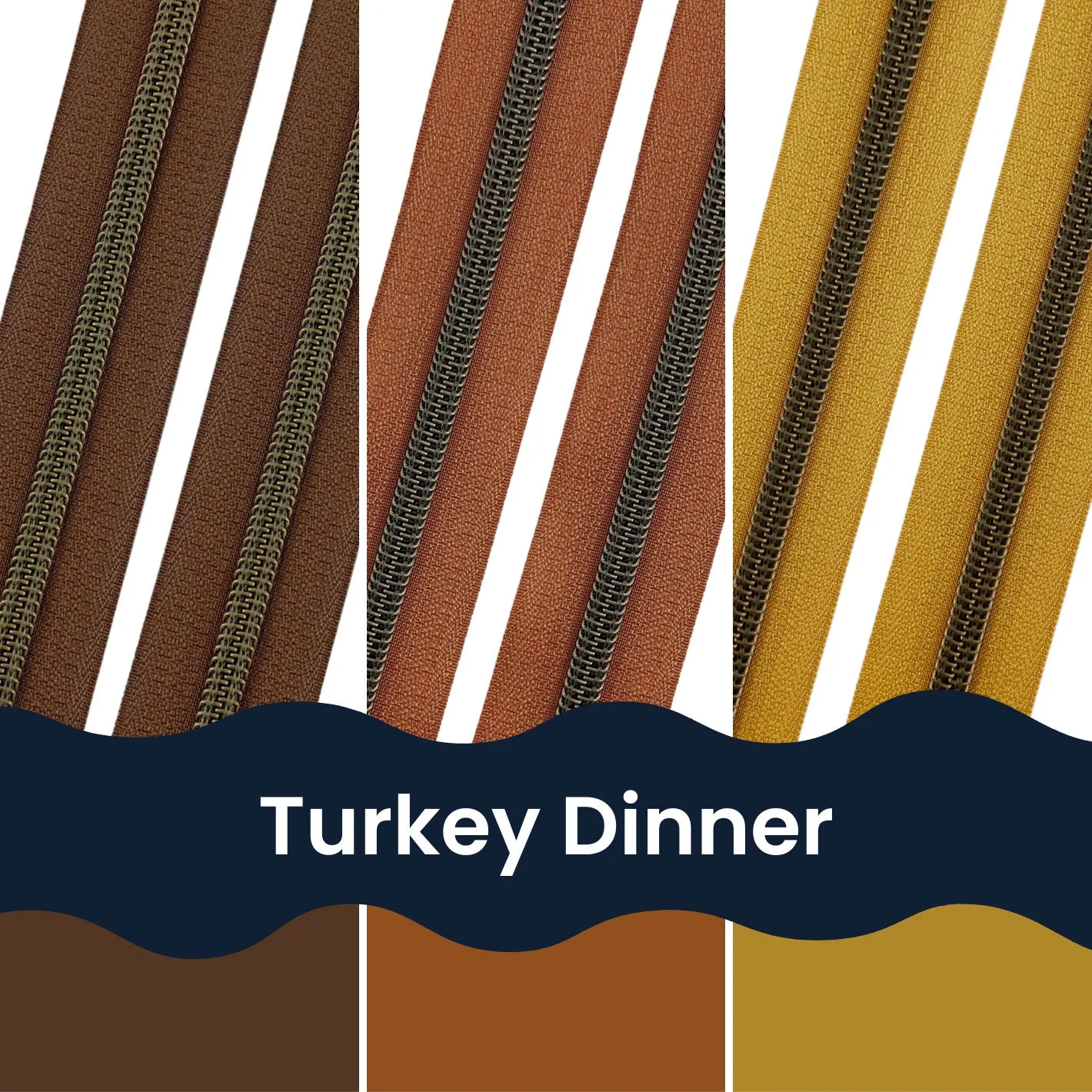
- Turkey Dinner - Zipper Tape Bundle: Three shades of cozy. One warm gathering. Turkey Dinner brings together three of our most comforting, autumnal shades in premium #5 bronze nylon coil: rich Brownie Points, warm Cappuccino, and golden Colonel Mustard. A bundle lets you match zipper tape to several projects, so you can keep a spare length on hand for repairs or replacements without buying a full spool.
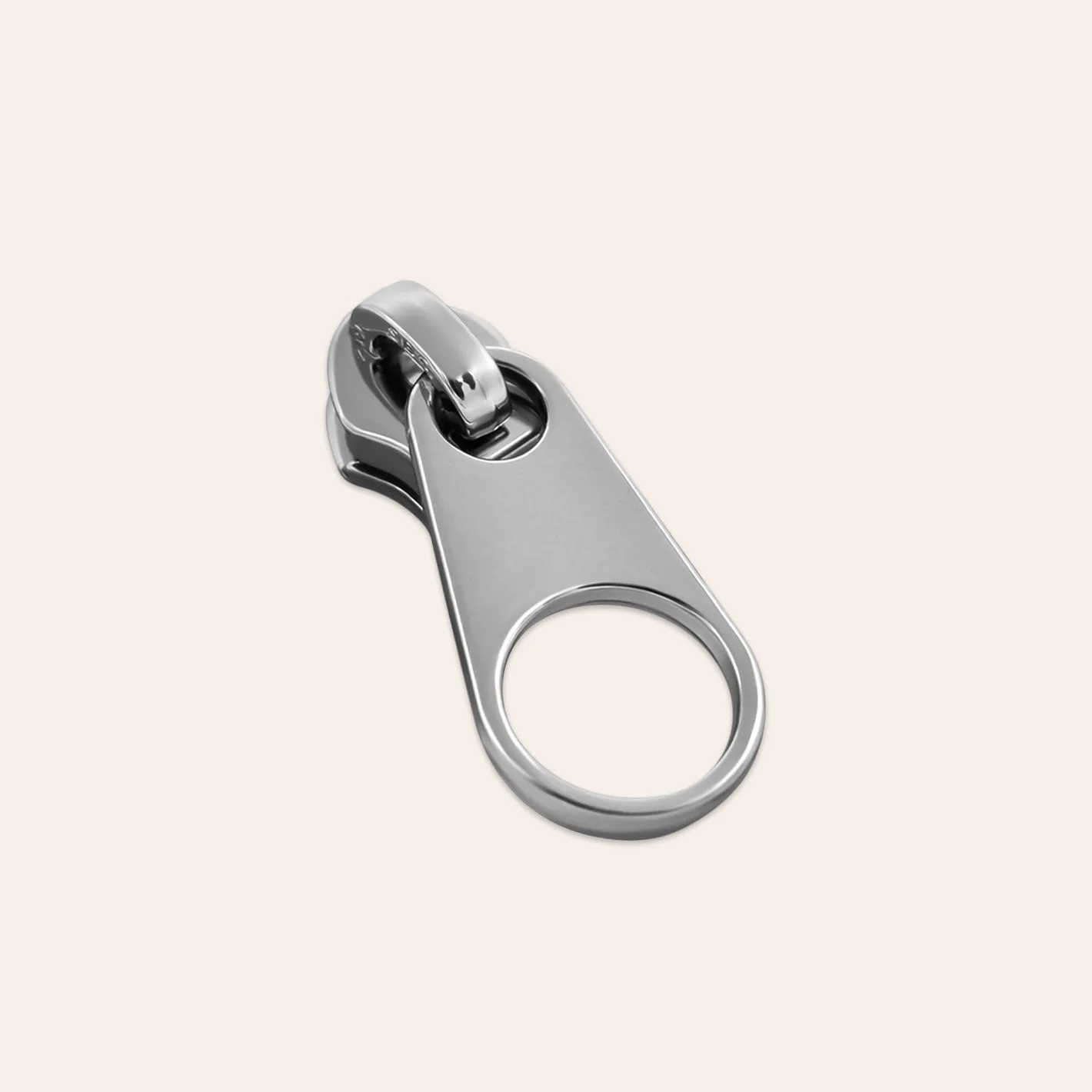
- Pop Tab Pulls - Size #5: Fits our #5 zipper tape and attaches in seconds — from either end — so you can make single or double-pull zippers without breaking a sweat. Removable pulls make it easy to swap out a worn or damaged pull without replacing the entire zipper, extending the life of the bag.
Zipper care is mostly about consistency: clean gently, dry fully, lubricate sparingly, and store with the zipper closed. Those habits keep nylon and metal zippers working smoothly for years, and they take less time than replacing a failed zipper.