Quick Answer
To get the brightest glow from your stars and planets, expose them to direct bright light—natural sunlight or a strong indoor lamp—for at least 10–30 minutes before turning off the lights. The longer and stronger the light, the longer and brighter the glow.
Why Light Type and Duration Matter
Glow-in-the-dark materials absorb light energy and then release it slowly as visible glow. The type of light source and how long you expose the pieces directly affect how bright and how long they shine.
Natural sunlight is the most effective charger because it contains a broad spectrum of light. If you're indoors, a bright LED or fluorescent lamp works well, but it may need more time than sunlight to fully charge the material.
Keep in mind that cloudy days or dim indoor lighting will reduce the charge. For best results, place your stars and planets under a direct light source, not just in a generally lit room.
Common Mistakes That Dim the Glow
Many people assume that leaving glow items in a lit room is enough. In reality, the light must hit the surface of the item directly. If the stars are tucked in a shadowy corner or behind a piece of furniture, they won't charge properly.
Another mistake is charging them for only a minute or two. A quick flash of light gives a very short, faint glow. For a satisfying display, plan a longer charge time before you dim the room.
Also, check that the glow surface is clean. Dust or adhesive residue can block light absorption and make the glow look patchy.
Frequently Asked Questions
How long should I charge glow stars?
Aim for at least 10–30 minutes under direct bright light. For maximum brightness, an hour or more is better. The longer the charge, the longer the glow lasts. Set a timer if you often forget—longer charging pays off.
Can I charge them with a regular lamp?
Yes, but a bright LED or fluorescent lamp works best. Position the stars or planets directly under the lamp, as close as practical, and leave them there for the full charge time. If your lamp is dim, increase charge time to compensate.
Why do my glow stars look dim?
Possible reasons: not enough charge time, weak light source, dirty surface, or the glow cycle is already fading. Recharge them under brighter light and clean the surface gently with a soft cloth. Check the light source first—direct sunlight is the strongest charger.
How do I make glow stars brighter?
Charge them under direct sunlight or a strong indoor light for at least 30 minutes. Also, ensure the glow surface is clean and not covered by adhesive residue. Using multiple light sources can help. For a quick boost, use a flashlight to spot-charge individual stars.
Do glow planets need special prep before first use?
No special prep is needed. Just remove them from the package, apply the adhesive putty if you're attaching them, and charge them under light before turning off the lights. Charge after attaching them—you'll get the glow exactly where you want it.
How long does the glow last?
Typically, the glow fades gradually over 30 minutes to a few hours, depending on the charge time and the quality of the glow material. Recharge whenever you want the display bright again. For an all-night glow, recharge before bedtime and consider a second charge for morning.
Products That Glow Bright
-
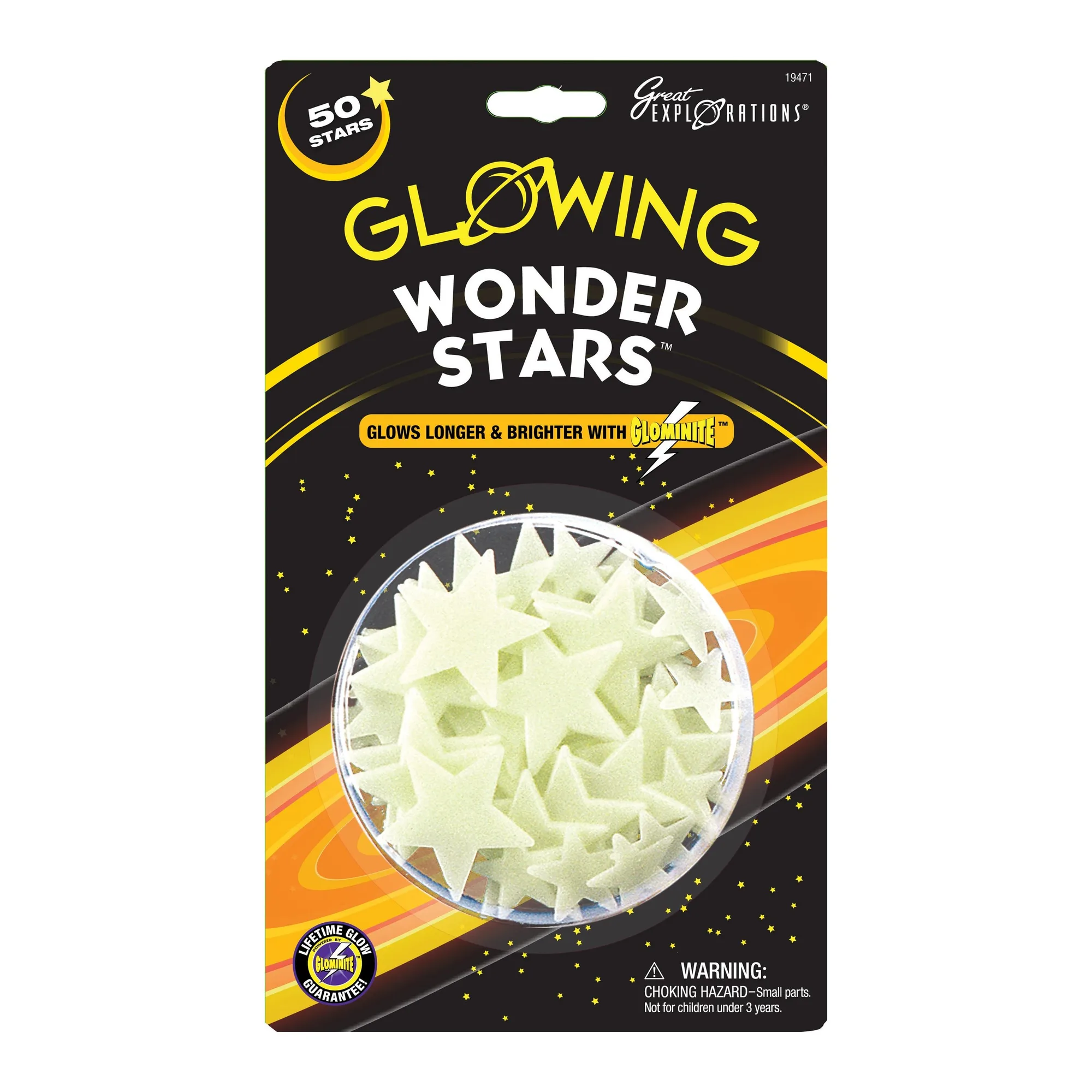
Glowing Wonder Stars: These stars use the Glomonite formula to out-glow other celestial products. The special formula means they absorb and emit light more efficiently, so a standard charge gives you a noticeably brighter ceiling display.
Glowing Wonder Stars
-
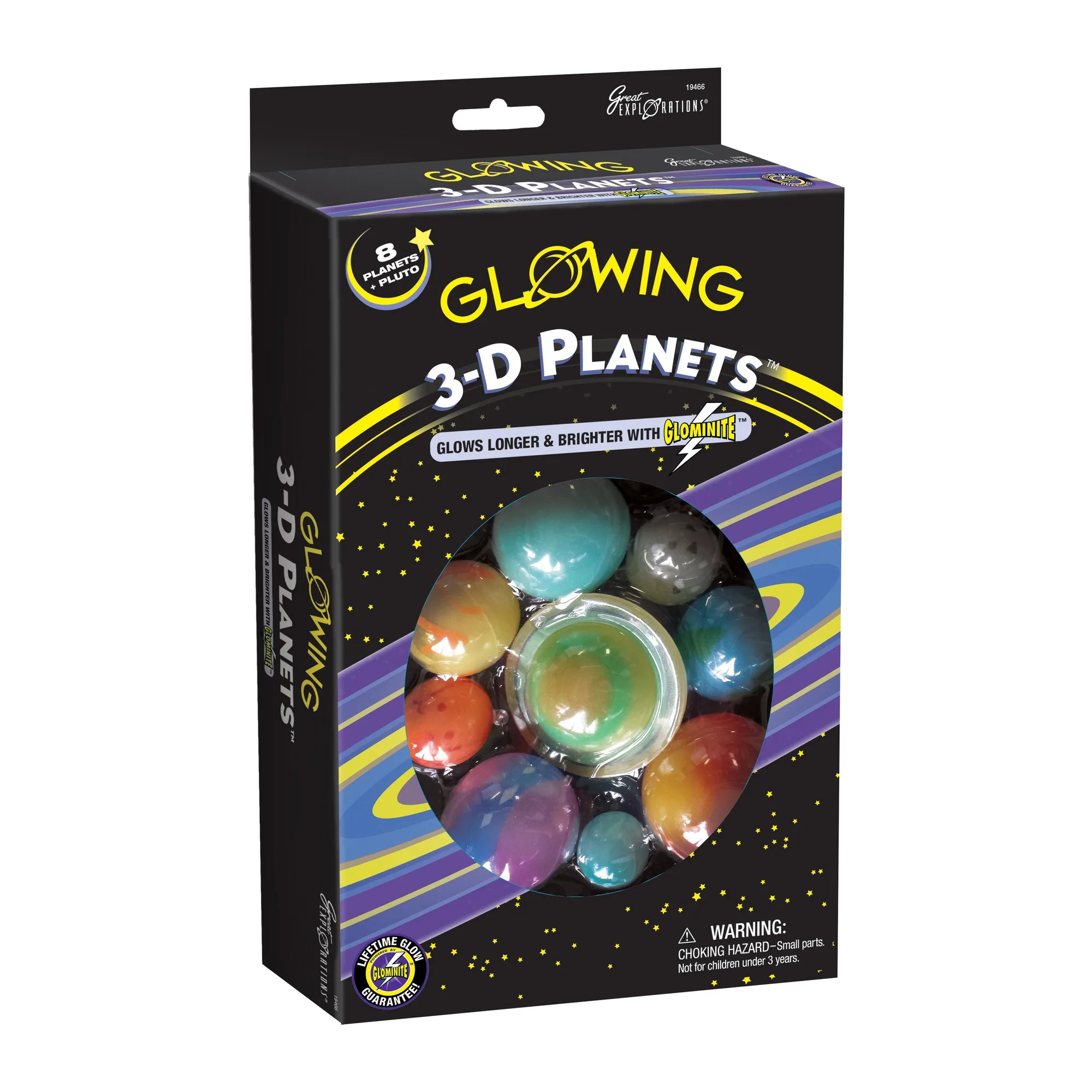
Glowing 3-D Planets: The 3-D planets come with reusable adhesive putty for easy ceiling attachment. You can position them directly under a light source for charging, then move them to your preferred display spot without losing stickiness.
Glowing 3-D Planets
-
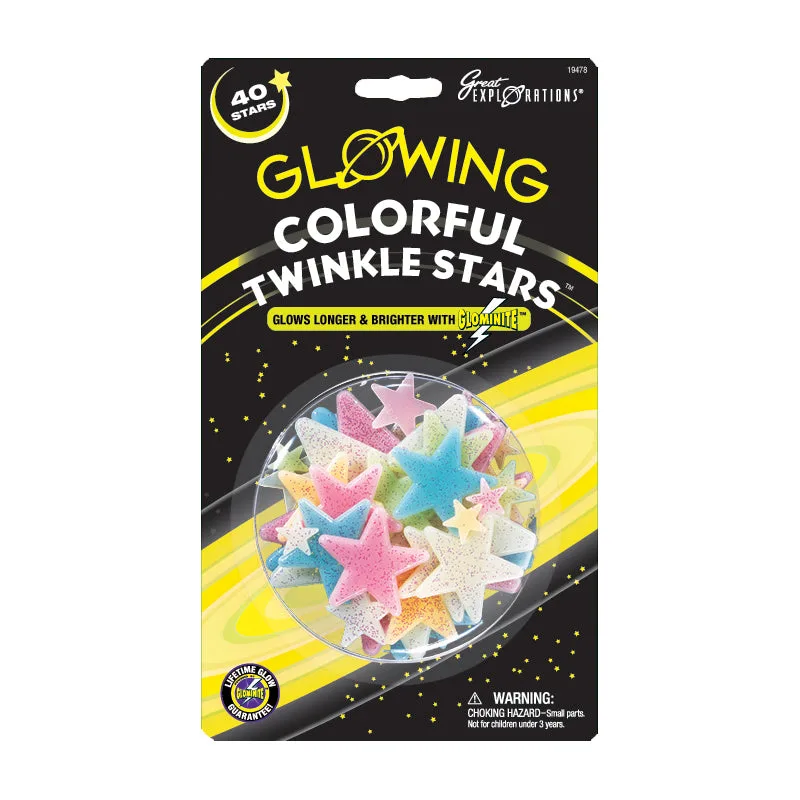
Glowing Colorful Twinkle Stars: These colorful stars are splashed with glitter to create a twinkle effect. The glitter reflects light even when the glow fades, so the stars keep visual interest longer than plain glow pieces.