Quick answer
Match the camera to how often you shoot, your budget per frame, and whether you want prints immediately or scans later. For beginners, a disposable camera offers the lowest commitment; for everyday shooting, a half-frame like the Pentax 17 gives you more shots per roll.
Why your shooting habits matter more than specs
The best 35mm film camera for you depends less on megapixels or lens sharpness and more on how often you shoot, where you shoot, and what you do with the photos. A camera that stays in a drawer is a waste, no matter how good it looks on paper.
Think about your typical week: do you shoot a roll every few days or once a season? Do you want physical prints immediately or are you happy to wait for scans? These answers will point you to the right format and features.
The real cost per shot
Film and processing add up quickly. A 27-exposure disposable camera gives you 27 shots for the price of the camera, but you can't change film or reuse the body. A reusable camera spreads the cost over many rolls, but you'll also need to buy film and pay for development.
Half-frame cameras like the Pentax 17 capture two images per 35mm frame, effectively doubling your shots per roll. That can cut your per-shot film cost in half, which is a big deal if you shoot frequently.
Instant gratification vs. the darkroom
If you want a physical print in your hand within minutes, an instant camera like the Lomography Instant Mini is the obvious choice. It uses instant film, so there's no waiting for development and no scanning. But instant film is pricey per shot and the cameras are less flexible for low-light or fast action.
If you're comfortable with film processing or using a lab, a traditional 35mm camera gives you more control over exposure and focus, and you can get high-resolution scans for sharing online.
Decision rules for picking your 35mm film camera
- Budget per roll: If you want the lowest cost per shot, choose a half-frame camera like the Pentax 17. If you're okay with a higher per-shot cost for simplicity, a disposable camera works fine. Calculate your monthly film budget and divide by shots per roll to see what fits.
- Need for instant prints: If you must have a photo in hand right away, pick an instant camera like the Lomography Instant Mini. If you can wait for lab processing, a traditional 35mm camera gives more control. Instant film costs more per shot, so factor that into your decision.
- Shooting frequency: If you shoot less than one roll a month, a disposable camera avoids the hassle of loading and storing film. If you shoot weekly, a reusable camera pays off quickly. A reusable camera becomes more economical the more you shoot.
- Learning curve: If you're new to film, start with a disposable or a simple point-and-shoot. If you want to learn exposure and composition, choose a camera with manual controls. Don't buy a complex camera if you're not ready to learn the basics.
Camera options at a glance
-
Pentax 17 35mm Film Camera Dark Silver Kit: The Pentax 17 uses a half-size format, capturing two 17mm x 24mm vertical pictures per standard 35mm frame. You get twice as many shots per roll, which lowers your per-photo film cost and gives you more room to experiment.
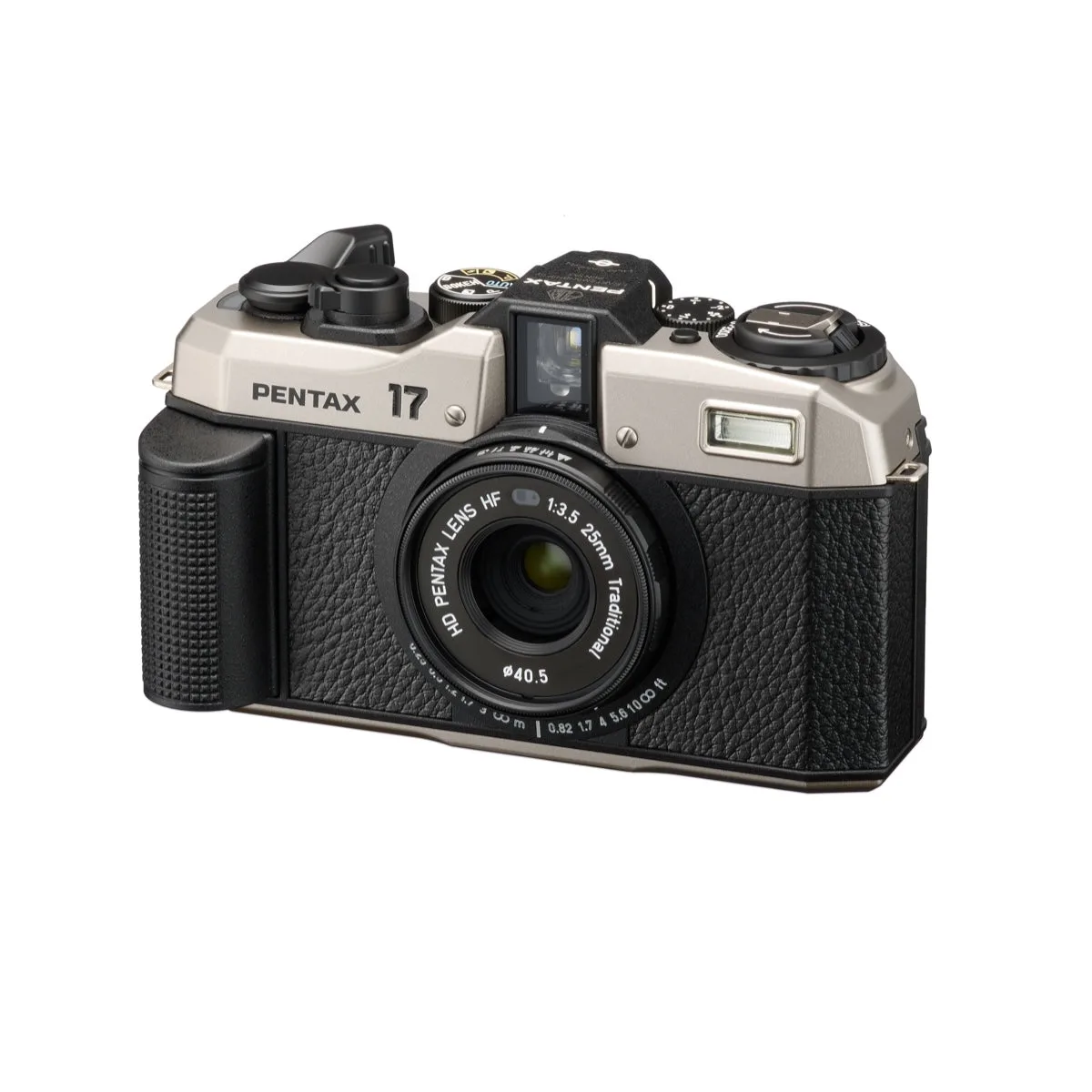
Pentax 17 35mm Film Camera Dark Silver Kit
-
Lomography Instant Mini Camera - Black: The Lomography Instant Mini Camera features three shooting modes and a built-in wide-angle lens. It's a flexible instant camera for portraits, landscapes, and close-ups, giving you immediate prints without a lab.
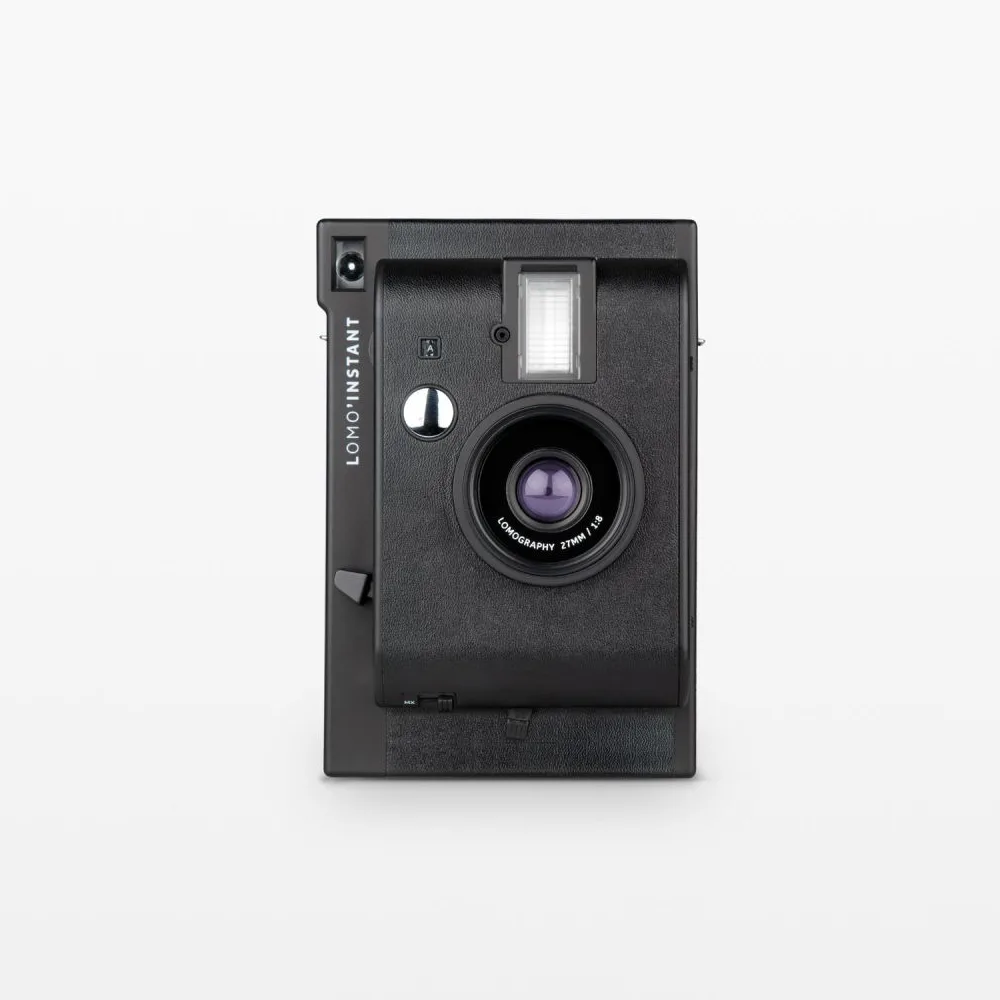
Lomography Instant Mini Camera - Black
-
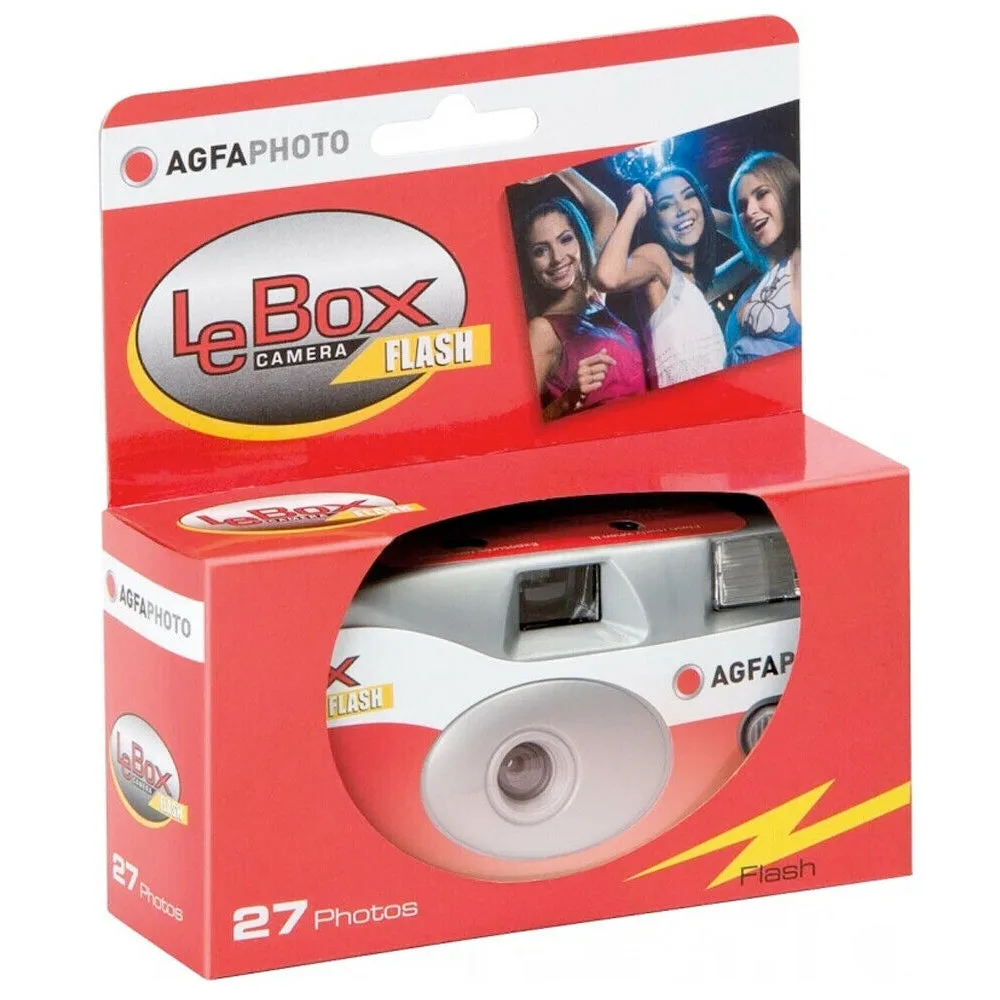
AgfaPhoto LeBox 400 Disposable Camera with Flash 27 Exposure SUC: The AgfaPhoto LeBox Flash is a single-use camera with a 27-exposure roll of ISO 400 film and an auto-recharging flash with a range of 13.1 feet. It's a low-commitment way to try film photography, with enough speed and flash for everyday indoor and outdoor shots.
Who should choose what
Best for
- Beginners who want a low-cost, no-fuss introduction to film photography
- Travelers who want a lightweight, disposable option for a trip
- Enthusiasts who want to shoot more for less with a half-frame camera
- Anyone who wants instant prints without a lab
Not for
- Photographers needing full manual control and interchangeable lenses
- Those who want high-resolution scans for large prints
- Budget-conscious shooters who plan to shoot hundreds of rolls a year