Quick Answer
For a true all-season baby blanket, choose a dual-layer rayon-blend design that is soft, breathable, and provides a comfortable weight without overheating.
Why Material Matters Most
The fabric determines how well the blanket regulates temperature. Rayon-blend fabrics are known for breathability and softness, making them a strong choice for year-round use. They wick moisture and allow air circulation, which helps prevent overheating during warmer months while still offering cozy warmth in cooler weather.
Avoid heavy knits or thick fleece if you live in a mild climate or if your baby runs warm. These materials trap heat and can make your baby sweaty and uncomfortable. Instead, look for lightweight, dual-layer options that provide gentle insulation without bulk.
Weight and Climate: Finding the Balance
A blanket that is too heavy can be a safety concern for infants, especially during sleep. The American Academy of Pediatrics recommends avoiding loose blankets in the crib for babies under 12 months. So, for an all-season blanket, aim for a weight that feels snug but not heavy—like a swaddle or a light cover for stroller or playtime.
If you live in a region with distinct seasons, a single medium-weight blanket may not suffice. You might need a lighter option for summer and a slightly warmer one for winter. However, a dual-layer design can adapt by being used alone in warm weather and layered with a sleep sack in colder months.
Size and Safety: Getting the Right Fit
Size matters for safety and practicality. A newborn blanket is typically smaller (around 30x40 inches) and easier to handle for swaddling or tucking around a stroller. As your baby grows, a larger blanket (40x60 inches) can be used for tummy time, as a nursing cover, or as a toddler's comfort blanket.
Always follow safe sleep guidelines: no loose blankets in the crib for infants. Use blankets for supervised activities like stroller rides, playtime, or cuddling. When choosing a size, consider how you plan to use it—swaddling, stroller cover, or toddler security blanket—and pick accordingly.
Decision Rules for Choosing an All-Season Blanket
- Check the Material: Choose a rayon-blend or breathable cotton fabric. Avoid heavy fleece or wool for all-season use unless you live in a very cold climate. Look for 'breathable' or 'rayon-blend' in the product description.
- Assess the Weight: Hold the blanket and gauge its weight. It should feel snug but not heavy. Dual-layer designs provide a balanced weight for most climates. If you can't feel the weight in person, read reviews about warmth.
- Consider the Size: For newborns, choose a smaller blanket (around 30x40 inches) for swaddling or stroller use. For older babies, a larger size (40x60 inches) offers more versatility. Think about your primary use: swaddle, stroller cover, or toddler comfort.
- Prioritize Safety: Never use loose blankets in the crib for babies under 12 months. Use blankets only for supervised activities like stroller rides or playtime. Always follow safe sleep guidelines from pediatric organizations.
Featured All-Season Blankets
-
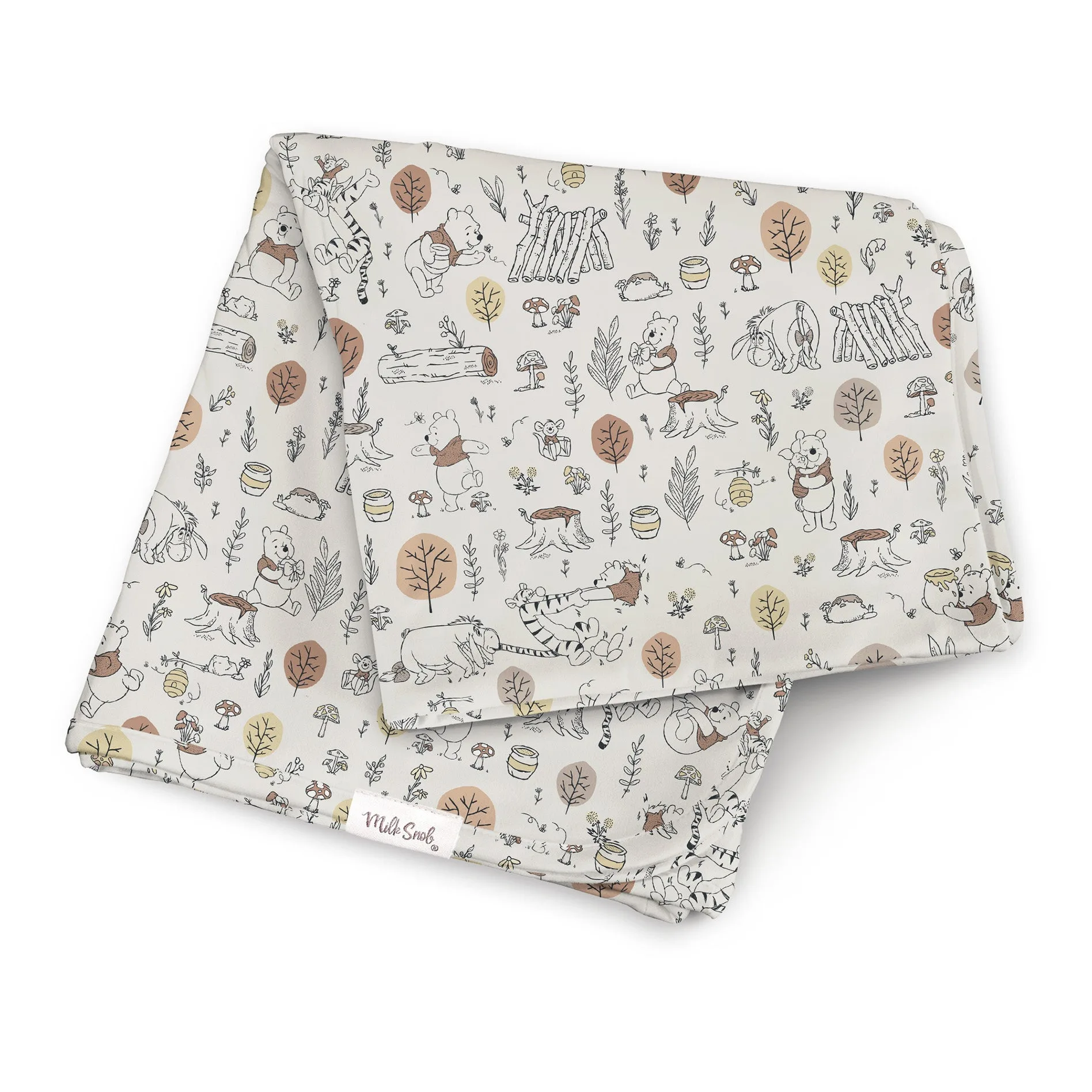
DISNEY WINNIE THE POOH BABY BEE BLANKET: The Disney Winnie the Pooh Baby Bee Blanket features a premium rayon-blend fabric with a dual-layer design. The soft, breathable fabric and dual-layer construction make it a versatile choice for year-round comfort, from stroller rides to cuddle time.
DISNEY WINNIE THE POOH BABY BEE BLANKET
-
STAR WARS™ GALAXY BATTLE BLANKET: The STAR WARS™ Galaxy Battle Blanket uses the same premium rayon-blend fabric and dual-layer design. It offers the same all-season benefits with a fun, engaging print that appeals to older babies and toddlers, making it a great transition blanket.
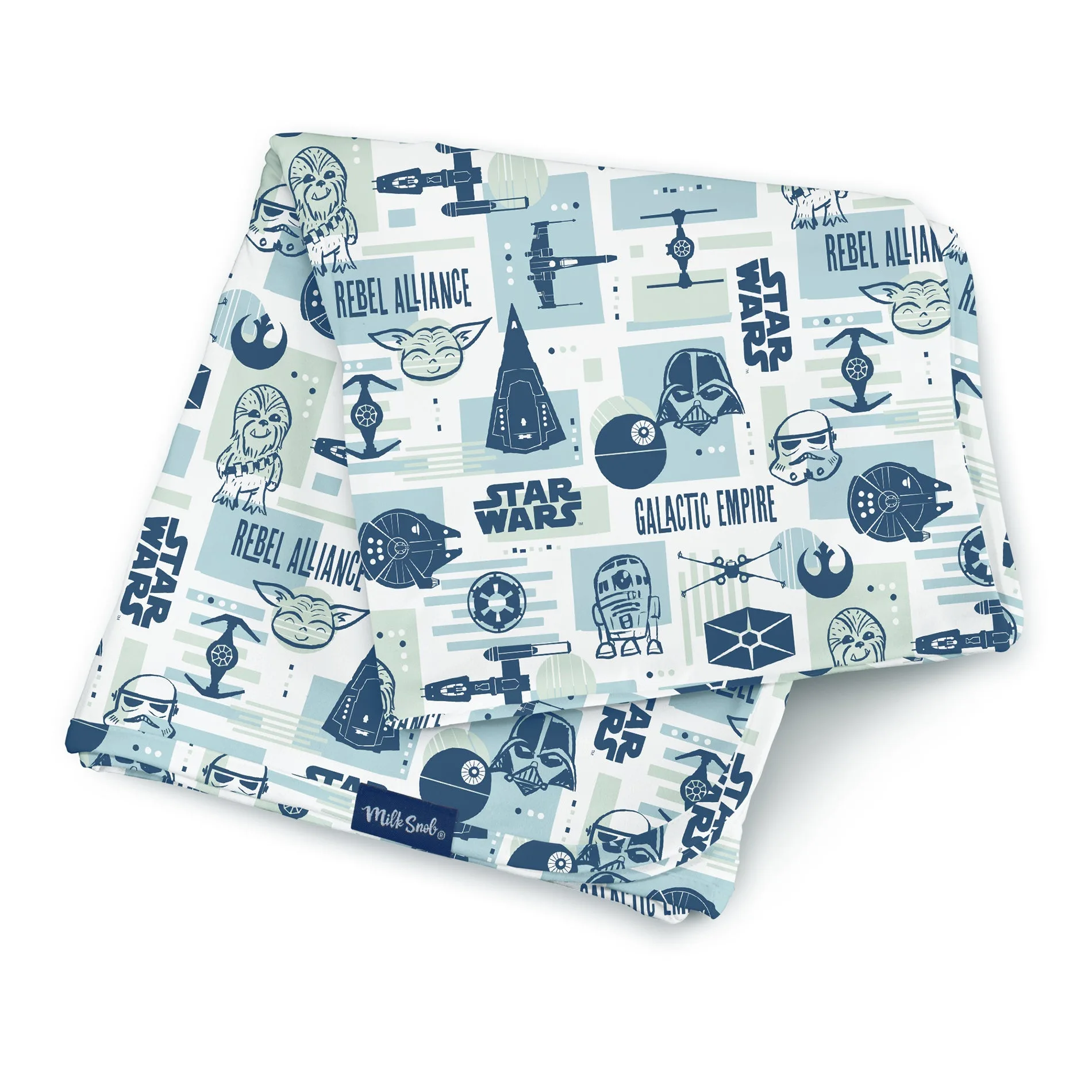
STAR WARS™ GALAXY BATTLE BLANKET
Who This Blanket Is For
Best for
- Parents in mild climates who need a versatile blanket for stroller, play, and cuddling
- Babies and toddlers who enjoy a soft, breathable fabric that doesn't overheat
Not for
- Parents who need a heavy winter blanket for extreme cold—consider a thicker quilt or sleep sack instead
- Infants under 12 months who need a sleep sack for safe sleep—loose blankets are not recommended