Quick Answer
For active parents, the best baby carrier balances ergonomic support, multiple carrying positions, and easy adjustments. Look for a carrier that fits your baby's current weight and your activity level, and prioritize features like machine-washable fabric and breathable materials.
Why Carrying Position Matters for Active Use
When you're hiking or exploring, your baby's position affects both comfort and safety. Front-facing carriers are great for younger babies who need to feel close, while backpack or hip carries can distribute weight better as your child grows. A carrier that offers multiple positions lets you adapt to different activities and your baby's changing needs.
For active parents, a carrier that allows facing-out or backpack mode is useful once your baby can hold their head up unassisted. This gives your little one a better view and can make long walks more engaging for them. Always follow the manufacturer's weight and developmental guidelines for each position.
Ergonomic Support: What to Look For
An ergonomic baby carrier keeps your baby in a natural, wide-leg position that supports healthy hip development. It also prevents strain on your back and shoulders during long outings. Look for padded shoulder straps and a supportive waist belt, especially if you plan to carry your baby for extended periods.
Adjustable back straps and a simple entry system can make a big difference when you're putting the carrier on and off during a busy day. A carrier that's easy to adjust means you can get a snug fit quickly, which is essential for active use.
Decision Rules for Choosing an Active Baby Carrier
- Check the weight range: Make sure the carrier supports your baby's current weight and leaves room to grow. If you plan to use it for years, choose a carrier with a wide weight range like 7 to 45 lbs. Weigh your baby and compare it to the carrier's stated limits before buying.
- Match carrying positions to your activities: For hiking, a carrier with backpack mode distributes weight better and gives your baby a view. For quick errands, a front or hip carry may be more convenient. Choose a carrier that offers the positions you'll actually use. List your typical activities and pick a carrier that covers those positions.
- Prioritize easy adjustments and cleaning: A single side-entry buckle and adjustable back straps simplify putting on and taking off the carrier. Machine-washable fabric and a removable bib help keep it clean after outdoor adventures. Check the cleaning instructions and entry mechanism before you buy.
Carrier Options to Consider
-
Active Infant Carrier - Support: The Active Infant Carrier - Support offers 3 carrying positions: face in, face out, and backpack mode. It features a single side-entry buckle and adjustable back straps, and is machine-washable with a removable bib. This carrier grows with your baby from facing-in cuddles to backpack adventures, and the machine-washable fabric makes it practical for messy outdoor days.
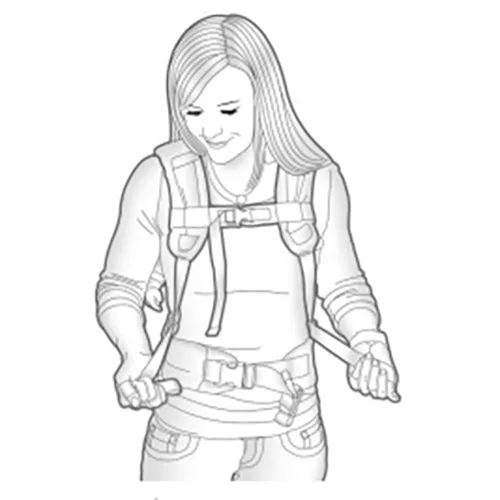
Active Infant Carrier - Support
-
Natural Fit Infant Carrier Support: The Natural Fit Infant Carrier Support is designed for babies 7 to 45 lbs. and offers three hands-free, inward-facing carrying options: front carry, backpack style, or hip carry. It features an ergonomic wide leg position and no complicated tying. With a wide weight range and hip-carry option, this carrier suits parents who want a simple, comfortable fit for everyday errands and longer walks with a growing child.
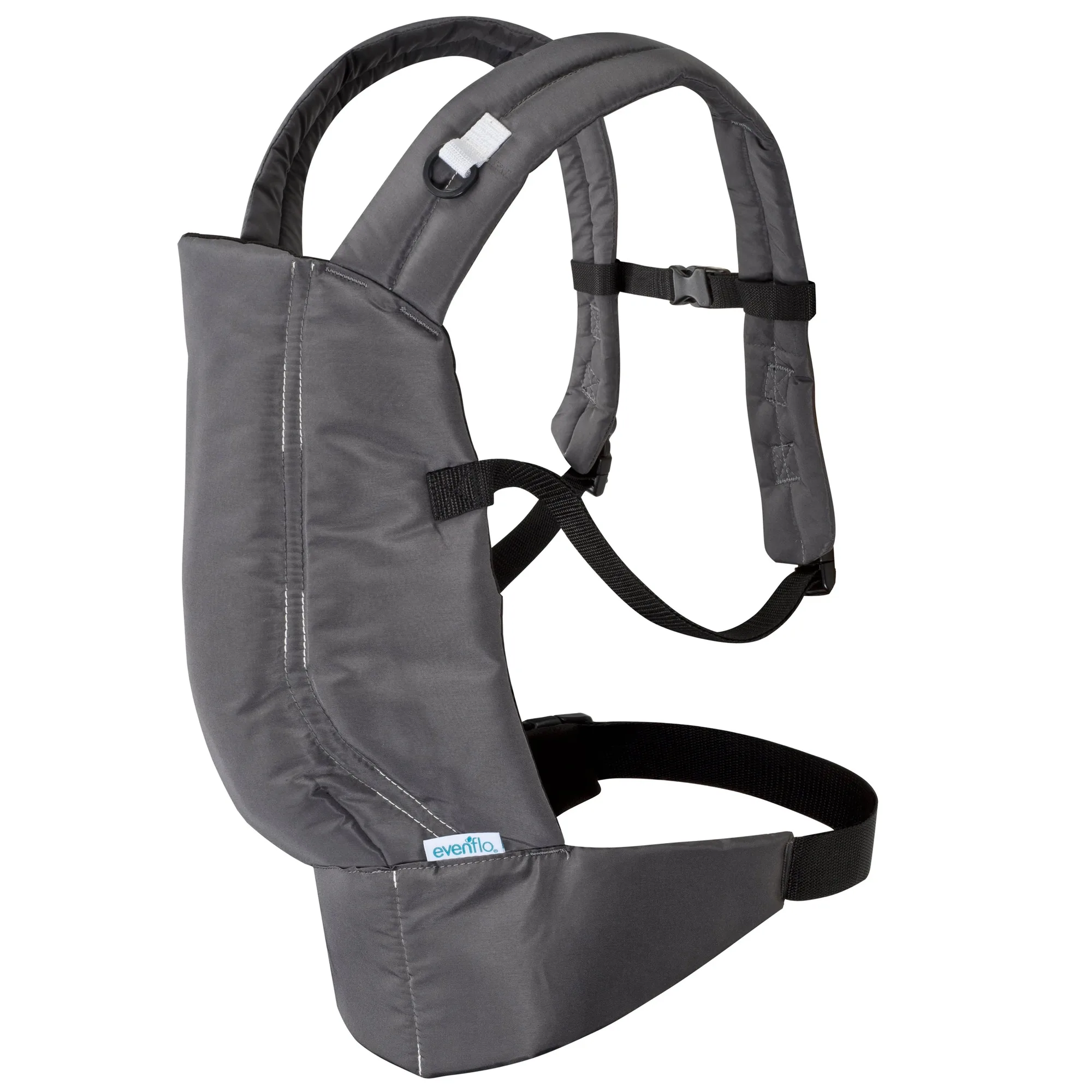
Natural Fit Infant Carrier Support
Who Should Choose Which Carrier
Best for
- Active parents who want a carrier that transitions from front to backpack mode for hiking and longer outings.
- Parents who value easy cleaning and a simple entry system for on-the-go use.
Not for
- Parents who prefer a carrier with a hip-carry option as a primary position, since the Active Infant Carrier - Support focuses on front and backpack modes.