Quick answer
Focus on a wrap that offers a secure fit, breathable fabric, and meets safety standards like the CPSC. The WeeSprout Baby Wrap Carrier is a strong choice.
Why fit and fabric matter for safety
A baby wrap carrier must keep your baby snug against you without restricting their breathing. The fabric should be breathable to prevent overheating, and the wrap must distribute weight evenly to avoid strain on your back. A one-size-fits-all design can work for many caregivers, but you still need to check the fit around your waist and shoulders.
Trade-offs: stretch vs. woven wraps
Stretch wraps like the WeeSprout Baby Wrap Carrier offer flexibility and are easier to tie for beginners, but they may sag over time if not tied tightly. Woven wraps provide more support for heavier babies but have a steeper learning curve. For most caregivers, a stretchy wrap made from quality material like Tencel™ Modal is a practical balance of comfort and security.
Decision rules for choosing a baby wrap carrier
- Check the fabric: Look for breathable, soft materials like Tencel™ Modal or organic cotton. Avoid synthetics that trap heat.
- Evaluate the fit: The wrap should allow you to tie it snugly without pressure points. A one-size-fits-all design should still accommodate your body type. Test the wrap with your baby inside before committing to a long walk.
- Prioritize safety: Ensure the wrap meets CPSC guidelines, keeps baby's face visible, and supports proper hip positioning. Always follow the manufacturer's instructions for tying and adjusting.
Product facts
-
Baby Wrap Carrier – One Size Fits All: Made from ultra-soft, breathable 100% Tencel™ Modal that adapts to movement without sagging or slipping. This means the wrap stays secure throughout the day, reducing the need for readjustment while keeping your baby comfortable.
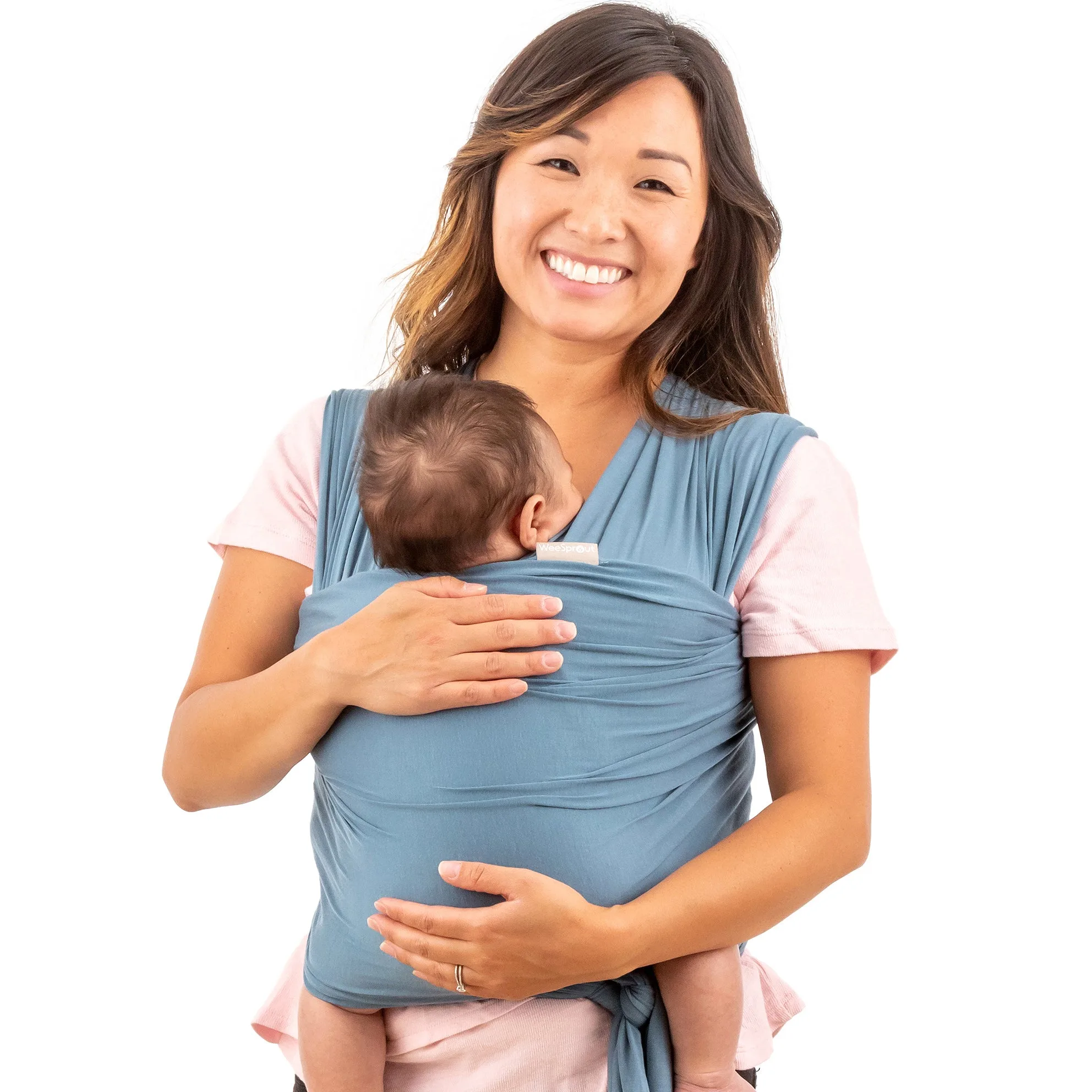
Baby Wrap Carrier – One Size Fits All
Who should buy this wrap
Best for
- New parents looking for an easy-to-use stretch wrap
- Caregivers who want a breathable carrier for warm climates
Not for
- Parents who need a structured carrier for heavy toddlers (consider a soft-structured carrier instead)