Quick answer
Choose a beach towel by matching size to your body and setup, then pick a material based on how you dry off and pack. If you want plush absorbency and don't mind slower drying, go with cotton. If you want a quick-dry beach towel that packs small, choose microfiber. Buy one towel per person plus a spare if you're sharing space or swimming multiple times.
A beach towel has one job: dry you off without becoming a soggy, sandy mess. But the wrong size, material, or weave can leave you cold, covered in lint, or hauling a heavy bag back to the car. This beach towel buying guide walks through the decisions that actually matter so you can pick a towel you'll be happy with all season.
You don't need to overthink it. Focus on three things: how much coverage you want, how fast you need it to dry, and how much space it takes up. Once you know your priorities, the right towel becomes obvious. We'll also cover care habits that keep any towel absorbent longer.
Start with size: the beach towel size guide
Beach towels usually run from about 30 x 60 inches up to 40 x 70 inches or more. A smaller towel is fine for drying off and sitting on, but it won't cover a lounge chair or give you room to stretch out. A larger towel gives you more dry surface and doubles as a picnic blanket or shade layer, though it takes up more bag space and weighs more when wet.
A practical rule: if you plan to lie down, choose a towel at least as long as you are tall. If you mainly dry off after a swim, a standard 30 x 60 inch towel is enough. For couples or kids sharing, two medium towels beat one giant towel because they dry faster and are easier to wring out.
- Measure your lounge chair or typical spot before buying; a towel that's too short slides off.
- If you're tall, look for 70 inches or longer to cover your whole body.
- Two smaller towels dry faster than one oversized towel.
Material matters: cotton vs microfiber vs blends
Cotton is the classic beach towel material. It feels soft, absorbs a lot of water, and holds up to repeated washing. The trade-off is drying time: thick cotton can stay damp for hours, and a wet cotton towel is heavy. If you have a clothesline and time, cotton is a comfortable, durable choice. If you're packing up and moving on, it can be a hassle.
Microfiber and microfiber blends are the quick-dry beach towel option. They soak up water, dry in a fraction of the time, and pack down small. The trade-off is feel: some people find microfiber less plush and more slippery against the skin. Blends try to balance the two, giving you decent absorbency with faster drying. Whichever you choose, check the care label, because high heat can damage fibers over time.
- Cotton: best for comfort and heavy absorbency, slower to dry.
- Microfiber: best for travel and quick drying, less plush.
- Blends: a middle ground, but quality varies, so read the label.
Absorbency and quick-dry trade-offs
Absorbency and quick drying pull in opposite directions. Thick, plush towels absorb more water because they have more surface area and loft. That same thickness traps moisture and slows drying. Thin, tightly woven towels dry fast but may feel less satisfying and can leave you a little damp if you're soaked.
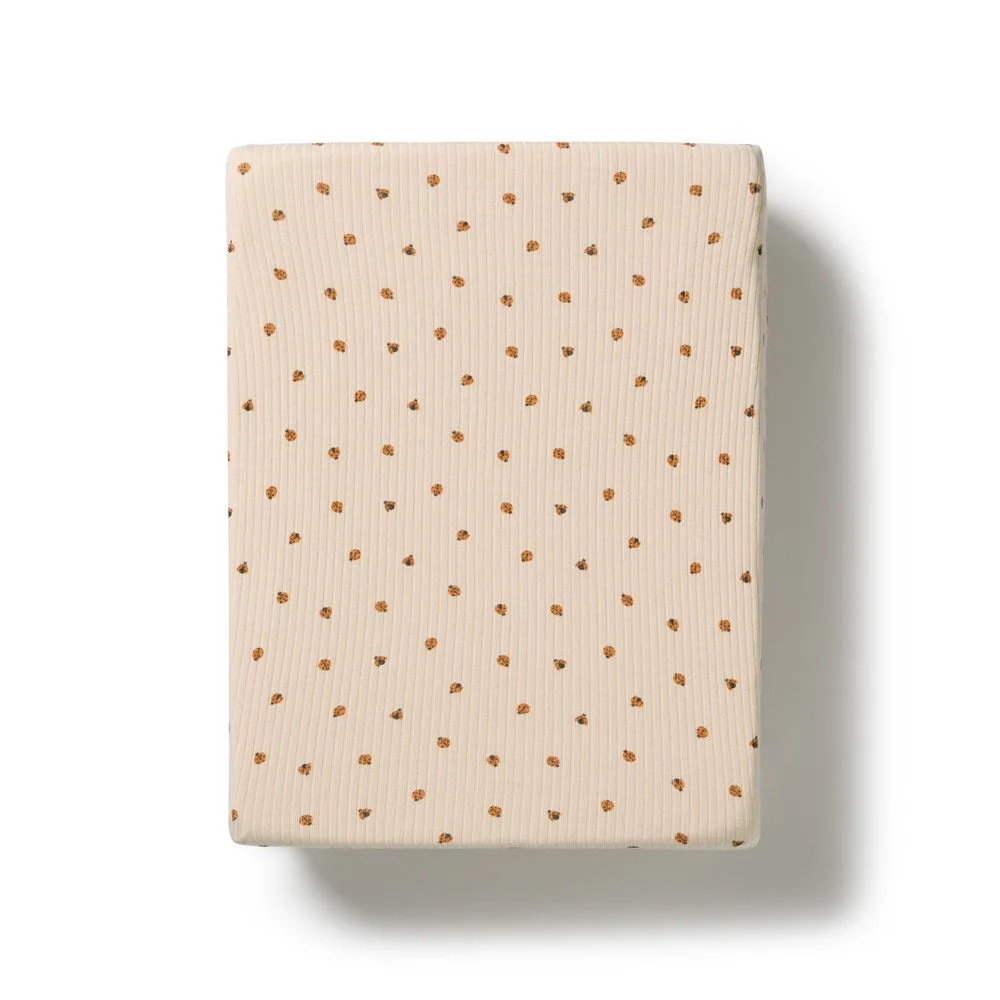
Think about how you use a towel. If you dry off once and then sit in the sun, absorbency matters more. If you swim repeatedly, towel off, and head home, quick drying matters more. A good compromise is a mid-weight towel with a waffle or ribbed texture, which increases surface area for absorption while still drying reasonably fast.
- Waffle or ribbed weaves absorb well and dry faster than terry loops.
- If you're always rushed, prioritize quick dry over plush feel.
- If you lounge for hours, prioritize absorbency and softness.
Fit guidance: match the towel to your beach routine
Your routine should drive the choice. A solo swimmer who walks to the beach needs one lightweight, quick-dry towel that fits in a small bag. A family with a car full of gear can bring larger cotton towels for comfort and shade. A traveler flying with carry-on only should choose a compact microfiber towel that dries overnight in a hotel room.
Consider how you'll carry it, too. A rolled towel takes less space than a folded one, and a towel with a hanging loop can dry on a chair or hook instead of the sand. If you often sit on the ground, a larger towel doubles as a mat. If you mostly dry off standing, a standard size is plenty.
- Carry-on traveler: compact microfiber, one per person.
- Beach lounger: larger cotton or blend for coverage and comfort.
- Frequent swimmer: quick-dry towel plus a spare if you swim twice.
Care habits that keep any towel absorbent
Fabric softener and dryer sheets coat towel fibers and reduce absorbency over time. Skip them. Wash towels with like colors in warm water, then tumble dry low or line dry. If your towel starts feeling stiff or repels water, wash it again with a small amount of detergent and no softener to strip residue.
Shake sand out before washing, because sand can abrade fibers and clog your machine. For microfiber, avoid high heat and never iron it. For cotton, a low dryer setting keeps fibers from shrinking too much. Rotating two towels gives each one time to dry fully between uses, which helps prevent mildew.
- No fabric softener or dryer sheets on towels.
- Shake off sand before washing.
- Air dry when possible; low heat if using a dryer.
Decision rules for buying a beach towel
- If you dry off and leave quickly: Choose a microfiber or quick-dry towel. It sheds water fast and packs small, so you're not carrying a heavy, damp towel home. Prioritize drying speed over plush feel.
- If you lounge for hours: Choose a larger cotton or cotton-blend towel. More surface area and loft give you better coverage and comfort on a chair or sand. Prioritize size and absorbency over packability.
- If you're flying carry-on only: Choose one compact microfiber towel per person. It dries overnight and takes up minimal space in a bag. One good quick-dry towel beats two bulky ones.
- If you swim more than once a day: Bring two towels or one quick-dry towel plus a spare. A damp towel won't dry between swims, and a wet towel is cold and heavy. Rotation keeps you dry and comfortable.
- If you share with kids or a partner: Buy two medium towels instead of one oversized towel. They dry faster, are easier to wring out, and give each person their own space. Two medium towels outperform one giant towel.
Products that pair well with beach days
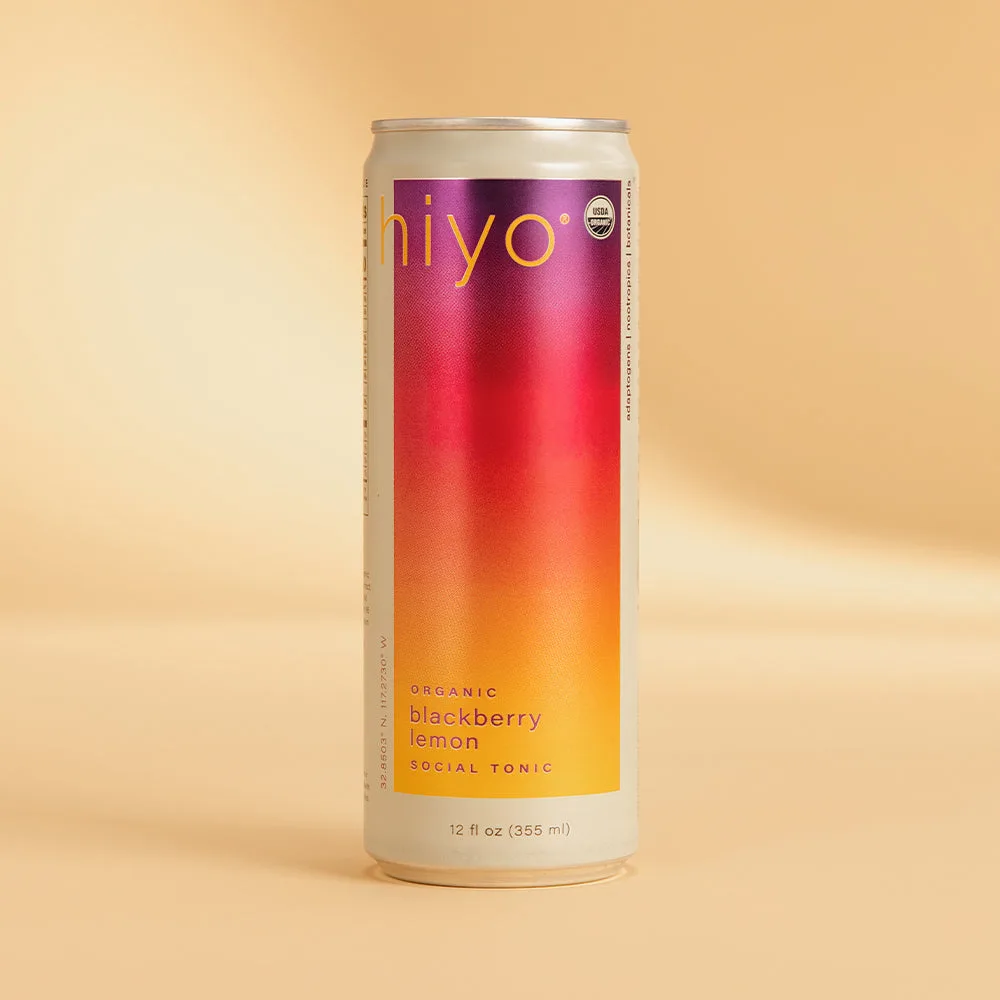
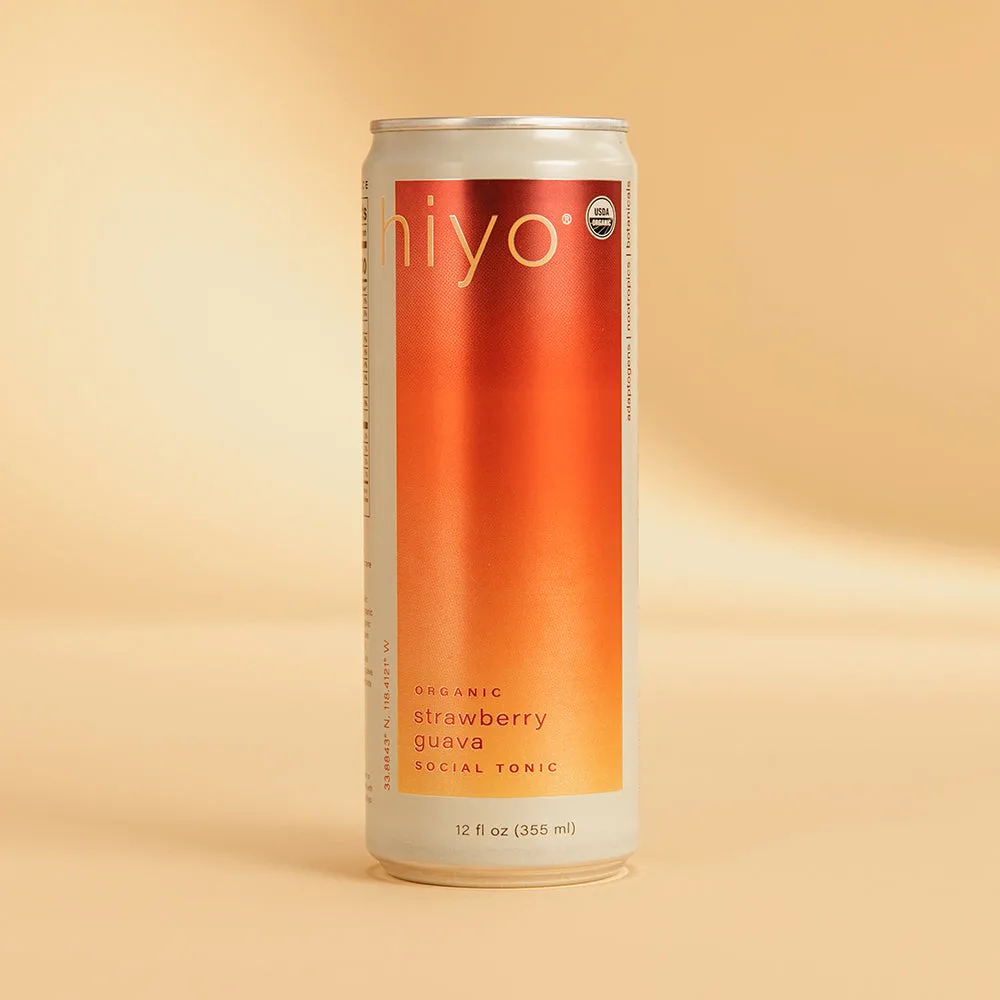
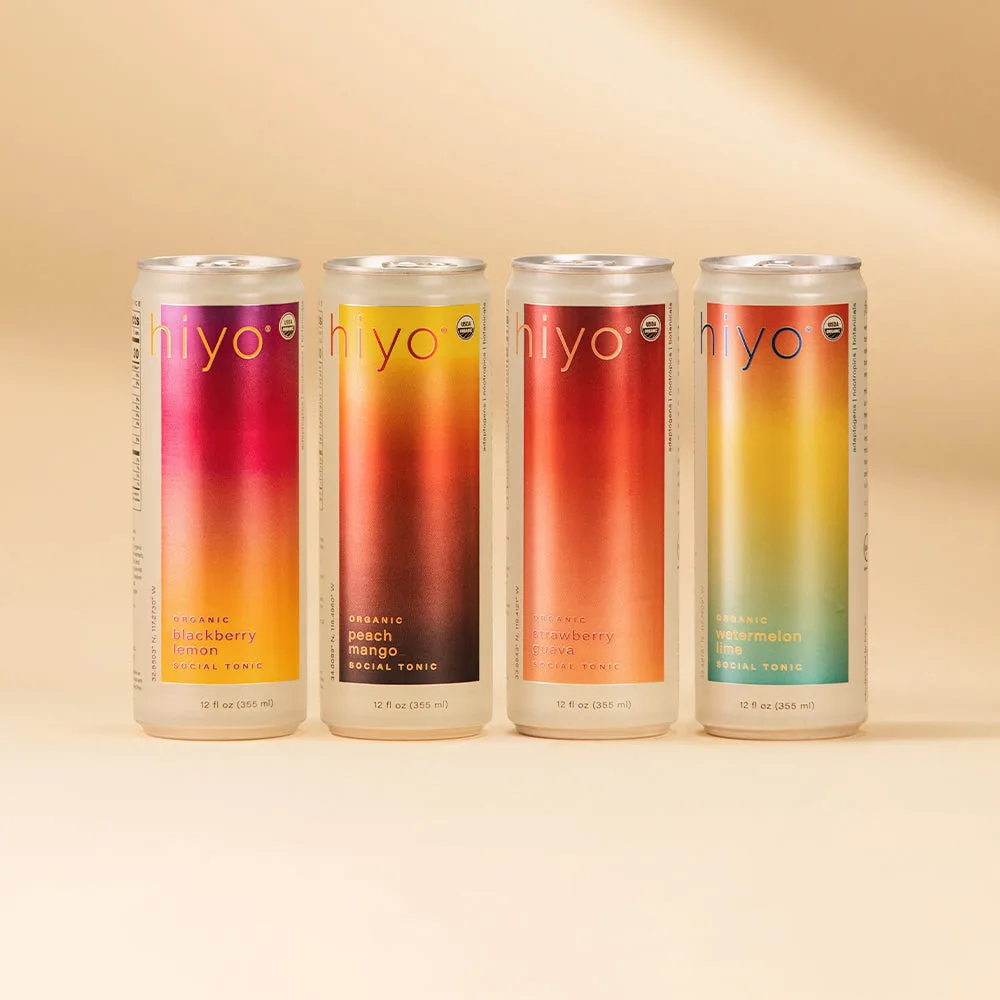
- classic pack: Includes three cans each of https://drinkhiyoes.com/products/blackberry-lemon-da6b29a0f04fe965698e60d9-1309490blackberry lemon, peach mango, https://drinkhiyoes.com/products/strawberry-guava-4pk-1-4fdbaac9bace793f9419ec8e-1309487strawberry guava, and watermelon lime, crafted with stress-relieving, mood-boosting adaptogens, nootropics, and botanicals. A mixed pack lets everyone in your group try a flavor without committing to a full case, and the cans are easy to chill and pack alongside your towel.
- tropical pack: Includes three cans each of passion fruit tangerine, peach mango, pineapple coconut, and strawberry guava, also crafted with adaptogens, nootropics, and botanicals. If you want a beach-ready drink with a summery flavor mix, this pack covers tart, sweet, and bright profiles so you can pick based on your mood.
- the real deal playing cards: Standard 52-card deck in a 2.5 x 3.5 inch aluminum tin. A compact tin of cards gives you a screen-free beach activity that fits in the same bag as your towel and drinks.
Who should buy which beach towel
Best for
- Travelers and commuters who need a compact, quick-dry beach towel
- Beachgoers who lounge for hours and want plush cotton absorbency
- Families who need multiple towels that dry fast between swims
Not for
- Anyone who wants a single towel to cover a whole family; buy two medium towels instead
- People who refuse to skip fabric softener; softener reduces absorbency over time
- Shoppers looking for a specific brand recommendation; this guide focuses on size, material, and absorbency
Pick your beach towel based on how you'll use it: size for coverage, material for feel and drying speed, and absorbency for how wet you get. A quick-dry towel suits movers, while cotton suits loungers. Buy one per person plus a spare, skip the fabric softener, and your towel will keep working all season.