Quick answer
For cold weather running, choose a beanie that balances warmth with moisture management. A wool beanie like the Wool beanie 2.0 works best for frigid, low-exertion runs, while the Active beanie suits high-output activities where breathability matters more.
Why fabric choice matters more than style
When you run in cold weather, your head loses heat fast, but it also sweats. The wrong fabric traps moisture, making you colder once you slow down. Wool naturally wicks moisture and retains insulation even when damp, while synthetic blends dry quickly but may not keep you as warm when wet. For running, you want a fabric that handles both heat retention and sweat evaporation.
A common mistake is choosing a beanie based solely on looks or warmth rating. A thick, non-breathing hat can cause overheating and excessive sweating, leading to a chill. Instead, match the fabric to your typical run intensity and temperature range.
Fit and coverage for active movement
A running beanie should stay put without slipping over your eyes or sliding off during head movements. Look for a snug but not tight fit that covers your ears and sits comfortably under a hood or helmet if you wear one. Beanies with a fold-up brim add extra ear coverage and can be adjusted for temperature.
The Active beanie is designed specifically for sports like skiing, running, and biking, so its fit accommodates dynamic motion. The Wool beanie 2.0 offers a thicker, warmer fit that may feel bulkier under a hood but provides superior insulation for very cold days.
How to choose your running beanie in 4 steps
- Step 1: Assess your typical run conditions: Check the temperature range and your exertion level. For runs below 20°F (-6°C) or low-intensity jogs, prioritize warmth. For faster runs or milder cold (above 30°F/-1°C), prioritize breathability. A common mistake is using the same beanie for all conditions. Match the beanie to the coldest part of your run, not the warm-up.
- Step 2: Choose your fabric based on moisture needs: Select wool if you run in wet snow or stop frequently, as wool stays warm when damp. Choose a synthetic or blended beanie if you sweat heavily and need fast drying. If you often overheat, avoid thick wool beanies for high-intensity runs. The Active beanie’s synthetic construction may suit you better.
- Step 3: Check the fit for active movement: Try the beanie on and simulate running motions. It should not shift or require constant adjustment. Ensure ear coverage without restricting hearing or vision. A beanie that is too loose will slide; one that is too tight can cause headaches or leave marks. Aim for a secure but comfortable fit.
- Step 4: Consider layering and accessories: If you wear a hood, helmet, or ear warmer underneath, test the beanie with those items. A thinner beanie layers better, while a thick wool beanie may be worn alone. Layering a thin beanie under a hood can trap more heat than a thick beanie alone, giving you flexibility across temperature swings.
Product facts
-
Wool beanie 2.0: A thick, warm winter hat made with nature’s own performance fiber: wool. This hat keeps you warm on the coldest days. If you run in sub-freezing temperatures or take it slow, the Wool beanie 2.0’s natural insulation keeps you comfortable without needing multiple layers.
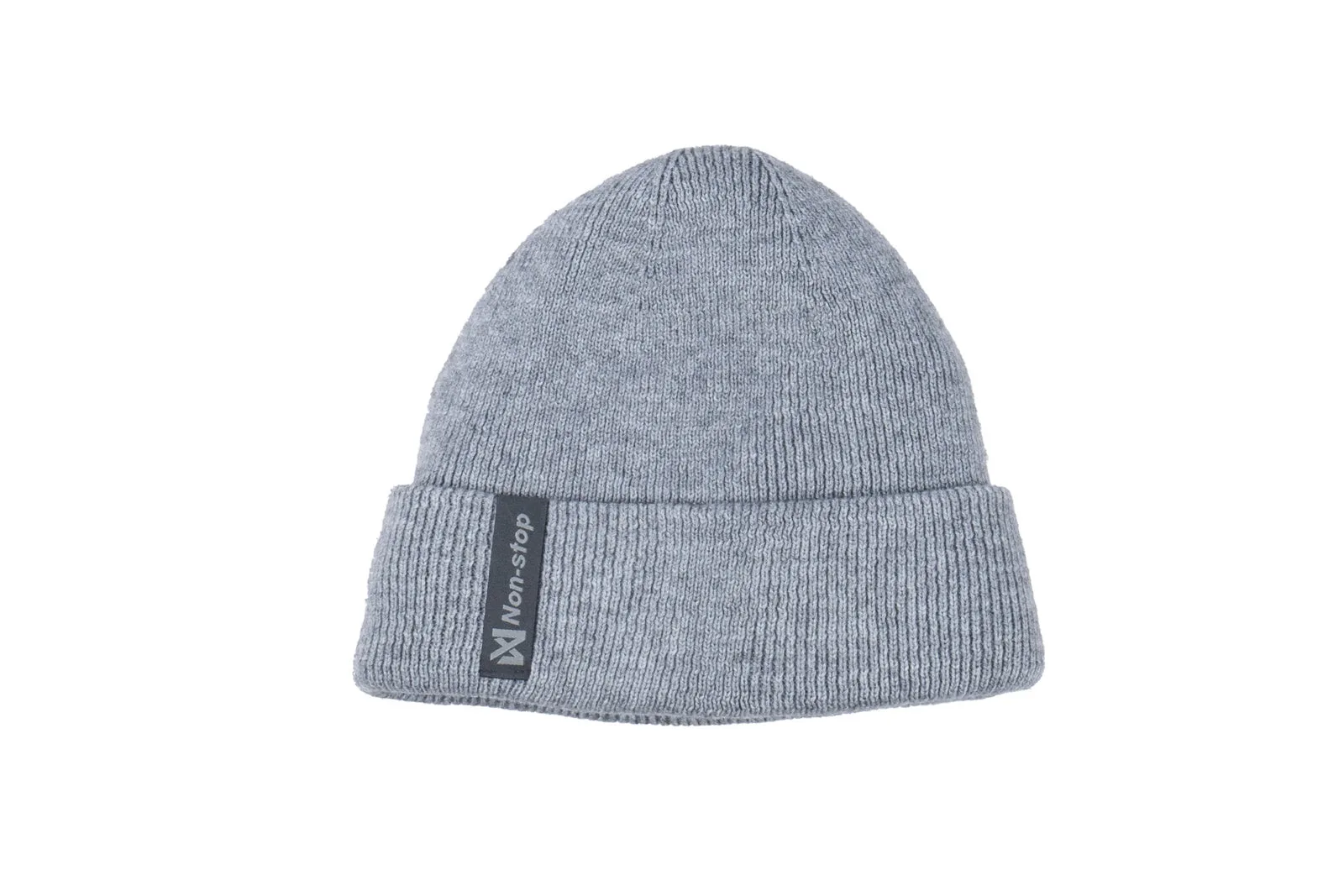
Wool beanie 2.0
-
Active beanie: A sports beanie for skiing, running, biking or other activities with your dog on colder days. For high-exertion runs where you work up a sweat, the Active beanie’s sport-oriented design helps prevent overheating while still providing warmth.
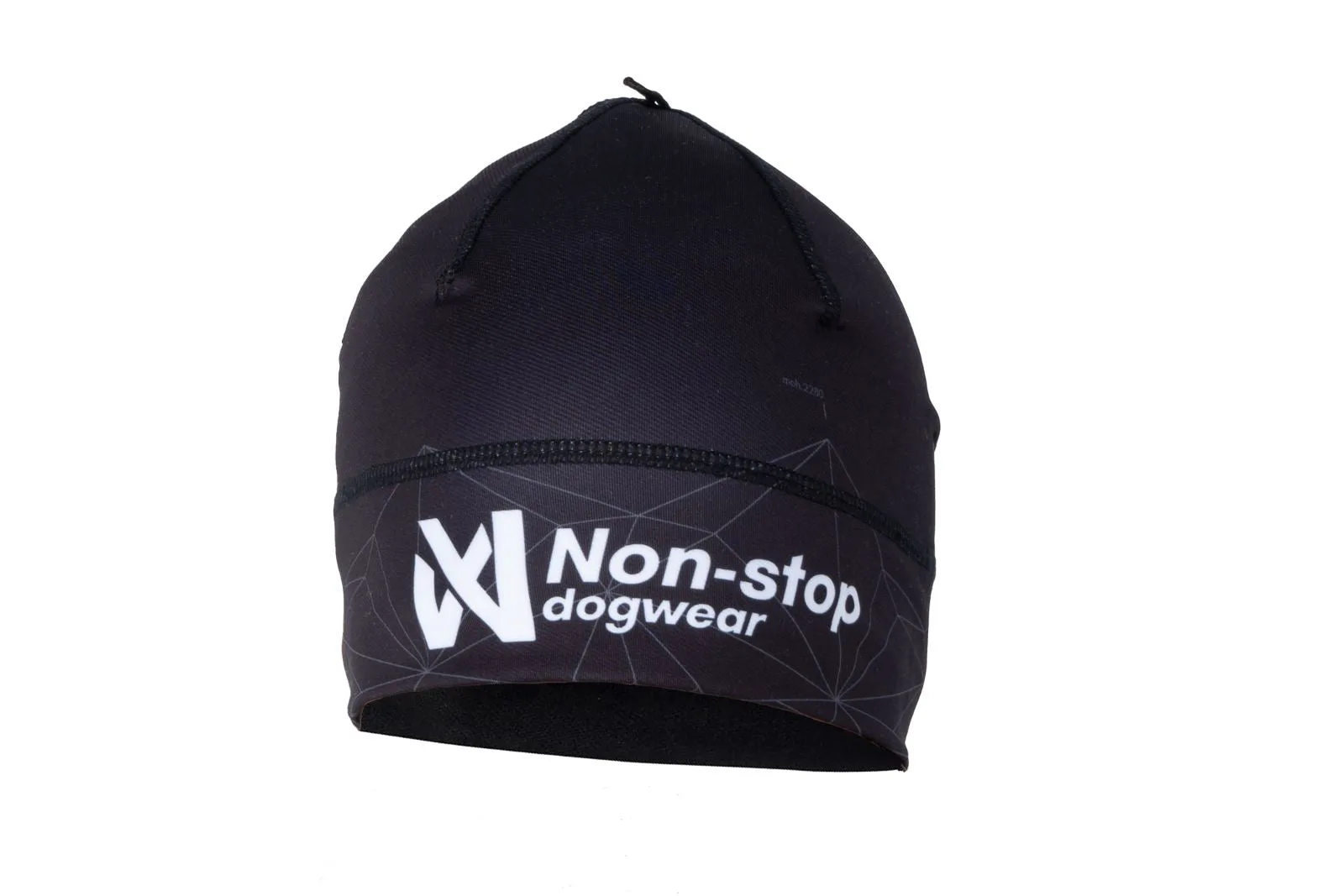
Active beanie