Quick answer
Choose a bike helmet by prioritizing fit first: measure your head circumference, try the size that matches, and adjust the retention system so the helmet sits level and snug without pressure points. For mountain biking, look for extended rear coverage, adjustable visors, and enough ventilation for slow climbs. Safety certifications matter, but a helmet that fits correctly will protect you better than a poorly fitting one with extra features.
Start with accurate head measurement
Use a soft measuring tape around the widest part of your head, about 1 inch above your eyebrows and around the back where your skull slopes. Measure in centimeters and repeat two or three times to confirm. Helmet sizes vary by brand, so always check the specific size chart rather than assuming you are a medium everywhere. If you are between sizes, choose the smaller size if the retention system can expand enough, because a slightly too-large helmet can shift on impact.
- Measure in centimeters for the most accurate match.
- Re-measure if you have thick hair or plan to wear a skull cap.
- Check the brand's size chart; do not rely on generic sizing.
Test the fit before you ride
A properly fitted helmet sits level, covers the top of your forehead, and does not rock forward or backward when you shake your head. The retention dial should tighten evenly around the whole head, not just create a pressure point at the back. The chin strap should form a V just below your ears and allow only one or two fingers between the strap and your chin. If you can push the helmet off your head with your palms without undoing the strap, it is too loose.
- Helmet should not tilt back and expose your forehead.
- Retention system should cradle the base of your skull.
- Chin strap should be snug but not restrict breathing or swallowing.
Ventilation: match airflow to your riding style
More vents generally mean better airflow, but they can reduce coverage and structural integrity. For cross-country and trail riding where you climb slowly, prioritize large front vents and internal channels that pull heat away from your head. For downhill or bike park riding, you may accept less ventilation for more coverage and a chin bar. If you ride in hot, humid conditions, look for helmets with deep internal channels and moisture-wicking padding. In cold weather, you can block vents with a liner or tape, but you cannot add vents to a poorly ventilated helmet.
- Trail and XC: prioritize maximum vent count and channeling.
- Enduro and downhill: prioritize coverage over airflow.
- Commuting: moderate ventilation with a visor for sun and rain.
Safety features that matter
Look for a helmet that meets the safety standard for your region, such as CPSC in the US or EN 1078 in Europe. Beyond certification, consider rotational impact protection systems, which are designed to reduce rotational forces during angled impacts. MIPS is one common example, but other brands have their own systems. A breakaway visor can also help reduce twisting forces in a crash. Remember that a helmet is designed for a single impact; replace it after any crash, even if it looks undamaged.
- Check for CPSC, EN 1078, or equivalent certification.
- Rotational protection systems add a layer of safety for angled impacts.
- Replace your helmet after any crash or every 3–5 years of regular use.
Adjustability and extras
Adjustable visors help with sun glare and rain, but they can also break off in a crash, which is a safety feature. Removable padding lets you customize fit and wash sweat out. A goggle strap clip or rear cradle that works with goggles is essential for mountain biking. If you ride with a light or camera, check that the helmet has a secure mount or that the shape works with adhesive mounts. Weight matters for long rides, but a slightly heavier helmet with better fit and coverage is often more comfortable than a superlight one that pressures your head.
- Visor should be adjustable and ideally breakaway.
- Removable, washable padding extends helmet life.
- Goggle compatibility is key for mountain biking.
Decision rules for buying a bike helmet
- If you ride mostly cross-country or trail: Prioritize ventilation and light weight. Choose a helmet with large vents and deep internal channels. Fit should be snug with a retention system that does not create pressure points on long climbs. A well-ventilated helmet keeps you cooler and more focused on the trail.
- If you ride enduro or downhill: Prioritize coverage, especially the back of the head, and consider a helmet with a chin bar. Ventilation is secondary; you can always remove goggles on climbs. Look for a breakaway visor and rotational impact protection. More coverage means more confidence on descents.
- If you are between sizes: Choose the smaller size if the retention system can be adjusted to fit without excessive pressure. A helmet that is too large can shift in a crash and leave your forehead exposed. Fit is more important than a perfect number on the size chart.
- If you ride in hot, humid weather: Look for a helmet with maximum vent count and moisture-wicking padding. Consider a sweatband or liner to manage dripping. Avoid helmets with solid covers or minimal vents. Airflow reduces heat buildup and keeps sweat out of your eyes.
- If you ride in cold weather: You can block vents with tape or a liner, but you cannot add vents. Choose a helmet with moderate ventilation and room for a thin beanie or skull cap under it. Ensure the fit still works with added layers. A slightly less ventilated helmet can be adapted for winter, but a poorly ventilated one cannot be fixed.
Product facts
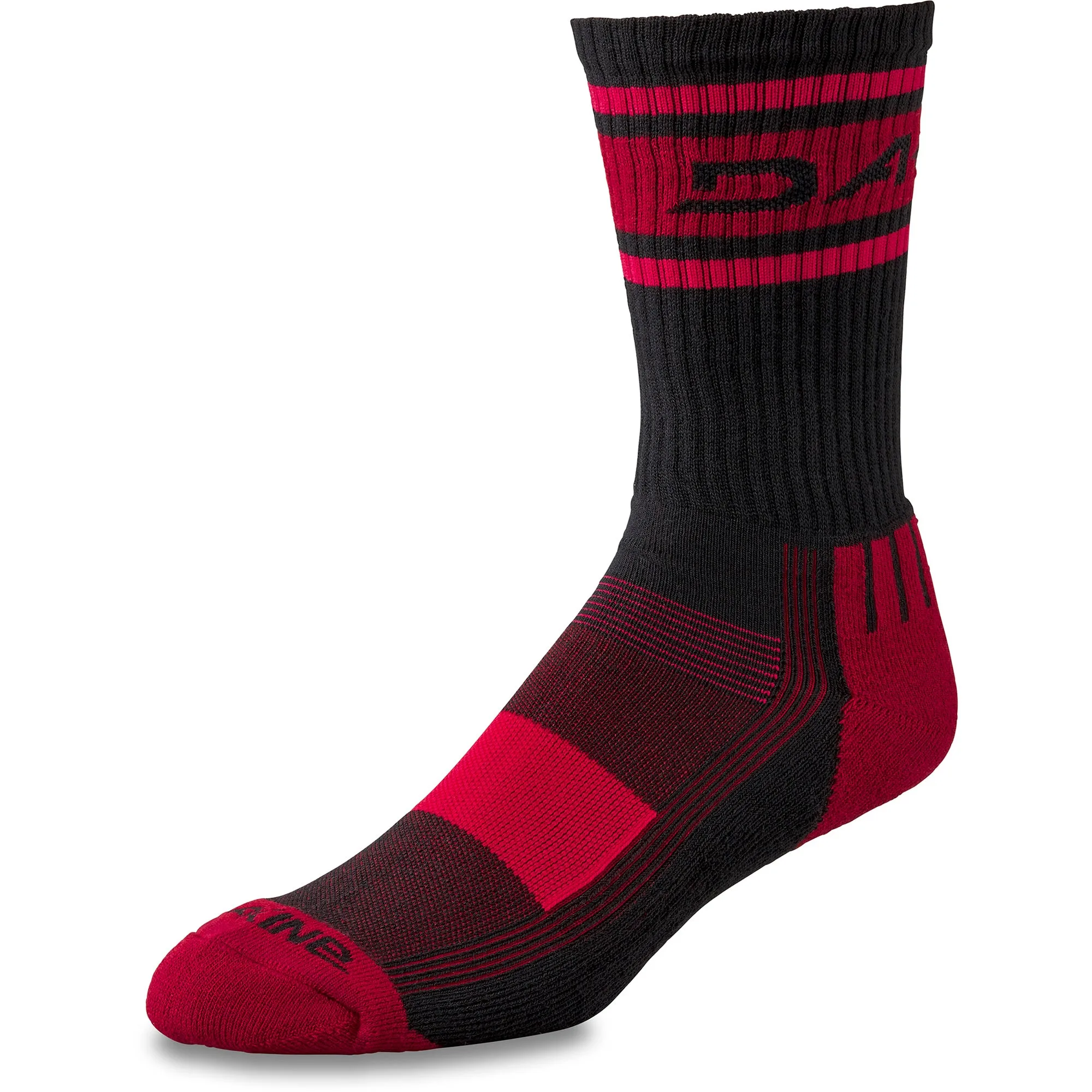
- Step Up Sock: Step Up Sock is a Coolmax crew sock with light cushioning, arch compression, and strategic ventilation. Moisture-wicking socks keep feet dry and comfortable, which matters when you are focused on helmet fit and not distracted by hot spots.
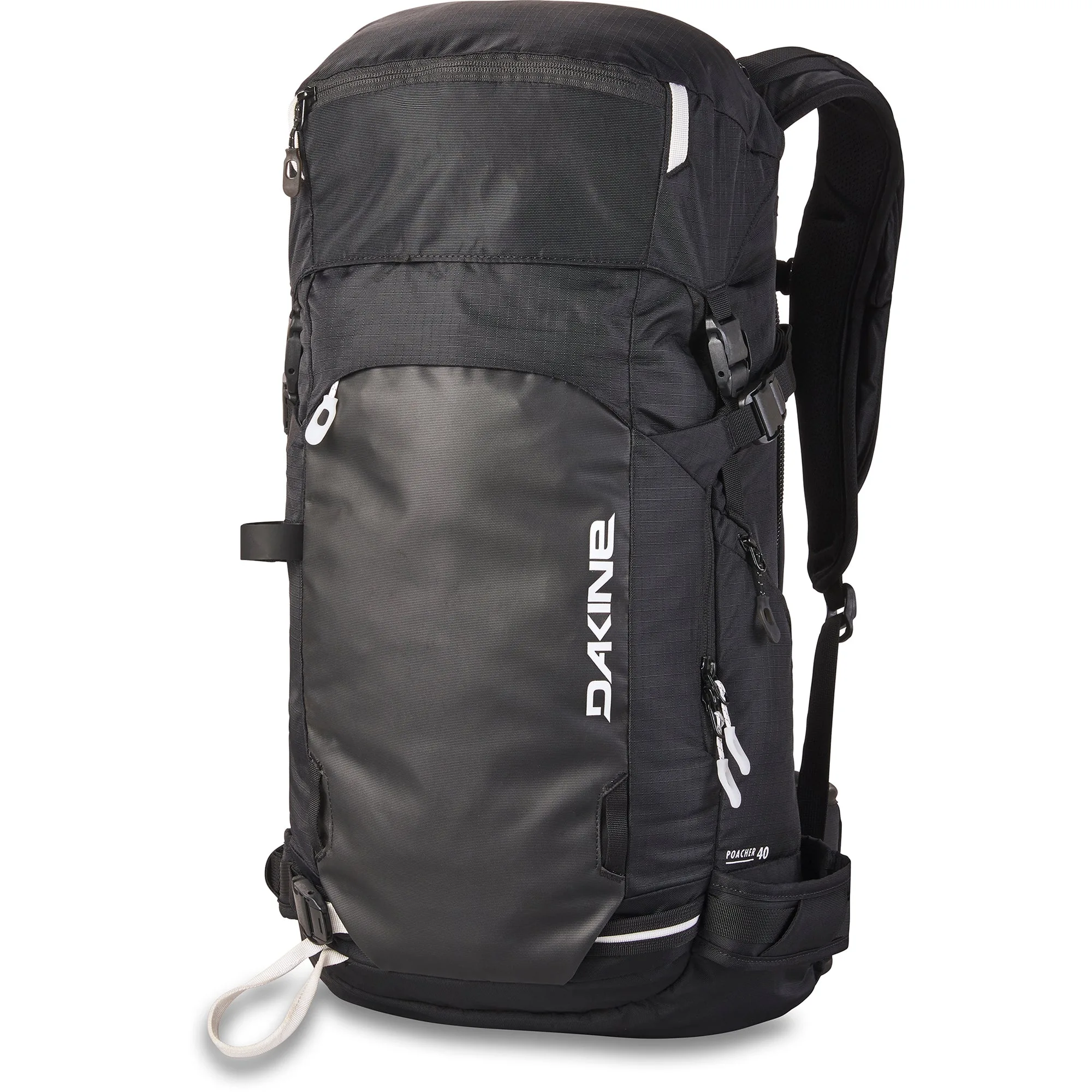
- Poacher Backpack 40L - Black: Poacher Backpack 40L has a wrapping molded backpanel and larger A-frame carry loops for wider skis and boards. A stable, well-ventilated backpack can carry your helmet on climbs, and the backpanel design helps manage sweat so your helmet liner stays cleaner.
Who this guide is for
Best for
- New mountain bikers who need a reliable, well-fitting helmet
- Trail riders who want to balance ventilation and coverage
- Commuters and recreational riders who want practical safety features
Not for
- Downhill racers who need full-face helmets with maximum coverage
- Riders looking for the absolute lightest helmet regardless of fit
- Anyone who has had a recent crash and needs to replace a helmet immediately (consult a doctor and replace the helmet)