Quick answer
A good birding backpack balances water resistance, pocket organization, and a comfortable fit for your body type and gear load. Look for a medium-sized pack with a padded laptop sleeve if you carry a field guide or tablet, adjustable straps for all-day wear, and enough external pockets to stash binoculars, snacks, and a water bottle without digging through the main compartment.
What to look for in a birding backpack
Water resistance matters more than you might think. A morning mist, a sudden rain shower, or dew-soaked grass can soak unprotected gear. A water-resistant backpack keeps your notebook, phone, and extra layers dry without needing a separate rain cover.
Pocket layout determines how quickly you can grab what you need. Binoculars, field guide, water bottle, snack, phone, and a light jacket all compete for space. A backpack with multiple external pockets lets you keep binoculars accessible and your water bottle upright, so you don't have to stop and unpack to find your gear.
Strap adjustability and padding separate a comfortable hike from a sore shoulder day. Look for adjustable, padded shoulder straps and, ideally, a sternum strap or hip belt. These features distribute weight better and keep the pack stable when you're leaning over to spot a warbler or climbing a bank.
Size and capacity: medium is the sweet spot
A backpack that's too small forces you to leave essentials behind or strap gear to the outside where it can bounce or get wet. A pack that's too large tempts you to overpack, adding weight that tires you out. For most day trips, a medium-sized backpack (roughly 20-30 liters) gives you room for binoculars, a field guide or tablet, snacks, a water bottle, and an extra layer without being bulky.
If you also use the pack for school or commuting, a padded laptop sleeve becomes a practical addition. It protects your electronics and doubles as a stiff divider that keeps books from crushing your birding gear.
Fit and adjustability: one size does not fit all
Torso length matters more than height. A backpack that sits too low pulls on your shoulders; one that sits too high can feel unstable. Adjustable straps let you dial in the fit so the pack rides comfortably on your hips rather than hanging from your shoulders.
Try the pack on with your typical gear load before committing. If you can't test it in person, check the return policy. A backpack that looks great on the shelf can feel wrong after two miles on the trail.
Decision rules for choosing your birding backpack
- Start with water resistance: If your birding happens in misty mornings, near water, or in unpredictable weather, prioritize a water-resistant shell. A pack that isn't water-resistant will soak your gear in the first drizzle. Checkpoint: Is the backpack labeled water-resistant? If not, plan for a separate rain cover.
- Match pocket count to your gear list: Count the items you carry on a typical outing: binoculars, field guide or phone, water bottle, snacks, sunblock, and an extra layer. If you need to access more than two items without stopping, choose a pack with at least three external pockets. Checkpoint: Can you reach your binoculars and water bottle without opening the main compartment?
- Fit before features: A pack with every feature is useless if it doesn't fit your torso. Adjustable shoulder straps and a sternum strap or hip belt make a medium pack feel custom. If the straps dig in or the pack sags, keep looking. Verdict: A well-fitting medium pack beats a poorly fitting large pack every time.
Product facts that matter
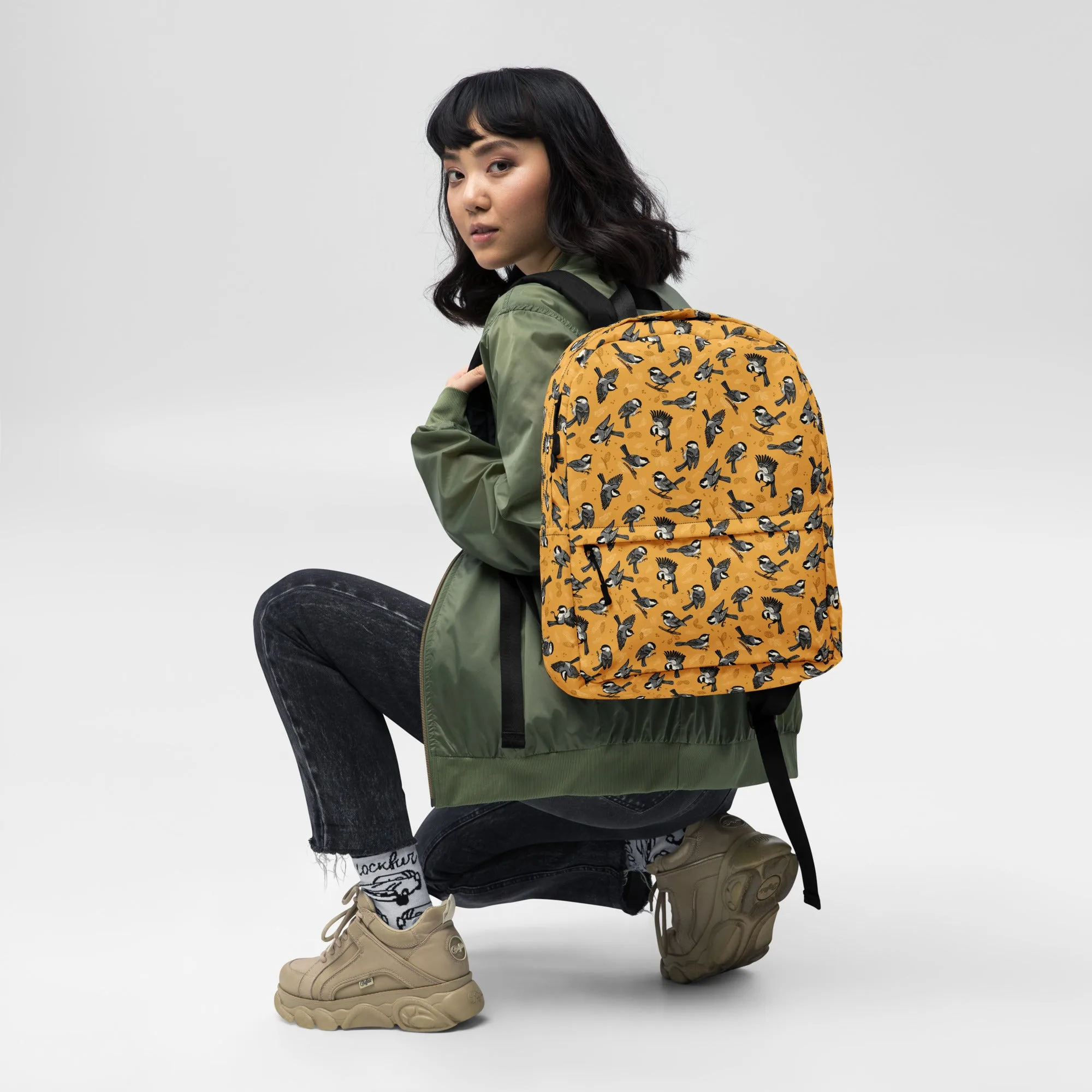
- Chickadee Bird Backpack: Whether you're hitting the trails or heading to school, the adorable chickadee backpack is the perfect carry-all for both adult birders and pint-sized fledglings. This medium-sized, water-resistant backpack is built for daily adventures, whether that means chasing rare warblers or just surviving math class. Lightweight yet spacious, this bag features a padded laptop sleeve, and plenty of pockets. Adjustable straps. The medium size, water resistance, padded laptop sleeve, and adjustable straps directly address the three core needs for a birding backpack: weather protection, organized storage, and a comfortable fit. The multiple pockets let you keep binoculars and a water bottle accessible without digging through the main compartment.
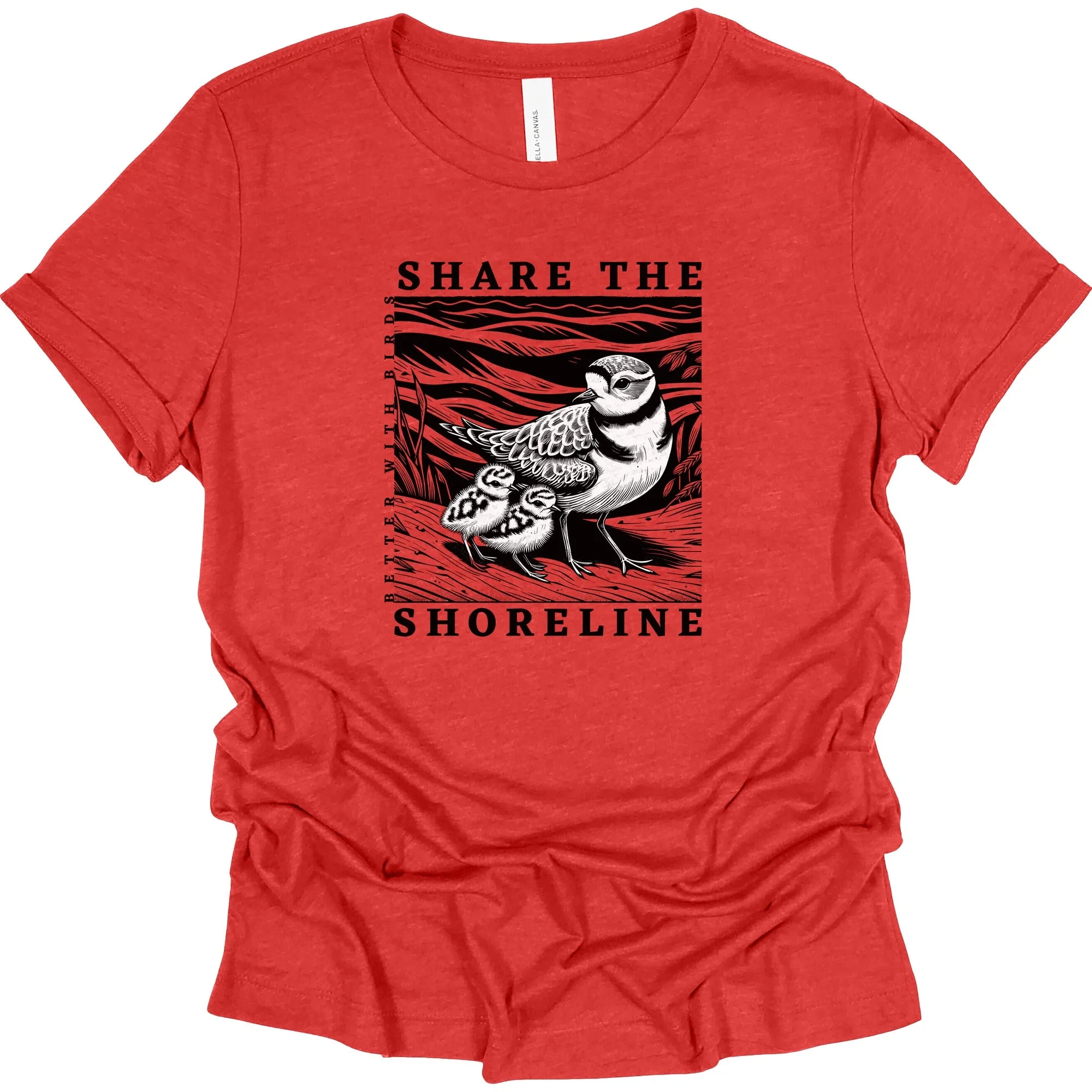
- Share the Shoreline Plover Women's Relaxed T-Shirt: Beach-nesting plovers raise their chicks right out on the open sand, so they need us to give them a little room. This bold, woodcut-style design says it for you. Whether you're walking the tideline with your binoculars or just love a long day at the beach, wear the reminder that the shore belongs to its smallest residents too. Soft, lived-in feel: Comfortable from the dunes to dinner. Striking linocut art: A plover. While this t-shirt isn't a backpack, it pairs perfectly with a birding backpack for a complete field outfit. The soft, lived-in fabric keeps you comfortable on long days, and the design starts conversations about shorebird conservation—a natural match for the ethical birder who carries a chickadee backpack.
Who this backpack works for
Best for
- Day-trippers who carry binoculars, a field guide or tablet, snacks, and a water bottle
- Birders who walk trails, marshes, or shorelines where light rain or dew is common
- Anyone who wants a single pack that works for both birding and everyday use like school or commuting
Not ideal for
- Multi-day backpacking trips where you need a larger pack (40+ liters) for camping gear
- Birders who prefer a sling bag or hip pack for minimal carry (just binoculars and a phone)
- People who need a fully waterproof (submersible) dry bag for kayaking or heavy rain