Quick Answer
Choose a high-back booster if your car has low or no headrests or if your child still naps in the car; choose a backless booster when your child can sit properly for the whole ride and your vehicle provides head support. Always base your decision on your child's height, weight, and maturity—not just age.
Why Age Isn't the Only Factor
Most booster seats are designed for children who have outgrown their forward-facing harness seat, typically around age 4 or 5. But the right time to switch depends on your child's size and behavior. A 5-year-old who still slouches or leans may be safer in a high-back booster that provides side and head support, while an older child who sits still might handle a backless model.
High-Back vs. Backless: What's the Real Difference?
A high-back booster offers head and neck support and helps position the vehicle seat belt correctly across the shoulder and lap. It's especially useful in cars without adjustable headrests or when your child dozes off. A backless booster is more portable and often lighter, making it a good choice for travel or for older kids who need a simple height boost. The trade-off: backless models don't provide side-impact protection for the head, so they rely on your vehicle's headrests.
The Importance of a Proper Seat Belt Fit
No matter which type you choose, the seat belt must lie flat across the shoulder and low on the hips, not across the belly or neck. A booster seat's main job is to position the belt correctly. If the belt doesn't fit well, the booster isn't working. Always test the fit before every ride, and adjust the headrest or use a high-back model if needed.
Decision Rules for Choosing a Booster Seat
- Check your child's weight and height: Most boosters require a minimum weight of about 40 pounds and a minimum age of 4. Always check the specific booster's limits—some backless models, like the Clek Olli, are designed for kids up to 100 pounds or more. Measure your child's height and weight before shopping.
- Assess your vehicle's headrests: If your car has no headrests or they are not adjustable, choose a high-back booster to provide head and neck support. If your car has good headrests, a backless booster can be a safe, portable option. Check your car's owner's manual for headrest specifications.
- Consider your child's behavior: If your child tends to sleep or slouch in the car, a high-back booster with side wings can keep them in position. If they sit still for the whole ride, a backless booster may be sufficient. Observe your child's seating habits on a few car rides before deciding.
- Decide between high-back and backless: Choose a high-back booster for primary use in your main car, especially for younger children or long trips. Choose a backless booster for travel, carpooling, or older kids who need a simple boost. Some families buy both types for different situations.
- Prioritize seat belt fit and LATCH compatibility: Ensure the seat belt fits correctly across the shoulder and lap. If the booster has LATCH connectors, use them to secure the seat when empty, but always rely on the seat belt to hold the child. Test the fit with your child before buying.
Products to Consider
-
Nuna - Aace Booster Seat - Granite: The Nuna Aace in Granite is a 2-in-1 booster that grows from preschooler to pre-teen, with a 3D Growth™ system for a precise fit at every stage. This means you can adjust the seat as your child grows, potentially extending its use for years.
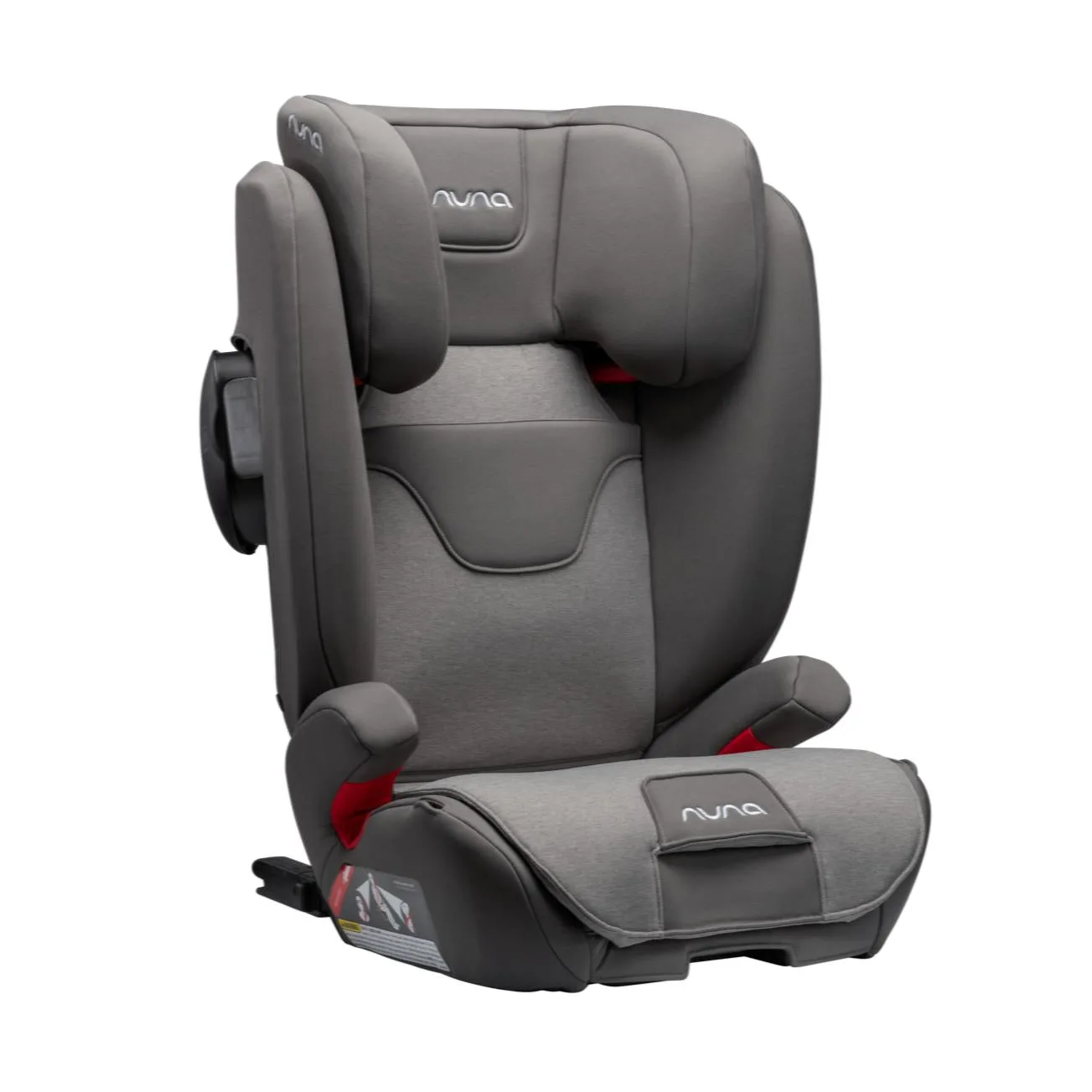
Nuna - Aace Booster Seat - Granite
-
Clek - Olli Booster Seat - Latte (Flame Retardant Free): The Clek Olli is a portable, backless booster with a carrying strap and quick-release system, designed for kids aged 6 to 12. Its portability makes it easy to take from car to taxi or plane, and the LATCH system helps keep it secure when not in use.
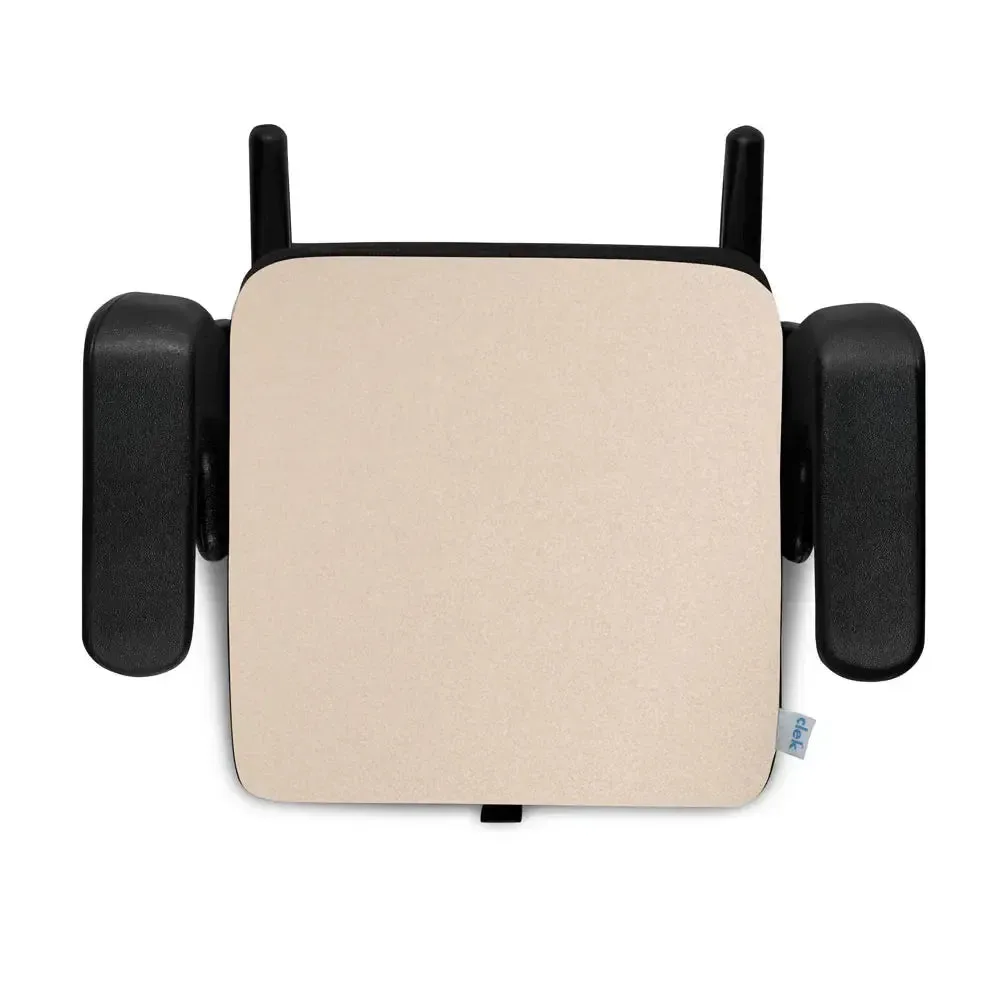
Clek - Olli Booster Seat - Latte (Flame Retardant Free)
Who Should Use Which Type
Best for
- High-back boosters: children who need extra head and side support, or who nap in the car
- Backless boosters: older kids (6+) who sit still and want a portable, lightweight option
Not for
- High-back boosters: children who are too tall for the seat's headrest (check height limits)
- Backless boosters: children who slouch or lean, or cars without proper headrests