Quick answer
Choose a bra with a smooth, breathable fabric like microfibre or cotton, minimal seams, and a wire-free or well-cushioned underwire design. Fit matters as much as fabric: a band that stays put without digging and cups that don't rub will prevent most irritation. A soft bra for sensitive skin should feel barely there — if you notice it, it's not the right one.
If your bra leaves you itchy, red, or scratching by mid-afternoon, the problem is usually the fabric or the fit — not your skin. Sensitive skin reacts to friction, heat, and rough materials, so the right bra needs to be both gentle and breathable. This guide walks through what to look for, what to avoid, and how to decide between common options without wasting money on bras you'll never wear.
We'll cover the best bra fabric for sensitive skin, why seam placement matters, and how to tell if a bra is genuinely non irritating or just marketed that way. You'll also find concrete fit checks and a few product examples that meet the criteria.
Start with fabric: what actually feels gentle on skin
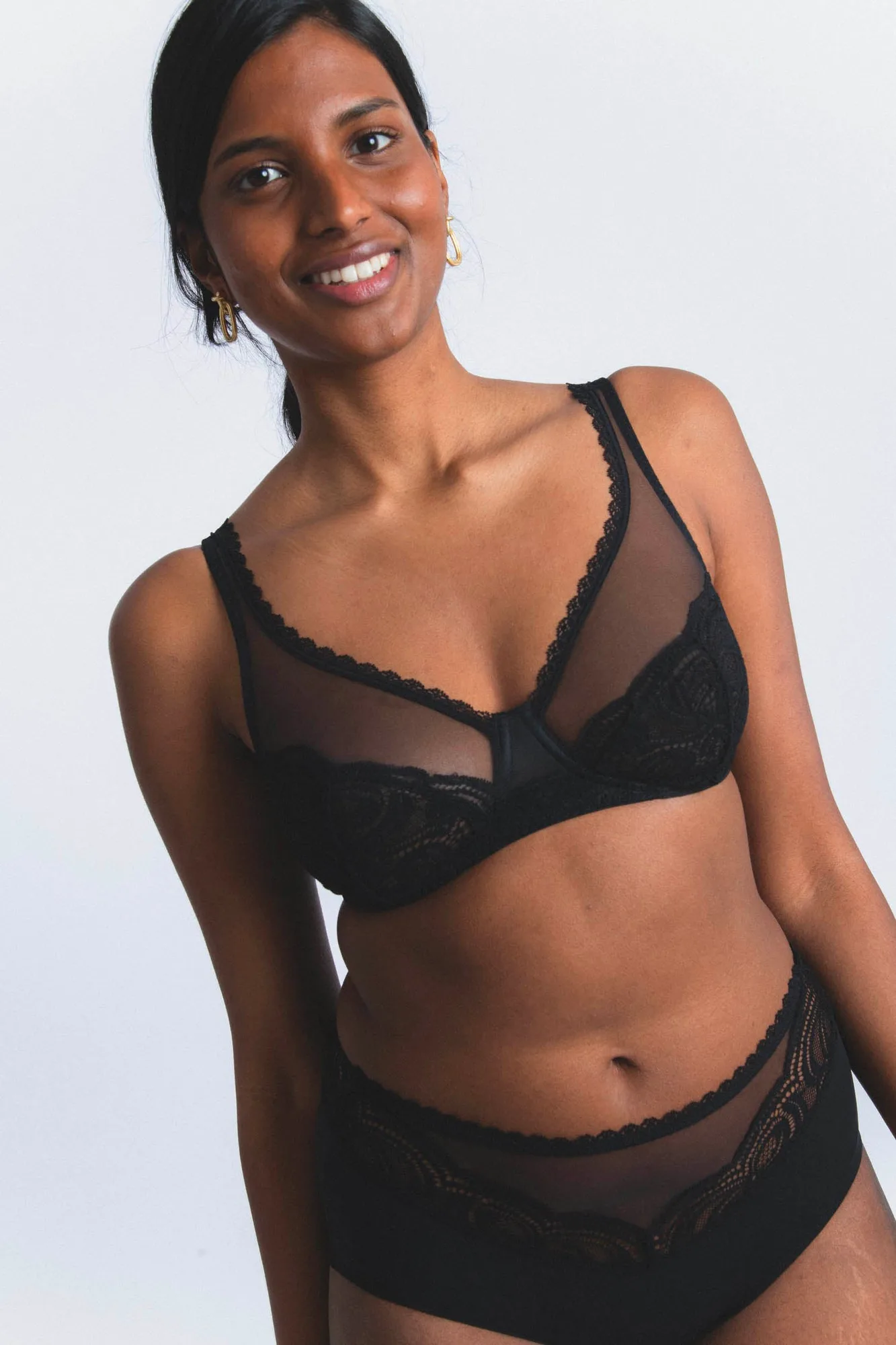
The best bra fabric for sensitive skin is smooth, breathable, and free from rough textures or stiff lace edges. Microfibre is a strong choice because it's soft, lightweight, and often seamless, which reduces the chance of chafing. Cotton is another good option, especially for the band and cup lining, because it's breathable and less likely to trap heat. Avoid scratchy lace directly against the skin, heavy synthetic fabrics that don't breathe, and stiff trims that can dig in.
Breathable bra materials matter because heat and sweat make skin more reactive. Look for fabrics described as breathable, moisture-wicking, or lightweight. If a bra has lace, check that the lace is soft and stretchy rather than stiff — and ideally keep it on the outer layer, not against your skin. A hypoallergenic lingerie choice isn't about a medical label; it's about reducing common irritants like rough seams, tight elastic, and non-breathable synthetics.
- Choose smooth microfibre or cotton next to your skin.
- Avoid stiff lace, rough trims, and heavy padding that traps heat.
- Look for breathable, lightweight fabrics — not just 'soft' claims.
Seams, tags and hardware: the hidden irritants
Even a soft fabric can irritate if the seams are thick or placed where they rub. Seamless or bonded construction is ideal because there's no raised stitching against your skin. If a bra does have seams, they should be flat and covered, not exposed. Tags are another common culprit — cut them out or choose tagless styles. Hardware like hooks and sliders should sit flat and not press into your back or shoulders.
Underwires can be a problem for sensitive skin, especially if they poke or sit on breast tissue. A wireless bra removes that risk entirely, but if you prefer underwire support, look for one with a cushioned channel and a wire that stays flat against your ribcage. The goal is to eliminate any point that creates constant pressure or friction.
- Seamless or bonded edges reduce rubbing.
- Remove or avoid tags that scratch.
- Check that hooks and sliders lie flat against your back.
Fit rules that prevent irritation
A bra that fits well is less likely to irritate because it stays in place without needing constant adjustment. The band should be snug but not tight — you should be able to fit two fingers under it at the back. If the band rides up, it's too loose and will rub; if it leaves red marks that last, it's too tight. Cups should fully contain your breast tissue without gaping or cutting in. Straps should sit flat on your shoulders without digging.
For sensitive skin, avoid bras that require constant tugging or adjusting. If you find yourself pulling at the band or straps, the fit is off and the friction will cause irritation over time. A soft bra for sensitive skin should feel secure but forgettable — you shouldn't be aware of it after a few minutes.
- Band: snug, level, and comfortable — no riding up or deep marks.
- Cups: smooth, no gaping or spillage.
- Straps: flat, not digging, and adjusted evenly.
When to choose wireless vs underwire
Wireless bras are generally the safer choice for sensitive skin because they eliminate the risk of wire poke and pressure. They rely on the band and cup construction for support, which works well for many sizes, especially in softer fabrics. If you need more lift or separation, a well-fitted underwire bra with a cushioned wire can work — but only if it sits flat and doesn't press on breast tissue. Try it on for a few minutes and move around to see if any part digs in.
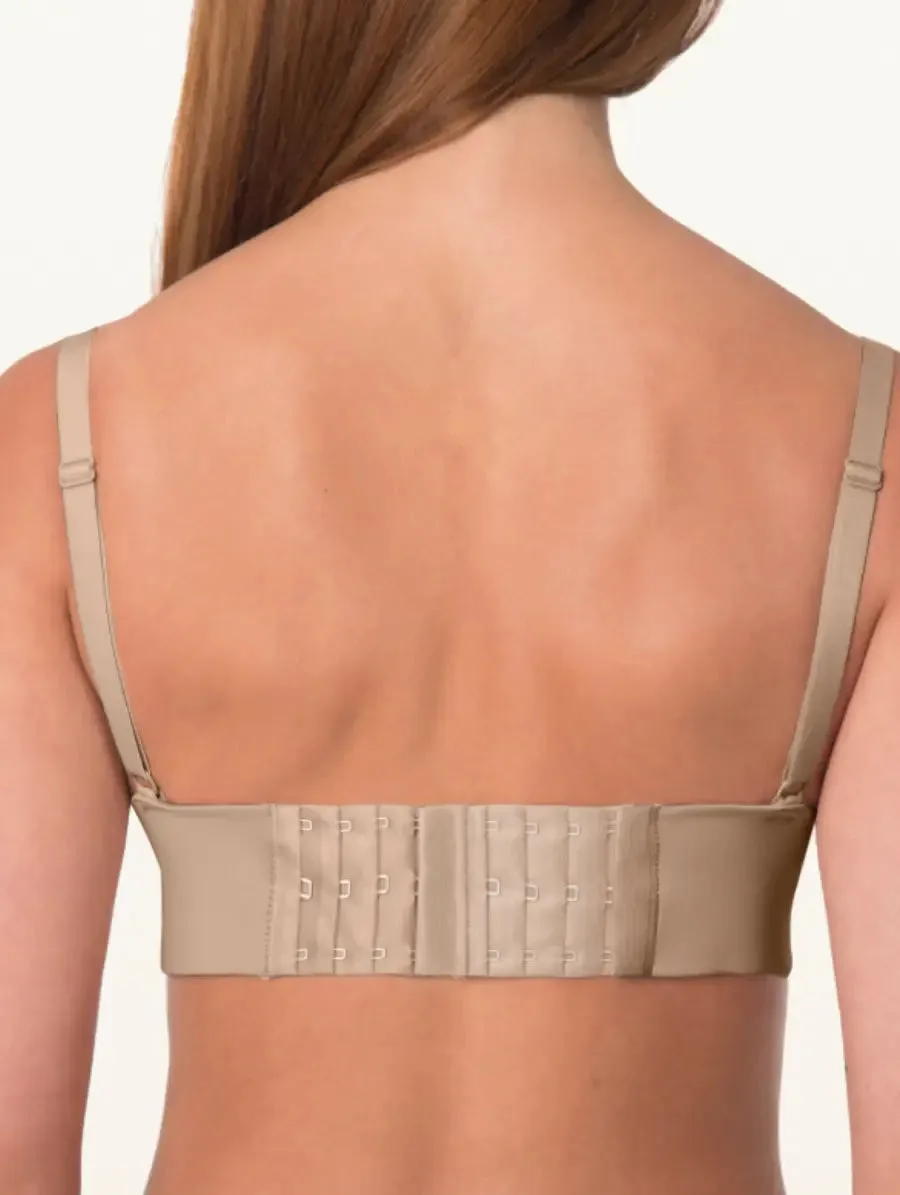
If you're between sizes or have a band that feels slightly tight, a bra extender can add length without changing the bra. This is a practical fix for sensitivity caused by a too-snug band, and it lets you keep a bra that otherwise works.
- Wireless = no wire pressure, good for most sensitive-skin needs.
- Underwire only if the wire stays flat and cushioned.
- A bra extender can relieve band tightness without replacing the bra.
Decision rules for buying a bra when your skin is sensitive
- If you react to lace or seams: Choose a seamless or bonded microfibre bra with no exposed stitching. Avoid lace against the skin and look for tagless designs. Prioritise smooth construction over decorative details.
- If you get itchy from heat or sweat: Pick breathable, lightweight fabrics like microfibre or cotton. Avoid heavy padding and non-breathable synthetics. Breathability reduces moisture and irritation.
- If your band leaves red marks or digs in: Check your band size first. If the band is only slightly tight, try a bra extender. If it rides up, go down a band size and up a cup. Fit fixes often solve irritation without changing styles.
- If you prefer underwire but find it uncomfortable: Look for a cushioned underwire that sits flat. If it still pokes, switch to a wireless bra with a supportive band. Wireless is the safer default for sensitive skin.
Products that meet the sensitive-skin criteria
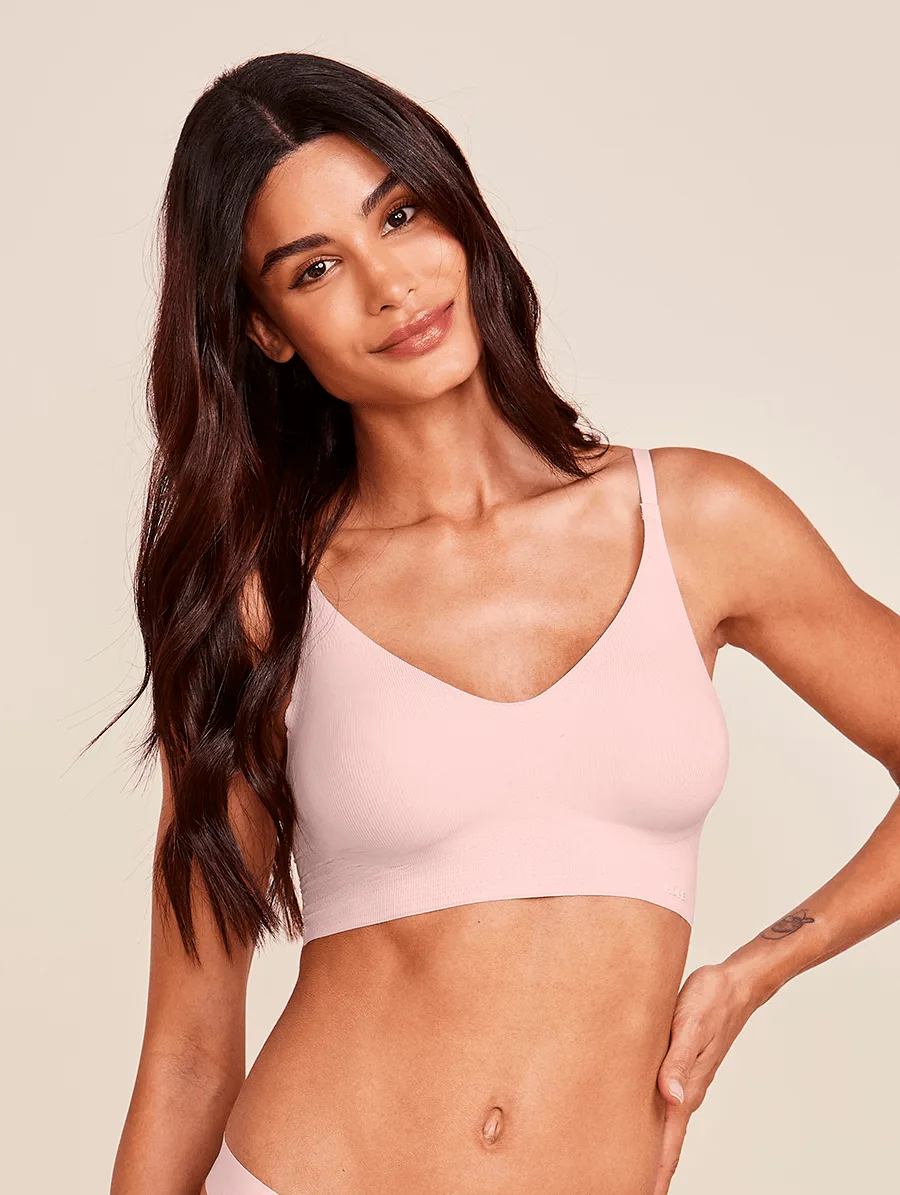
- Seamless Wireless Bra: Naked-finish microfibre fabric designed for an ultra-smooth, second-skin feel; lightweight, breathable microfibre with soft stretch; removable cups; clean, seamless construction; flexible fit; available in 5 nude-inspired colours. The seamless microfibre and wireless design reduce friction and pressure points, making it a strong option for sensitive skin. Removable cups let you adjust coverage and shaping without adding bulk.
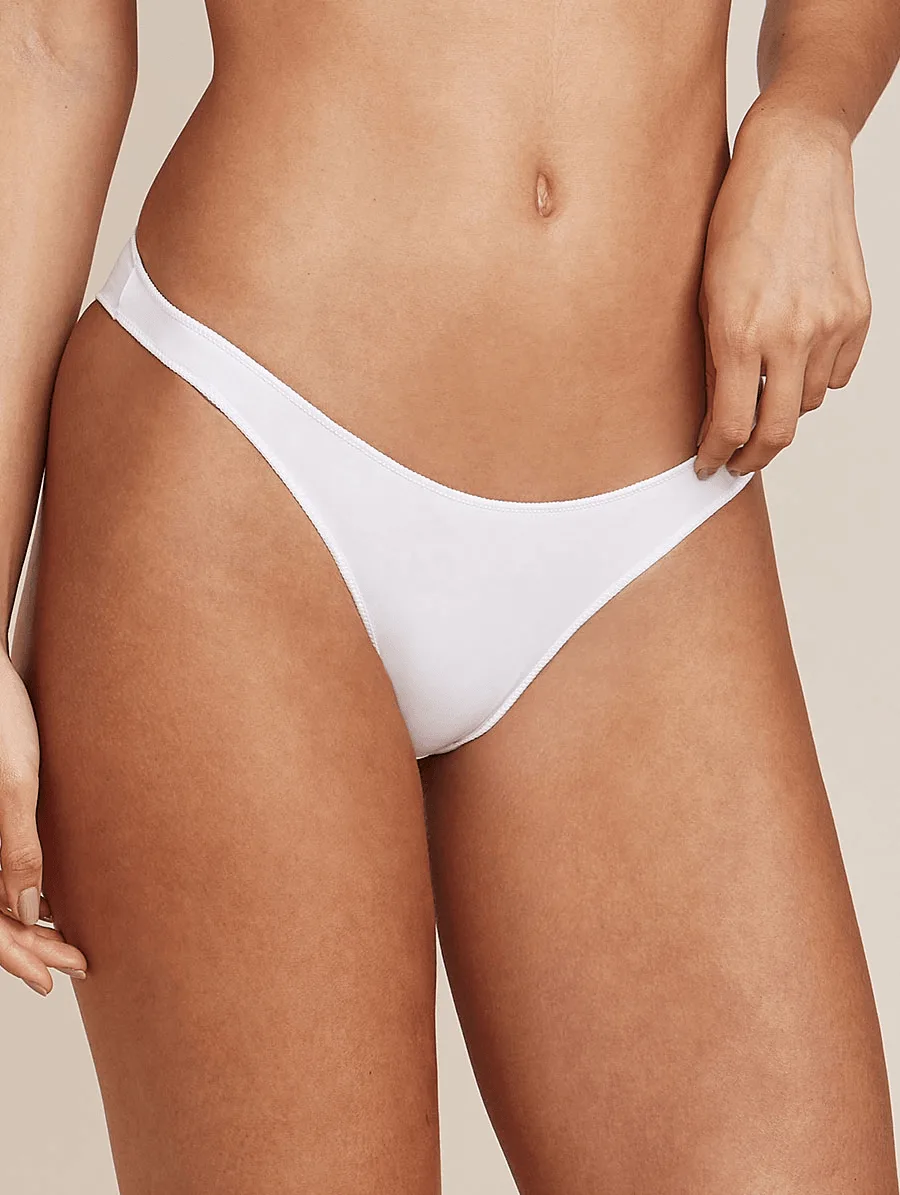
- No-Show Bikini Brief: Soft, breathable microfibre with an invisible no-show finish and smooth-bonded edges; laser-cut edges for a clean look under clothing. Matching underwear with bonded edges avoids digging and lines, so you can stay comfortable below the bra line too. The breathable microfibre is gentle on skin.
- Bra Extender Kits - 2 or 3 Hooks: Comes in 2 packs; adds extra length to bra bands for a more comfortable fit; soft backing for gentle wear; secure hooks to match standard bra closures; easy to attach and remove; available in 2 everyday colours. If a bra band feels tight and causes irritation, an extender adds length without replacing the bra. The soft backing helps prevent scratching against sensitive skin.
Who this advice is for
Best for
- Anyone who experiences itching, redness, or chafing from bras
- People who prefer soft, breathable fabrics and minimal seams
- Those looking for a comfortable everyday bra that doesn't irritate
Not for
- Those who need high-impact support for intense sports
- People who prefer stiff, structured lace or heavy padding
- Anyone looking for a push-up or heavily contoured style
Choosing a bra for sensitive skin comes down to two things: gentle fabrics and a fit that stays put without pressure. Start with a seamless wireless style in breathable microfibre, check the band and cup fit, and use an extender if you need a little more room. If you're unsure, try one bra at a time and pay attention to how your skin feels after a full day — that's the most reliable test.