Quick answer
For travel photography, choose a bag that balances protection, quick access, and compact size. A backpack with padded dividers and a weather-resistant shell is ideal for most trips, while a smaller insert bag works for minimalist setups or as an inner organizer inside a daypack.
Size and capacity trade-offs
A bag that fits under an airplane seat or in an overhead bin saves hassle. Larger backpacks (30L+) hold a body, several lenses, and a tripod but can be heavy to carry all day. Smaller bags (15-20L) force you to edit your kit but are easier to pack and move through crowds. Decide how much gear you truly need on a shoot before choosing capacity.
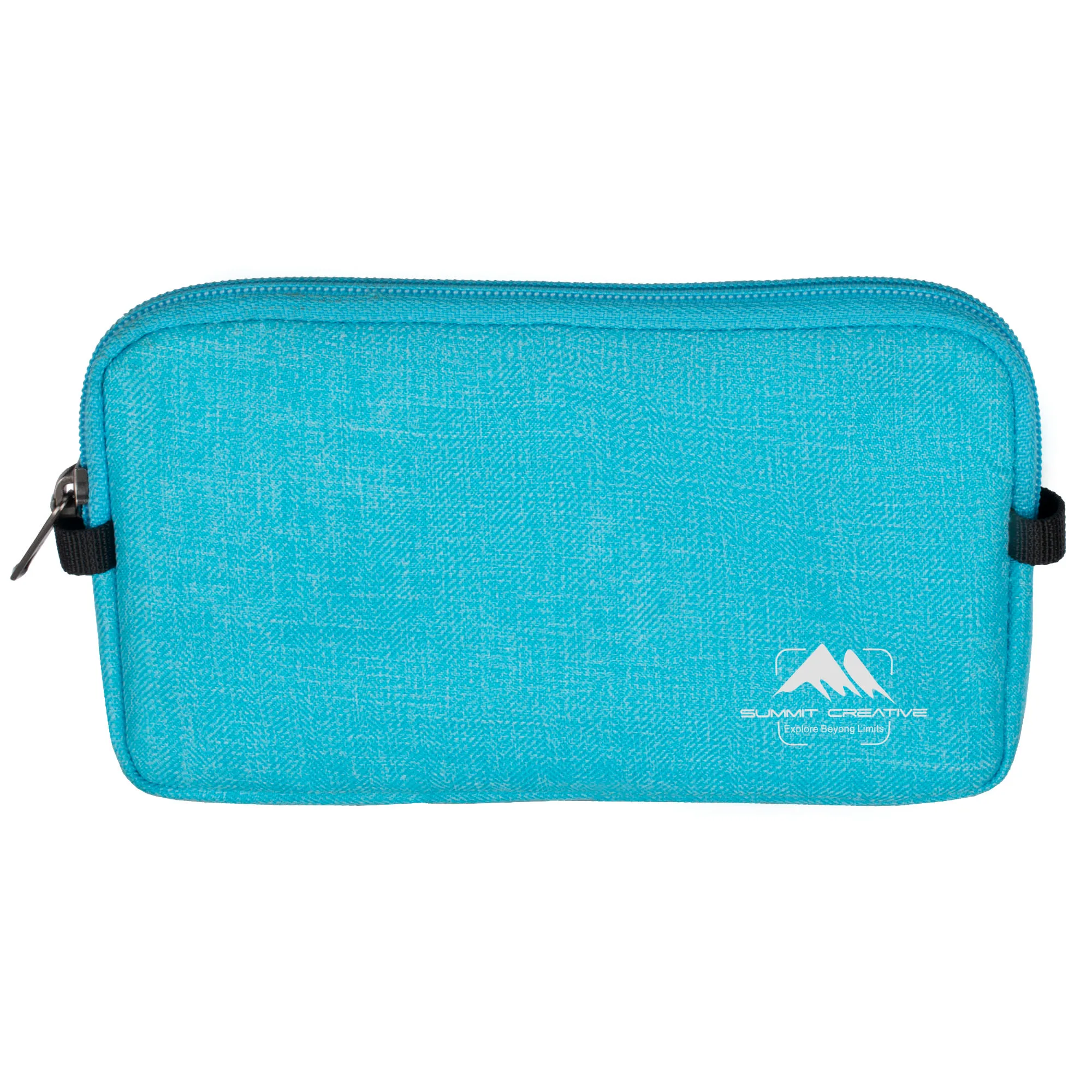
For a lightweight travel setup, a small inner bag like the Summit Creative Small Inner Bag for Accessories and Batteries fits inside a regular backpack, keeping batteries and small accessories organized without adding bulk. It won't hold a full camera body, but it solves the common problem of rummaging for spare batteries mid-shoot.
Access and protection
Side-access camera backpacks let you grab your camera without taking the bag off, which is helpful in busy streets. Top-loading bags protect gear better from rain but require you to stop and open the main compartment. Look for padded dividers that you can reconfigure for different lens sizes. A bag with a rain cover or water-resistant fabric adds peace of mind in unpredictable weather.
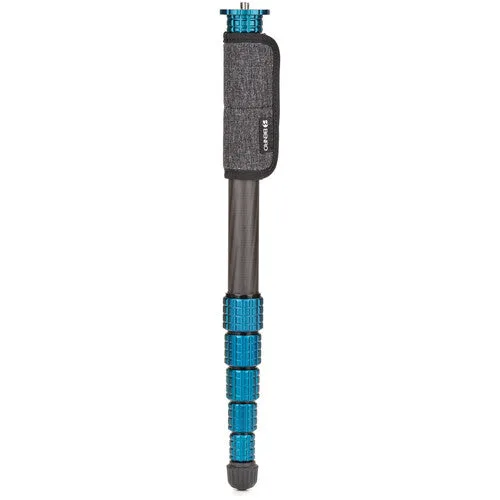
If you travel with a monopod or compact tripod, check whether the bag has external straps or a dedicated pocket. The Manfrotto MM290A4 4 Section Monopod, for example, is slim enough to strap to the side of most backpacks, but not every bag includes attachment points.
Decision rules for choosing a travel camera bag
- Rule 1: Match bag size to your essential kit: List the gear you will carry every day (camera body, 1-2 lenses, batteries, charger, personal items). Choose a bag that fits that kit with a little room to spare. Oversized bags encourage overpacking and add weight. Checkpoint: Can you close the bag with your full kit inside without forcing the zipper?
- Rule 2: Prioritize quick access for street and travel: A side-access or top-flap design lets you retrieve the camera without setting the bag down. If you shoot in crowded markets or moving between locations, this feature saves time and reduces missed shots. Verdict: Side-access bags are best for active travel; top-loaders are fine for slower paced trips.
- Rule 3: Consider weather resistance and security: Look for water-repellent fabric, sealed zippers, and a rain cover. For security, a lockable zipper or hidden pocket for valuables adds protection in high-traffic areas. Next step: If you travel to rainy or dusty destinations, a bag with an integrated rain cover is a must.
Product facts that matter for travel
- Summit Creative Small Inner Bag for Accessories and Batteries (Blue): Stay organized wherever you go with the Summit Creative Small Inner Bag for Accessories and Batteries. Specially designed to fit seamlessly inside your Summit Creative camera bag, this compact inner bag keeps batteries and small accessories neatly arranged and easy to reach. This inner bag is perfect for photographers who already have a travel backpack and need a dedicated, padded organizer for small items. It prevents loose batteries from scratching gear and makes quick swaps faster.
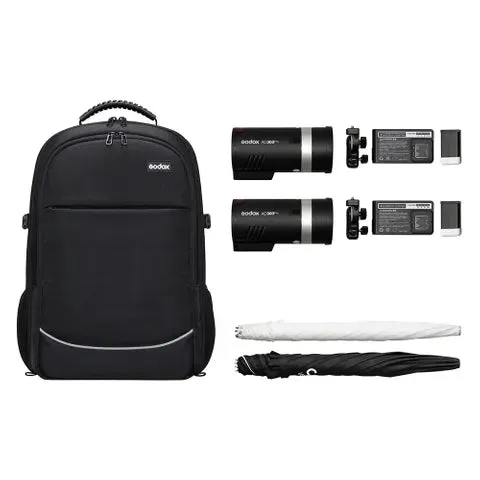
- GODOX AD300Pro TWO HEAD UMB KIT WITH CARRY BAG: The Godox AD300Pro Two‑Head Kit pairs two powerful 300 Ws AD300Pro flash heads into one portable solution for photographers and videographers who need flexible, high-output lighting. If you travel for portrait or event shoots and need portable studio lighting, this kit packs two heads in one carry bag. It's a specialized choice—only relevant if your travel photography includes off-camera flash work.
Which travel camera bag fits you?
Best for
- Photographers who carry a compact mirrorless or DSLR kit and want a lightweight, packable solution
- Travelers who prefer to use a regular daypack and need a padded insert for camera gear
Not for
- Photographers who need to carry a full-frame body plus multiple large telephoto lenses
- Travelers who require a dedicated laptop compartment and extensive tripod attachment points