Quick answer
A camera belt system is ideal when you need fast access to a gripped camera or accessories while keeping weight off your shoulders. Choose a modular belt with padded pouches for heavy gear, or a hip belt for stabilizing a backpack load.
Belt pouch vs hip belt: different jobs
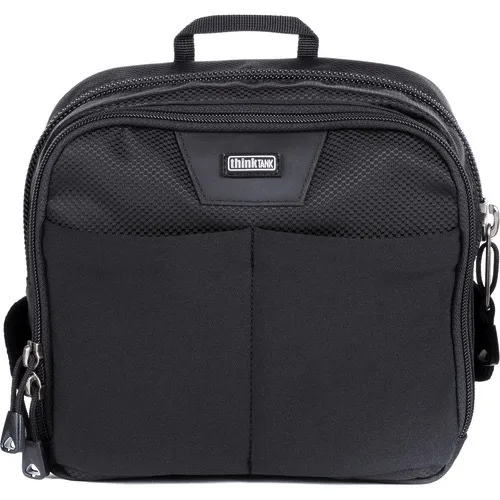
A belt pouch like the Think Tank Photo Speed Changer V3.0 is designed to carry a gripped camera body or accessories directly on your waist, giving you quick access without removing a backpack. A hip belt such as the Peak Design Outdoor Hip Belt, on the other hand, attaches to a compatible backpack (25L or 45L) to improve stability and transfer weight to your hips. They are not interchangeable — pick the one that matches your primary need.
Modular systems add flexibility
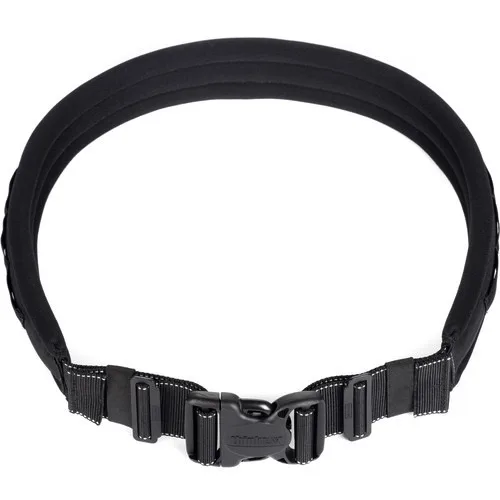
If you need to reconfigure your carry for different shoots, a modular camera belt system is worth considering. The Think Tank Photo Pro Speed Belt V3.0 is a fully padded waistbelt that works with Think Tank's Modular Component System, letting you attach pouches, lens cases, and accessories as needed. This approach is more versatile than a fixed pouch but requires a compatible belt and components.
Stability pads for heavy camera setups
When using a Capture Camera Clip v3 on a belt, a stability pad like the Peak Design PROpad v2 adds extra support and comfort. Its semi-rigid EVA construction and weatherproof nylon exterior help distribute the weight of a heavy camera more evenly, reducing bounce and pressure points. This is a useful add-on if you plan to carry a pro body with a telephoto lens.
Decision rules
- Need quick camera access while wearing a backpack?: Choose a belt pouch like the Think Tank Speed Changer V3.0. It mounts directly on your belt and lets you grab a gripped camera without removing your pack. A belt pouch is best for speed and convenience, not for carrying multiple lenses.
- Want to stabilize a backpack load?: Get a dedicated hip belt like the Peak Design Outdoor Hip Belt. It attaches to compatible backpacks to improve weight distribution and reduce shoulder strain. Hip belts are designed for specific backpacks — check compatibility before buying.
- Building a modular carry system?: Start with a padded waistbelt such as the Think Tank Pro Speed Belt V3.0, then add pouches and cases as needed. This gives you the most flexibility for different shoots. Modular systems are more expensive upfront but save you from buying multiple fixed solutions.
- Carrying a heavy camera on a Capture Clip?: Add a stability pad like the Peak Design PROpad v2. It reduces bounce and pressure, making the setup more comfortable for all-day use. Stability pads are an optional upgrade, not a necessity for lighter kits.
Product facts
-
Peak Design PROpad v2 for Capture Camera Clip v3: The Peak Design PROpad v2 is a stability pad for the Capture Camera Clip v3, with semi-rigid EVA construction and a weatherproof nylon exterior. It makes carrying a heavy camera on your belt more comfortable and secure, especially during long shoots.
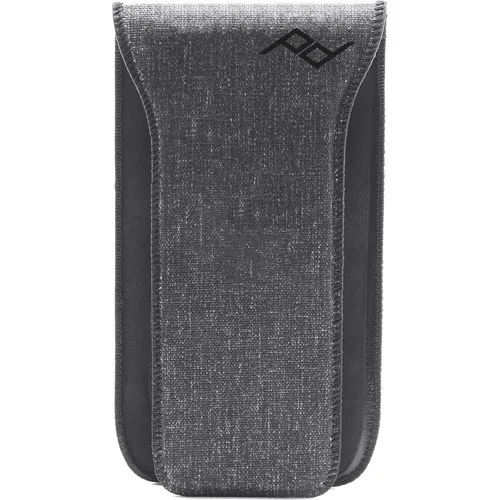
Peak Design PROpad v2 for Capture Camera Clip v3
-
Peak Design Hip Belt - Outdoor 25L + 45L Black: The Peak Design Outdoor Hip Belt works with the Outdoor 25L and 45L backpacks to enhance stability. If you use a Peak Design Outdoor backpack, this belt helps shift weight from your shoulders to your hips, improving comfort on hikes.
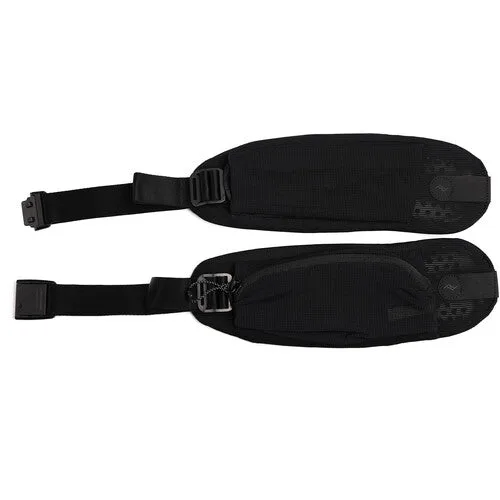
Peak Design Hip Belt - Outdoor 25L + 45L Black
-
Think Tank Photo Speed Changer V3.0 Belt Pouch: The Think Tank Photo Speed Changer V3.0 is a multi-use modular belt pouch that carries a gripped camera body or various accessories. It gives you fast access to a ready-to-shoot camera while keeping your hands free, ideal for event or wedding photographers.
-
Think Tank Photo Pro Speed Belt V3.0 (32-42" Waist, Black): The Think Tank Photo Pro Speed Belt V3.0 is a fully padded waistbelt for the Modular Component System, available in a 32-42" waist size. It provides a stable foundation for attaching multiple pouches and cases, making it a solid choice for photographers who need to customize their carry.
Fit guidance
Best for
- Event and wedding photographers who need quick camera access
- Hikers or travelers using a compatible backpack who want better weight distribution
- Photographers who prefer a modular, customizable carry system
Not for
- Photographers who carry only a small mirrorless camera and prefer a simple bag
- Those who need to carry a full kit of multiple bodies and lenses — a backpack may be more practical