Quick answer
Choose a convertible crib by matching its conversion stages to your space and budget, verifying safety certifications like GREENGUARD Gold, and ensuring the mattress fits snugly. Prioritize solid wood construction for durability, and always use the included conversion kit for toddler bed transitions.
Convertible cribs promise to grow with your child, turning from a crib into a toddler bed and sometimes even a daybed or full-size bed. But with so many options, how do you pick the right one? This guide breaks down the key features to consider, from safety and materials to size and conversion stages.
We'll also look at a few popular convertible cribs to see how they stack up, so you can make a confident choice for your nursery.
What Is a Convertible Crib?
A convertible crib is designed to transform into different bed configurations as your child grows. The most common types are 3-in-1 and 4-in-1. A 3-in-1 typically converts from a crib to a toddler bed and then to a daybed. A 4-in-1 adds a full-size bed conversion, which requires a separate conversion kit and a full-size mattress.
The main benefit is longevity: you won't need to buy a separate toddler bed or daybed. However, the full-size conversion often requires additional purchases, so consider the total cost over time.
- Check if the conversion kit is included or sold separately.
- Measure your nursery to ensure the crib's footprint works for your space.
Safety and Certifications
Safety is non-negotiable. Look for cribs that meet the highest safety standards, such as those certified by GREENGUARD Gold, which indicates low chemical emissions. Also, check that the crib has no drop sides, which are banned, and that the mattress support is sturdy and adjustable.
Always use the mattress that fits snugly — no more than two fingers should fit between the mattress and the crib sides. If you're considering a mini crib, ensure you use the matching mini mattress.
- Verify the crib's safety certifications before purchasing.
- Check the mattress height adjustments to ensure they are easy to operate.
Materials and Durability
Solid wood is generally more durable than engineered wood. Hardwoods like beech are more resistant to bite marks and wear than softwoods like pine. However, pine is lighter and often more affordable. Consider the trade-off: a hardwood crib may last longer, but a pine crib can be a budget-friendly choice that still meets safety standards.
Also, look for non-toxic finishes, which are safer for your baby and the environment. Sustainable sourcing is a bonus for eco-conscious parents.
- Hardwood (beech) resists bite marks better than softwood (pine).
- Non-toxic finishes are safer for your baby and the environment.
Size and Space Considerations
Convertible cribs come in standard and mini sizes. Standard cribs measure about 52 inches long and 28 inches wide, while mini cribs are roughly two-thirds of that size. Mini cribs are ideal for small spaces, urban living, or as a travel option. They often have wheels for easy movement.
Consider the size of your nursery and whether you need a portable option. Also, think about the conversion stages: a mini crib may not convert to a full-size bed, so plan for future needs.
- Measure your nursery before buying.
- Mini cribs are great for small spaces but may have fewer conversion options.
Style and Design
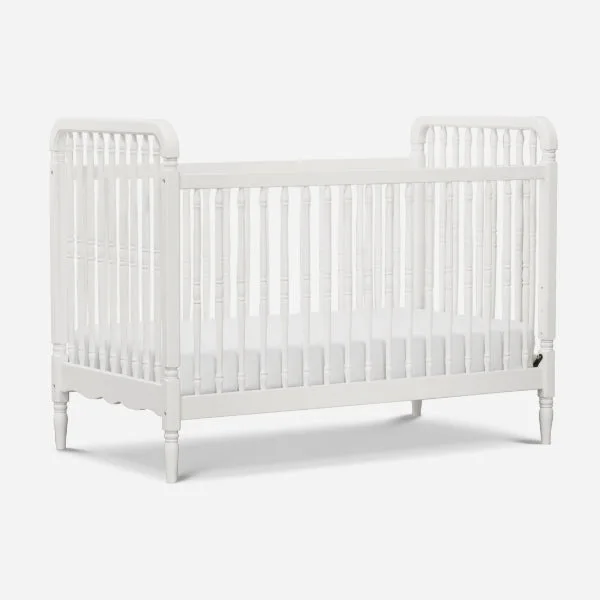
Convertible cribs come in a variety of styles, from modern to classic. Consider the overall nursery theme and choose a crib that complements it. Features like rounded spindles, tapered legs, or arched details can add character.
Remember that style is subjective, but durability and safety should always come first. Choose a design you love, but ensure it meets all safety standards.
- Pick a style that matches your nursery decor.
- Don't compromise safety for looks.
Your Convertible Crib Decision Rules
- Rule 1: Match conversion stages to your plans: If you want a crib that lasts through toddler years, choose a 3-in-1 or 4-in-1. If you plan to have another baby, a 4-in-1 allows you to use it as a full-size bed later. Decide how long you'll use the crib and what future needs you anticipate.
- Rule 2: Prioritize safety certifications: Look for GREENGUARD Gold certification and ensure the crib meets current safety standards. Check for adjustable mattress heights and sturdy construction. Safety first — always verify certifications.
- Rule 3: Choose materials based on durability and budget: Hardwoods like beech resist wear but cost more. Softwoods like pine are affordable but may show bite marks. Consider your budget and how long you'll use the crib. Balance durability with cost.
- Rule 4: Measure your space: Standard cribs need about 52x28 inches. Mini cribs are smaller and portable. Ensure the crib fits your nursery and doorways. Measure before you buy.
Popular Convertible Cribs to Consider
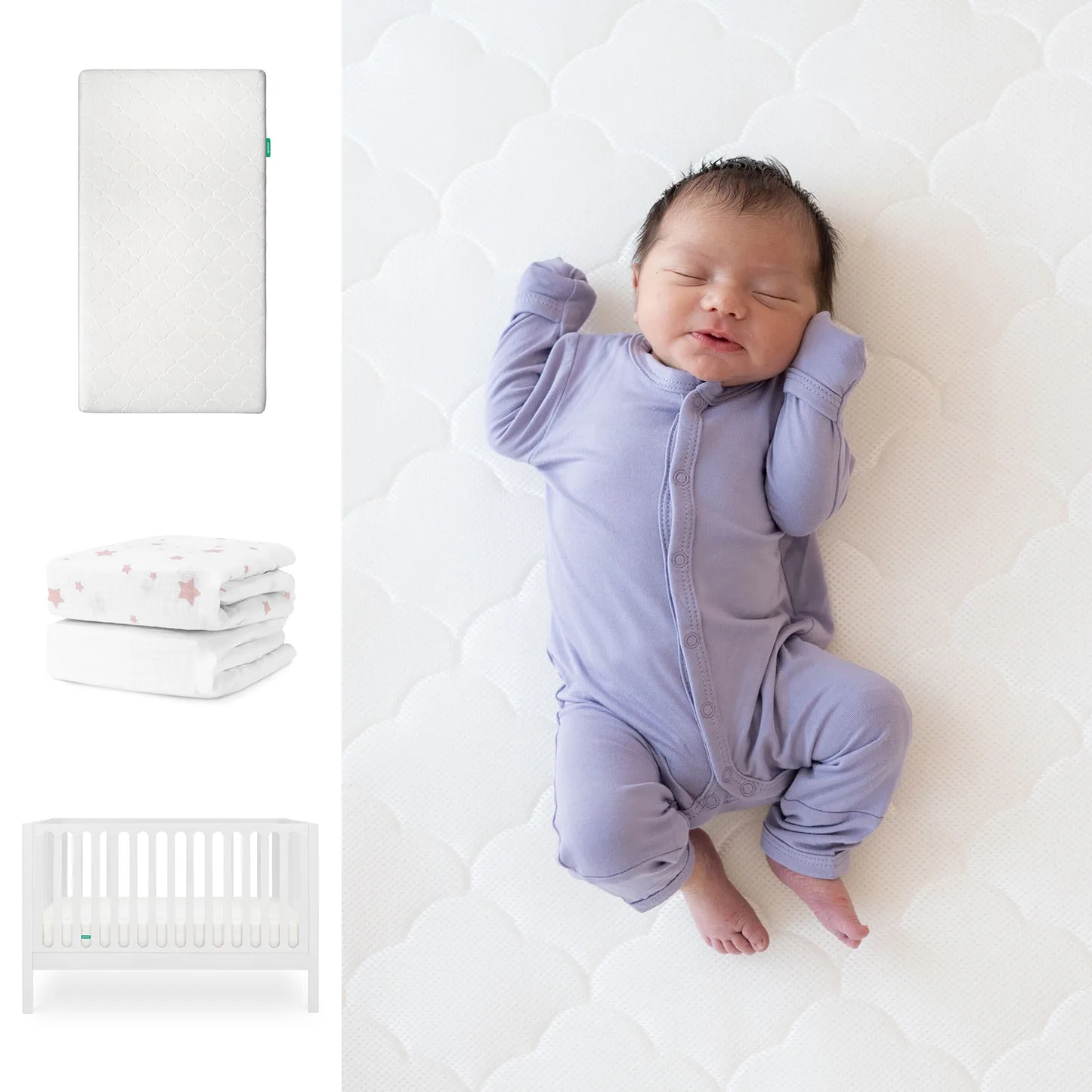
- Newton Nest Convertible Crib: This patent-pending design converts from an ultra-safe bassinet (with wheels and a Newton bassinet mattress included) to a full-size crib and toddler bed. GREENGUARD Gold certified and crafted from sustainably sourced beech wood and rubberwood with a non-toxic finish. This 4-in-1 crib offers the most versatility, starting as a bassinet and growing into a toddler bed. The hardwood construction ensures durability, and the included bassinet mattress adds value.
- Sprout Convertible Crib: A modern classic featuring a sophisticated silhouette, tapered spindles and triangular feet. Made with sustainably sourced solid New Zealand pine wood. Toddler bed conversion kit included. If you prefer a lighter, more affordable option, this 4-in-1 crib from Babyletto offers a stylish design and includes the toddler bed conversion kit. Pine is softer, so it may show bite marks, but it's a budget-friendly choice.
- Origami Mini Crib: A portable mini crib with a petite footprint and rolling feet to allow for easy movement throughout the home. Made with sustainably sourced solid New Zealand pine wood. Perfect for small spaces, urban living or grandparents’ house. For small nurseries or travel, this mini crib is a practical choice. It's not convertible to a full-size bed, but its portability makes it ideal for families on the go.
Best for vs. Not for
Best for
- Parents who want a long-term investment that grows with their child
- Small nurseries or urban living where space is limited (mini cribs)
Not for
- Families on a very tight budget who prefer a basic crib and separate toddler bed
- Parents who need a portable option for frequent travel (unless choosing a mini crib)
Choosing the right convertible crib comes down to understanding your space, budget, and long-term needs. By focusing on safety certifications, materials, and conversion stages, you can find a crib that will serve your family well for years. Remember to measure your nursery and consider future needs before making a final decision.