Quick answer
For most newborns, a lightweight, breathable cotton swaddle blanket in a square shape (at least 40x40 inches) offers the best balance of warmth, safety, and ease of use. Organic options are a smart choice if your baby has sensitive skin.
Why cotton is the go-to fabric for swaddling
Cotton is naturally breathable, which helps prevent overheating — a key safety concern for sleeping newborns. It also softens with each wash, making it gentle on delicate skin. Unlike synthetic blends, cotton allows air to circulate, reducing the risk of your baby getting too warm during naps or nighttime sleep.
That said, not all cotton swaddles feel the same. Lightweight cotton is ideal for warmer months or if your baby runs warm, while a slightly thicker weave can add comfort in cooler rooms. The key is to choose a fabric weight that matches your home's typical temperature.
Size matters: bigger is usually better
A swaddle blanket that's too small can come undone easily, which may startle your baby and disrupt sleep. Most standard receiving blankets are around 30x30 inches, but for a secure swaddle, look for squares that are at least 40x40 inches. This extra fabric gives you enough room to wrap snugly without pulling too tight on your baby's hips.
Larger blankets also double as a nursing cover, stroller blanket, or tummy time mat — making them a more versatile choice for your diaper bag.
Organic vs. conventional cotton: what's the difference?
Organic cotton is grown without synthetic pesticides or fertilizers, which can be gentler on your baby's skin and the environment. If your newborn has eczema or very sensitive skin, an organic swaddle may reduce irritation. Conventional cotton is still soft and breathable, but it may have been treated with chemicals during processing.
The trade-off: organic cotton swaddles often cost a bit more. However, they're typically just as durable and easy to care for as conventional options. If budget is a concern, a conventional cotton swaddle can still be a perfectly safe and comfortable choice.
How to choose the right cotton swaddle blanket
- Check the fabric weight: Hold the blanket up to the light. If you can see through it easily, it's lightweight and breathable — ideal for most newborns. If it feels thick and opaque, it may be better for cooler rooms or as a stroller blanket rather than a swaddle. A lightweight cotton swaddle reduces overheating risk.
- Measure the size: Look for a square blanket that is at least 40x40 inches. This gives you enough fabric to wrap securely without pulling too tight on your baby's hips. Smaller blankets may work for the first few weeks, but your baby will outgrow them quickly. A larger blanket also works as a nursing cover or play mat.
- Decide on organic vs. conventional: If your baby has very sensitive skin or eczema, choose an organic cotton swaddle. If your baby's skin is not reactive and you want to save a few dollars, a conventional cotton swaddle is still soft, breathable, and safe. Organic swaddles cost a bit more but may reduce skin irritation.
Cotton swaddle blankets we recommend
-
Hudson Baby Cotton Swaddle Blankets, Whale: Made from high-quality, lightweight cotton that offers airflow to keep baby cozy without overheating. This multi-use set serves as a swaddle, burp cloth, or quick cover, making it a practical nursery staple that only gets softer with time.
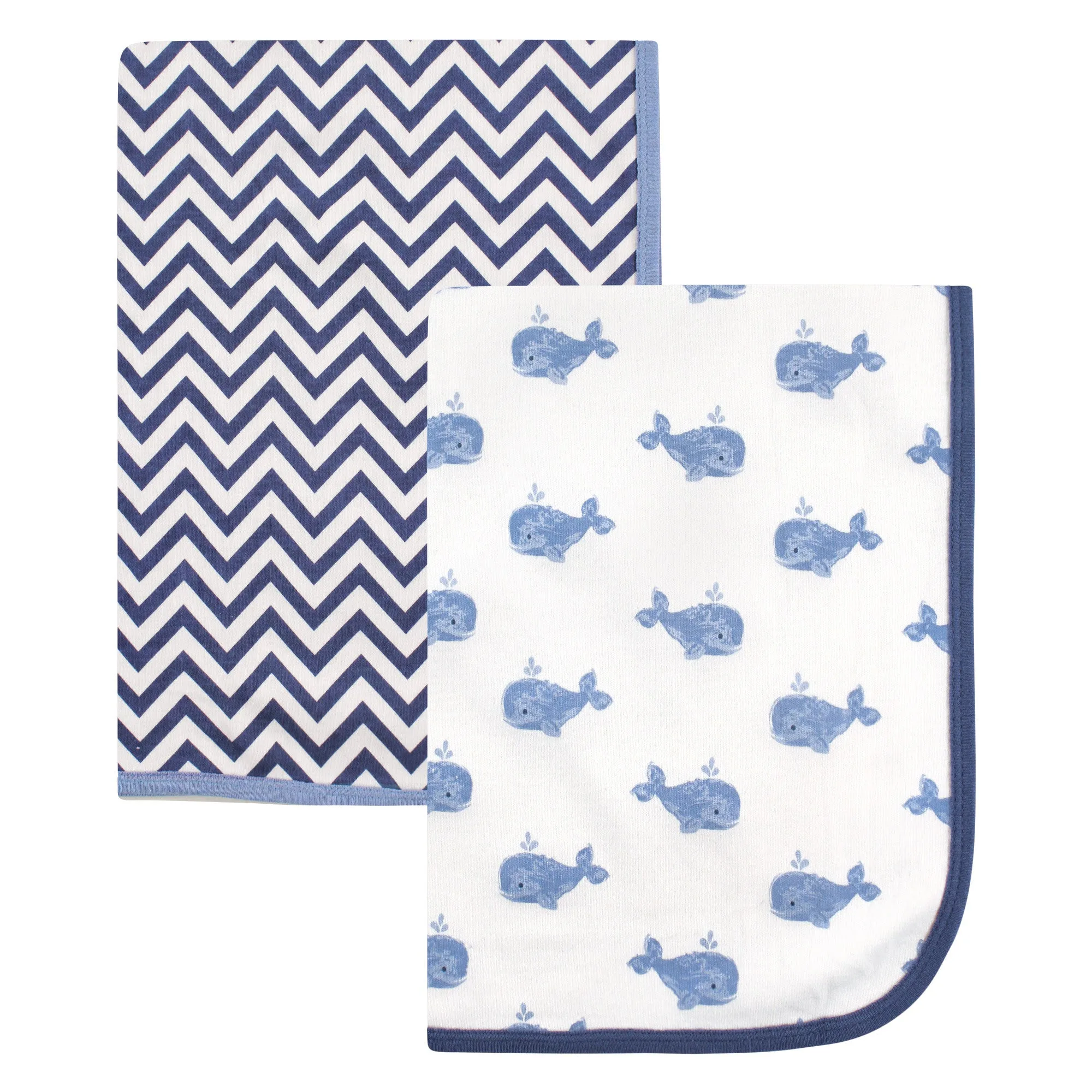
Hudson Baby Cotton Swaddle Blankets, Whale
-
Touched by Nature Organic Cotton Swaddle, Receiving and Multi-purpose Blanket, Pink Elephant: Crafted from 100% breathable organic cotton with an adorable Rose Trunk print. The organic fibers are gentle on sensitive skin and the easy-care material stands up to daily use, so it stays a nursery favorite for months.
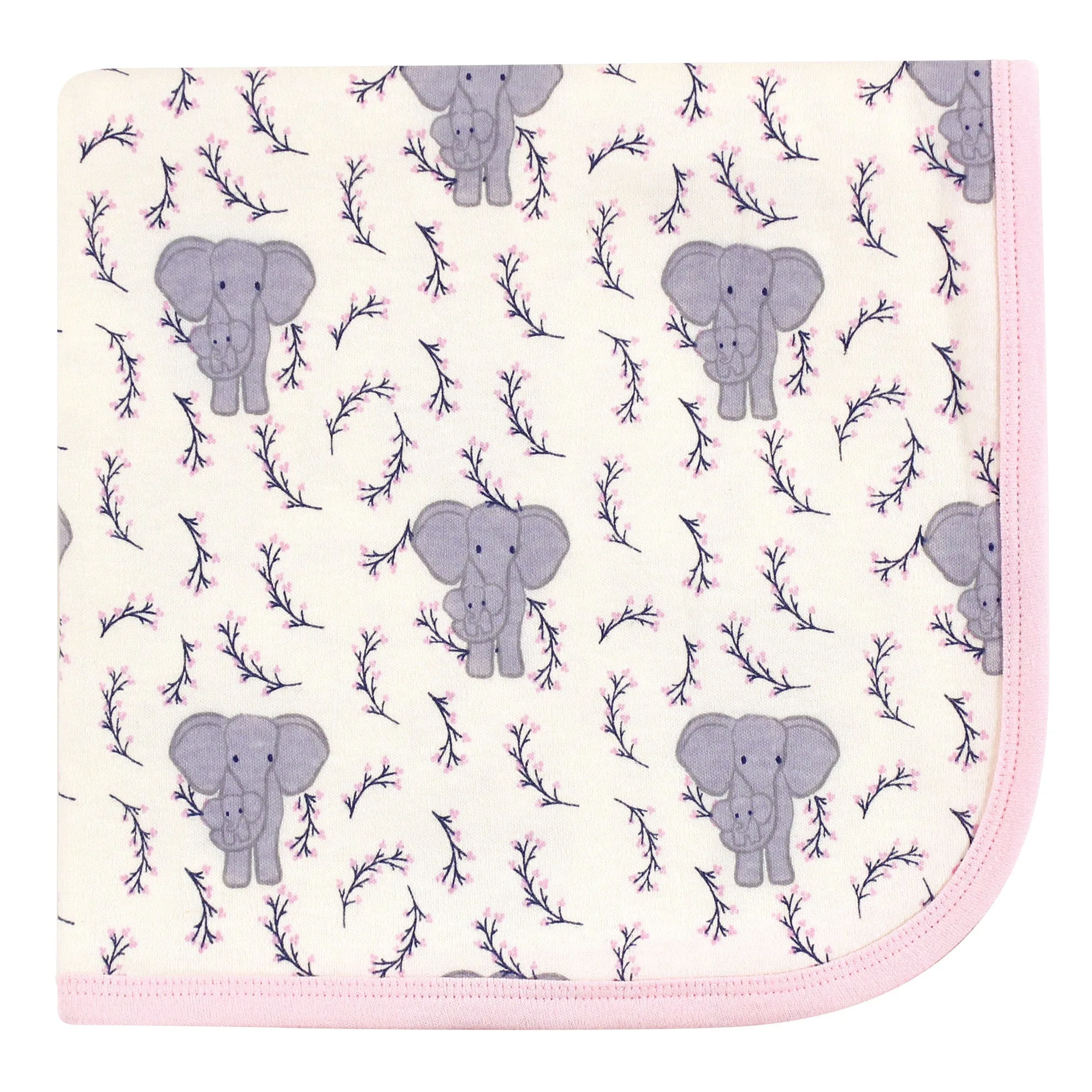
Touched by Nature Organic Cotton Swaddle, Receiving and Multi-purpose Blanket, Pink Elephant
Who should choose what
Best for
- Newborns in warm climates or heated homes — a lightweight cotton swaddle provides breathability
- Babies with sensitive skin — an organic cotton swaddle minimizes exposure to chemicals
Not for
- Parents who prefer a hands-free swaddle sack or velcro wrap — traditional square blankets require practice to fold correctly