Quick answer
Choose a beginner craft kit by matching its contents to one specific project you want to finish, then confirm it includes the tools and instructions you do not already own. If you are new to papercraft, a stamp-and-die set with a clear theme and a compatible cutting plate is a safer start than a mixed kit with unrelated supplies. Buy the kit that gets you to a finished make fastest, not the one with the highest piece count.
A craft kit can be the fastest way into a new hobby, but only if its contents match the project you actually want to make. The wrong kit leaves you with supplies you never touch and a missing tool you have to buy separately.
This guide explains how to choose a craft kit for beginners using a simple decision framework. You will learn what to check in craft kit contents, how to judge whether a starter craft kit is complete, and which trade-offs are worth accepting.
Start with the project, not the kit
Before comparing kits, name one finished item you want to make in the next two weeks. A birthday card, a small treat box, or a layered scrapbook page are all valid starting points. When you know the end product, you can check whether a kit contains the stamps, dies, paper, and adhesive needed to reach it.
Kits that promise everything for every craft often include low-value filler. A focused kit, such as a stamp, die, and template set built around a single theme, gives you a clear path to a finished make. That focus matters more for beginners than variety.
- Write down your target project before you shop.
- Reject kits that do not list what is included.
- Prefer a kit with one clear theme over a mixed bundle.
Check craft kit contents against tools you already own
A beginner craft kit guide is only useful if it accounts for your existing supplies. If you already own a die-cutting machine, you do not need a kit that bundles another one. If you own nothing, a kit that requires a machine you do not have will sit unused.
Look for a contents list that names each component. Count the stamps, dies, or templates so you can compare kits fairly. A kit with 53 pieces may offer more project flexibility than a 10-piece kit, but only if those pieces work together.
- List the tools you own before comparing kits.
- Check whether the kit needs a machine or heat tool you lack.
- Compare piece counts only when the pieces are related.
Match kit materials to your skill level
Some kits assume prior experience. A die-cutting set that requires precise layering and a cutting machine is harder for a first project than a stamp-and-die set with a template. Read the product description for words like beginner, starter, or step-by-step, and treat those as signals, not guarantees.
Paper and cardstock choice also affects difficulty. Smooth cardstock is easier to stamp and die-cut cleanly than heavily textured stock. If a kit includes paper, check whether it is described as smooth or textured, because that detail changes how forgiving your first attempts will be.
- Prefer kits that mention beginner-friendly instructions.
- Choose smooth cardstock for your first stamping projects.
- Avoid kits that require tools or techniques you have not tried.
Decide how much you want to spend on a starter craft kit
Beginner kits range from a few dollars to well over a hundred. A low-cost kit is a good way to test whether you enjoy the craft, but it may lack the tools needed to finish a project. A higher-cost kit can be better value if it includes reusable tools you will keep using.
Compare the kit price against buying the same items separately. If the kit saves you money on tools you need anyway, it is a stronger buy. If it duplicates tools you own, the savings are not real for you.
- Set a budget before you browse.
- Compare kit price to buying the included tools individually.
- Do not pay for tools you already own.
Check compatibility before you buy
Many craft kits are built for a specific machine or system. A die set may require a particular cutting machine, and a cutting plate may only fit one model. Check the product description for compatibility notes before you add a kit to your basket.
If compatibility is not stated, treat that as a limitation. You can contact the retailer or choose a kit that lists the required machine. Buying an incompatible kit costs more in the long run than choosing a slightly plainer one that works with your setup.
- Confirm which machine the kit is designed for.
- Look for compatibility details in the product description.
- Ask the retailer if the information is missing.
Decision rules for choosing a beginner craft kit
- If you have no tools at all: Choose a kit that includes the core tools for one craft, such as a stamp-and-die set plus a compatible cutting plate. Avoid kits that assume you already own a machine. A complete starter kit beats a cheap partial kit.
- If you already own a die-cutting machine: Skip kits that bundle another machine. Buy a stamp, die, and template set or a die set that works with your existing model. Do not pay twice for the same tool.
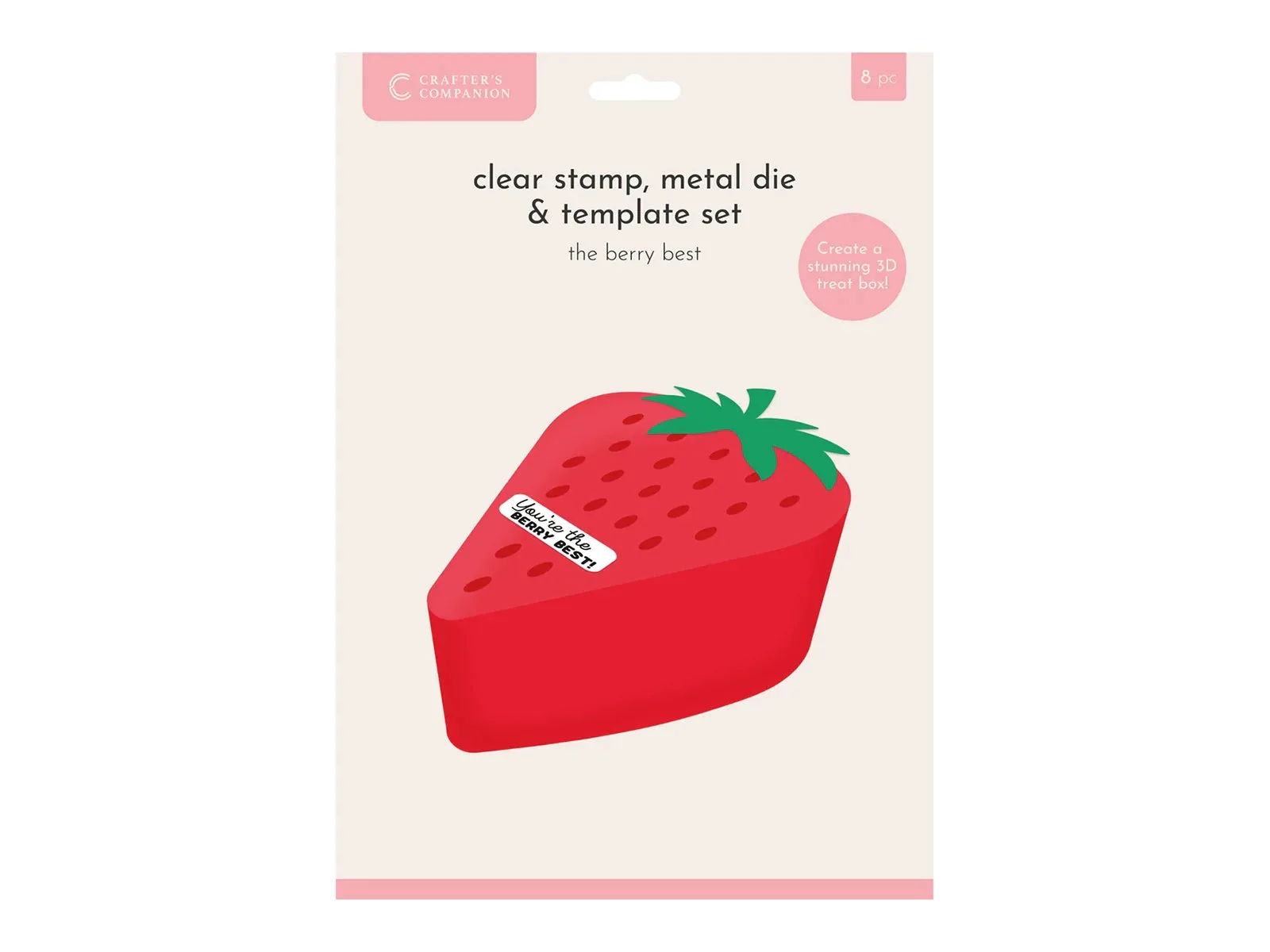
- If you want to test the hobby first: Start with a low-cost themed kit that produces one finished project. The Berry Best set is a clear example because it targets a single treat box. One finished make tells you more than ten unused supplies.
- If you want long-term value: Choose a kit with reusable metal dies and stamps rather than consumable paper only. Check that the pieces work together across multiple projects. Reusable tools justify a higher upfront price.
- If compatibility is unclear: Do not guess. Look for the required machine model in the product description, or contact the retailer before buying. Missing compatibility information is a reason to wait.
Examples that show what to look for
- Crafter’s Companion Stamp, Die and Template - The Berry Best: This 8-piece set includes all you’ll need to create a strawberry-themed treat box, a perfect craft to gift for birthdays, anniversaries, and all occasions. Die cutting gives a level of delicacy to cut-out designs that simply couldn’t be created with scissors or a craft knife. A themed set with a defined project is easier to finish than a mixed kit, and the die-cut finish looks more precise than hand cutting.
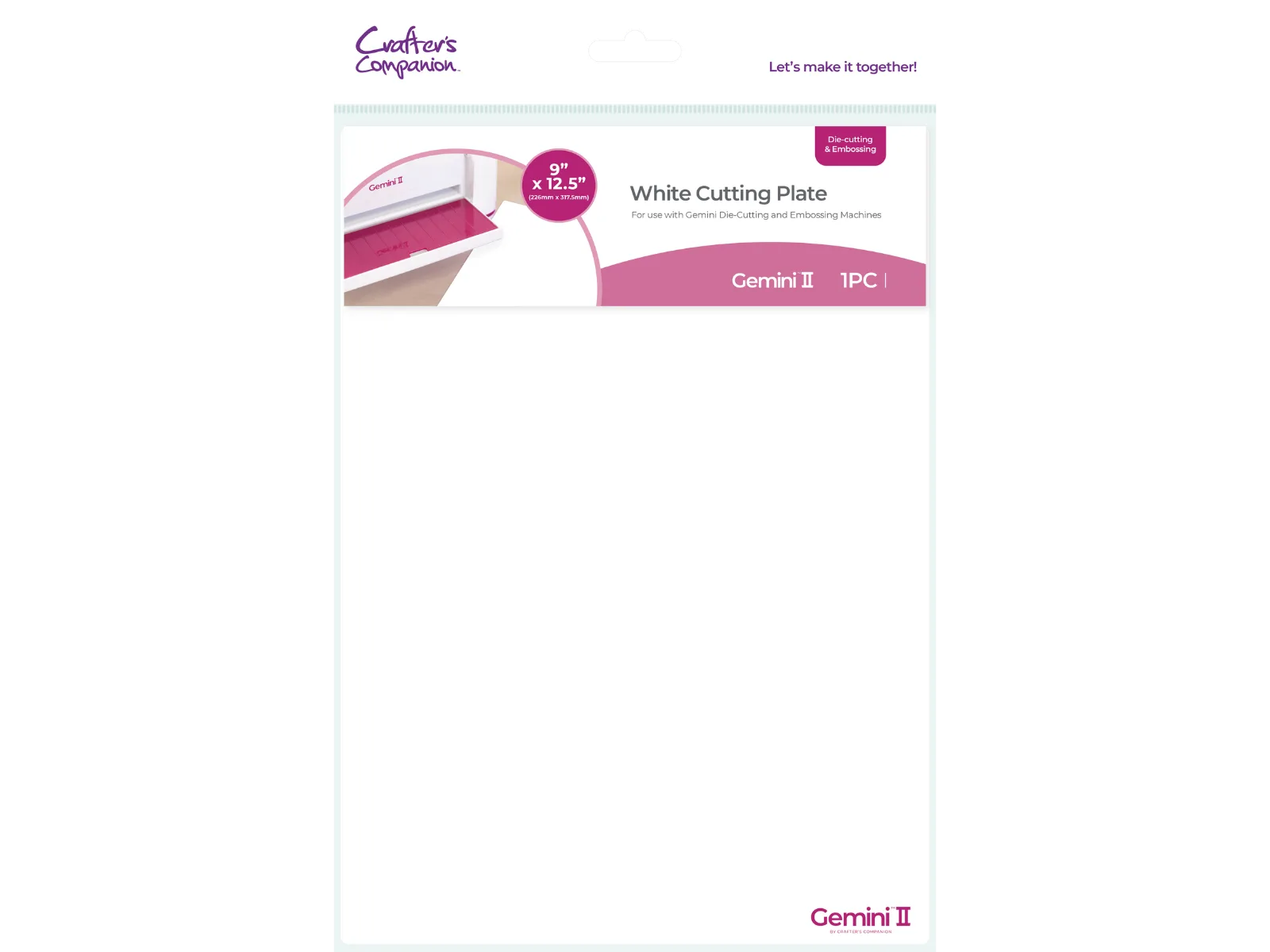
- Gemini II Accessories - White Cutting Plate: Create detailed die-cut designs in one pass through your Gemini ll Machine thanks to the White Cutting Plates. Cutting plates are a vital part of the die-cutting process and with our brand new Gemini ll White Cutting Plates, you can cut safely through almost any material, protecting your metal dies along the way. If your beginner kit includes dies, you also need a compatible cutting plate. Check the machine model before buying, because plates are not universal.
- Hands and Banners Celebration Stamp & Metal Die Set: This bumper 53-piece kit includes 37 stamps and 16 metal dies to craft cards for a wide range of occasions. Cut out banners, signs, hearts and pennant shapes as well as hands to hold them. Mix and match sentiment stamps to build your own custom message. A high piece count gives more project options, but only if the stamps and dies are designed to work together. This set is built around card making, so it suits that goal.
- Arden Creative Studio Premium Cardstock Blossom Pink 12" x 12" - 20 Pack: Each sheet features a smooth finish on one side and a linen-textured finish on the other, giving you added versatility for your papercraft projects. Use the smooth side for stamping and detailed die-cutting. Dual-finish cardstock lets you test both surfaces with one pack. Smooth sides are more forgiving for beginners, while textured sides add interest once you are comfortable.
Who should buy a beginner craft kit
Best for
- New papercrafters who want one guided project to build confidence
- Crafters who already own a die-cutting machine and want a themed stamp and die set
- Gift buyers looking for a self-contained craft activity with clear instructions
Not for
- Experienced crafters who already own the tools and only need refill supplies
- Buyers who cannot confirm the kit works with their existing machine
- Anyone looking for a mixed bundle of unrelated craft supplies
Choose a beginner craft kit by matching its contents to one project, confirming it works with the tools you own, and accepting that a focused kit beats a large mixed one. Check compatibility before you buy, and treat missing details as a reason to look elsewhere.